Key Takeaways
Electric vehicle fire response tactics require a clear understanding of battery risks and the use of specialised equipment. Responders should plan for unique hazards such as thermal runaway and high-voltage systems.
Collaborating with local emergency services and following official advice ensures safer outcomes for crews and the public. Training and preparation are vital given the growing number of electric vehicles on Australian roads.
Electric Vehicle Fire Response Tactics in Australia
Access a practical guide covering EV fire hazards, thermal runaway awareness, scene safety, cooling tactics, and post-fire monitoring.
- Key EV fire risks and hazard awareness
- Water cooling and response priorities
- Reignition and monitoring reminders
- Clean, printable PDF for quick reference
Understanding Electric Vehicle Fire Hazards
Electric vehicles (EVs) use lithium-ion batteries that store large amounts of energy. While generally safe, these batteries can catch fire or explode under certain conditions such as collisions, electrical faults, or improper charging. These fires behave differently from traditional petrol or diesel vehicle fires and can be more challenging to extinguish.
Thermal runaway is one of the biggest risks, where battery cells overheat and cause a chain reaction. This can lead to intense heat, thick smoke, and toxic gases. Because of this, fire crews need to approach EV fires with caution and apply specialised tactics to control and extinguish the blaze safely.
Electric vehicle fire response tactics include wearing full protective gear, isolating the battery if possible, and applying large volumes of water to cool the cells. Firefighters must be aware that batteries can reignite hours or even days after an incident, requiring ongoing monitoring and safety measures.
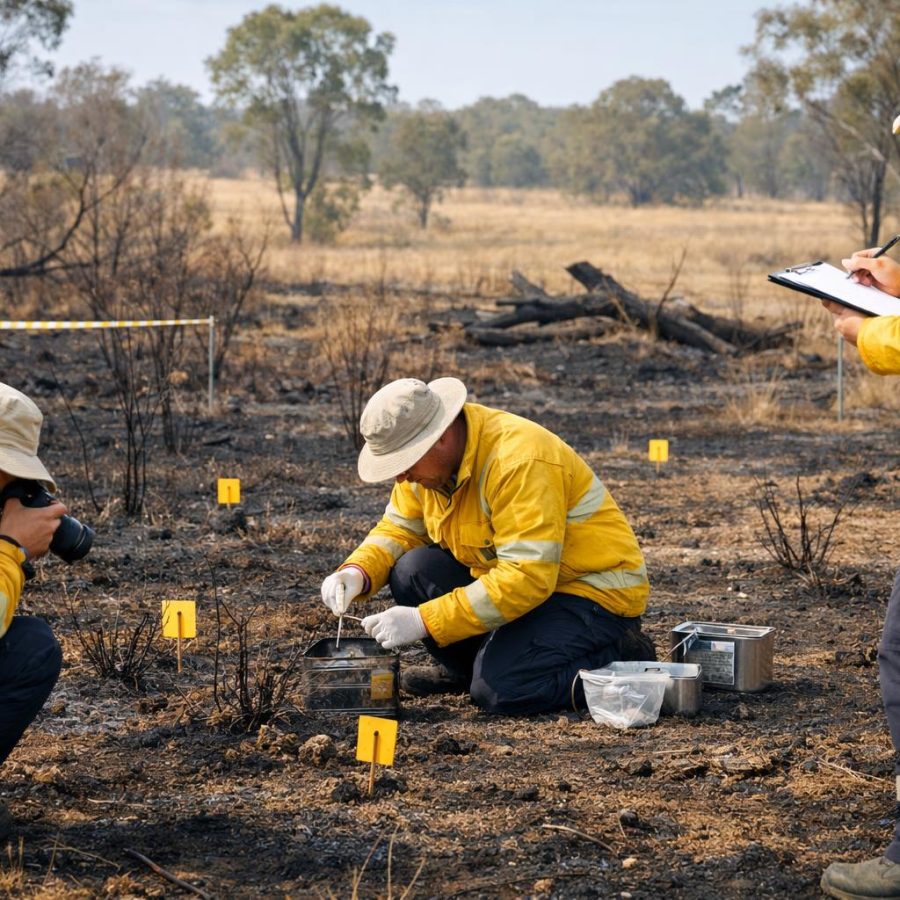
Beyond the immediate fire hazards, responders should also be mindful of the environmental impact of EV battery fires. The release of heavy metals and toxic electrolytes can contaminate soil and waterways if not properly contained. This necessitates the use of containment booms, absorbent materials, and coordination with environmental agencies to mitigate long-term damage.
Planning and Training for EV Fire Incidents
Preparing for electric vehicle fires involves more than just equipment. Fire and rescue teams across Australia are updating their training and standard operating procedures to include the latest EV-specific information. Practising scenarios helps crews understand how to identify EVs, safely isolate power systems, and use effective extinguishing methods.
Local fire services such as Fire and Rescue NSW, CFA in Victoria, and Queensland Fire and Emergency Services have developed guidance and training modules focusing on electric vehicle hazards. This includes understanding manufacturers’ battery designs, recognising high-voltage cables marked with bright orange insulation, and using thermal imaging cameras to assess hotspots.
Training also emphasises the importance of understanding different EV models, as battery placement and design can vary significantly between manufacturers. This knowledge aids in identifying safe access points for rescue and fire suppression, and helps avoid inadvertent damage to critical components.
Emergency responders should also coordinate with police, ambulance, and SES to manage the scene effectively. Clear communication and role assignment improve safety and efficiency during complex incidents involving electric vehicles.
Additionally, joint training exercises with other emergency services help build inter-agency familiarity with EV fire scenarios. This cooperation ensures smoother operations during real incidents, reducing response times and enhancing overall safety.
On-Scene Response Tactics for Electric Vehicle Fires
Initial Approach and Scene Safety
When arriving at a fire involving an electric vehicle, responders should establish a safe perimeter, maintaining a greater distance than usual due to the risk of explosion and toxic smoke. Always wear full personal protective equipment including breathing apparatus. Avoid contact with damaged wiring, and be cautious of leaking fluids which may be hazardous.
In addition to the immediate fire hazards, responders should be prepared for possible battery fragments or debris propelled by explosions. High-impact collisions involving EVs may scatter battery components across the scene, posing additional risks. Securing the area and controlling access is essential to protect both emergency personnel and the public.
Isolation of High-Voltage Systems
Whenever possible, isolate the EV’s battery by disconnecting the high-voltage system. This may require consulting manufacturer guides or emergency response manuals, which many Australian fire services carry. Disconnecting the 12-volt auxiliary battery will often shut down the high-voltage system, reducing the risk of electric shock or further fire development.
It is important to recognise that some EVs have automated disconnect features activated by crash sensors, but responders should not rely solely on these systems. Manual verification of battery isolation and system shutdown remains a critical step to ensure safety.
Extinguishing Techniques
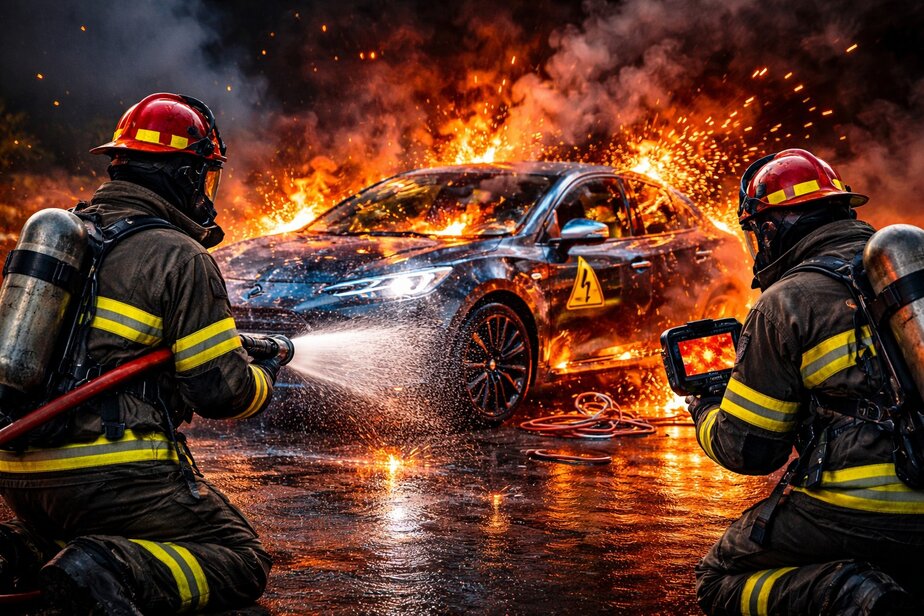
The main tactic for controlling an EV fire is to apply large amounts of water to cool the battery cells and slow thermal runaway. Dry chemical extinguishers may suppress flames but will not stop the battery overheating. Water jets or monitors should be applied for an extended period. Firefighters need to be prepared for the fire to reignite and monitor the vehicle for hours after initial extinguishment.
Using foam or other agents may be ineffective or even dangerous if they interfere with battery cooling. Always follow current Australian standards and agency advice on appropriate extinguishing media for EV fires.
In cases where water supply is limited, responders may need to prioritise cooling critical battery areas while concurrently protecting exposures. Employing thermal imaging cameras can assist in detecting residual heat spots that require focused cooling efforts.
Post-fire procedures should include careful vehicle removal and storage in designated containment areas, often called ‘fire pits’ or ‘battery quench tanks’. These facilities allow for safe monitoring and management of potential reignition risks over several days.
If You Only Do Five Things
First, always call 000 immediately for any life-threatening emergency involving an electric vehicle fire. Early notification ensures all required emergency services are dispatched promptly.
Second, establish a safe perimeter and keep bystanders well away to limit exposure to toxic smoke and potential explosions.
Third, wear full protective equipment including breathing apparatus before approaching the fire to protect against heat and hazardous gases.
Fourth, apply large volumes of water to cool the battery and control the fire, recognising that reignition is possible and ongoing monitoring is essential.
Fifth, coordinate closely with local fire, ambulance, police, and SES personnel to manage hazards, assist with evacuations if needed, and support injured or vulnerable people.
Beyond these essentials, responders should prioritise gathering as much information as possible about the vehicle involved. Details such as make, model, year, and battery type can influence the tactics used and resources required.
Maintaining detailed incident documentation supports post-incident analysis and continuous improvement in EV fire response strategies.
Who does what in Australia?
Fire and Rescue services are the primary agencies managing fires, including electric vehicle incidents. They have the training and equipment for fire suppression and rescue.
Police secure the incident scene, control traffic, and support investigations. They also help with evacuations if required.
Ambulance services provide emergency medical care to injured persons and help with patient transport.
The State Emergency Service (SES) assists with extra support such as traffic management, clearing debris, and helping vulnerable community members during emergencies.
Remember, for any serious incident, call 000 immediately to ensure the right agencies respond quickly.
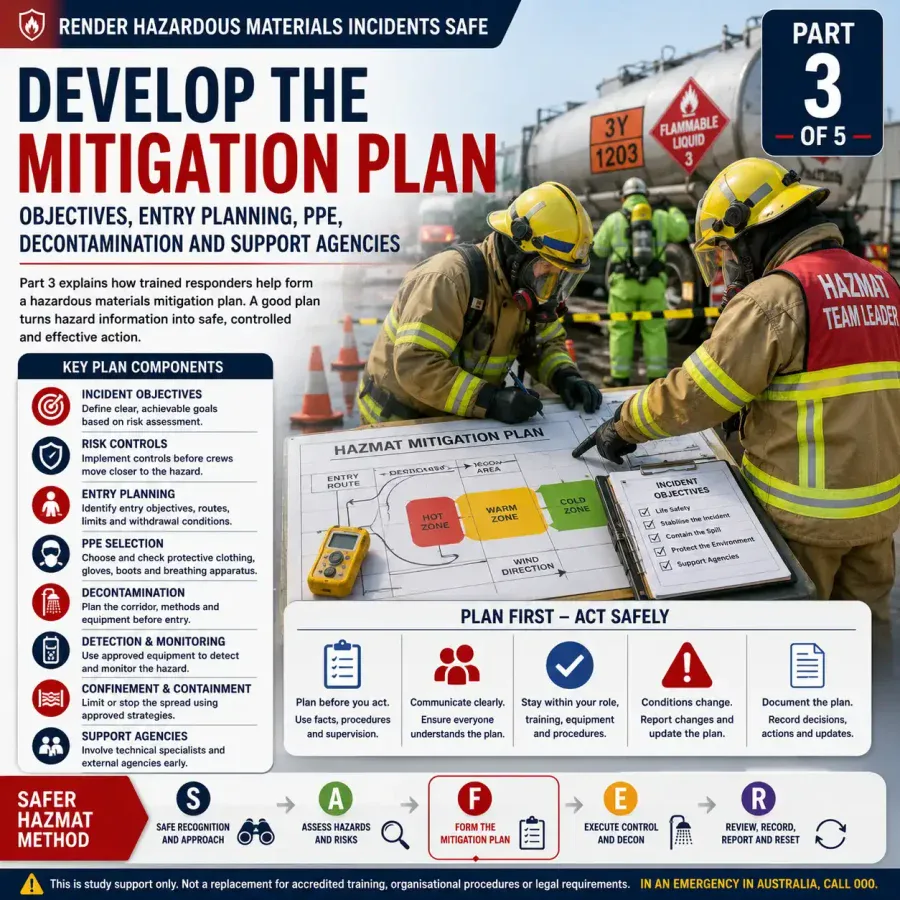
In addition, some regions have specialist hazardous materials (HAZMAT) teams trained in handling battery fires and chemical spills associated with EV incidents. These teams provide expertise in containment and environmental protection measures.
Local councils and environmental agencies may also be involved post-incident to assess and remediate any contamination caused by battery fires.
Broader Preparedness and Public Awareness
As electric vehicles become more common on Australian roads, it is important for the public to understand the risks and safety measures involved. Drivers should carry emergency contact information and make sure they know how to respond if their vehicle catches fire.
Community education programs by fire services and government agencies help raise awareness about EV hazards and safe charging practices. Following official warnings and staying informed about recalls or safety notices for electric vehicles adds an extra layer of protection.
EV owners should also ensure their vehicles are serviced by authorised technicians and report any issues promptly. This proactive approach supports safer outcomes and helps emergency responders manage incidents more effectively.
Public outreach also involves educating charging station operators about the importance of regular maintenance and emergency preparedness. Properly maintained infrastructure reduces the likelihood of electrical faults that could lead to fires.
Furthermore, urban planning and emergency management agencies are considering dedicated EV fire response protocols and infrastructure, such as specialised fire suppression systems at charging stations and designated EV fire containment zones.
Electric Vehicle Fire Response Tactics in Australia
Listen to a clear audio overview of EV fire risks, thermal runaway, cooling tactics, scene safety, and monitoring considerations.
Conclusion
Electric vehicle fire response tactics differ significantly from traditional vehicle fires. Fire crews must adapt to new challenges with specialised training, equipment, and procedures. A cautious, well-informed approach helps keep emergency personnel and the public safe when dealing with these complex incidents.
Coordination among Australia’s emergency services and adherence to official advice maximises the effectiveness of response efforts. Remaining vigilant, prepared, and knowledgeable about EV hazards will become increasingly important as these vehicles continue to grow in popularity across the country.
Always call 000 in life-threatening situations and trust your local fire and emergency services to handle electric vehicle fires safely and professionally.
The evolution of electric vehicle technology will likely bring new challenges and solutions in fire response tactics. Continuous learning and adaptation by fire and rescue organisations are essential to keep pace with innovations and maintain high standards of safety for all Australians.
Electric Vehicle Fire Response Tactics in Australia
Access a practical guide covering EV fire hazards, thermal runaway awareness, scene safety, cooling tactics, and post-fire monitoring.
- Key EV fire risks and hazard awareness
- Water cooling and response priorities
- Reignition and monitoring reminders
- Clean, printable PDF for quick reference
FireRescue Training Hub
Access practical fire and emergency study support resources, downloads, checklists, audio guides, and member-only course content.
- Course library
- PDF downloads
- Audio guides
- Checklists
Study support only. Not accredited training or a replacement for workplace procedures.
About the author and safety review
Ken Walker
Former Station Officer and fire service educator
Former career firefighter with extensive career and volunteer fire service experience.
Qualifications: Associate Diploma of Applied Science in Fire Technology; Institute of Fire Engineers studies.
Author profilehttps://www.firerescue.com.au/about-us/