Insights & Analysis
Rapid Intervention Team Effectiveness
Rapid Intervention Teams (RITs) are critical components in fire and rescue operations, designed to provide immediate assistance to firefighters in distress within hazardous environments. Their effectiveness can be the difference between life and death.
Understanding how these teams operate, train, and integrate within broader emergency response frameworks is essential for improving overall safety outcomes on Australian firegrounds.
This article explores the practical considerations for RIT effectiveness, offering insights into planning, coordination, and the roles of various emergency services involved.
Rapid Intervention Team Effectiveness
View the practical firefighter rescue safety guide built for Australian conditions. Clean, easy to access, and ready to download as a PDF.
- Australian focus
- Practical guidance
- Easy PDF access
Professional resource from www.firerescue.com.au
Background and Context
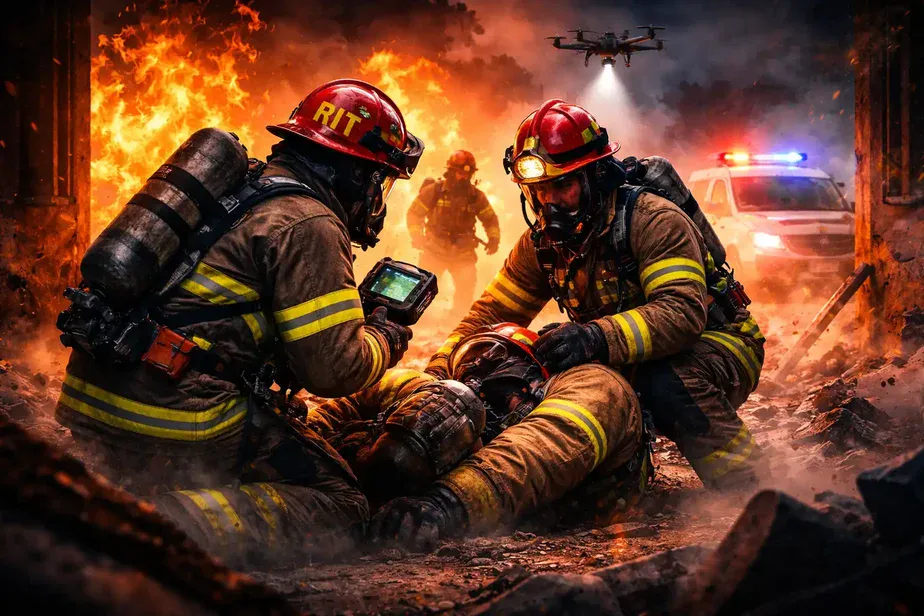
Rapid Intervention Teams are specialised groups within fire services tasked with the swift rescue of firefighters who become trapped, disoriented or injured during operations. In the high-risk environments that firefighters often face1such as structural fires, industrial incidents or bushfires1these teams must be prepared to enter hazardous areas quickly and safely to effect rescues.
In Australia, fire and rescue units work closely with other emergency services including police, ambulance, and the State Emergency Service (SES). Understanding the distinct roles of these agencies is crucial to coordinated response: Fire/Rescue focuses on firefighting and rescue efforts; Ambulance provides medical support and triage; Police manage incident control and public safety; while SES offers specialised support such as search, technical rescue, and logistics during disasters.
When a firefighter becomes trapped or incapacitated, a 000 call should be made immediately, specifying the nature of the emergency and location. The fireground command will then task the RIT to initiate rapid entry and rescue procedures, working in concert with other services on site.
The origins of Rapid Intervention Teams trace back to lessons learned from tragic incidents worldwide where firefighters were lost due to delayed rescue efforts. Over time, fire services have refined RIT protocols to prioritise early intervention, dedicated rescue personnel, and specialised tactics. These improvements have led to measurable reductions in firefighter casualties in many jurisdictions, including Australia.
What Defines Rapid Intervention Team Effectiveness?
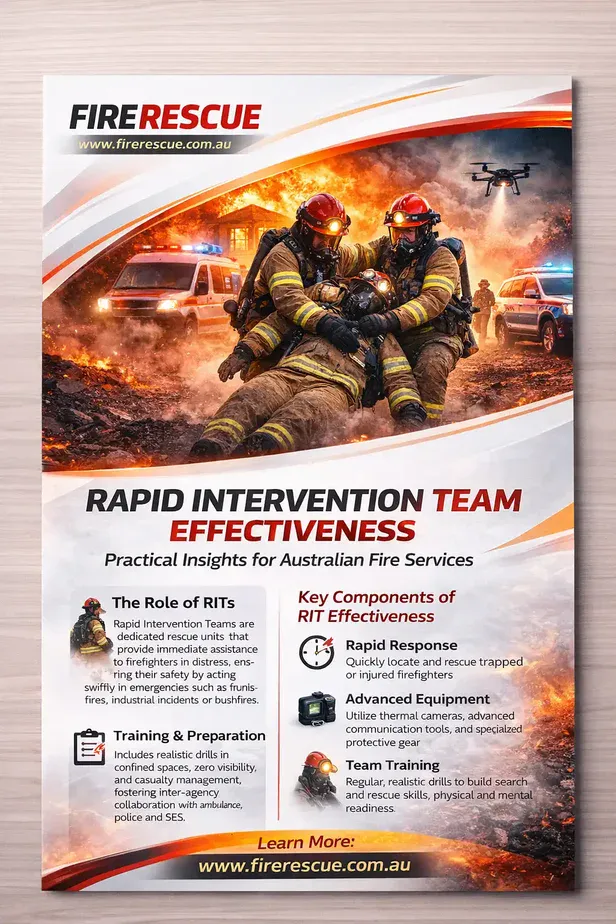
Effectiveness of a Rapid Intervention Team rests on several core pillars. Foremost is the speed of response 1 the ability to locate and access the firefighter in distress as swiftly as possible. This requires not only readiness and specialised equipment but also clear communication channels and situational awareness.
Secondly, team training and cohesion greatly influence success. RIT members must be highly skilled in search techniques, building navigation under limited visibility, and emergency medical care. Regular, realistic drills that simulate the complex environments they face enhance muscle memory and decision-making under pressure.
Thirdly, integration with incident command systems and other emergency agencies ensures that RITs receive timely information and support. Coordinated efforts reduce duplication and confusion, allowing the team to focus on rescue without logistical distractions.
Another defining factor is the psychological preparedness of RIT members. Rescue operations often occur under extreme stress, with time-critical decisions and physical danger. Teams that cultivate mental resilience and stress management techniques demonstrate greater composure and effectiveness during real emergencies.
Equipment and Technology
The right equipment can dramatically improve RIT effectiveness. This includes thermal imaging cameras for locating trapped firefighters through smoke, reliable communication devices that function in high-interference environments, and specialised personal protective equipment (PPE) that balances protection with mobility.
Incorporating cutting-edge technology such as RFID tags or tracking systems on firefighters can provide real-time location data, assisting RITs in pinpointing victims faster and more accurately.
Advancements in drone technology have also begun to influence rapid intervention strategies. Drones equipped with thermal sensors can survey hazardous environments and identify hotspots or trapped personnel, providing vital intelligence without exposing rescuers to immediate danger. As these technologies become more accessible, they are expected to become standard tools in RIT arsenals.
Training and Preparation for RITs
Training for Rapid Intervention Teams should emphasise realism and complexity. Scenarios that replicate the physical and psychological stresses of actual emergencies prepare teams to function effectively under duress. This includes confined space rescues, navigation in zero visibility, and managing casualties with limited resources.
Inter-agency drills are also vital to foster understanding and collaboration between fire services, ambulance, police, and SES. These exercises help clarify roles, improve communication, and refine joint protocols.
Maintaining physical fitness and mental resilience is another crucial aspect of RIT training, ensuring team members can endure the demands of rapid rescue operations.
In addition to practical drills, classroom sessions reviewing case studies of past incidents contribute to a deeper understanding of potential pitfalls and best practices. This analytical approach encourages critical thinking and continual learning among RIT members.
Leadership and Decision Making
Effective leadership within RITs ensures clear task allocation, rapid decision-making, and adaptability. Leaders must possess strong situational awareness and maintain calm under pressure to direct the team safely and efficiently through dynamic conditions.
Leadership development programs focusing on communication skills, conflict resolution, and crisis management further enhance the capabilities of RIT commanders. These programs prepare leaders to manage not only the tactical aspects of rescue but also the wellbeing of their personnel during and after operations.
Practical Implications for Australian Fire Services
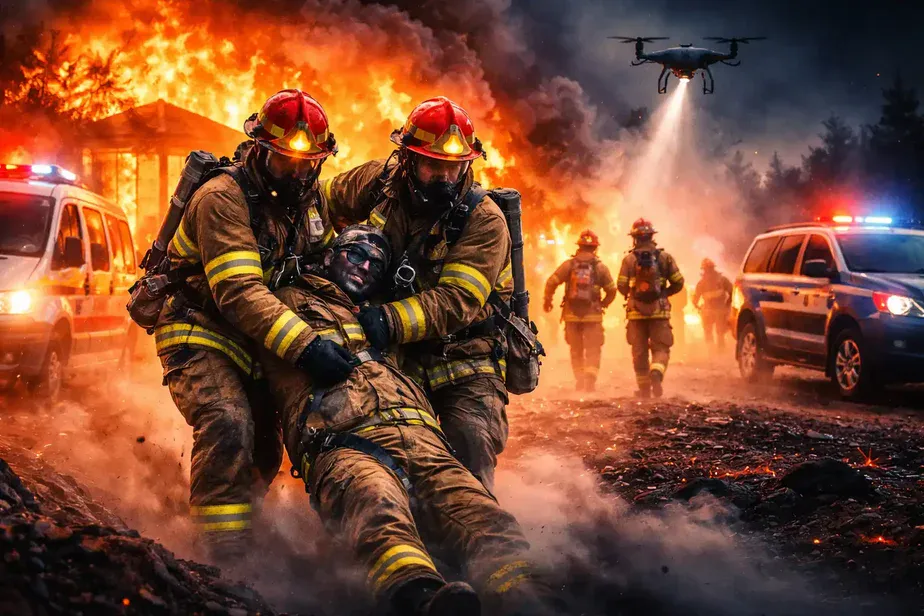
Australian fire services operate in diverse environments, from urban high-rise buildings to remote bushfire zones. Rapid Intervention Teams must therefore be equipped and trained to handle a variety of scenarios, adapting tactics to local risks and resources.
In many cases, a successful RIT operation depends on early identification of a firefighter in distress. Incident commanders should prioritise constant personnel accountability and situational updates to detect emergencies promptly.
Coordination with ambulance crews ensures that once a firefighter is rescued, medical treatment can begin immediately. Police involvement often centres on securing the scene and managing access routes, while SES can provide specialised technical rescue support if structural collapse or complex extrication is involved.
Community awareness regarding emergency calls is also key. Members of the public should know to call 000 without delay and provide as much detail as possible, enabling rapid mobilisation of the appropriate services.
Furthermore, the geographic and climatic diversity across Australian states necessitates tailored RIT protocols. For example, teams responding to bushfire incidents in rural areas must be adept at navigating rugged terrain and operating under extreme heat, while urban RITs focus on high-rise building rescues and confined spaces. This regional specialisation enhances overall effectiveness and safety.
Enhancing Safety Through Continuous Improvement
Continuous evaluation of RIT performance after incidents is necessary to identify strengths and areas for improvement. Post-incident debriefs, combined with data analysis and feedback from team members, help refine tactics, training regimens, and equipment choices.
Investment in research and development can also drive innovation in rescue techniques and tools, enhancing team effectiveness and firefighter safety over time.
Ultimately, the goal of rapid intervention teams is to reduce firefighter fatalities and injuries by ensuring that help is never far away. Supporting these teams with adequate resources, training and inter-agency cooperation is a cornerstone of modern emergency response in Australia.
It is also important to foster a culture of safety within fire services that encourages proactive risk assessment and open communication. When firefighters feel empowered to report hazards or near-misses without fear of reprisal, RITs can be better prepared to anticipate and respond to potential emergencies.
Summary
Rapid Intervention Team effectiveness hinges on preparedness, speed, training, equipment and multi-agency coordination. Australian fire services must continue to prioritise these elements to safeguard the lives of those who risk everything to protect the community.
Rapid Intervention Team Effectiveness
View the practical firefighter rescue safety guide built for Australian conditions. Clean, easy to access, and ready to download as a PDF.
- Australian focus
- Practical guidance
- Easy PDF access
Professional resource from www.firerescue.com.au
FireRescue Training Hub
Access practical fire and emergency study support resources, downloads, checklists, audio guides, and member-only course content.
- Course library
- PDF downloads
- Audio guides
- Checklists
Study support only. Not accredited training or a replacement for workplace procedures.
About the author and safety review
Ken Walker
Former Station Officer and fire service educator
Former career firefighter with extensive career and volunteer fire service experience.
Qualifications: Associate Diploma of Applied Science in Fire Technology; Institute of Fire Engineers studies.
Author profilehttps://www.firerescue.com.au/about-us/