News & Updates
Queensland’s fire and emergency services have taken a major leap forward in communication capabilities, positioning the state to better confront the challenges posed by climate change, population growth, and increasingly complex emergencies.
Key takeaways
The transition from Queensland Fire and Emergency Services (QFES) to the Queensland Fire Department (QFD) in July 2024 marks a strategic restructuring to centralize and streamline fire and emergency response across the state.
The establishment and deployment of the Government Wireless Network (GWN) has been pivotal in enhancing interagency communication, providing secure, reliable, and integrated digital connectivity for police, fire, and ambulance services, especially across South East Queensland.
Investment in advanced radio communications for State Emergency Service groups further strengthens coordination and situational awareness, reflecting a commitment to modernising emergency communications infrastructure.
Background and context
The Queensland Government’s July 2024 announcement heralded the transformation of Queensland Fire and Emergency Services (QFES) into the Queensland Fire Department (QFD), a move designed to reflect a more focused and integrated approach to fire management and emergency response across the state. This restructuring is a response to evolving challenges, including increased population density in urban and regional centres, and the growing threat of bushfires and natural disasters exacerbated by climate change.
At the heart of this transformation is the deployment of the Government Wireless Network (GWN), a state-of-the-art digital communications infrastructure. The GWN is a secure network that integrates multiple emergency services, including police, fire, and ambulance, across South East Queensland. This integration facilitates seamless communication and coordination during emergencies, a critical capability for effective incident response and public safety.
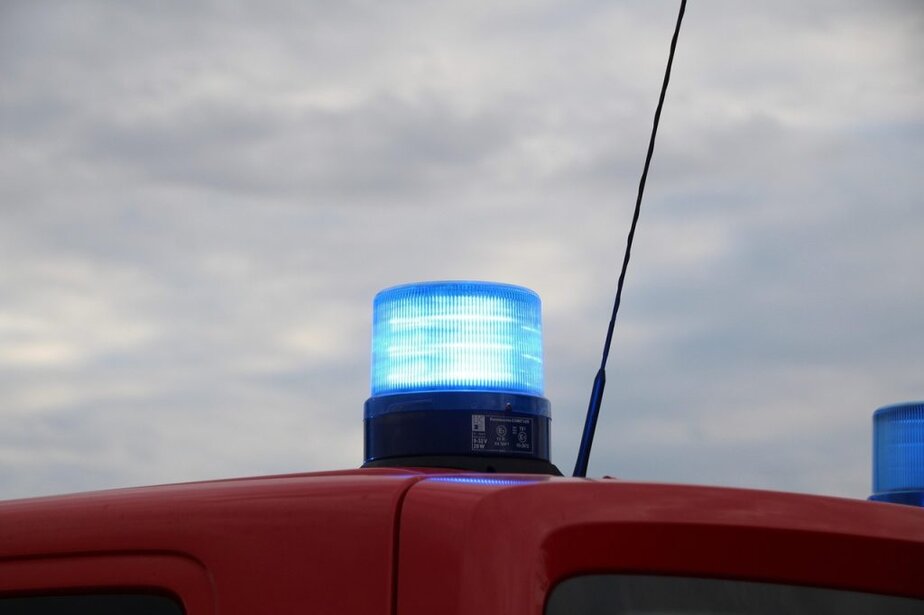
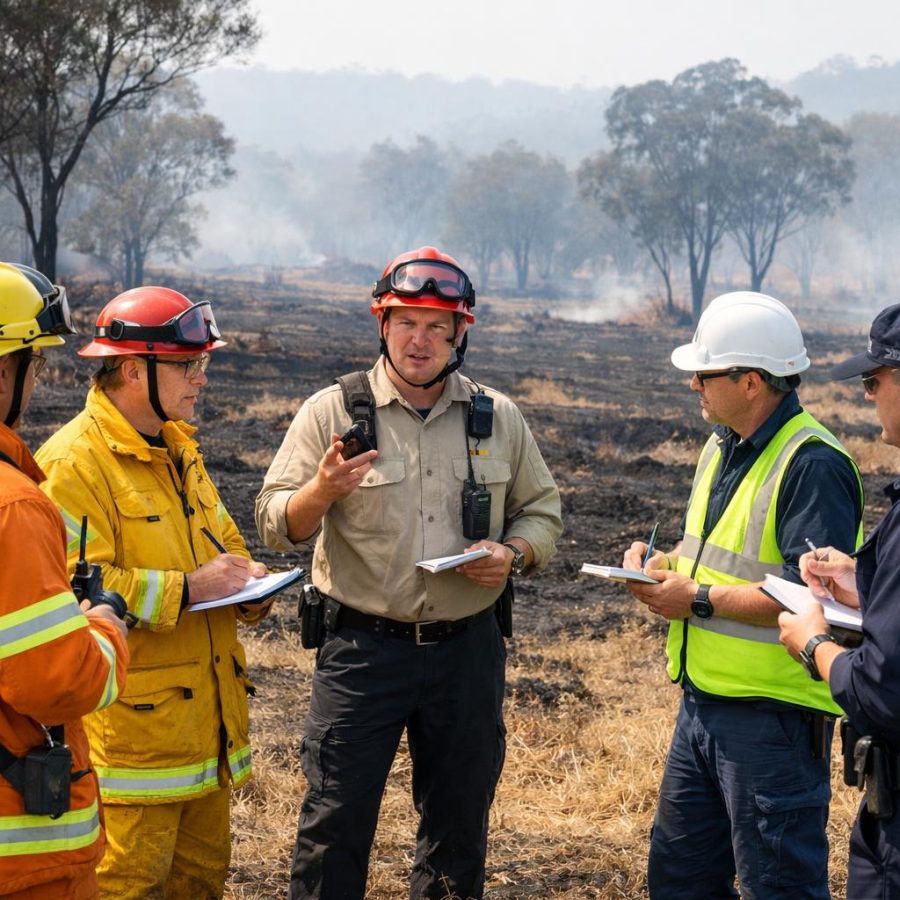
Photo by Marzahn_Hellersdorf_LIVE via PixabayQueensland’s diverse geography, spanning coastal cities, rural towns, and remote areas, demands a robust communication backbone. The GWN’s ability to provide widespread coverage ensures that emergency responders can maintain contact even in the most challenging environments, which is essential for timely evacuations and coordinated firefighting efforts.
Moreover, the importance of such robust communication systems was underscored during recent severe bushfire events in regions like Western Australia and Tasmania, where delayed or fragmented communications complicated response efforts. Queensland’s investment in GWN aims to avoid similar pitfalls by ensuring that responders have real-time, reliable information to act swiftly.
Government Wireless Network: A Communication Backbone
The GWN represents a significant technological upgrade from legacy communication systems. Designed with resilience and interoperability in mind, it offers enhanced network availability and coverage that spans urban, suburban, and regional areas. Importantly, the network provides integrated global positioning capabilities, allowing emergency responders to track resources and personnel in real time.
These features improve situational awareness and facilitate faster, more informed decision-making during critical incidents. By uniting police, fire, and ambulance services on a single platform, the GWN reduces communication silos that have historically complicated interagency coordination.
This integration is particularly vital in Queensland, where diverse geographic and environmental conditions demand rapid, cohesive responses to emergencies ranging from urban fires to flood rescues and bushfire containment.
Moreover, the GWN supports the dissemination of real-time warnings and alerts to both emergency personnel and the public. This capability enhances community preparedness by providing timely evacuation notices and hazard warnings, which are crucial during incidents such as bushfires or severe storms. The network’s reliability ensures that critical messages are delivered without delay, potentially saving lives and reducing property damage.
In addition to improving emergency response, the GWN’s capabilities also play a critical role in post-incident recovery and insurance claims processes. Accurate and immediate communication allows for better documentation of damage assessments, which can expedite claims and relief efforts for affected residents and businesses. This integration between emergency response and recovery phases highlights the network’s comprehensive value beyond immediate crisis management.
Enhancing State Emergency Service Communications
The 2018 allocation of $15 million by the Palaszczuk Government to equip 79 State Emergency Service (SES) groups in South East Queensland with radios on the GWN was a landmark investment. This initiative has since enhanced radio communication capabilities for SES personnel, ensuring more reliable and secure connectivity during disaster response operations.
Prior to this investment, SES groups often faced fragmented communications that hampered coordination, particularly when operating alongside other emergency services. The integration with GWN radios enables SES teams to communicate in real time with police, fire, and ambulance units, improving operational efficiency and safety in the field.
As climate-related disasters increase in frequency and severity, such investments ensure that frontline responders are better equipped with the communication tools necessary to mitigate risk and save lives.
In addition to the hardware upgrades, comprehensive training programs, including fire warden courses, have been introduced to ensure that emergency personnel are proficient in utilising the new communication technologies. These courses focus on incident communication protocols, enhancing the ability of SES and fire service members to coordinate effectively during evacuations and complex incidents.
Training fire wardens is particularly critical in high-risk areas prone to bushfires, such as those experienced in Tasmania and Western Australia. The knowledge gained from these courses empowers local leaders to act as communication hubs during emergencies, supporting the broader network and ensuring timely dissemination of information to communities.
Practical implications for emergency response
The consolidation of fire and emergency services under the Queensland Fire Department, supported by the GWN infrastructure, provides a more cohesive operational framework. For responders, this means streamlined command and control structures, more reliable communications, and enhanced ability to coordinate multi-agency responses efficiently.
For Queensland communities, the benefits are significant. Improved communication networks contribute directly to faster emergency response times and more coordinated disaster management. This can translate into reduced property damage, lower risk to life, and more effective recovery efforts.
Furthermore, the improved communication capabilities facilitate smoother claims processes after incidents. Accurate and timely information sharing among agencies allows for better documentation and assessment of damages, helping residents and businesses to navigate insurance claims and recovery with greater ease.
However, these technological enhancements come with ongoing challenges. Maintaining network security, ensuring system resilience against cyber threats, and continuing to upgrade infrastructure to keep pace with emerging technologies will be critical for sustaining these advances.
Additionally, as Queensland experiences varied incidents, from urban fires to flooding and bushfires, the ability to issue clear warnings and coordinate evacuations is paramount. The enhanced communication framework supports these critical functions, enabling emergency services to issue evacuation orders more efficiently and monitor compliance, thus safeguarding community members during high-risk events.
The improved communication systems also bolster relief efforts by enabling more effective deployment of resources and personnel in the aftermath of disasters. Lessons learned from recent bushfires in Western Australia, where relief operations were hampered by poor communications, have informed Queensland’s approach to integrating technology and training to support both emergency response and recovery phases seamlessly.
Measured reflections and future outlook
While the establishment of the Queensland Fire Department and the rollout of the Government Wireless Network mark substantial progress, it is important to maintain a critical lens on implementation. The success of these initiatives depends not only on technology but also on the training, adaptability, and collaboration of personnel across agencies.
Ongoing funding and political support will be necessary to address emerging challenges such as expanding coverage to remote areas and integrating future digital innovations. Queensland’s emergency services must remain agile and forward-looking to meet the demands of a changing climate and growing population.
Lessons from other regions, such as fire management and communication strategies in the Northern Territory, provide valuable insights into addressing remote area preparedness and incident response. Queensland can benefit from these experiences by adapting best practices to its own unique environment.
Furthermore, the recent experiences with the South Australian fire danger season highlight the critical nature of accurate, timely communication and coordinated response. Queensland’s investments in communication infrastructure and training programs position the state to better handle similar challenges.
Overall, the communication restoration and integration efforts undertaken signify a positive step towards a safer, more resilient Queensland. As the QFD continues to evolve, the lessons learned from this transformation will be vital in shaping the future of emergency services nationwide.
What to do now
Queensland residents can take comfort in the knowledge that emergency services communication systems are becoming more reliable and integrated. However, individuals should also remain prepared by maintaining up-to-date emergency plans, ensuring their devices are charged, and staying informed through official channels during incidents.
Community awareness and cooperation remain essential complements to technological advances in emergency management. Staying alert to warnings and directives from emergency services helps maximise the effectiveness of the improved communication networks in operation.
Residents are encouraged to develop a preparedness checklist that includes clear evacuation routes, emergency contacts, and important documents to take when returning home after an incident. Such proactive measures ensure families can respond swiftly and safely when emergencies arise.
Additionally, engaging with local fire warden training opportunities can further empower community members to assist in communication and coordination during emergencies, enhancing overall resilience.
FireRescue Training Hub
Access practical fire and emergency study support resources, downloads, checklists, audio guides, and member-only course content.
- Course library
- PDF downloads
- Audio guides
- Checklists
Study support only. Not accredited training or a replacement for workplace procedures.
About the author and safety review
Ken Walker
Former Station Officer and fire service educator
Former career firefighter with extensive career and volunteer fire service experience.
Qualifications: Associate Diploma of Applied Science in Fire Technology; Institute of Fire Engineers studies.
Author profilehttps://www.firerescue.com.au/about-us/