News & Updates
Incident Risk Management and Cleanup: Safeguarding Health and Environment in Australia
Key takeaways:
Effective incident risk management is critical to protecting human health and the environment from unforeseen hazards. It requires a structured approach that involves hazard identification, risk assessment, control implementation, and ongoing review.
Australian regulatory bodies such as Safe Work Australia and the Environmental Protection Authorities in Victoria and New South Wales provide comprehensive frameworks and guidance to ensure risks are managed proactively and cleanup efforts are effective.
Background and context
Incident risk management encompasses identifying potential hazards at workplaces and industrial sites, assessing the <a href=”https://www.firerescue.com.au/building-a-resilient-australia-advancing-emergency-<a href="https://www.firerescue.com.au/house-boat-marina-and-river-community-flood-readiness/”>readiness-in-2026/”>likelihood and severity of associated risks, and implementing control measures to reduce or eliminate these risks. This process is essential in Australia, where diverse industries and environments present a wide range of risks that could impact workers, communities, and ecosystems if not properly managed.
Safe Work Australia outlines a systematic approach to managing work health and safety (WHS) risks. This approach highlights the importance of consulting with workers and their representatives throughout the process to ensure that all perspectives are considered and that risk controls are practical and effective (Safe Work Australia Risk Management).
The role of pollution incident response
In Victoria, the Environmental Protection Authority (EPA) requires organisations to develop Pollution Incident Response Management Plans (PIRMPs). These plans provide a framework for preparing for, responding to, and communicating about pollution incidents to minimise harm. Notably, PIRMPs detail notification procedures, clear action steps, and communication protocols to ensure incidents are managed safely and in compliance with environmental legislation.
The EPA’s guidance helps businesses anticipate potential pollution risks and respond promptly, reducing the likelihood of environmental damage and public health impacts. This structured planning is a cornerstone of effective incident management and cleanup efforts (EPA NSW PIRMP Guidance).
Comprehensive risk assessment and management
The EPA Victoria further supports risk management through a detailed process that evaluates the likelihood and consequences of hazards, considers existing control measures, and determines the overall risk level. This evaluation informs the selection and implementation of appropriate strategies to mitigate risks effectively.
By prioritising risks based on their severity and potential impacts, organisations can allocate resources efficiently and strengthen controls where they are most needed. This helps prevent incidents before they occur and ensures a readiness to act when incidents do happen (EPA Victoria Risk Management Process).

Photo by Mohamed_hassan via Pixabay
Addressing major hazards
For major hazard facilities, Safe Work Australia offers a guide for conducting safety assessments that identify potential major incidents, assess their likelihood, and evaluate the severity of consequences. This tool supports operators to critically examine existing control measures and seek improvements to reduce both the chance of incidents and their effects.
Practical implications for incident risk and cleanup
Implementing these structured approaches results in a more proactive stance on incident risk management. By systematically identifying and evaluating hazards, organisations can prevent many incidents from occurring, while also ensuring that if incidents do occur, the response and cleanup are swift and effective.
Effective cleanup reduces the long-term environmental impact and protects community health, which is particularly important in sensitive or densely populated areas. Moreover, adherence to regulatory guidance helps organisations avoid penalties and reputational damage, aligning operational practices with legal and social expectations.
The wellbeing of workers and community members is intrinsically linked to how well incident risks are managed. Organisations that invest in regular first aid refresher courses equip their staff with the skills necessary to provide immediate care during emergencies, thereby reducing injury severity and facilitating quicker recovery. Such training complements broader risk management strategies by enhancing preparedness at the individual level.
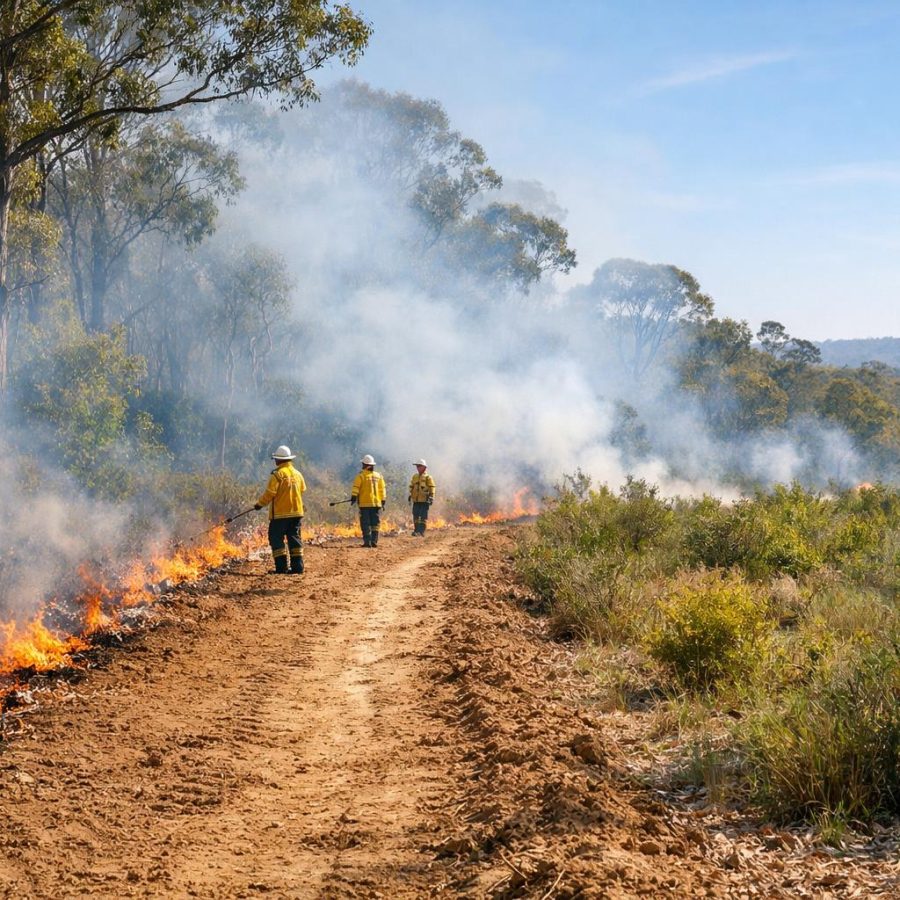
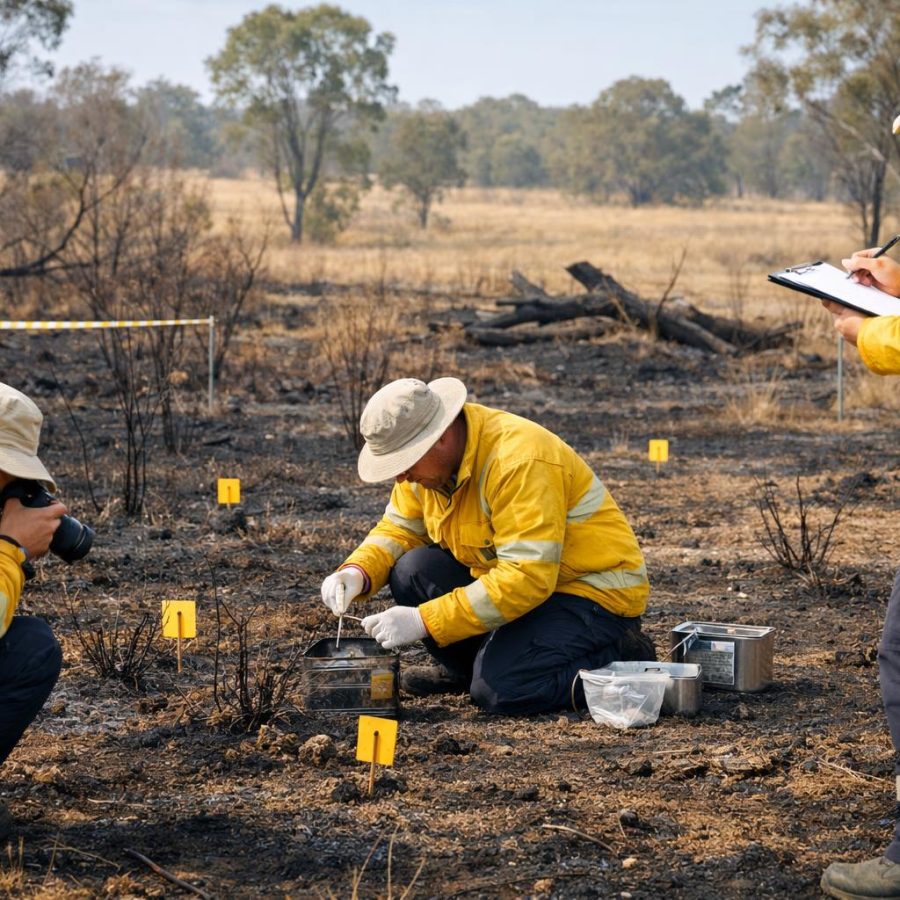
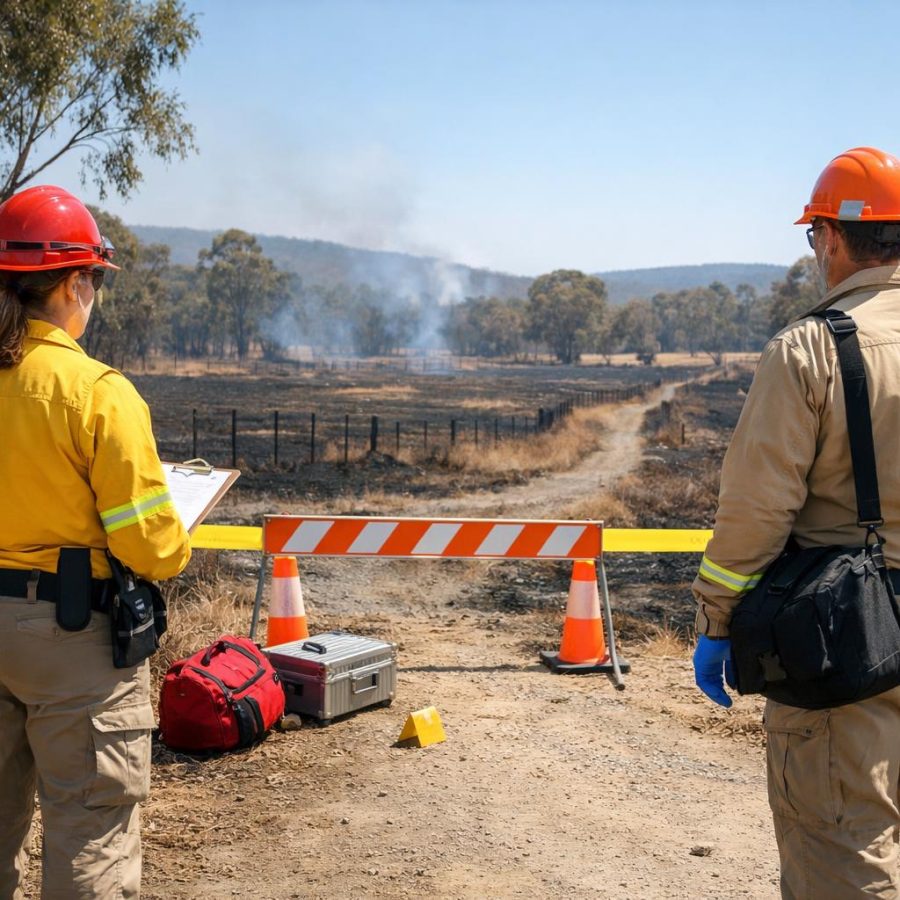
In addition to industrial and workplace hazards, environmental incidents such as bushfires pose significant risks in Australia, particularly in rural areas managed by the NSW Rural Fire Service. These fires can generate large amounts of smoke, which exacerbates respiratory conditions such as asthma. Effective incident management therefore extends beyond immediate fire control to include strategies for mitigating smoke exposure among affected communities. This highlights the importance of comprehensive cleanup and relief efforts that address both environmental damage and public health concerns.
Challenges and areas for improvement
While Australian regulators provide detailed frameworks, challenges remain in consistent implementation across all sectors. Some organisations may struggle with resource constraints or lack of expertise to carry out comprehensive risk assessments and maintain up-to-date PIRMPs. Furthermore, continuous training and worker engagement are essential to keep risk management dynamic and effective.
Involving designated fire wardens in workplaces can significantly enhance emergency preparedness and evacuation procedures. Fire wardens play a critical role in coordinating safe evacuations, conducting regular drills, and acting as points of contact during incidents. Their active participation strengthens organisational resilience and supports the wellbeing of all occupants.
Ongoing review and improvement of risk controls, supported by robust incident reporting and transparent communication, are necessary to adapt to emerging risks and technological developments. Stakeholders must prioritise these activities to enhance overall resilience and safety.
Another area for improvement is the integration of smoke alarm efficacy in incident risk management, particularly in residential and community settings. Smoke alarms provide early warning of fire incidents, allowing occupants to evacuate safely and emergency services to respond more rapidly. Promoting widespread installation and regular maintenance of smoke alarms is a critical mitigation measure that complements broader risk management and cleanup strategies.
What to do now
Organisations should review their current risk management and pollution incident response plans to ensure they meet the standards outlined by Safe Work Australia and relevant EPAs. This includes consulting with workers and reviewing controls regularly to identify gaps.
Investing in training and fostering a culture of safety and environmental responsibility will empower workers to identify hazards early and respond effectively. Establishing clear communication channels for incident notification and response ensures all stakeholders are informed and coordinated during emergencies.
In addition, integrating prevention strategies into daily operations can reduce the frequency and severity of incidents. This might involve routine maintenance of equipment, strict adherence to operational protocols, and promoting awareness around potential hazards. Prevention not only safeguards health and environment but also contributes to smoother recovery and relief efforts when incidents occur.
For communities affected by incidents, timely and effective cleanup is essential to facilitate a safe return home. This includes removal of hazardous materials, remediation of contaminated sites, and restoration of natural environments. Collaboration between government agencies, local services, and affected residents can enhance relief efforts and promote resilience.
By embracing these principles, Australian businesses and communities can better protect health, safeguard the environment, and meet regulatory obligations with confidence.
FireRescue Training Hub
Access practical fire and emergency study support resources, downloads, checklists, audio guides, and member-only course content.
- Course library
- PDF downloads
- Audio guides
- Checklists
Study support only. Not accredited training or a replacement for workplace procedures.
About the author and safety review
Ken Walker
Former Station Officer and fire service educator
Former career firefighter with extensive career and volunteer fire service experience.
Qualifications: Associate Diploma of Applied Science in Fire Technology; Institute of Fire Engineers studies.
Author profilehttps://www.firerescue.com.au/about-us/