Incident Planning Essentials
Key takeaways: Effective incident plans balance the need to defend property and protect lives through timely evacuation. Clear pre-incident planning, situational awareness, and communication are critical to success.
Australian <a href="https://www.firerescue.com.au/understanding-fire-growth-spread-and-ventilation-effects-in-firefighting/”>firefighters must operate within a framework that respects safety standards and local regulations, while adapting to the unique conditions of each incident. Understanding when to defend and when to evacuate can save lives and reduce harm.
This guide offers practical steps for developing and executing an incident plan focused on defend and evacuate strategies, with sensible trade-offs for real-world situations.
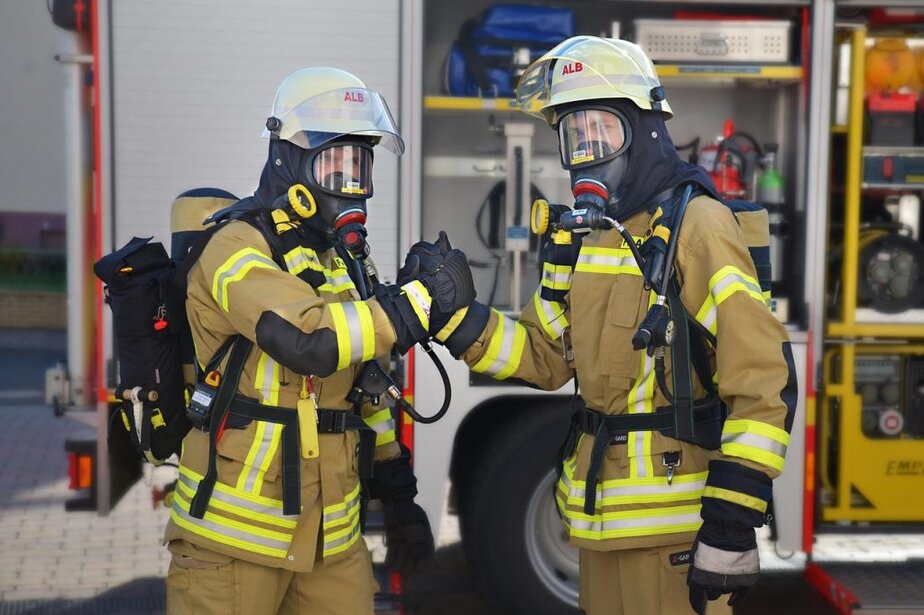
Photo by Freak06 via Pixabay
Understanding the Defend and Evacuate Approach
The defend and evacuate approach is a fundamental strategy for managing emergencies involving fire and hazard incidents. It requires a balanced assessment to decide when firefighters and occupants should actively defend structures and when to prioritise evacuation to safety.
In Australia, with its diverse environments and frequent bushfire risks, incident commanders must rapidly evaluate conditions, risks, and resources. This approach aligns with high-level Australian safety standards, which emphasise risk management, clear communication, and the welfare of all involved.
A critical component of this strategy is integrating local firefighting bodies such as the Country Fire Authority (CFA) and the Tasmania Fire Service (TFS), whose expertise and community knowledge enrich the planning and response phases. These organisations have developed robust survival plans that account for unique regional challenges, which can be adapted and adopted by other firefighting teams.
Additionally, understanding the types of fires encountered is vital. For example, Class F fires, which involve cooking oils and fats, require specific extinguishing agents like wet chemical fire blankets or foam, not water. Firefighters must be equipped with the right tools and knowledge to safely tackle these hazards during defence operations.
Step 1: Pre-Incident Planning and Risk Assessment
Before an incident occurs, preparation is key. Incident plans should be developed for areas at risk, incorporating local knowledge, weather patterns, and infrastructure vulnerabilities.
Risk assessments must identify:
The likelihood and potential severity of fire spread, structural integrity of buildings, availability of water sources, access routes, and the presence of vulnerable populations such as elderly or disabled residents.
Pre-incident planning also includes mapping evacuation routes, identifying safe refuge areas, and establishing communication protocols with local authorities and communities.
Hydration is another essential factor often overlooked in planning. Firefighters operating in intense heat and smoke must have ready access to water and electrolyte replenishment to maintain physical and cognitive performance. Ensuring hydration stations are integrated into operational plans can prevent heat-related illnesses during prolonged incidents.
Insurance considerations also play a role in mitigation strategies. Encouraging communities to have appropriate insurance coverage can facilitate quicker recovery after fire incidents. Firefighters can support this by educating residents on the importance of mitigation measures that reduce potential claims, such as clearing combustible debris and maintaining fire hoses and reels for immediate use.
Step 2: On-Scene Assessment and Situational Awareness
Upon arrival, incident commanders should conduct a rapid but thorough assessment of the scene. This includes evaluating fire behaviour, weather conditions, available resources, and the readiness of occupants to evacuate or assist in defence.
Maintaining situational awareness means continuously monitoring changes such as wind shifts, fire intensity, and structural conditions. The decision to defend or evacuate must be adaptable to evolving circumstances.
Utilise all available communication channels to gather intelligence and coordinate with other responding agencies.
Respirator use is critical during on-scene operations, particularly when smoke inhalation risk is high. Firefighters should ensure their personal protective equipment, including respirators, fits correctly and is maintained throughout the incident. This not only protects health but also supports sustained operational effectiveness.
Fire hoses and reels should be inspected and ready for immediate deployment. Their correct use can slow fire spread and protect key infrastructure during defence efforts. Familiarity with these tools and their maintenance is essential for all firefighting personnel.
Step 3: Establishing Clear Communication and Command Structure
Effective communication is the backbone of incident management. Implement a clear command structure that defines roles and responsibilities early in the response.
Ensure all personnel and community members understand evacuation signals, defence tactics, and muster points. Use plain language and avoid jargon to reduce confusion.
Coordinate with emergency services to keep the public informed of imminent risks and instructions.
Community engagement before incidents can improve communication outcomes. Educating residents on evacuation procedures and defence options through local fire authorities like the CFA helps build trust and compliance during emergencies.
Regular communication drills and updates on incident progress maintain morale and situational awareness among firefighters and support personnel. These practices help prevent miscommunication that could jeopardise safety or delay critical actions.
Step 4: Defend Strategies – When and How to Protect Property
Defend strategies are appropriate when there is a reasonable chance to control or contain the fire without compromising firefighter or occupant safety.
Key actions include:
Establishing safe zones around structures, applying protective sprays or wetting down vulnerable assets, and clearing flammable materials from around buildings.
Firefighters should work in teams, maintain clear escape routes, and wear full protective equipment. Constant risk reassessment is essential; if conditions worsen, evacuation must be initiated immediately.
Prevention is central to defend strategies. This means implementing fuel reduction measures well before fire season, such as controlled burns and vegetation management. These actions can significantly reduce fire intensity, making defence more achievable and safer.
The use of fire blankets can be an effective tool during defence to smother small fires or protect individuals from flames. Firefighters should be trained in the appropriate deployment of fire blankets as a supplementary defence measure, especially when dealing with class F fires or flare-ups in confined spaces.
Step 5: Evacuation Procedures – Prioritising Life Safety
Evacuation is the preferred course of action when fire threats exceed the ability to defend safely, or when occupants are vulnerable.
Practical steps include:
Issuing clear evacuation warnings early, guiding occupants to predetermined safe zones or community shelters, and ensuring transportation and assistance for those with mobility challenges.
Maintain accountability by using roll calls or checklists and keep communication lines open to update evacuees on changing conditions.
Evacuation plans must also factor in the needs of animals and livestock, which are integral to many Australian rural communities. Coordinating with local agencies and community groups can facilitate smoother evacuations and reduce stress for residents.
During evacuation, maintaining hydration for both evacuees and responders is critical. Emergency shelters should be stocked with adequate water supplies and electrolyte solutions to support those affected by heat and smoke exposure. Proper hydration aids in reducing heat-related illnesses and supports overall wellbeing during stressful incidents.
Basic First Aid During Incidents
First aid can save lives during evacuations or defence operations. Basic skills such as treating burns, managing smoke inhalation, and controlling bleeding are vital.
Always prioritise calling for professional medical help and follow official first aid guidelines. Encourage all personnel to undertake accredited first aid training to enhance preparedness.
Hydration also plays a vital role in first aid scenarios. Dehydration can exacerbate heat stress or complicate recovery from injuries, so maintaining fluid intake is essential for both patients and responders.
In cases of smoke inhalation, the use of respirators can significantly reduce respiratory distress. Firefighters should carry spare respirator filters and be trained to recognise early signs of smoke-related ailments among themselves and civilians.
If You Only Do Five Things
Understand the local risks and prepare incident plans ahead of time, including evacuation routes and safe zones.
Carry out a thorough on-scene assessment to evaluate when to defend or evacuate, adapting as the situation changes.
Establish and maintain clear communication to coordinate actions and keep everyone informed.
Implement defend tactics only when it is safe and feasible, always with escape routes in place.
Prioritise evacuation for occupants when fire conditions are too dangerous, ensuring vulnerable people receive assistance.
Conclusion
An incident plan that effectively balances defend and evacuate strategies can save lives and reduce property losses in fire emergencies. Australian firefighters must integrate pre-planning, dynamic assessment, communication, and safety protocols into their response.
Remember, no plan replaces professional judgement on the ground — always prioritise safety and flexibility. Continuous training and community engagement enhance the ability to respond successfully when incidents occur.
Incorporating lessons learned from organisations such as the Country Fire Authority and Tasmania Fire Service can provide valuable insights into effective survival plans and risk mitigation. These partnerships strengthen firefighting capabilities and community resilience across Australia.
FireRescue Training Hub
Access practical fire and emergency study support resources, downloads, checklists, audio guides, and member-only course content.
- Course library
- PDF downloads
- Audio guides
- Checklists
Study support only. Not accredited training or a replacement for workplace procedures.
About the author and safety review
Ken Walker
Former Station Officer and fire service educator
Former career firefighter with extensive career and volunteer fire service experience.
Qualifications: Associate Diploma of Applied Science in Fire Technology; Institute of Fire Engineers studies.
Author profilehttps://www.firerescue.com.au/about-us/