Stay Ready, Stay Safe
Key Takeaways
Ember attacks can ignite spot fires far from the main blaze, making early containment critical. Having the right type of fire safety-equipment-in-australia/”>extinguisher ready, and <a href="https://www.firerescue.com.au/practical-emergency-management-a-how-to-guide-for-australian-communities/”>knowing how to use it safely, can prevent minor ignitions from becoming major threats.
Understanding Australian fire safety standards and preparing your home or workplace accordingly helps you respond quickly and confidently. Practice regular maintenance of firefighting equipment, and ensure everyone knows basic safety and first-aid procedures.
This guide offers practical, step-by-step advice tailored for Australian conditions to help you prepare and respond effectively to ember attacks using handheld extinguishers.
Understanding Ember Attacks and Their Risks
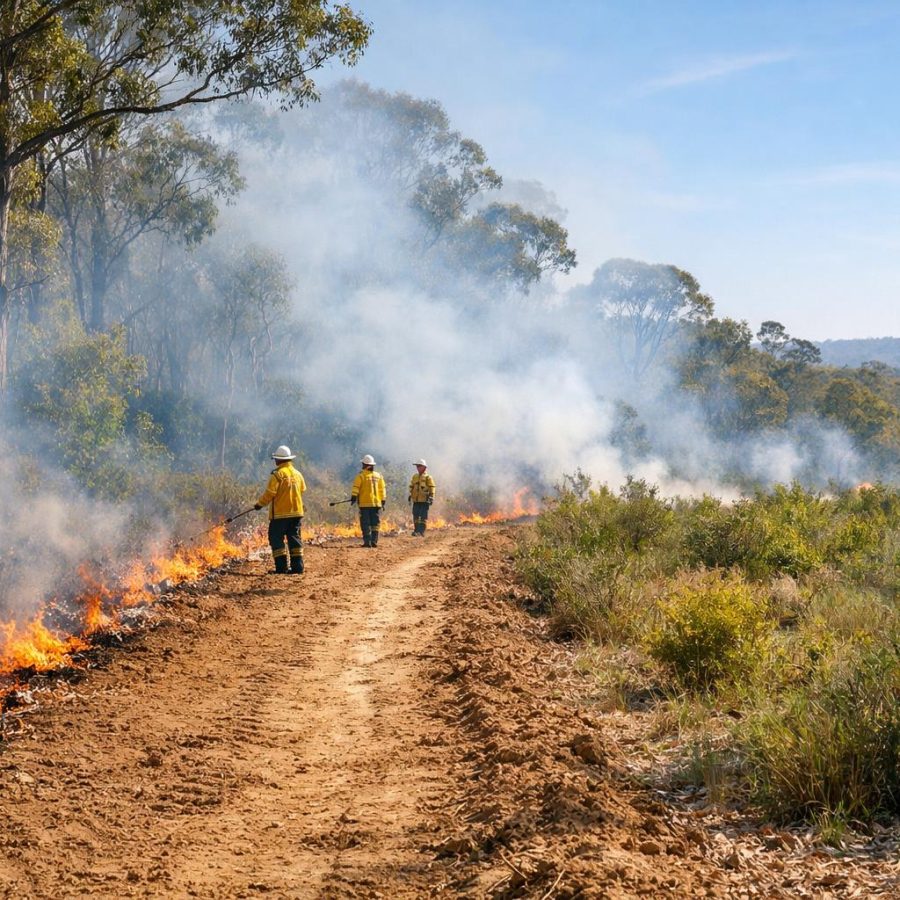
Ember attacks occur when burning fragments or sparks are carried by wind, landing on flammable materials away from the main fire front. These embers can ignite spot fires on your property, garden, or surrounding bushland, often catching residents unprepared. Because embers can travel significant distances, even properties not immediately threatened by flames can face danger.
Prepare your home and surroundings by reducing fuel loads, clearing gutters, and maintaining vegetation. But also equip yourself with the right firefighting tools — primarily, fire extinguishers suited to the types of fires commonly caused by embers.

Photo by GulArt via Pixabay
In addition to physical preparations, hydration plays a crucial role during fire emergencies. Firefighters and residents alike must stay well hydrated to maintain alertness and physical capacity when responding to ember attacks. Dehydration can impair judgment and reaction times, which are vital when using extinguishers or managing fire hoses and reels.
The NSW fire danger ratings system is a valuable resource to monitor during bushfire seasons. Staying informed about fire danger levels helps you decide whether to enact your bushfire plan or prepare to evacuate. High or extreme ratings often coincide with increased ember attack risk, so keeping an eye on these alerts can be lifesaving.
Choosing the Right Fire Extinguisher (Australia)
In Australia, fire extinguishers are labelled for different fire types. Ember attack usually causes small spot fires in mulch, leaves, timber, decking, fences and dry grass (Class A). In many homes, embers can also land near wiring, outdoor power points, air conditioners, pumps, or extension leads—so you must also think about electrical risk.
Water Extinguishers (best for ember attack)
For ember-induced spot fires (Class A), a water extinguisher is usually the best option because it cools the fuel and knocks down small flare-ups fast. This makes it ideal for putting out embers in gardens, under decks, in gutters (only if safe), and around exterior walls.
Important: Do not use water if there’s any chance electricity is involved (live power, appliances, wiring, switchboards, pumps, or damaged cables).
Dry Chemical Powder (DCP) Extinguishers (use if electrical equipment may be involved)
If there is any chance electrical equipment is involved, use a dry chemical powder (DCP) extinguisher. DCP units are suitable for Class A fires and are also used where electrical hazards may be present (often referred to in Australia as electrical equipment fires).
DCP is a good “safer choice” when you can’t be 100% sure the area is free of live electricity.
Foam Extinguishers
Foam can help on some fires, but for ember attack it’s generally less practical than water, and it’s not the right choice if electrical equipment may be involved.
Bottom line: For ember attack, water is best for quick knockdown of Class A spot fires. But if there’s any chance of electricity (wiring, appliances, pumps, power points), switch to a dry chemical powder (DCP) extinguisher instead.
How to Prepare Your Fire Extinguisher for Ember Attacks
Preparation is key. Simply owning an extinguisher isn’t enough — you must ensure it is well maintained and accessible. Follow these practical steps:
Place extinguishers near likely ember strike zones such as garden sheds, wood piles, or near entrances. They should be mounted or stored in a clearly visible, easily reachable spot.
Regularly check the pressure gauge to ensure the extinguisher is charged. Inspect for physical damage, rust, or corrosion. Australian standards recommend servicing by a licensed professional annually.
Ensure all household or workplace members know the extinguisher’s location and how to operate it. Consider running simple drills to build confidence.
In addition to handheld extinguishers, having access to fire hoses and reels can greatly enhance your ability to combat ember fires, especially larger spot fires that may quickly become unmanageable with extinguishers alone. Familiarise yourself with their operation and ensure they are maintained and ready for use.
It’s also wise to integrate smoke detectors into your home, particularly in areas prone to ember intrusion. Early detection of smoke can give you precious extra minutes to respond with your extinguisher or implement your bushfire plan. Smoke detectors can serve as an early warning system to alert you to ember-induced fires before they spread.
Using Your Fire Extinguisher: Step-by-Step Guide
In the event of spotting ember ignitions, responding quickly and safely can limit damage. Follow these steps carefully:
1. Assess the Situation
Ensure your safety first. If the fire is large or spreading rapidly, evacuate immediately and call emergency services. Only attempt to use an extinguisher for small, contained fires you can approach safely.
2. Select the Appropriate Extinguisher
Use a dry chemical powder extinguisher for vegetation or electrical ember spots. Do not use water extinguishers on electrical fires.
3. Use the PASS Technique
Pull the pin to unlock the extinguisher. Aim the nozzle at the base of the fire. Squeeze the handle to release the agent. Sweep the spray side to side across the fire base until extinguished or the extinguisher is empty.
4. Maintain a Safe Distance
Stand several metres away initially, moving closer as the fire diminishes. Always keep an escape route clear behind you.
5. Monitor for Rekindling
Even after extinguishing, embers can re-ignite. Stay vigilant and be ready to act if flames return.
Basic First Aid for Ember-Related Burns
If you or someone nearby suffers a burn while responding to ember fires, follow these first aid basics:
Immediately cool the burn with cool (not cold) running water for at least 20 minutes to reduce heat and pain.
Remove tight clothing or jewelry near the burn site but do not peel off anything stuck to the skin.
Cover the burn loosely with a sterile, non-fluffy dressing or clean cloth.
Avoid applying creams, oils, or ice directly. Seek medical attention promptly, especially for larger or deeper burns.
Formal first aid training is highly recommended to properly manage burns and other injuries during emergencies.
If You Only Do Five Things
Know where your fire extinguisher is stored and ensure it’s suitable for ember-related fires.
Perform monthly visual checks and arrange annual professional servicing to keep extinguishers ready.
Practice the PASS method with all household members or staff so everyone is confident in use.
When spotting embers igniting small fires, act quickly but stay safe and have a clear escape path.
Learn basic first aid for burns and encourage formal training for all family or team members.
Managing Power Outages During Fire Emergencies
Power outages commonly occur during bushfires due to damage to electrical infrastructure. This can affect lighting, communications, and the operation of some firefighting equipment. Preparing for outages by having battery-powered torches, charged mobile devices, and backup power sources ensures you can continue to respond effectively to ember attacks even in the dark.
Firefighters often face similar challenges during rescues when power is lost. Being aware of these risks and maintaining clear communication plans with emergency services enhances overall safety.
Risk Reduction Through Preparedness and Property Protection
Reducing fire risk starts with preparedness. This includes not only maintaining extinguishers and firefighting equipment but also implementing property protection strategies. Regularly clearing debris, maintaining fire breaks, and using fire-resistant building materials can significantly lower the chance of ember attacks causing serious damage.
Firefighter rescue operations become more manageable in well-prepared environments, where hazards are minimized and access points are clear. Supporting local fire services by maintaining your property according to fire safety guidelines contributes to community resilience.
Drought conditions, which affect many regions including parts of Western Australia, exacerbate bushfire risks by drying out vegetation and increasing ember production. Monitoring drought status and adapting your bushfire plan accordingly can help mitigate these elevated risks.
Final Thoughts
Ember attacks are a real and growing threat in many parts of Australia. Equipping yourself with the right fire extinguisher and knowing how to respond can make a significant difference in protecting your property and loved ones.
Remember, fire safety is about preparation, quick action, and staying calm. Combine your extinguisher readiness with good home maintenance and clear emergency plans for the best possible outcomes.
For more detailed guidance, always consult with local fire authorities and consider professional fire safety assessments tailored to your region and property.
FireRescue Training Hub
Access practical fire and emergency study support resources, downloads, checklists, audio guides, and member-only course content.
- Course library
- PDF downloads
- Audio guides
- Checklists
Study support only. Not accredited training or a replacement for workplace procedures.
About the author and safety review
Ken Walker
Former Station Officer and fire service educator
Former career firefighter with extensive career and volunteer fire service experience.
Qualifications: Associate Diploma of Applied Science in Fire Technology; Institute of Fire Engineers studies.
Author profilehttps://www.firerescue.com.au/about-us/