Fire Safety Essentials
Keeping your home and family safe from fire starts with simple, practical steps. A home fire safety checklist tailored for Australian conditions helps you identify risks and take action before a fire starts.
This guide covers what to check, how to maintain safety devices, and common mistakes to avoid. Following official advice from local fire services will ensure you are well prepared and informed.
Understanding Fire Risks in Australian Homes
Australian homes face unique fire hazards due to climate, building styles, and common household practices. Dry conditions, bushfire seasons, and the use of gas or electrical systems can all increase fire risk. Understanding these risks helps you focus your safety efforts where they matter most. Regularly reviewing your home’s fire safety checklist Australia ensures you stay ahead of potential dangers.
Most home fires start in the kitchen, but faulty electrical wiring, heating appliances, and careless use of candles or cigarettes are also common causes. Taking a room-by-room approach can help spot hazards early.
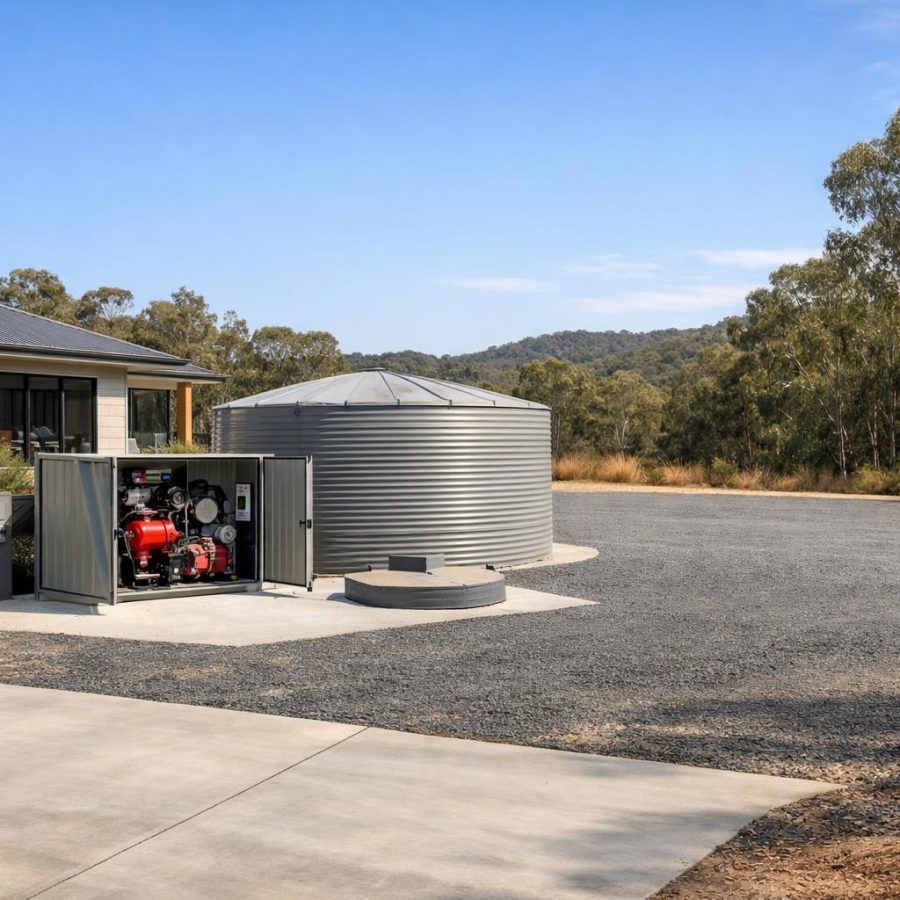
In addition to these common causes, it is important to be aware of seasonal factors such as the heightened risk of bushfires during the dry Australian summer months. Homes near bushland or in rural areas require additional precautions including creating defensible space, using fire-resistant building materials, and having emergency water supplies. Urban homes are not immune either; even a small electrical fault or unattended cooking can rapidly escalate. Awareness and vigilance are key components of fire prevention.

Key Home Fire Safety Measures to Check Regularly
Smoke Alarms
Smoke alarms save lives by giving early warning of fire. In Australian homes, they must comply with Australian Standard AS 3786 and be installed in every bedroom, hallway, and on each level. Test alarms monthly and replace batteries yearly or as recommended. Replace smoke alarms every 10 years to ensure reliability.
It’s also advisable to consider interconnected smoke alarms where possible, so when one detects smoke, all alarms sound simultaneously. This is especially beneficial in larger or multi-level homes, providing an early alert throughout the property. Additionally, ensure that smoke alarms are not obstructed by paint or dust, and avoid installing them near kitchens or bathrooms where steam or cooking fumes can cause false alarms.
Fire Extinguishers and Blankets
Keep a fire extinguisher and fire blanket in easily accessible places, especially in the kitchen. Learn how to use them correctly, and check expiry dates annually. Make sure all household members know where they are and how to operate them safely.
Fire extinguishers come in different classes suitable for various types of fires such as electrical, grease, or solid combustibles. Understanding which type is appropriate for your home environment is critical. Regularly inspect extinguishers for pressure levels and any signs of damage. Fire blankets are particularly useful for small kitchen fires, such as those involving frying oils, and can also be wrapped around a person if their clothing catches fire.
Electrical Safety
Inspect power cords and electrical outlets for damage or overloading. Avoid running cords under carpets or near heat sources. Replace faulty appliances and use safety switches to reduce the risk of electrical fires. Have qualified electricians inspect wiring if you notice flickering lights or frequent circuit trips.
Electrical faults are a significant cause of house fires and can often be prevented by simple maintenance. Never use damaged or frayed cords, and avoid daisy-chaining power boards. Safety switches (RCDs) can cut power quickly during faults, greatly reducing fire risk. Consider upgrading older homes with modern wiring and circuit breakers to meet current safety standards.
Heating and Cooking Appliances
Maintain gas heaters, wood stoves, and fireplaces according to manufacturer instructions. Keep flammable items away from heaters and never leave cooking unattended. Clean range hoods and stovetops regularly to prevent grease build-up, which can ignite quickly.
When using heating appliances, ensure proper ventilation to avoid carbon monoxide build-up. Regular servicing by qualified technicians can identify potential hazards such as gas leaks or faulty components. When cooking, avoid wearing loose clothing that might catch fire, and keep children and pets at a safe distance from heat sources.
Outdoor Fire Hazards
Clear leaves, dry grass, and debris from around your home, especially during the warmer months. Store firewood and flammable liquids away from the house. Follow local fire bans and warnings during bushfire season to reduce risk.
Creating a defensible space around your property by maintaining vegetation and removing combustible materials can significantly reduce fire spread. Use non-flammable mulch and keep gutters free of leaves. When disposing of ashes or embers from barbecues or fire pits, ensure they are fully extinguished and cool before discarding. Adhere strictly to local regulations regarding outdoor burning to prevent accidental fires.
Common Fire Safety Mistakes to Avoid
Many home fires result from simple oversights. Using candles unattended, overloading power boards, or neglecting smoke alarm maintenance can have serious consequences. Avoid storing combustible materials near heat sources or blocking escape routes with furniture or clutter.
It is also common to underestimate the importance of a fire escape plan. Planning and practising a quick and safe exit can save lives if a fire occurs. Share your plan with all family members and review it regularly.
Another frequent mistake is neglecting to educate all household members, including children and elderly relatives, about fire safety procedures. Everyone should know how to respond calmly in case of fire, including calling emergency services and using fire safety equipment. Regular fire drills can help reinforce these behaviours and reduce panic during an actual emergency.
If You Only Do Five Things
First, install and maintain working smoke alarms in every bedroom, hallway, and level of your home. Test them monthly and replace batteries as necessary.
Second, create and practise a fire escape plan with your family. Make sure everyone knows two ways out of every room and where to meet outside.
Third, ensure cooking is never left unattended, and keep flammable items away from stovetops and heaters.
Fourth, regularly inspect electrical cords and outlets for damage, and avoid overloading power points or extension cords.
Fifth, keep a fire extinguisher and fire blanket in the kitchen and know how to use them safely.
Downloadable A4 Checklist
Print this and keep it somewhere visible. Tick items as you go, it helps under pressure.
Completing these five actions will dramatically improve your home’s fire safety. Remember that fire prevention is a continuous process, so revisit these steps periodically and adapt them as your household changes over time.
Following Official Advice and Local Warnings
Always check the advice from your local fire service or emergency agencies. They provide specific warnings about bushfire risks and safety updates during high-risk periods. Following their guidance can help you prepare and respond effectively.
Engage with community fire safety programs and stay informed about fire regulations in your area. Some councils offer home fire safety checks or resources to help you protect your property.
In addition, many states provide mobile apps and websites with real-time alerts, evacuation maps, and safety tips tailored to your location. Signing up for these services ensures you receive timely information that can be critical during emergencies. Participating in local fire safety workshops or volunteer firefighting groups can also enhance your knowledge and community resilience.
Summary and Next Steps
A home fire safety checklist Australia is a practical tool that helps protect your home and loved ones. By regularly reviewing risks, maintaining safety equipment, and following simple precautions, you reduce the chance of fire emergencies.
Start your own checklist today, tailor it to your home’s specific needs, and communicate it with everyone who lives with you. Remember, fire safety is an ongoing priority, not a one-time task.
Consider scheduling regular reviews of your fire safety measures, especially before the bushfire season or after any significant home renovations. Keeping detailed records of maintenance and safety checks can help you stay organised and ensure nothing is overlooked. Investing time in fire safety now can save lives and property in the future.
FireRescue Training Hub
Access practical fire and emergency study support resources, downloads, checklists, audio guides, and member-only course content.
- Course library
- PDF downloads
- Audio guides
- Checklists
Study support only. Not accredited training or a replacement for workplace procedures.
About the author and safety review
Ken Walker
Former Station Officer and fire service educator
Former career firefighter with extensive career and volunteer fire service experience.
Qualifications: Associate Diploma of Applied Science in Fire Technology; Institute of Fire Engineers studies.
Author profilehttps://www.firerescue.com.au/about-us/