Firefighting: Understanding Fire Growth, Spread, and Ventilation Effects in Firefighting 🚒🔥
<h2 id="the-science-of-fire-how-it-starts-and-grows-🏕️🔥”>The Science of Fire: How It Starts and Grows 🏕️🔥
Fire needs three things to exist: heat, fuel, and oxygen. This is called the Fire Triangle. Remove one, and the fire dies—kind of like a sausage sizzle without sausages, a BBQ without gas, or cricket without tea breaks. But when all three are present? Fire spreads fast!
🔥 Stage 1: Ignition
This is when a fire starts. It might be a lightning strike hitting dry grass, a kitchen towel too close to the stove, or—let’s be honest—someone trying to light a mozzie coil but setting the whole deck on fire. At this stage, the fire is small and easy to deal with. A bucket of water or a fire extinguisher usually does the trick.
🔥 Stage 2: Growth (The Fire Gets Hungry)
Now the fire spreads. It feeds on whatever fuel it can find—wood, furniture, petrol, dry leaves. It gets hotter, and the smoke thickens. This is the stage where the wrong move can make everything worse. Ever seen someone open a door, and suddenly a fireball erupts? That’s because fires love oxygen. When we introduce fresh air, flames get bigger and hotter.
🔥 Stage 3: Fully Developed Fire (The Beast Unleashed)
This is the moment when firefighters arrive to absolute chaos. Flames burst from windows. Smoke blackens the air. Fire is in total control, consuming everything. Temperatures can exceed 800°C—that’s hotter than your car’s bonnet in an Aussie summer!
🔥 Stage 4: Decay (The Fire Loses Steam)
Eventually, fires burn out when they run out of fuel or oxygen. But don’t let your guard down—smouldering embers can reignite hours later! That’s why firefighters stay back to blacken out hot spots. Ever noticed firefighters spraying water long after the flames are gone? They’re making sure the fire doesn’t sneak back like an uninvited guest.
How Fire Spreads: Fast, Furious, and Unforgiving 🚀🔥
🔥 Conduction: The Sneaky Spreader
Fire spreads through solid materials. Think of a metal spoon in a hot cuppa—touch the wrong end, and ouch! Fire does this too. Heat travels through walls, floors, and even pipes, lighting surprises in unexpected places.
🔥 Convection: Heat Rises (Just Like in Summer)
Ever wondered why smoke rises fast in a fire? That’s convection—heat moving upward. Hot air carries embers and flames up walls, through ceilings, or into tree canopies. Tall buildings and bushland fires? Major risk zones because flames just keep climbing!
🔥 Radiation: The Invisible Heatwave
Radiation spreads heat without direct contact—like feeling the sun’s warmth on your face. In a bushfire, this is a massive problem. A house can ignite just from nearby flames radiating heat. That’s why fire-resistant building materials and clearing dry vegetation are vital in fire-prone areas.
The Role of Ventilation in Firefighting: Oxygen is Fire’s Best Friend (or Worst Enemy!) 💨🔥
🔥 Natural Ventilation: Fire Finds Fresh Air
Windows, doors, and broken roofs—these openings allow fire to breathe. Ever seen a fire suddenly explode when fresh air swoops in? That’s flashover—when everything in a room ignites at once!
🔥 Tactical Ventilation: Firefighters Control the Beast
Firefighters don’t just throw water at flames; they control smoke and airflow. By breaking windows or cutting holes in roofs, they guide the fire, forcing smoke away and making it safer for people inside. It’s like playing chess—except the opponent is a raging inferno.
🔥 The Danger of Backdraft: When Fire Fights Back
Ever watched a movie where a firefighter kicks open a door, and boom—fire explodes out? That’s backdraft. When a fire smoulders in a sealed room, oxygen levels drop. But the moment a new air source enters? Instant explosion! That’s why firefighters feel doors for heat before opening them—it’s not about being polite to the fire, but about staying alive.
Firefighting in Australia: Bushfires, Structure Fires, and the Aussie Firefighter’s Reality 🇦🇺🔥
🔥 Bushfires: Nature’s Monster
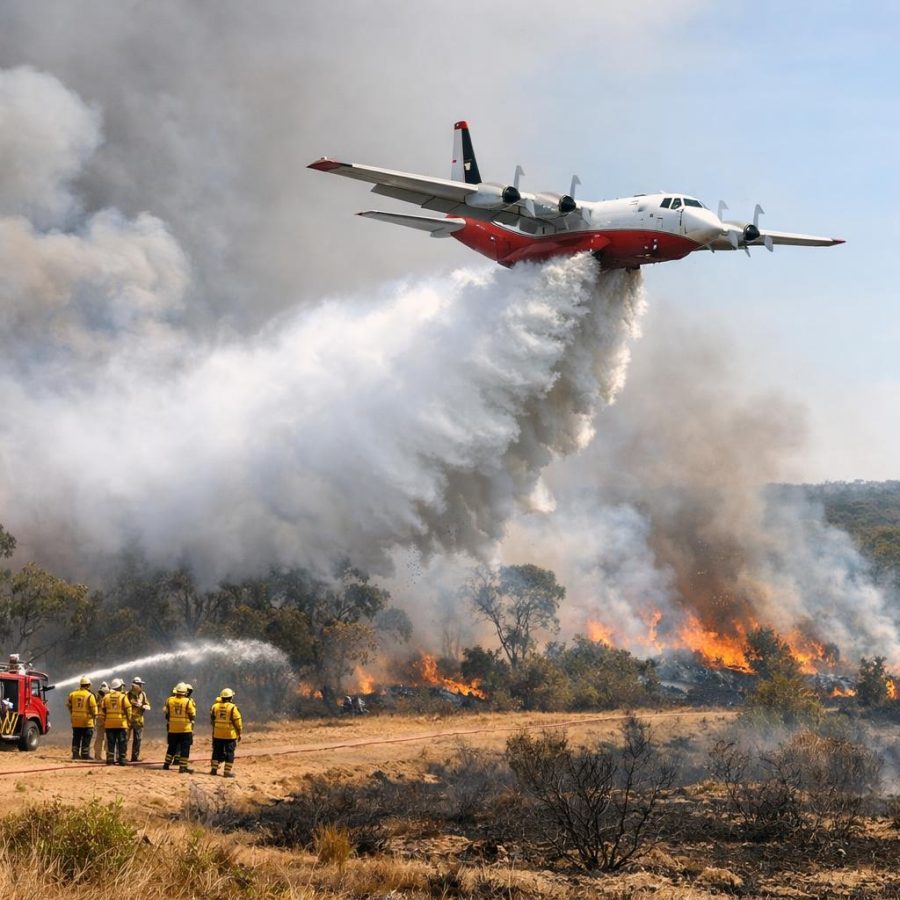
In Australia, bushfires are different beasts. They move fast, driven by fierce winds, dry vegetation, and extreme heat. Firefighters work with water tankers, aerial bombers, and bulldozers to create breaks and stop fire spread. And yes—sometimes, the only option is to retreat.
🔥 Fun fact: Some Aussie native plants need fire to reproduce! Eucalyptus trees release seeds after a fire, which is why new forests grow after devastation.
🔥 Structure Fires: Fighting Inside the Beast
When a house, warehouse, or building catches fire, rescue crews battle flames while searching for people inside. They wear breathing apparatus (BA) suits, crawl through smoke, and control oxygen flow to stop rapid fire spread.
🔥 Life-saving tip: Close doors when evacuating a burning house! It slows fire movement and makes it safer for escaping.
🔥 Urban vs. Rural Firefighting: Two Different Worlds
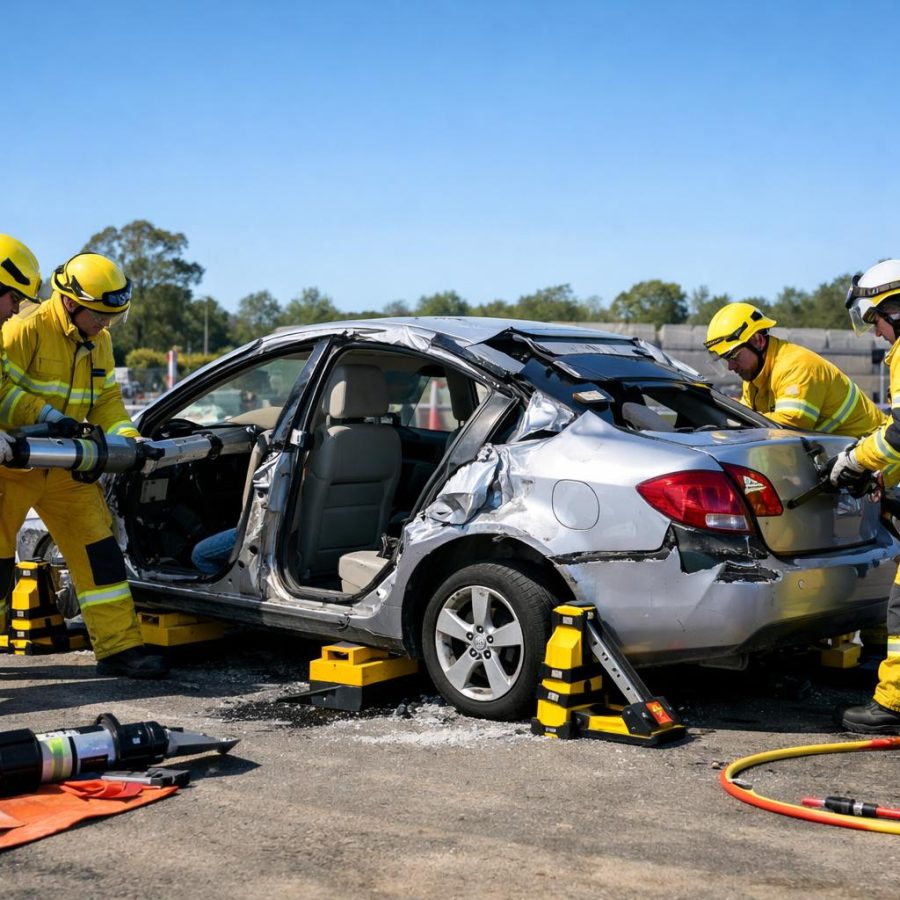
City firefighters deal with house fires, chemical spills, and car crashes. Rural firefighters? They face massive bushfires, grass fires, and unpredictable weather. Whether it’s the CFA in Victoria or NSW RFS, rural fire crews depend on volunteers—everyday Aussies giving up weekends to protect their communities.
🔥 Respect tip: If you see a firefighter at a servo after a long shift—maybe shout them a cold drink. They’ve earned it!
<h2 id="top-5-firefighting-lessons-every-aussie-should-know-🏆🔥”>Top 5 Firefighting Lessons Every Aussie Should Know 🏆🔥
1. Fire Behaves Like a Hungry Animal 🐲🔥
It wants fuel, air, and heat. Take one away, and it weakens. That’s why firefighters cut off fire’s oxygen, remove combustibles, and cool hotspots.
2. Oxygen is Powerful (and Deadly!) 💨🔥
Introducing air too fast can make a fire explode. Firefighters open windows tactically, not randomly—because controlled airflow can save lives.
3. Water Isn’t Always the Answer 💧🔥
Some fires, like oil or electrical fires, get worse with water! Firefighters use foam, gas fire suppression, or dry chemicals instead. Cooking fire? Use a fire blanket, not water—it’s not a backyard slip ‘n slide!
4. Cutting Fire Off at the Source is Key ✂️🔥
Creating firebreaks in bushfires or shutting off gas supplies inside buildings helps stop fire spread. Firefighters win by stopping fire where it starts, not just spraying water everywhere.
5. Fire Can Be Outsmarted 🧠🔥
Firefighting isn’t just brute force—it’s strategy. Understanding heat flow, smoke movement, and fire development means rescuers can beat fire before it’s out of control. Brains over brawn!
Australia’s firefighters—both professionals and volunteers—tackle some of the world’s most dangerous fires. But the more we understand fire, the better we can prevent disasters. So whether you’re in the Outback, a city high-rise, or a quiet suburb, one thing is certain—fire doesn’t mess around, and neither should we! Stay safe, stay fire-smart, and remember… only you can prevent a backyard BBQ from turning into a firestorm! 🔥🚒
💬 What’s your wildest fire-related experience? Have you ever seen a fire spread unpredictably? Drop your stories below! ⬇️🔥
FireRescue Training Hub
Access practical fire and emergency study support resources, downloads, checklists, audio guides, and member-only course content.
- Course library
- PDF downloads
- Audio guides
- Checklists
Study support only. Not accredited training or a replacement for workplace procedures.
About the author and safety review
Ken Walker
Former Station Officer and fire service educator
Former career firefighter with extensive career and volunteer fire service experience.
Qualifications: Associate Diploma of Applied Science in Fire Technology; Institute of Fire Engineers studies.
Author profilehttps://www.firerescue.com.au/about-us/