Health & Safety
Key Takeaways
Recognise food poisoning symptoms early to avoid serious complications. Common signs include nausea, vomiting, stomach cramps, diarrhoea, and fever. Immediate first aid focuses on hydration and rest.
If symptoms worsen or last longer than a couple of days, seek professional medical help. Always follow official Australian health advice to ensure safety for you and your household.
Understanding Food Poisoning
Food poisoning happens when you eat food or drink contaminated with harmful bacteria, viruses, or toxins. In Australia, common sources include raw or undercooked meats, unpasteurised dairy products, and improperly stored foods. Symptoms can appear within hours or days after eating contaminated food.
Understanding the nature of these contaminants is crucial. Bacteria such as Salmonella and Campylobacter are prevalent in raw poultry and eggs, while E. coli often arises from undercooked beef or contaminated water. Viruses like norovirus are highly contagious and often cause outbreaks in communal settings. Additionally, toxins produced by bacteria such as Staphylococcus aureus can cause symptoms rapidly, even if the bacteria are no longer alive in the food.
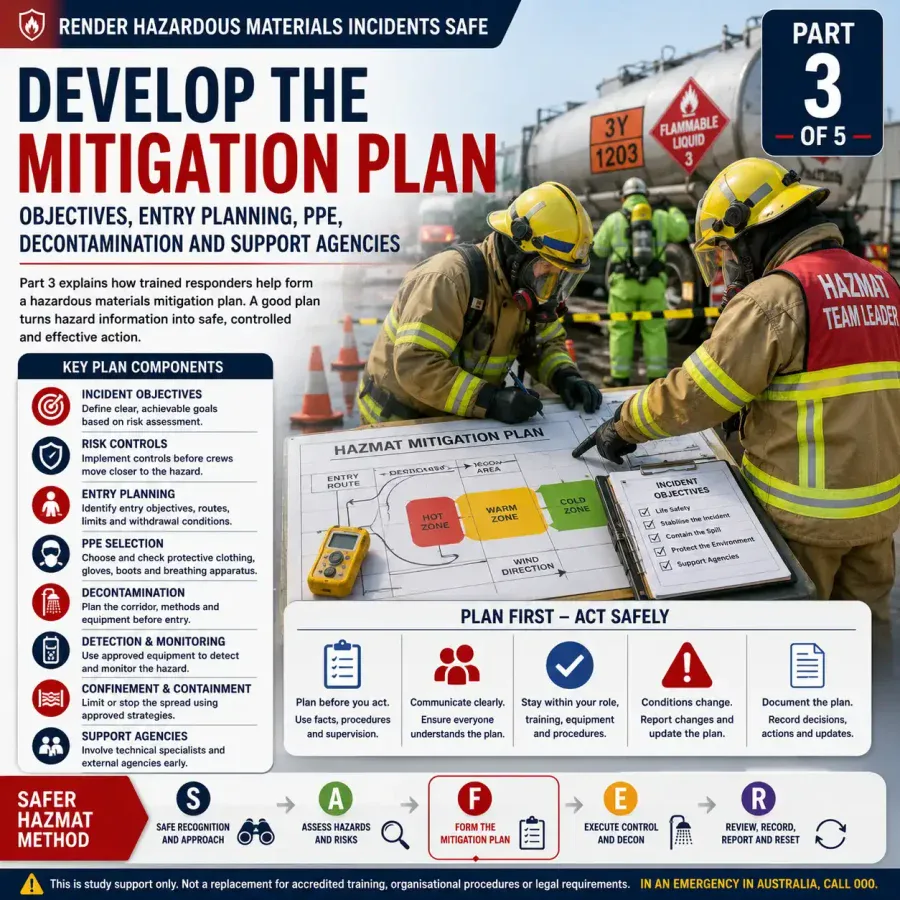
Free Resource · 2026
Food Poisoning
Symptoms &
First Aid
A practical field checklist for emergency responders. Aligned with Australian first aid standards (HLTAID011) and ARC guidelines.
 Free
Free
HLTAID011 · ARC 2024 · For reference only. Does not replace formal first aid training.
Food poisoning is not limited to bacterial and viral infections; in some cases, parasites like Giardia or Cryptosporidium can also contaminate food and water, leading to prolonged gastrointestinal distress. These parasitic infections often require specific treatments and can cause symptoms lasting weeks if not addressed. Knowing the possible causes helps in accurate diagnosis and management.
Common Causes in Australia
Bacteria such as Salmonella, Campylobacter, and E. coli are frequent culprits. Viruses like norovirus can spread through contaminated food or close contact. Sometimes, toxins from certain bacteria cause symptoms even if the bacteria are no longer present.
Environmental factors also contribute to food poisoning risks. Warm Australian climates can accelerate bacterial growth in improperly stored foods. Additionally, food prepared in unhygienic environments or handled by individuals with poor hand hygiene can increase contamination chances. Understanding these risks helps in both prevention and early recognition of symptoms.
In rural and remote areas, contamination of water sources can also be a significant factor, especially after heavy rains or flooding. Consuming untreated water or foods washed in unsafe water may introduce harmful pathogens. Awareness of local environmental conditions and safe water practices is essential to reducing foodborne illness risks.
Food Poisoning Symptoms
Recognising food poisoning symptoms early helps you respond quickly. The main symptoms often include nausea and vomiting, which are the body’s way of trying to clear the harmful substances. Stomach cramps and diarrhoea are common, sometimes accompanied by fever and chills. You might also experience headaches, weakness, or dehydration symptoms like dry mouth and dizziness.
Symptoms can vary depending on the type of contaminant and the individual’s immune response. For example, viral food poisoning may cause more intense vomiting, whereas bacterial infections often result in more severe diarrhoea. Some individuals may also experience muscle aches, fatigue, or joint pain as part of their illness. Recognising these nuanced symptoms can assist in identifying the cause and guiding appropriate care.
In some cases, food poisoning may lead to more serious systemic effects, such as dehydration-induced confusion or low blood pressure. Certain strains of bacteria like Clostridium perfringens and Listeria monocytogenes can cause severe illness, especially in vulnerable populations. Awareness of these potential complications underscores the importance of careful monitoring and timely intervention.
When to Seek Medical Help
If symptoms are severe or last more than 48 hours, or if you see blood in vomit or stools, it’s important to get medical help. Young children, the elderly, pregnant women, and people with weakened immune systems should be extra cautious and consult a doctor promptly in case of any symptoms.
Additional warning signs that require urgent medical attention include persistent high fever (above 38.5°C), severe abdominal pain, difficulty breathing, or signs of neurological issues such as blurred vision or muscle weakness. Early intervention in these cases can prevent complications such as sepsis or long-term organ damage.
If you notice symptoms like persistent vomiting that prevents keeping fluids down, signs of severe dehydration such as rapid heartbeat or lethargy, or if a newborn or infant is affected, seek emergency medical care immediately. Prompt professional evaluation ensures appropriate treatment and monitoring.
First Aid for Food Poisoning
First aid for food poisoning focuses on supporting the body while it fights the infection or toxin. The main goal is to prevent dehydration and rest the digestive system. Begin by stopping solid foods for a few hours to allow the stomach to settle. Small sips of water or oral rehydration solutions should be taken regularly.
Avoid caffeine, alcohol, and sugary drinks as they can worsen dehydration. Once vomiting and diarrhoea ease, you can slowly reintroduce bland foods like crackers, toast, and rice. Maintain good hygiene by washing hands thoroughly to avoid spreading infection to others in your home.
It is important to avoid certain medications unless advised by a healthcare professional. For example, anti-diarrhoeal drugs might delay the elimination of toxins or bacteria and are generally not recommended. Painkillers such as paracetamol may be used sparingly to manage fever or discomfort but avoid non-steroidal anti-inflammatory drugs (NSAIDs) like ibuprofen if there is vomiting or dehydration.
In some cases, probiotics have shown potential in restoring healthy gut bacteria after an episode of food poisoning. While evidence is still emerging, consuming probiotic-rich foods such as yoghurt or supplements may support recovery. However, always consult a healthcare provider before starting any supplements, especially for vulnerable groups.
Additionally, keeping a symptom diary noting the onset and progression of symptoms, foods consumed, and any treatments taken can be helpful if medical advice is needed. This information assists healthcare professionals in diagnosis and management.
Managing Dehydration
Dehydration is the biggest risk in food poisoning cases. Signs include dark urine, dry lips, dizziness, and decreased urination. If dehydration develops, increase fluid intake carefully. Oral rehydration salts (ORS) solutions are ideal and are available at most pharmacies in Australia. If unable to keep fluids down or dehydration worsens, seek emergency medical attention immediately.
In severe cases, intravenous fluids may be necessary to restore hydration and electrolyte balance. This is particularly important for infants, elderly patients, or those with pre-existing health conditions. Prompt recognition and treatment of dehydration can prevent hospitalisation and serious complications.
Maintaining electrolyte balance is as vital as replacing fluids. A lack of sodium, potassium, and other electrolytes can lead to muscle cramps, irregular heartbeats, and other serious issues. Commercial ORS packets contain the correct balance, but homemade solutions with salt and sugar can be used cautiously if necessary.
Preventing Food Poisoning
Good food safety practices remain the best defence. Always wash hands before handling food, cook meats thoroughly, and store leftovers promptly in the fridge. Avoid eating raw or undercooked eggs and meats, and make sure dairy products are pasteurised. Be alert to local food recalls and safety alerts issued by the Australian government or relevant state agencies.
When dining out or ordering takeaway, choose reputable establishments that follow strict hygiene standards. Be cautious with street food or foods that have been left unrefrigerated for long periods. Additionally, pay attention to expiry dates and packaging integrity when purchasing groceries.
Education about food safety is also important for all household members and food handlers. Simple habits, such as avoiding cross-contamination by using separate utensils for raw and cooked foods, and promptly cleaning spills, can dramatically reduce risk. Community awareness campaigns and food safety training are valuable tools in promoting safer food handling.
Safe Food Storage
Keep raw meats separate from other foods to prevent cross-contamination. Refrigerate perishable items within two hours and keep your fridge temperature below 5°C. When reheating food, ensure it is steaming hot throughout. These steps reduce the risk of bacteria multiplying to harmful levels.
Regularly clean kitchen surfaces, utensils, and cutting boards with hot soapy water or disinfectants. Using separate chopping boards for raw meat and vegetables can further reduce contamination risks. Properly sealing food containers and avoiding overfilling fridges also help maintain food safety.
Additionally, be mindful of the shelf life of stored foods, and discard any leftovers that have been kept beyond recommended times. Freezing foods that won’t be consumed soon is a good way to preserve freshness and prevent spoilage. When thawing frozen items, do so in the refrigerator or microwave rather than at room temperature to avoid bacterial growth.
If You Only Do Five Things
First, drink plenty of fluids to avoid dehydration. Small, frequent sips are better if you feel nauseous. Second, rest and give your stomach time to recover by avoiding solid food initially. Third, monitor your symptoms carefully and seek medical advice if they get worse or last more than two days. Fourth, maintain strict hygiene at home to prevent spreading the infection, including regular hand washing. Finally, practice safe food handling and storage to reduce the risk of food poisoning in the future.
By following these five simple steps, you can significantly reduce the impact of food poisoning and protect yourself and your loved ones. Remember that early recognition and appropriate response are key to minimizing complications and speeding recovery.
In addition, keep emergency contact numbers handy and have a basic first aid kit that includes oral rehydration salts and thermometer. Being prepared can make a crucial difference in managing symptoms effectively until professional help is available.
For more detailed guidance, always refer to official resources such as the Australian Government Department of Health or your local health authority. Stay informed and stay safe.
FireRescue Training Hub
Access practical fire and emergency study support resources, downloads, checklists, audio guides, and member-only course content.
- Course library
- PDF downloads
- Audio guides
- Checklists
Study support only. Not accredited training or a replacement for workplace procedures.
About the author and safety review
Ken Walker
Former Station Officer and fire service educator
Former career firefighter with extensive career and volunteer fire service experience.
Qualifications: Associate Diploma of Applied Science in Fire Technology; Institute of Fire Engineers studies.
Author profilehttps://www.firerescue.com.au/about-us/