Floodwaters in Australia can carry harmful bacteria, viruses, and parasites that cause waterborne illnesses. Knowing how to protect yourself and your family after floods is vital to staying healthy.
This guide offers practical steps to reduce risk, identifies common symptoms to watch for, and explains which emergency services to contact. Always follow official advice from your local council, health department, and emergency services.
Understanding Waterborne Illness After Floods in Australia
Floodwaters often mix with sewage, chemicals, animal waste and other contaminants. This creates ideal conditions for waterborne pathogens to spread. In Australia, common illnesses after floods include gastroenteritis, leptospirosis, hepatitis A, and skin infections. These illnesses can affect anyone but may be more serious for young children, elderly people, and those with weakened immune systems.
Waterborne illness symptoms usually appear within a few days of exposure and often start with stomach cramps, diarrhoea, vomiting, fever, or skin rashes. If untreated, some infections can lead to serious complications.
The diversity of pathogens found in floodwaters also means that infections can vary widely in severity and treatment requirements. For example, leptospirosis, a bacterial infection transmitted through water contaminated by animal urine, can cause symptoms ranging from mild flu-like illness to severe organ damage if left untreated. Hepatitis A, a viral infection, can lead to liver inflammation and requires prompt medical attention. Recognising the different types of waterborne illnesses is crucial for ensuring timely and appropriate care.
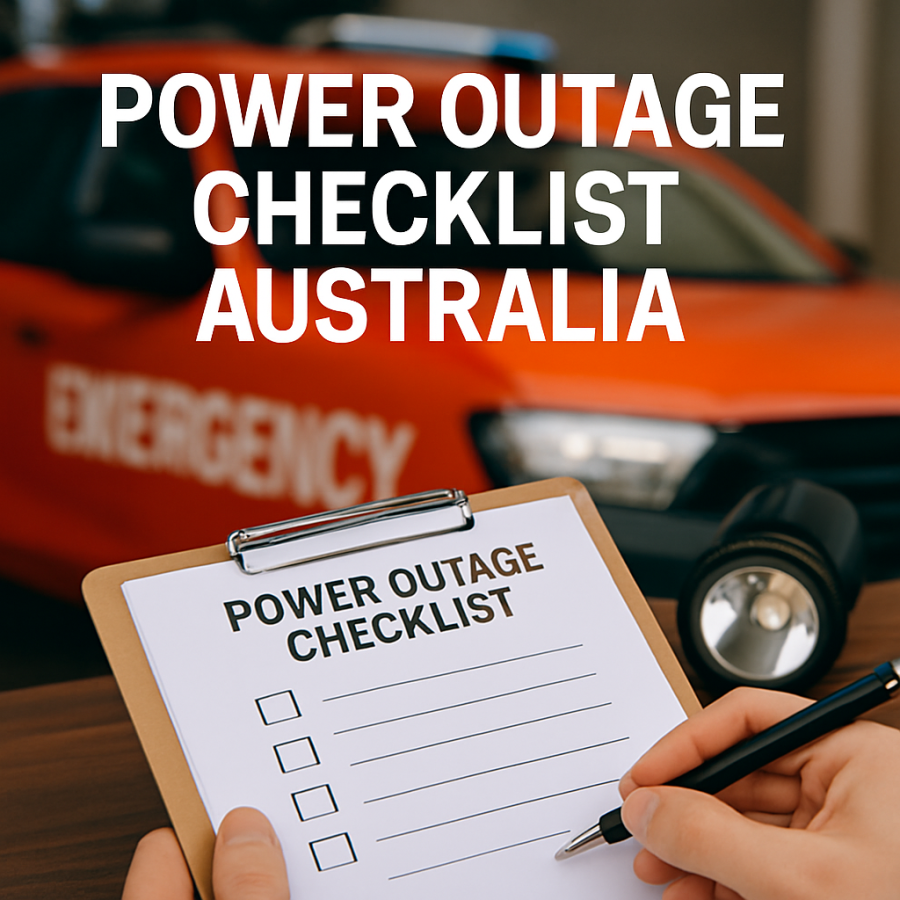
Downloadable A4 Checklist
Print this and keep it somewhere visible. Tick items as you go, it helps under pressure.
Why Floodwaters Are Risky
Flooding can overwhelm sewer systems, allowing human waste to enter waterways. Floodwaters may also disrupt water treatment plants, increasing contamination risks. Flood debris can hold bacteria, and animals displaced by floods may spread disease. Standing water left after floods can breed mosquitoes that carry further diseases.
In addition to biological contaminants, floodwaters often carry chemical pollutants such as pesticides, heavy metals, and fuel residues from damaged infrastructure. These substances can pose additional health hazards, either through direct contact or through contamination of local water supplies. The combination of these chemical and biological hazards makes floodwaters particularly dangerous and unpredictable.
Furthermore, the physical dangers of floodwaters such as submerged sharp objects, unstable ground, and strong currents can increase the risk of injuries that may become infected. Cuts and abrasions exposed to contaminated water are common entry points for pathogens, underscoring the importance of protective clothing and prompt wound care.
Protecting Yourself and Your Family
Avoid contact with floodwater whenever possible. If you must enter flood-affected areas, wear waterproof boots and gloves. Do not swallow floodwater or use it for drinking, cooking, or washing until authorities confirm it is safe.
Use bottled, boiled or properly treated water for all personal and food hygiene needs. Thoroughly wash your hands with soap and water after handling anything wet from the flood. Clean and disinfect any surfaces or items that have come into contact with floodwater using bleach solutions or disinfectants suitable for households.

Photo by TerriAnneAllen via Pixabay
It is also advisable to wear protective clothing such as long sleeves and pants to minimise skin exposure. After contact with floodwater, remove and wash contaminated clothing separately to prevent spreading contaminants within your home. If you have any cuts or grazes, cover them with waterproof dressings before entering flood areas.
When cleaning up after floods, ventilate the area well and use appropriate protective gear such as masks and goggles to avoid inhaling mould spores or harmful chemicals stirred up during cleanup. Dispose of waste materials safely and follow local council guidelines for removal of contaminated items.
Food Safety After Floods
Discard any food that has been exposed to floodwater, including canned goods if damaged or swollen. Avoid eating fresh produce that may have been contaminated. Refrigerators and freezers without power for long periods should be defrosted and cleaned thoroughly before restocking.
Food contamination after floods is a significant source of waterborne illness. Even sealed packages can become unsafe if the outer packaging is compromised, as bacteria can penetrate. It is safer to err on the side of caution and discard questionable food items. Be especially careful with baby food and formula, which should be replaced if exposed to contaminated water.
When re-establishing food storage, clean all shelves and containers with a disinfectant solution. Avoid consuming food from areas prone to flooding until proper sanitation measures are confirmed. If in doubt, consult local health authorities for guidance on food safety in your area.
Recognising Symptoms and When to Seek Help
Common symptoms of waterborne illness after floods include diarrhoea, vomiting, stomach pain, fever, fatigue, and skin infections like rashes or boils. If you or someone in your household develops these symptoms, monitor closely. Stay hydrated and rest.
Seek medical help promptly if symptoms worsen, last more than a few days, or if there are signs of dehydration, blood in stool, high fever, or breathing difficulties. For emergencies, call 000 immediately. For non-urgent health advice, contact your local GP or the Australian Government’s healthdirect helpline on 1800 022 222.
Early diagnosis and treatment of waterborne illnesses can prevent serious complications. Medical professionals may recommend laboratory testing to identify specific pathogens and prescribe appropriate antibiotics or supportive care. Do not self-medicate or delay seeking advice if symptoms are severe or persistent.
In addition to physical symptoms, some waterborne diseases can cause longer-term health effects. For instance, leptospirosis may lead to kidney damage, while hepatitis A affects liver function. Mental health support may also be necessary for those affected by the trauma of floods and illness.
If You Only Do Five Things
First, avoid all contact with floodwater unless absolutely necessary. Second, use safe, treated water for drinking, cooking, and hygiene. Third, wash your hands regularly with soap after flood exposure. Fourth, throw away any food or drink items touched by floodwater. Fifth, watch for signs of illness and seek medical help early if symptoms appear.
Who Does What in Australia
Fire and Rescue primarily handle fires, rescues, and hazardous material incidents during floods. They may also assist with evacuation and safety checks in flood zones.
Police maintain public order, enforce road closures, and help coordinate evacuations during floods.
Ambulance services respond to medical emergencies and provide urgent care to those affected by flood-related illnesses or injuries.
State Emergency Service (SES) specialises in flood rescue, sandbagging, and community assistance during and after floods.
In any life-threatening emergency, call 000 immediately.
Preparing for Future Floods
Understanding the risks of waterborne illness after floods is part of broader flood preparedness. Keep an emergency kit with clean water, food, medicines, and sanitation supplies. Stay informed by monitoring warnings from the Bureau of Meteorology and local councils. Plan evacuation routes and have communication plans with family members.
After floods, follow instructions from local health and emergency authorities about when it is safe to return home, clean up, and resume normal activities. By taking these practical steps, Australians can reduce illness risks and recover safely.
Community education and engagement are also vital in flood preparedness. Local councils and health departments often run awareness campaigns highlighting the dangers of contaminated floodwaters and best practices for hygiene and safety. Participating in these initiatives can enhance community resilience and reduce the overall impact of floods.
Innovations in flood management, such as improved drainage systems and early warning technologies, are progressively being implemented across Australia. Supporting these efforts by adhering to guidelines and reporting hazards helps protect both individuals and the wider community.
FireRescue Training Hub
Access practical fire and emergency study support resources, downloads, checklists, audio guides, and member-only course content.
- Course library
- PDF downloads
- Audio guides
- Checklists
Study support only. Not accredited training or a replacement for workplace procedures.
About the author and safety review
Ken Walker
Former Station Officer and fire service educator
Former career firefighter with extensive career and volunteer fire service experience.
Qualifications: Associate Diploma of Applied Science in Fire Technology; Institute of Fire Engineers studies.
Author profilehttps://www.firerescue.com.au/about-us/