SAFETY NOTICE
When a boil water notice is issued in your area, it means your drinking water may be contaminated. This guide will help you understand what a boil water notice is, why it matters, and how to keep your household safe.
Following clear, practical steps can protect you and your family from waterborne illnesses. Remember to keep up to date with advice from your local water authority and emergency services.
Water is fundamental to daily life, yet it can sometimes become a vehicle for harmful pathogens when contamination occurs. Understanding the protocols around boil water notices empowers residents to act swiftly and decisively, minimizing health risks.
What is a Boil Water Notice?
In Australia, a boil water notice is a precautionary alert issued by water authorities or local councils when the safety of the drinking water supply is uncertain. This could be due to contamination by harmful bacteria, viruses, or other pollutants.
Common causes include pipe breaks, flooding, firefighting operations that affect water quality, or natural disasters. The notice advises residents to boil tap water before drinking, cooking, brushing teeth, or preparing food to eliminate harmful microorganisms.
Boil Water Notice Guide
Know what to do when your water is unsafe. Free A4 brochure — print & keep it handy.
Download Free PDFBoil water notices are not issued lightly; they are based on water quality testing and risk assessments. These notices serve as a critical early warning to prevent the spread of diseases linked to contaminated water. The duration of a boil water notice can vary depending on the severity of contamination and the effectiveness of remedial actions.
Why is this Important?
Contaminated water can cause gastrointestinal illnesses, infections, and other health problems. Certain groups, such as children, elderly people, pregnant women, and those with weakened immune systems, are particularly vulnerable.
Boiling water kills most pathogens and makes it safe to use until the water supply is declared safe again. Ignoring boil water notices may lead to serious health issues and place additional strain on emergency services.
Waterborne diseases can spread rapidly in communities if contaminated water is consumed or used for food preparation. These illnesses can range from mild stomach upset to severe dehydration and long-term health complications. By adhering to boil water notices, individuals contribute to public health efforts that protect the entire community.
How to Safely Boil Water
To ensure water is safe, bring it to a rolling boil for at least one minute. At altitudes above 2000 metres, boil for three minutes. Let the water cool naturally in a clean container, then use it for drinking, cooking, or oral hygiene.
Store boiled water in clean, sterilised containers and keep them covered. Avoid re-contamination by using clean utensils and washing hands before handling water.
It is important to avoid using water that has been boiled and left uncovered or stored in unclean containers, as this can lead to reintroduction of contaminants. Always label boiled water containers to prevent confusion and ensure safe consumption.
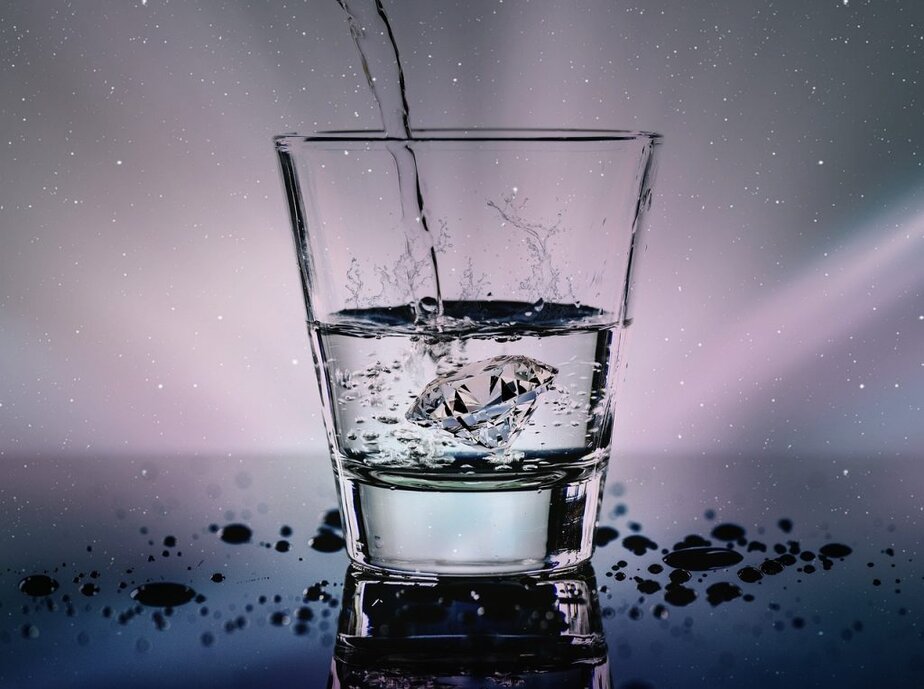
Photo by cocoparisienne via Pixabay
Additional Precautions During a Boil Water Notice
Avoid drinking water directly from the tap. Use boiled or bottled water for babies to prepare formula feeding and for pets to drink. Do not use unboiled water for washing fresh fruits or salads.
Be cautious when using water for washing wounds or cleaning medical equipment; boiled or sterile water is preferable. Avoid consuming ice made from tap water unless it has been boiled.
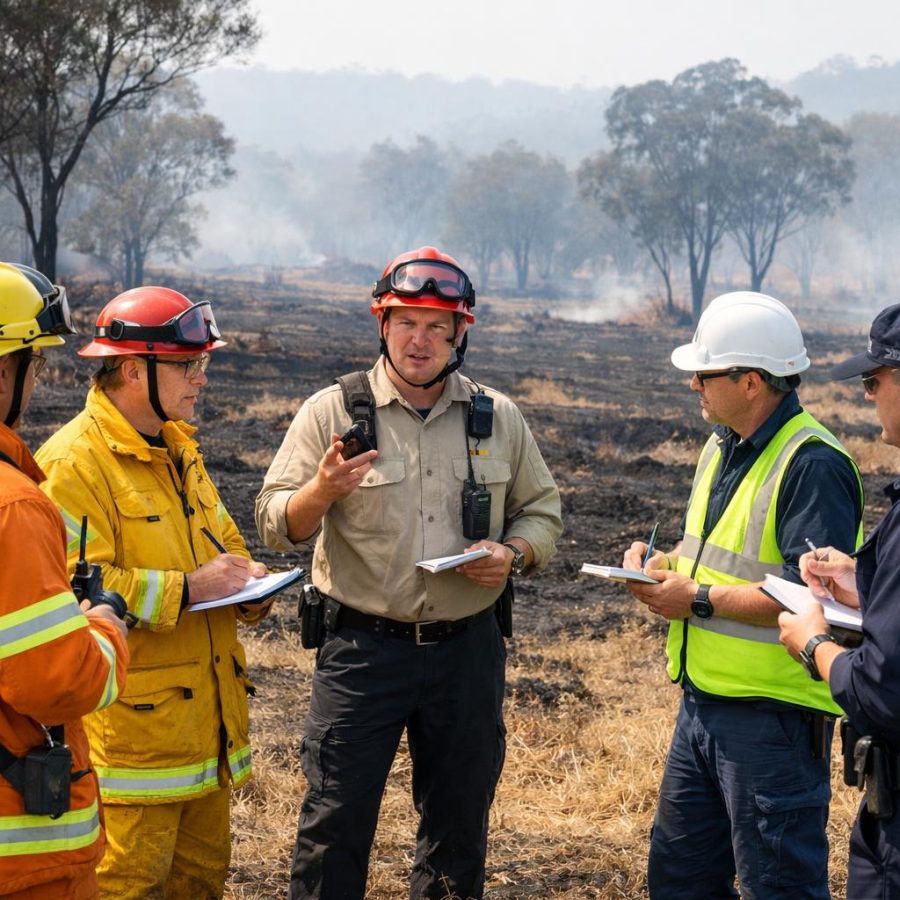
In case of firefighting activity nearby, water contamination risk may increase due to runoff chemicals or sediment entering water supplies. Follow any instructions from Fire and Rescue services carefully.
Furthermore, during a boil water notice, it is recommended to minimize water usage where possible to reduce strain on the water system while authorities work to resolve contamination issues. Use disposable plates or utensils if washing with contaminated water is unavoidable, and maintain good hygiene practices to prevent the spread of pathogens.
Ending a Boil Water Notice
Water authorities conduct regular testing and will announce when it is safe to stop boiling water. Do not assume the risk is over until you receive official confirmation. Continue to follow updates through local council websites, media, or emergency alerts.
After the notice is lifted, flush your home plumbing by running taps for several minutes to clear any remaining contaminated water.
It is also advisable to clean and disinfect household water storage tanks and filters if applicable, as these can retain contaminants. Some authorities may provide specific guidance on how to safely restore your water system to normal use after a boil water notice has been lifted.
If You Only Do Five Things
First, always boil your tap water before using it for drinking, cooking, or cleaning your teeth. This simple action protects your family from harmful germs.
Second, stay informed by checking updates from your local water authority or council websites. They provide the latest advice and safety information.
Third, use bottled or boiled water for vulnerable people such as babies and the elderly to reduce their risk of illness.
Fourth, store boiled water safely in clean, covered containers to avoid re-contamination in your home.
Fifth, if you experience symptoms like vomiting or diarrhoea after consuming water, seek medical advice promptly and call 000 in case of emergencies.
Adhering to these five key actions can significantly reduce your risk of waterborne illness during a boil water notice. Remember, prevention is always better than cure, and taking these steps ensures your household remains safe and healthy.
Who Does What in Australia?
Fire and Rescue: Respond to fires, hazardous material incidents, and support communities during emergencies like floods or chemical spills affecting water supplies.
Police: Maintain public order, assist with evacuations or road closures during emergencies involving water contamination or infrastructure damage.
Ambulance: Provide medical aid to those affected by illnesses caused by contaminated water or other emergencies.
State Emergency Service (SES): Assist with flood rescues, damage assessment, and community support during natural disasters that impact water safety.
Photo by cocoparisienne via Pixabay
Additional Tips for Fire Safety and Water Contamination
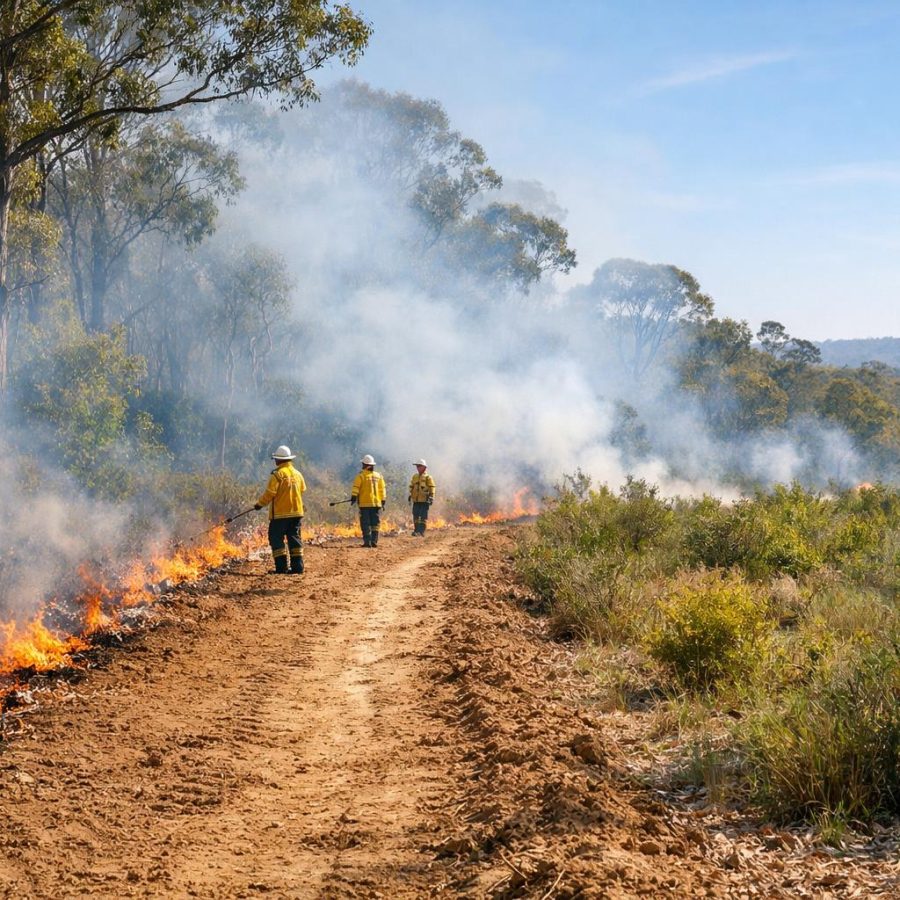
While boil water notices primarily focus on water safety, they can sometimes occur together with fire emergencies, such as bushfires affecting water supply infrastructure.
Keep fire safety in mind by ensuring you have working smoke alarms, a fire extinguisher, and a clear evacuation plan. During firefighting operations, water quality may be disrupted, so always follow boil water advice carefully.
If you use rainwater tanks or bore water, check with local health authorities about any boil water requirements specific to these sources.
Fire emergencies can compromise water infrastructure through damage to pipes or contamination from firefighting chemicals. It is essential to coordinate with local emergency services and water authorities to ensure your water remains safe or to receive timely boil water notices.
What to Do If You Suspect Water Contamination
If you notice changes in your water supply such as discolouration, strange odours, or unusual taste, avoid drinking it. Contact your local water authority immediately to report the issue.
Follow any instructions given and prepare to boil water until tests confirm it is safe. Do not attempt to treat water with chemicals unless advised by professionals.
It is also helpful to check with neighbours to see if they are experiencing similar issues, as this can help authorities identify the scale and source of contamination. In some cases, bottled water distribution points may be established to support affected communities.
Final Reminders
Drinking water contamination boil water notices are an important public health tool. Following official advice and taking simple precautions reduces your risk of illness and supports community wellbeing.
Keep yourself updated, take prompt action, and keep emergency numbers handy. For life-threatening emergencies, always call 000 immediately.
Remember that maintaining safe water practices during a boil water notice not only protects your own household but helps prevent wider outbreaks of disease. Community cooperation and vigilance are key to managing water safety challenges effectively.
FireRescue Training Hub
Access practical fire and emergency study support resources, downloads, checklists, audio guides, and member-only course content.
- Course library
- PDF downloads
- Audio guides
- Checklists
Study support only. Not accredited training or a replacement for workplace procedures.
About the author and safety review
Ken Walker
Former Station Officer and fire service educator
Former career firefighter with extensive career and volunteer fire service experience.
Qualifications: Associate Diploma of Applied Science in Fire Technology; Institute of Fire Engineers studies.
Author profilehttps://www.firerescue.com.au/about-us/