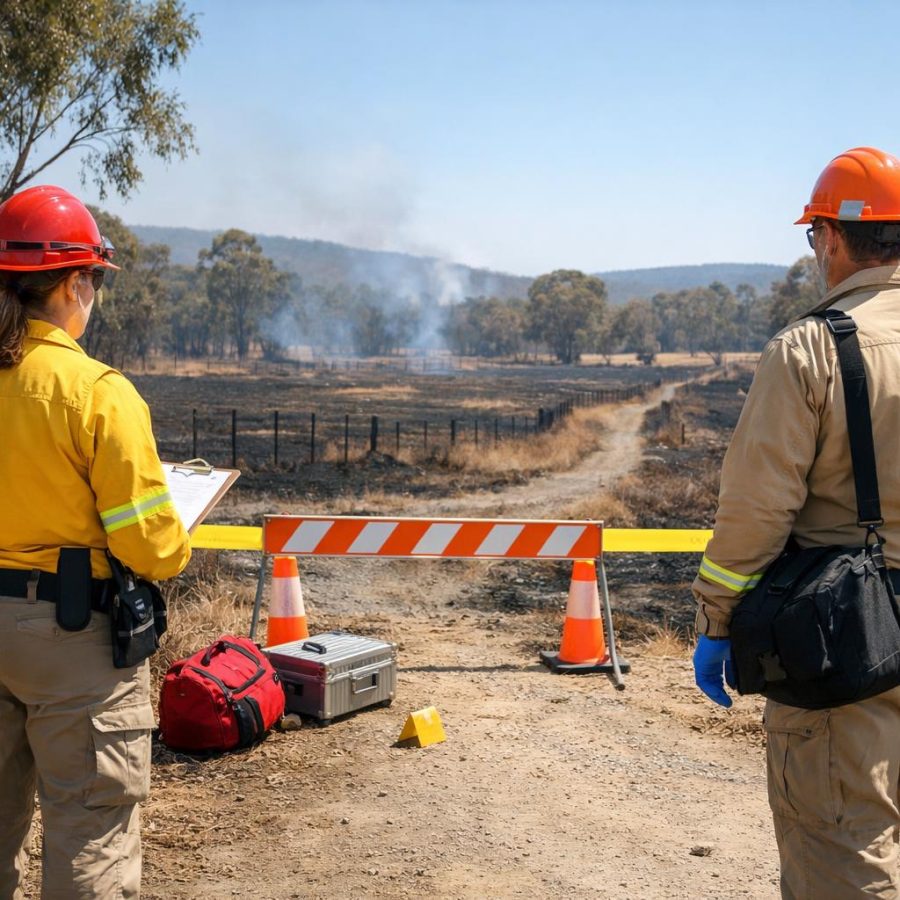
SAFETY GUIDE
Storm Surge Safety For Coastal Homes
Living near the coast in Australia means being prepared for storm surges. These sudden rises in sea level during storms can cause flooding and damage to homes. Taking simple, practical steps can keep your family safe and reduce property damage.
Always pay attention to local official warnings from the SES, Fire/Rescue, and Police. This guide offers clear actions, checklists, and safety advice you can trust to help protect your coastal home from storm surge hazards.
Understanding Storm Surges and Their Impact
A storm surge happens when strong winds and low atmospheric pressure from a storm push seawater onto the shore. This water rise can flood coastal areas quickly, impacting homes, roads, and infrastructure. It is especially dangerous when combined with high tides.
Storm surges can cause significant structural damage, disrupt power, and create conditions where fire risks increase due to electrical faults or gas leaks. Knowing how storm surges affect your area helps you plan your safety measures effectively.
Beyond the immediate flooding, storm surges can also lead to erosion of the coastline, which can weaken natural buffers such as sand dunes and cliffs. This erosion not only increases vulnerability to future storm surges but can also impact local ecosystems and biodiversity. Understanding these broader effects highlights the importance of preparedness and community-wide resilience efforts.
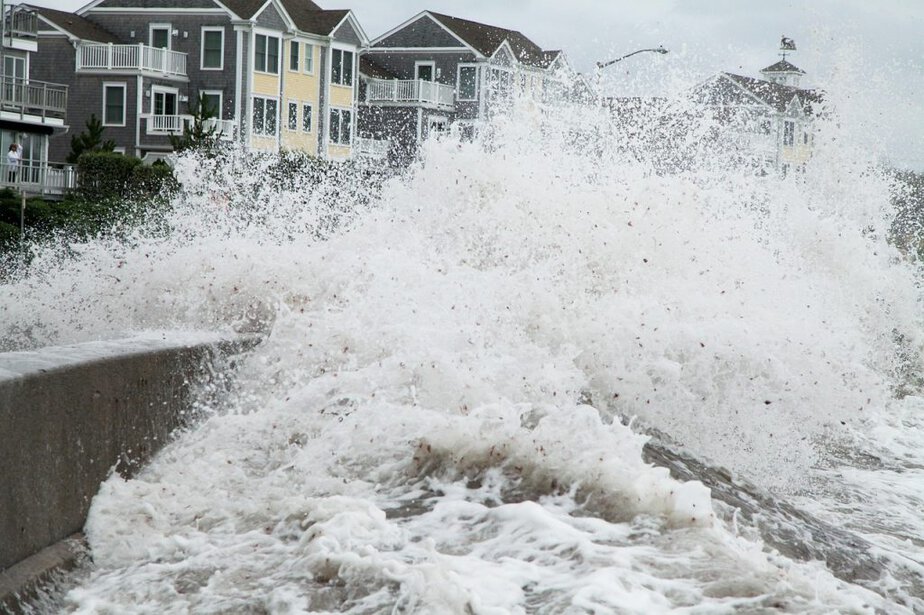
Photo by Wickedgood via Pixabay
Storm surges are often underestimated risks. Many coastal residents focus on the winds and rain of storms, but the surge itself can be far more devastating. The rapid arrival of water can trap people and animals, damage vehicles, and ruin gardens and outdoor equipment. Recognising the full scope of a storm surge’s impact is essential for effective preparation and response.
Preparing Your Coastal Home for Storm Surge
Assess Your Property’s Vulnerability
Start by understanding your home’s location and elevation compared to nearby sea levels. Check if local authorities have flood maps or storm surge risk zones for your area. If your property is low-lying or near river mouths, extra precautions are needed.
Inspect your home’s external structures such as doors, windows, and foundations to ensure they are strong and well-sealed against water entry. Repair any cracks or damaged seals to reduce flooding risk.
Additionally, consider the materials used in your home’s construction. Some materials withstand water exposure better than others. For example, concrete and treated timber can be more resilient than untreated wood or drywall. Consulting with a building professional about retrofitting or reinforcing your home can provide long-term benefits.
It’s also important to evaluate your home’s drainage systems. Ensure that gutters, downpipes, and storm drains are clear of debris to prevent water from pooling and entering your property. Installing backflow valves in drainage pipes can prevent floodwaters from entering your home through the plumbing.
Prepare Emergency Supplies and Plans
Assemble an emergency kit with essentials like bottled water, non-perishable food, torches with spare batteries, a battery-powered or hand-crank radio, first aid supplies, medications, and important documents in waterproof containers.

Photo by marinacath via Pixabay
Develop a family evacuation plan. Know the safest routes inland and establish a meeting point. Practice this plan so everyone in your household understands what to do when warnings are issued.
It’s also wise to keep a list of emergency contacts easily accessible, including neighbours, local emergency services, and utility companies. Make sure all family members have a charged mobile phone and consider portable power banks to keep devices operational during outages.
Don’t forget to plan for pets and livestock. Prepare carriers, food, and water supplies for animals, and identify pet-friendly evacuation centres or accommodations in advance. Having a plan for your animals can reduce stress during an emergency.
Strengthen Your Home’s Defences
Consider installing removable flood barriers or sandbags around doors and low windows when a storm surge is forecast. Clear your property of loose items that could become hazards in flooding or strong winds. Maintain gutters and drains to allow water to flow away from your home.
If practical, elevate electrical outlets and appliances above likely flood levels. Switch off power and gas supplies if advised by authorities to prevent fire or electrical hazards during flooding.
In some cases, landscaping can also help reduce flood impact. Planting native vegetation can stabilise soil and reduce erosion, while creating barriers that slow water flow. Avoid placing valuable or vulnerable items in basements or ground floors prone to flooding.
For homes in particularly high-risk zones, consider long-term measures such as raising the building on stilts or piers. While this can be a significant investment, it greatly reduces flood risk and can improve insurance options. Discuss these possibilities with local authorities or building professionals familiar with coastal risk mitigation.
During a Storm Surge: Stay Safe and Follow Official Advice
When a storm surge warning is issued, listen carefully to updates from your local State Emergency Service (SES), Fire/Rescue NSW or other state services, Police, and Bureau of Meteorology. Do not ignore evacuation orders. Leaving early is often safer than waiting until the last moment.
Avoid walking or driving through floodwaters. Just 15 centimetres of moving water can knock over an adult, and 30 centimetres can sweep a car away. Stay indoors on the highest safe level of your home if you cannot evacuate, avoiding areas prone to flooding.
If power fails, use torches instead of candles to reduce fire risk. Never use generators or petrol-powered devices inside enclosed spaces due to carbon monoxide poisoning risk. Contact emergency services by calling 000 if you or someone is in immediate danger.
It’s important to stay connected and informed during the event. Keep your radio or mobile device charged and tuned to official channels for real-time updates. Avoid spreading rumours or unverified information that could create confusion or panic.
If you live in a multi-storey building, move to upper floors but avoid attics or enclosed spaces that could trap you. Have an emergency kit ready and ensure that all family members know where to find it.
During the storm, monitor the situation closely. If your property begins to flood, move to the highest interior room possible, and avoid windows. If floodwaters rise rapidly, and it becomes unsafe to stay, evacuate if you can do so safely. Always prioritise personal safety over property.
Remember that storm surges can also cause contamination of water supplies and spread debris and pollutants. Avoid contact with floodwater as it can carry harmful bacteria, chemicals, and sharp objects.
After the Storm: Recovery and Safety Checks
Once the storm passes and authorities say it is safe, check your home carefully for damage. Look for any signs of structural weakness, water damage, or electrical hazards before turning power back on. If you smell gas or suspect leaks, leave immediately and contact your gas provider and emergency services.
Clean up debris and remove water-damaged materials to prevent mould growth. Contact your local council or SES for advice on disposal and repairs. Document damage with photos for insurance claims.
Stay alert for further warnings and avoid using roads that may still be dangerous due to floodwater or debris. Reach out to neighbours, especially elderly or vulnerable people, to ensure they are safe and have support.
During recovery, it’s also crucial to monitor your mental health and that of your family. Experiencing a storm surge and its aftermath can be traumatic. Seek support from community groups, counsellors, or helplines if needed. Sharing experiences and helping one another builds community resilience.
In the days following a storm surge, be cautious about returning to your property if it has been severely damaged. Structural assessments by professionals may be necessary before it is safe to inhabit the home again. Additionally, be mindful of the risk of electrical shock from water-damaged wiring and appliances.
Community recovery efforts often involve coordinated clean-up, rebuilding, and support services. Participating in these initiatives can help restore normalcy and strengthen neighbourhood bonds.
If You Only Do Five Things
First, know your risk by checking if your home is in a storm surge or flood zone. Use local government resources and maps to understand your exposure.
Second, prepare a clear evacuation plan for your family with set routes and a safe meeting place inland.
Third, assemble an emergency kit with water, food, medicine, and important documents in waterproof containers.
Fourth, strengthen your home by sealing gaps, clearing gutters, and securing loose items outdoors before a storm arrives.
Fifth, always follow official warnings and instructions from SES, Fire/Rescue, Police, and other authorities. Call 000 for emergencies.
Who Does What in Australia
Fire/Rescue services primarily handle fire emergencies, rescues during floods, and road accidents. They work closely with other agencies during storm surge events to assist in evacuations and emergency response.
The State Emergency Service (SES) focuses on flood and storm emergencies. They provide warnings, help with sandbagging, and support evacuations.
Police manage public safety, enforce evacuation orders, and coordinate traffic and crowd control during emergencies.
Ambulance services provide medical care and transport injured or sick people to hospital during and after emergencies.
Key Resources and Contacts
State Emergency Service (SES) NSW offers storm and flood alerts and safety advice relevant to your area.
Fire and Rescue NSW provides fire safety tips and emergency response information.
Bureau of Meteorology (BOM) offers weather updates, warnings, and storm surge predictions.
Remember, if you or someone else is in immediate danger, call 000. Quick action can save lives.
FireRescue Training Hub
Access practical fire and emergency study support resources, downloads, checklists, audio guides, and member-only course content.
- Course library
- PDF downloads
- Audio guides
- Checklists
Study support only. Not accredited training or a replacement for workplace procedures.
About the author and safety review
Ken Walker
Former Station Officer and fire service educator
Former career firefighter with extensive career and volunteer fire service experience.
Qualifications: Associate Diploma of Applied Science in Fire Technology; Institute of Fire Engineers studies.
Author profilehttps://www.firerescue.com.au/about-us/