Wildfire Preparedness Update
Key takeaways: Australia is advancing its wildfire preparedness by integrating <a href="https://www.firerescue.com.au/strengthening-australias-firefighting-and-rescue-operations-national-advances-and-collaborative-efforts/”>artificial intelligence and satellite technologies that enable earlier detection and improved situational awareness for first responders. Collaborative efforts with California provide valuable insights into effective recovery and clean-up strategies, strengthening community resilience. These innovations promise to enhance bushfire management but also require ongoing evaluation and community engagement to maximise their impact.
The FireSat program and Emergency Situation Awareness software represent significant steps forward in using cutting-edge tools to mitigate the devastating effects of bushfires. However, the success of technological solutions depends on seamless coordination with ground operations and public awareness efforts.
Background and Context
Australia’s experience with increasingly severe bushfire seasons has catalysed a surge in innovation and international cooperation aimed at improving wildfire preparedness and response. Traditional firefighting strategies have been augmented by sophisticated technologies, including artificial intelligence and satellite monitoring, which provide faster, more accurate information to emergency services and communities at risk. This evolution in bushfire management reflects a broader trend towards integrating data-driven decision-making tools with established emergency protocols.
The Australasian Fire and Emergency Service Authorities Council (AFAC) plays a pivotal role in coordinating these efforts across states and territories, ensuring a unified approach to wildfire challenges. AFAC’s leadership supports the sharing of data and resources, enhancing the overall effectiveness of response operations. Additionally, the State Emergency Service Western Australia (SES WA) has been instrumental in community education and preparedness, particularly in remote and vulnerable regions where dry lightning often triggers unpredictable fire outbreaks.
Innovative Technologies Enhancing Situational Awareness
FireSat Program: Early Detection via AI and Satellite Imagery
One of the most promising advancements is the FireSat program, led by the Earth Fire Alliance and supported by key Australian agencies such as AFAC and CSIRO. This initiative leverages artificial intelligence combined with satellite imagery to detect fire outbreaks as small as 25 square metres. Such fine resolution allows emergency responders to identify and address fires at their inception, reducing the risk of rapid escalation and widespread destruction.
The AI algorithms analyse real-time satellite data to provide prompt alerts, enabling firefighting teams to deploy resources more efficiently and strategically. This technological edge is particularly crucial in Australia’s vast and often remote landscapes where traditional detection methods may be delayed or limited. Early detection is especially important in the face of natural ignition sources such as dry lightning, which can spark fires far from accessible roads or populated areas, creating challenges for rapid response.
Emergency Situation Awareness (ESA) Software: Harnessing Social Media for Real-Time Alerts
Complementing satellite detection is the Emergency Situation Awareness (ESA) software developed by CSIRO. This system analyses data from social media platforms, extracting relevant information to provide emergency managers with real-time situational updates. By monitoring public posts, images, and videos, ESA helps identify emerging fire events, community needs, and potential hazards that may not yet be captured by official channels.
The integration of social media data with traditional emergency monitoring tools offers a more comprehensive view of unfolding disasters, supporting faster, data-informed decisions that can save lives and property. Furthermore, ESA’s ability to detect community sentiment and emerging concerns assists emergency services in tailoring their communication and relief efforts to meet local needs more effectively.
International Collaboration and Recovery Strategies
While technological advances enhance real-time response, recovery and clean-up remain critical components of bushfire management. Australia’s recent knowledge exchange with California exemplifies the benefits of international cooperation in wildfire resilience. Both regions face similar challenges with severe wildfires, and sharing best practices has helped improve community recovery efforts and infrastructure rebuilding.

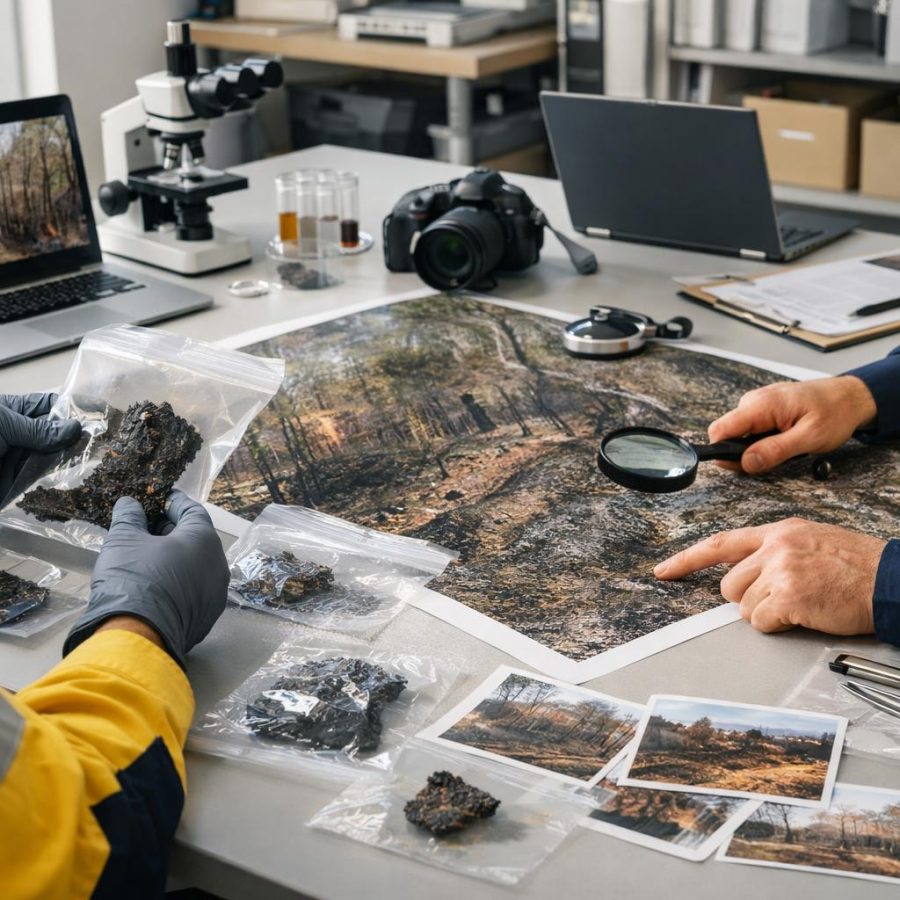
This collaboration has focused on effective debris management, ecological restoration, and community support mechanisms. Learning from California’s experience in post-fire clean-up has informed Australian approaches, ensuring recovery is both efficient and sensitive to environmental and social factors. Importantly, these recovery strategies align with insurance industry practices that facilitate claims processing and financial relief for affected homeowners, helping to expedite rebuilding and reduce long-term hardship.
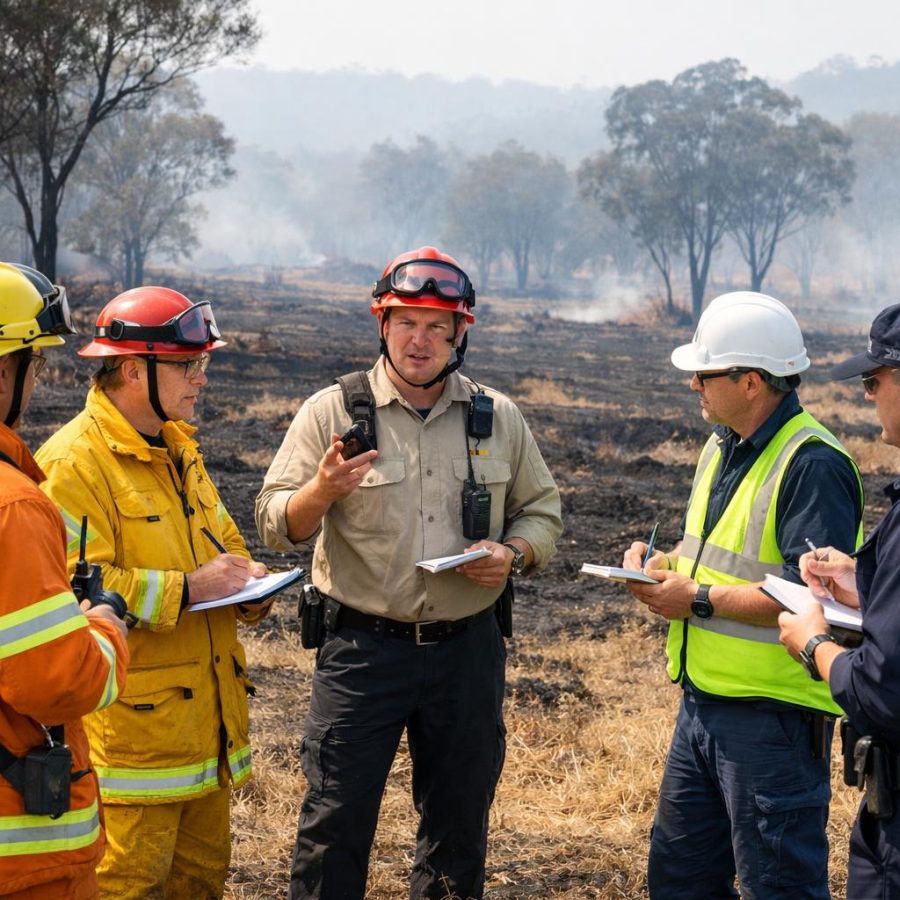
Community recovery is further bolstered by coordinated efforts involving local governments, emergency services, and volunteer organisations such as SES WA, which provide vital assistance in clean-up operations and support for displaced residents. These multi-agency collaborations highlight the necessity of inclusive approaches that address not only physical restoration but also the psychological wellbeing of fire-impacted communities.
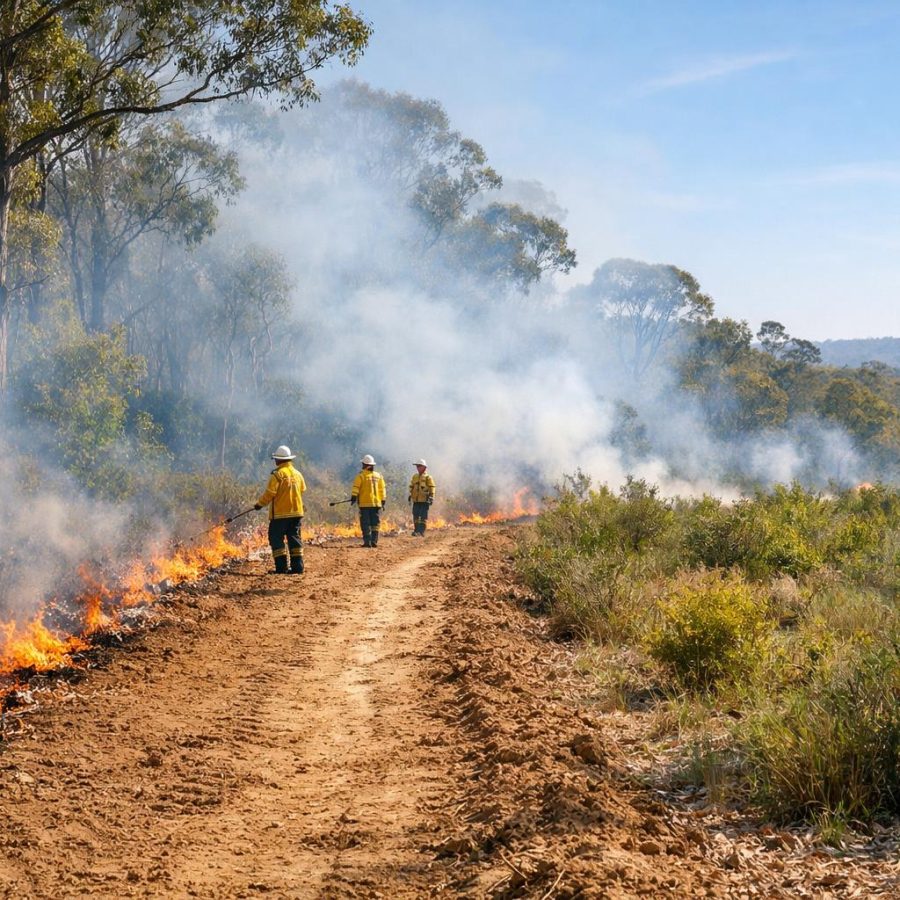
An often overlooked but crucial factor in wildfire preparedness is the management of fuel load around properties and in community spaces. Excessive accumulation of dry vegetation and debris can significantly increase fire intensity and spread. Incorporating fuel load reduction strategies into adaptation plans helps reduce the severity of incidents and supports safer evacuation routes when TFS warnings are issued. Such proactive measures are vital complements to technological detection systems, ensuring that once a fire is identified, the environment is better prepared to withstand or slow its progression.
Practical Implications for Communities and Emergency Services
The integration of AI-powered satellite detection and social media analysis tools offers emergency services a powerful combination for early fire detection and situational awareness. However, technology alone is insufficient without strong community engagement and preparedness initiatives. Emergency services must continue investing in training and public communication to ensure these advancements translate into practical benefits on the ground.
Community members are encouraged to actively participate in preparedness workshops and stay informed about the latest emergency procedures disseminated by AFAC and local SES WA branches. This two-way communication ensures that technology-driven alerts are understood and acted upon promptly, reducing the risk of injury and property loss during wildfire incidents.
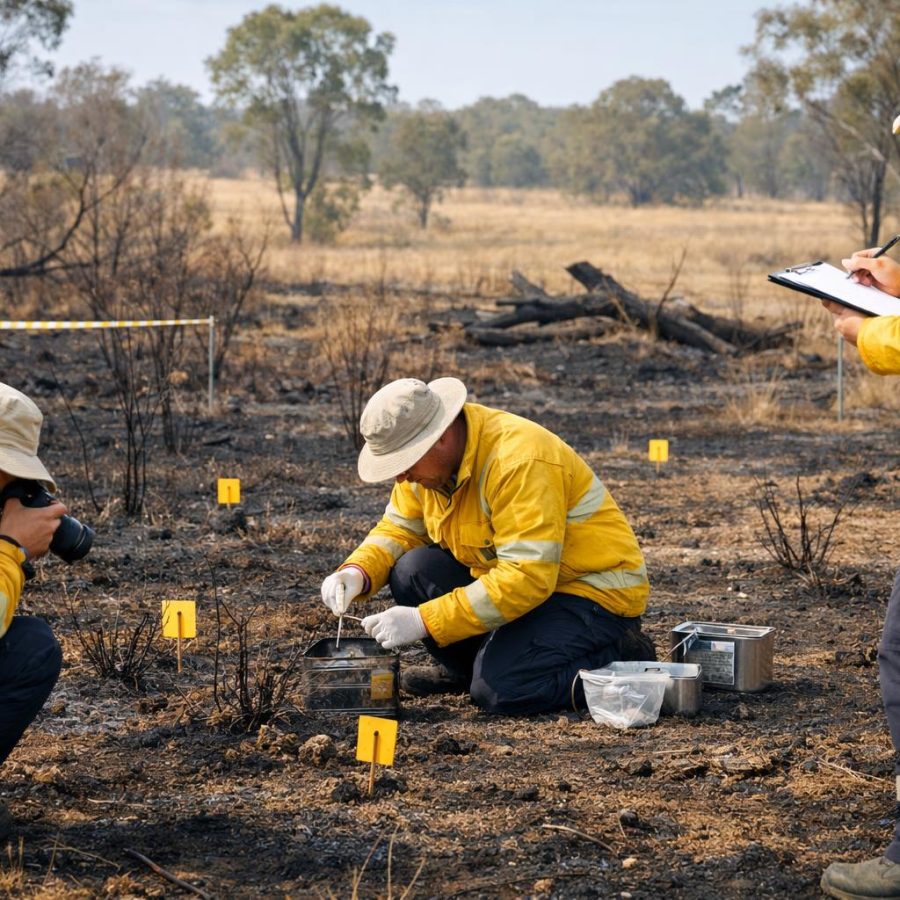
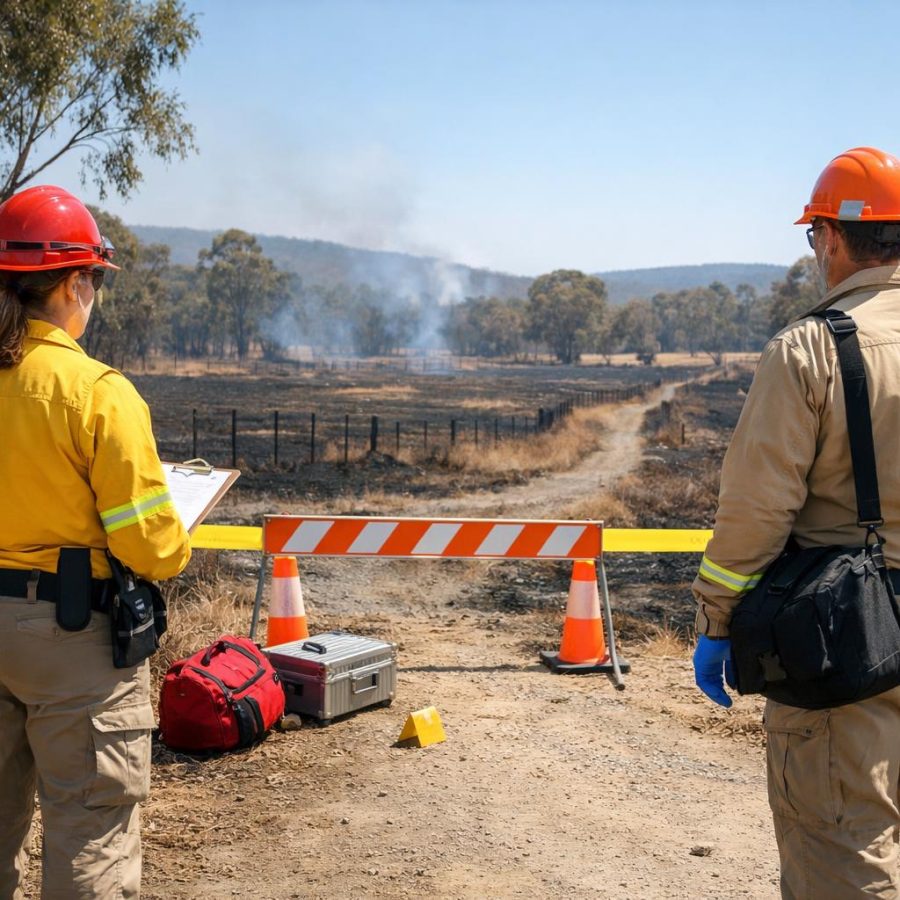
Moreover, coordinated clean-up initiatives post-fire are essential to mitigate hazards such as unstable trees, contaminated soils, and debris that can impede recovery and increase future fire risks. These efforts also contribute to ecological restoration, supporting the resilience of native flora and fauna that are often severely impacted by bushfires. Effective clean-up reduces the fuel load left behind, which is a critical step in lowering the chances of subsequent incidents in the same area.
Emergency services also rely heavily on timely and accurate warnings from agencies like the Tasmania Fire Service (TFS), whose alerts inform evacuation decisions and resource allocation. Understanding and responding to these warnings is a vital part of community adaptation plans and can mean the difference between safe evacuation and entrapment during fast-moving fire events.
What to Do Now
Residents in fire-prone areas are advised to stay informed through official alerts, particularly those enhanced by new technologies like FireSat and ESA. Preparing a personal bushfire survival plan, maintaining property vegetation management, and understanding local emergency procedures remain essential steps.
Community members can also contribute to resilience by sharing verified information responsibly on social media and participating in local clean-up and preparedness initiatives. Staying calm, informed, and connected is the best defence against the unpredictable nature of bushfires.
It is also crucial for residents to liaise with their insurance providers early after a fire incident to understand claims processes and available relief options. Prompt action can facilitate quicker financial recovery and support rebuilding efforts, helping communities bounce back more rapidly from wildfire devastation. Insurance policies that account for wildfire risks can also incentivise property owners to adopt safer building practices and fuel load management, creating a positive feedback loop for community safety.
Ultimately, the combination of advanced technology, international collaboration, local adaptation plans, and community involvement forms a multifaceted approach to wildfire preparedness. As climate change continues to influence fire behaviour, ongoing innovation and cooperation will be essential to protect lives, property, and ecosystems across Australia.
Google Blog on Bushfire Preparedness, CSIRO Emergency Situation Awareness, NEMA Australia-California Fire Preparedness Exchange
FireRescue Training Hub
Access practical fire and emergency study support resources, downloads, checklists, audio guides, and member-only course content.
- Course library
- PDF downloads
- Audio guides
- Checklists
Study support only. Not accredited training or a replacement for workplace procedures.
About the author and safety review
Ken Walker
Former Station Officer and fire service educator
Former career firefighter with extensive career and volunteer fire service experience.
Qualifications: Associate Diploma of Applied Science in Fire Technology; Institute of Fire Engineers studies.
Author profilehttps://www.firerescue.com.au/about-us/