Part 4 of 4
Conclude Aviation Incident Operations — Evidence, Damage Reporting, Site Transfer and Final Capstone Scenario
Aviation incident operations do not finish when the immediate rescue and firefighting actions slow down. They conclude properly when evidence is protected, damage caused by forcible entry is recorded and reported, responsibility for the site is transferred to the relevant authority and the response team leaves the scene with professional accountability.
Part 4 completes the Respond to aviation incidents series. It closes the AIR READY framework and then brings the full course together through a practical capstone challenge that links approach, access, resources, rescue, tactics, liaison, documentation and handover.
Conclusion, evidence and handover
D — Damage and evidence
Y — Your professional handover
Close operations cleanly
AIR READY reaches its final operational stage
Part 4 activates the final two AIR READY steps: Damage, evidence and scene details recorded and protected, then Your responsibility concludes through safe site transfer and professional handover.
Approach
Approach guided by onsite and environmental conditions.
Incident access
Access informed by airport and aircraft knowledge.
Resources
Equipment selected for objectives, strategies and tactics.
Rescue
Evacuation, casualty care and safe movement supported.
Emergency tactics
Tactics communicated, implemented and adapted.
Authorities
Liaison maintained with services and relevant authorities.
Damage and evidence
Evidence protected and forcible-entry damage recorded and reported.
Your handover
Site responsibility transferred cleanly at conclusion.
What this final lesson refreshes
Part 4 follows the fourth official course element: conclude aviation emergency operations. It focuses on preserving and securing evidence, recording and reporting damage caused by forcible entry, transferring responsibility for the site and completing a full integrated response review.
By the end, you should be able to refresh:
- Why evidence at an aviation incident scene must be preserved and secured.
- How damage caused by forcible entry should be recorded and reported.
- Why the incident site must be transferred to the relevant authority at conclusion.
- How the final operational phase connects to earlier tactical and rescue work.
- How the AIR READY framework summarises the full Respond to aviation incidents course.
Key mindset
A professional response is judged not only by what happens during the busiest moments, but also by how well the team concludes the operation. The final stage protects evidence, supports accountability and ensures the incident ground is handed over properly.
Good closure is not an afterthought. It is part of operational discipline.
Your Part 4 progress
0 of 6 sections marked refreshed.
D — Damage, evidence and scene details must be protected
The course requires evidence at the aviation incident to be preserved and secured. This means the final response phase must shift from urgent intervention toward controlled scene protection.
Evidence preservation is part of the operation
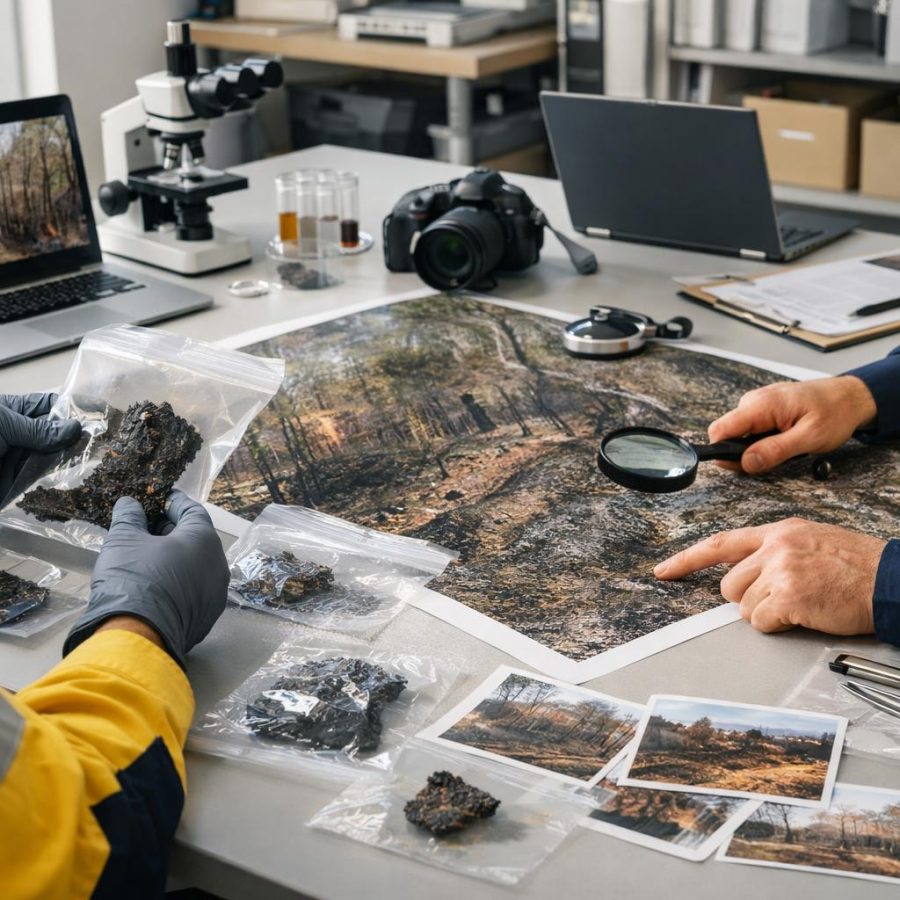
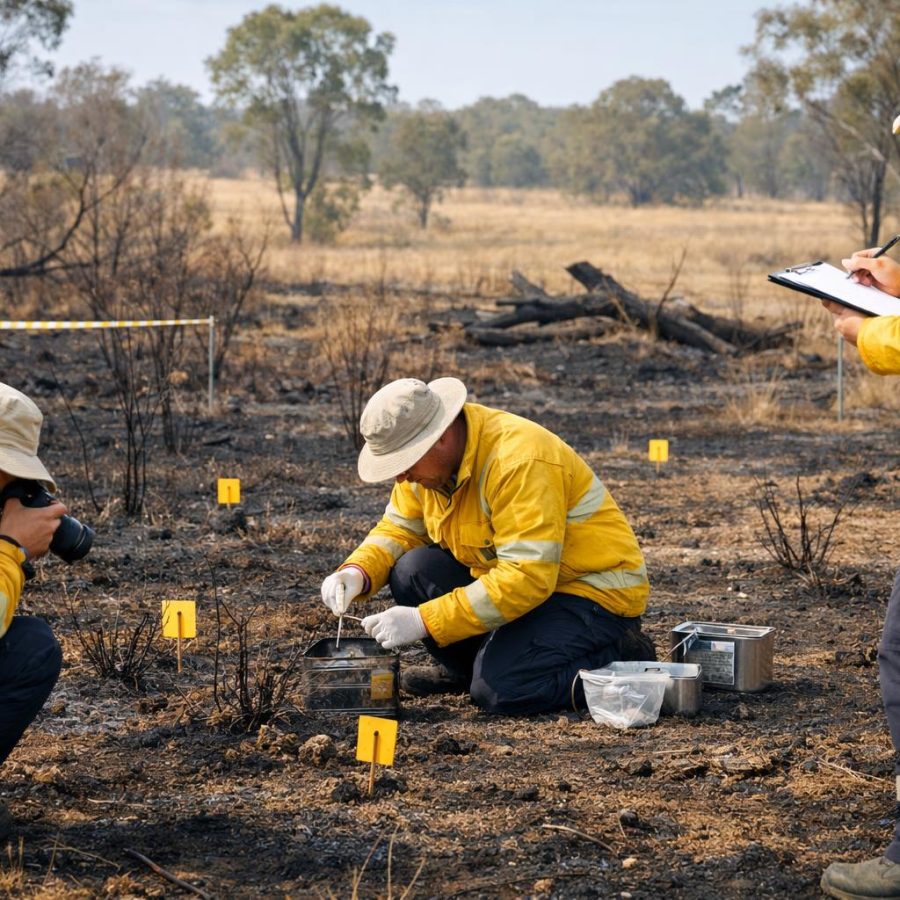
Once immediate life-safety and operational priorities are under control, the incident scene still carries important responsibilities. The course clearly requires evidence to be preserved and secured. This may influence how personnel move, what areas remain protected and how the team avoids disturbing information that may later matter to relevant authorities.
Evidence preservation does not replace emergency action. Rather, it becomes increasingly important as the response moves toward conclusion. Responders should understand that a scene can remain operationally significant even after fire, rescue or casualty movement tasks have reduced.
That change in mindset matters. The incident ground is no longer simply a work area. It may also be a scene that requires careful protection, disciplined access and formal transfer.
Secure the scene through procedure
Preserving and securing evidence should be carried out in accordance with organisational procedures and the direction of the incident structure. The crew should avoid unnecessary disturbance, report concerns and support a clean transition toward the relevant authority.
In practical terms, professional responders leave a scene as controlled as possible. They do not create avoidable confusion during the final stage.
Forcible-entry damage must be recorded and reported
The course requires any damage to the aircraft caused by forcible entry to be recorded and reported in accordance with organisational procedures.
Damage reporting supports accountability
During rescue or operational work, responders may need to create access or overcome barriers. If forcible entry damages the aircraft, the course requires that damage to be recorded and reported. This is not a minor administrative note. It protects accuracy and supports a clear understanding of what occurred during the response.
Good reporting separates incident damage from response-created damage where possible. It also shows that operational actions were taken deliberately and within procedure. That clarity may matter later when the scene is reviewed by relevant authorities.
Recording forcible-entry damage demonstrates professional discipline. It reflects a crew that acts decisively when required, then documents the consequences of those actions honestly.
Damage-reporting prompts
- Was forcible entry used during rescue or operational access?
- What aircraft damage resulted from that entry?
- Has the damage been recorded clearly?
- Has it been reported in accordance with organisational procedures?
- Does command or the relevant authority need further detail?
Accurate detail strengthens the handover
Site transfer becomes cleaner when relevant operational damage has already been identified and reported. The authority receiving the scene can then separate known response activity from other scene conditions more confidently.
Therefore, documenting forcible-entry damage is directly connected to a better professional handover.
Y — Your responsibility concludes through safe site transfer
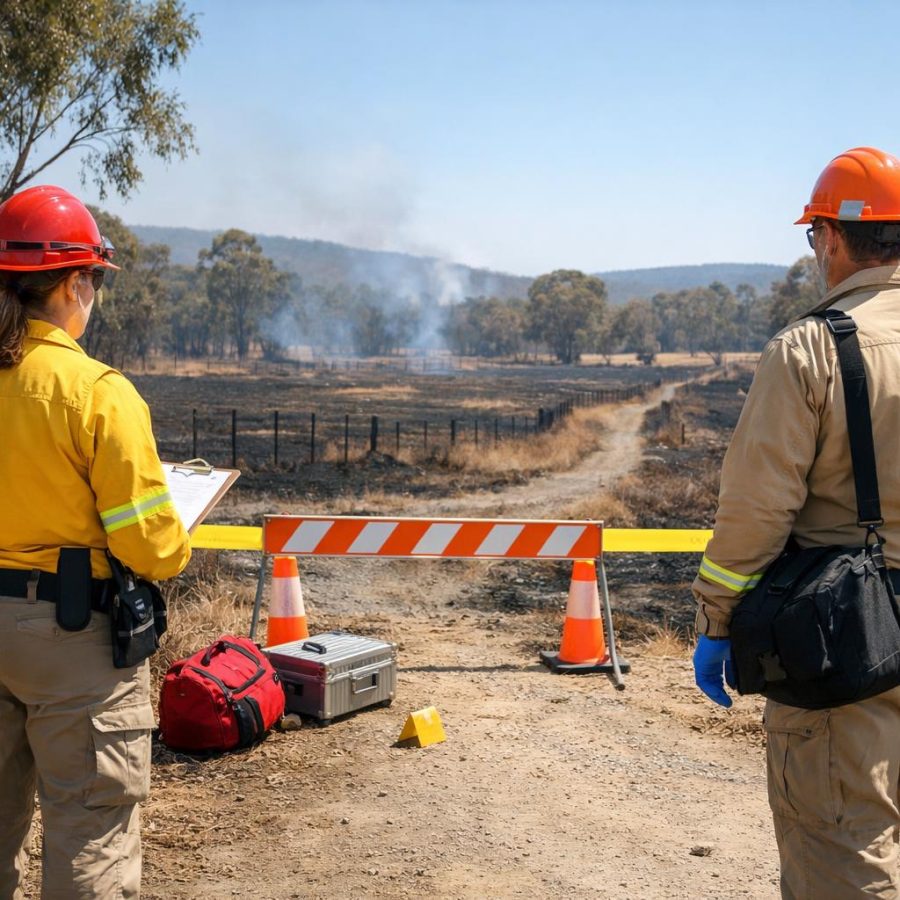
At the conclusion of the aviation incident, responsibility for the site must be transferred to the relevant authority.
Confirm conclusion
The response should reach a clear point where the operational role is concluding and handover becomes the next formal step.
Transfer responsibility
The site is not simply left. Responsibility is transferred to the relevant authority at the proper time.
Support continuity
Evidence protection, damage records and scene details help the receiving authority continue its role effectively.
Handover is a controlled operational act
The final AIR READY step is Your handover. It reminds responders that their responsibility does not disappear when active response tasks slow down. Instead, it concludes through a recognised transfer of site responsibility.
That handover should align with organisational procedures and the incident command structure. It should also reflect the information gathered during the operation, including preserved evidence and reported damage linked to forcible entry.
A well-managed transfer helps prevent gaps. It shows that the emergency-service role has been completed properly while allowing the relevant authority to continue with its responsibilities.
The final phase connects back to the entire response
Evidence protection, damage reporting and site transfer work best when the earlier stages of the response were disciplined from the beginning.
Good conclusions are built earlier
A clean final phase depends on the quality of earlier actions. The approach selected in Part 1, the access choices made from airport and aircraft knowledge, the rescue actions in Part 2 and the tactical communication in Part 3 all shape how well Part 4 can be completed.
For example, if decisions were communicated clearly throughout the incident, the final handover is easier to explain. If forced access was deliberate and reported, the aircraft damage record is clearer. If the scene was managed carefully, evidence preservation becomes more achievable.
Therefore, the conclusion of an aviation incident is not separate from the rest of the operation. It is the final proof that the response remained organised from start to finish.
Professional closure protects trust
Emergency-service work carries public trust. A strong conclusion shows respect for that trust. It demonstrates that the crew did not only act during the urgent phase, but also protected the scene, maintained accountability and transferred responsibility carefully.
That final discipline reflects the best of operational culture: do the immediate job well, then leave the next agency or authority with a clear and professional handover.
End-of-incident sequence
- Confirm active emergency operations are concluding.
- Preserve and secure evidence at the scene.
- Record and report forcible-entry aircraft damage.
- Prepare the information needed for formal handover.
- Transfer responsibility for the site to the relevant authority.
Common mistakes and better practice during conclusion
These comparisons help turn the final course element into memorable habits for the concluding stage of aviation incident operations.
Relaxing scene control too early
Responders may treat the scene as finished once urgent action reduces, even though evidence still needs protection.
Better practice
Continue disciplined scene management and preserve evidence until the proper transfer occurs.
Forgetting to document forcible-entry damage
Damage created during access or rescue may be clear to the crew but not formally recorded for later review.
Better practice
Record and report any aircraft damage caused by forcible entry in accordance with procedures.
Leaving without a clear site transfer
Operational tasks may end, yet responsibility for the scene still needs to be formally passed on.
Better practice
Transfer responsibility for the aviation incident site to the relevant authority at conclusion.
Final AIR READY integrated checklist
This final checklist brings the entire Respond to aviation incidents series together in one practical sequence.
A — Approach
- Assess onsite and environmental conditions.
- Select a safer approach pathway.
- Report significant observations.
I — Incident access
- Use airport and aircraft knowledge.
- Refer to maps, plans and diagrams where available.
- Choose access that supports the response objective.
R — Resources
- Select equipment for objectives, strategies and tactics.
- Recognise resource characteristics and limitations.
- Communicate gaps or needs.
R — Rescue
- Identify and report hazards and injury risks.
- Locate equipment to facilitate evacuation and rescue.
- Use appropriate rescue techniques.
- Move or direct evacuees to safe areas.
E — Emergency tactics
- Determine, communicate and implement tactics.
- Evaluate changing conditions.
- Communicate tactical changes through command.
A — Authorities
- Carry out operations within procedures.
- Maintain ongoing liaison with services and authorities.
- Support one shared operational picture.
D — Damage and evidence
- Preserve and secure evidence.
- Record aircraft damage caused by forcible entry.
- Report damage in line with procedures.
Y — Your handover
- Confirm operations are concluding.
- Prepare a clear site-transfer picture.
- Transfer responsibility to the relevant authority.
Full capstone scenario — Apply the complete AIR READY cycle
This final refresher challenge brings together all four parts of Respond to aviation incidents in one complete incident sequence.
Aviation incident outside a major airport
A non-specialist emergency-service team is dispatched under supervision to an aviation incident outside a major domestic or international airport. The scene involves uncertain access, persons requiring evacuation support, evolving incident conditions and the need for final evidence protection and site transfer.
Initial response
Assess onsite and environmental conditions, then use available airport or aircraft information to support approach and access decisions.
Resource choice
Select equipment that supports the incident objective, rescue pathway and current tactical need.
Rescue phase
Identify hazards and injury risks, report them, support trapped-person release and direct evacuees toward safe areas.
Operations phase
Apply tactics, evaluate changing conditions, communicate through the chain of command and maintain liaison.
Conclusion phase
Preserve evidence, report forcible-entry damage and transfer responsibility for the site to the relevant authority.
Interactive final scenario drill
Choose the response pattern that best reflects the full AIR READY approach.
Scenario
Your team has supported evacuation, carried out aviation emergency operations and used forcible entry to assist access. The immediate operational phase is concluding. What is the strongest final action?
Part 4 knowledge check
Select one answer for each question, then check your result.
60-second final refresher drill
Use this final quick recall drill to complete the Respond to aviation incidents series.
Say the conclusion sequence out loud
- What evidence must be preserved and secured?
- Was forcible-entry aircraft damage recorded and reported?
- What information supports a clean handover?
- Who receives responsibility for the site at conclusion?
- Can I summarise the full AIR READY framework from A to Y?
Press start and work through the conclusion prompts clearly and steadily.
FireRescue Training Hub
Access practical fire and emergency study support resources, downloads, checklists, audio guides, and member-only course content.
- Course library
- PDF downloads
- Audio guides
- Checklists
Study support only. Not accredited training or a replacement for workplace procedures.
About the author and safety review
Ken Walker
Former Station Officer and fire service educator
Former career firefighter with extensive career and volunteer fire service experience.
Qualifications: Associate Diploma of Applied Science in Fire Technology; Institute of Fire Engineers studies.
Author profilehttps://www.firerescue.com.au/about-us/