FireRescue Course Series • Part 4 of 6
Gaining Access Safely — Stabilisation, Rescue Equipment and Casualty Packaging
Gaining access safely means the team does not rush from casualty location into rescue action. First, the site must be made as safe as possible, the task must be approved and the casualty must be handled with care.
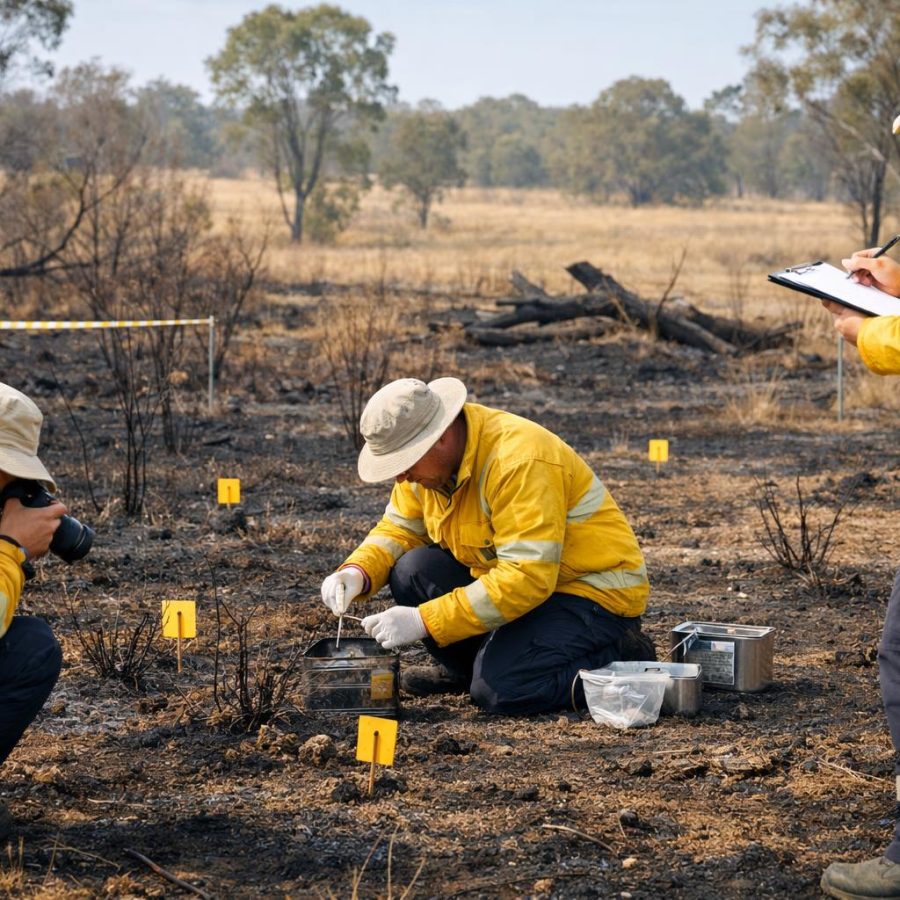
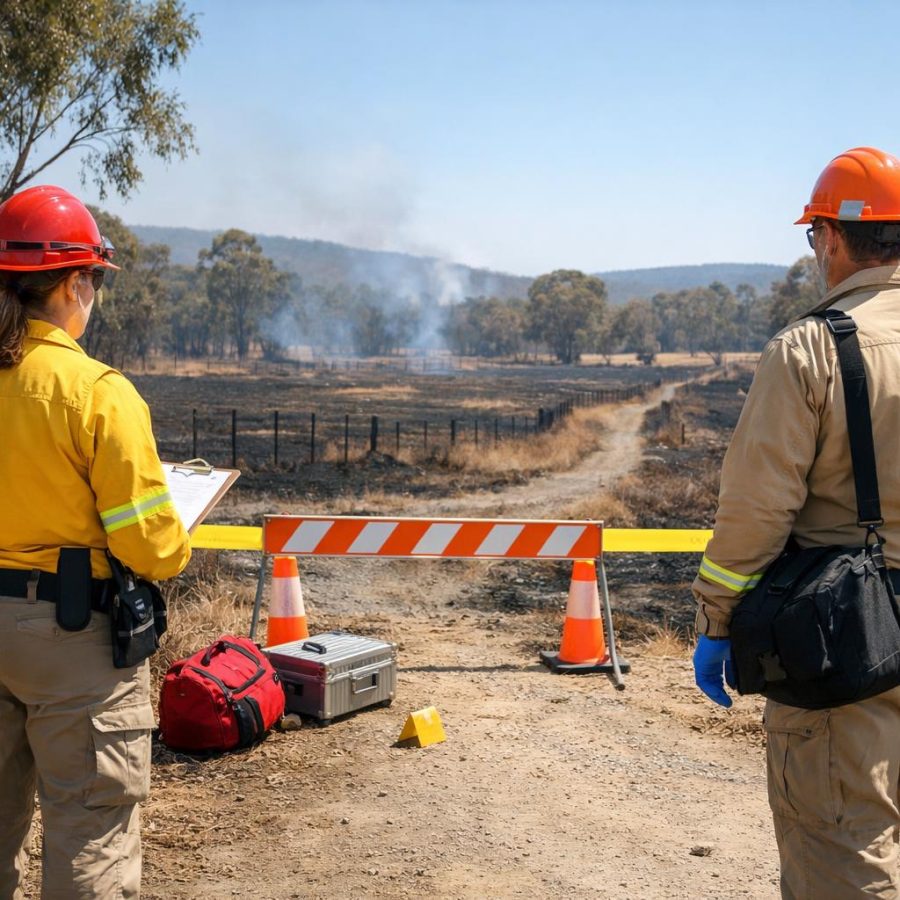
Site Stabilisation
Casualty Packaging
- Understand safe access at Category 1 first response level.
- Use rescue equipment within capability and procedure.
- Support site stabilisation before casualty movement.
- Package casualties with medical guidance where required.
0 of 8 sections refreshed
Learning summary
What Part 4 builds
You learn that access must be planned, approved and controlled before responders move closer to a casualty.
You understand why the team must make the incident site safer before casualty handling begins.
You use rescue equipment only within organisational procedure, team capability and supervisor direction.
You support careful packaging and safe handling in consultation with medical personnel where required.
The USAR SAFE Cycle in gaining access safely
Part 4 focuses on the access stage. The USAR SAFE Cycle keeps the team connected to supervision, safe work practices, rescue equipment limits, casualty handling and careful reporting.
Gaining access safely starts with control
Gaining access safely means the team has located a casualty or possible casualty area and now needs to move from search thinking into controlled rescue support.
Gaining access safely is not the same as forcing a way in. It is a planned step. The team must decide whether the site can be made safe enough for the assigned task, whether the casualty can be reached with available equipment and whether specialist support is needed.
At Category 1 first response level, the focus remains on surface casualties and lightly trapped casualties. The role is supervised. The team must not drift into advanced rescue actions that sit outside training, equipment or procedure.
Before anyone moves closer, the supervisor needs a clear picture. The team must understand the casualty location, visible hazards, access route, available equipment and possible effect of moving debris or people. This keeps the rescue effort controlled.
A safe access plan also protects the casualty. A rushed movement can make injuries worse. It can also disturb debris, shift loads, create a fall hazard or damage evidence. Therefore, the safer path is calm, clear and organised.
Do not turn casualty location into uncontrolled rescue action. Confirm the access plan, stay under supervision and act only within approved procedure.
Access must match the team’s capability
The available team and equipment may suit a simple surface casualty task. However, the same team may not be suitable for a complex entrapment, unstable void, heavy debris problem or unsafe structure. Capability matters.
If the task moves beyond the available capability, report it. Requesting additional personnel or specialist equipment is a safe decision. It shows that the team understands its limits.
Good access work is careful. It protects responders, casualties, property and the incident scene.
Stabilisation helps make the incident site safer
The course expects rescue techniques and equipment to be used to stabilise and make the incident site safe. At this level, that means working within training, procedure and supervisor direction.
Stabilisation is about reducing movement, controlling hazards and making the work area safer before casualty handling begins. It does not mean making the whole damaged structure safe. It means improving conditions enough for the approved task.
The team may need to control loose materials, manage access, maintain exclusion zones, monitor overhead hazards and keep equipment clear of trip points. The exact method depends on organisational procedure and available rescue resources.
Stabilisation also includes communication. Everyone must know the plan, the warning system and the stop signal. A team cannot work safely if only one person understands the risk control.
Before touching a casualty or moving equipment near them, the team should ask whether the work area is stable enough, whether the route is clear and whether the casualty can be reached without increasing the hazard.
Stabilisation thinking includes
- Is the access route safe enough?
- Are overhead hazards controlled or avoided?
- Are exclusion zones still correct?
- Can equipment be used without creating new risk?
- Does the team know the warning system?
Stop and report if
- Debris moves unexpectedly.
- A new crack or sound appears.
- The casualty position changes.
- The team loses communication.
- The task exceeds available capability.
Stabilisation is not a shortcut
Stabilisation does not remove every risk. It supports safer work. Responders must still maintain situational awareness and continue dynamic risk assessment.
When conditions change, the stabilisation plan may also need to change. A safe team keeps watching, listening and reporting while work continues.
Therefore, stabilisation is both a physical task and a thinking habit. It helps the team keep control during a high-pressure stage.
Rescue equipment must be used within limits
Rescue equipment supports access, stabilisation and casualty handling. However, equipment must be selected, checked and used only within organisational procedure and known limits.
Structural collapse rescue equipment can help the team reach, stabilise, package or move casualties. It may include items such as stretchers, rescue bags, hand tools, lighting, communication equipment, marking equipment and other approved resources used by the organisation.
The important point is not the name of the tool. The important point is capability. A tool must suit the task, the environment and the training level of the team using it.
Before using any equipment, check that it is ready, suitable and safe. Look for visible damage, contamination, missing parts, insecure straps or anything that could affect safe use. If there is doubt, report it.
Equipment can also create hazards. A stretcher can block an access route. A bag can become a trip hazard. A rope, strap or cable can catch on debris. A tool used in the wrong place can shift material or injure a casualty.
Use equipment for the approved task, in the approved way, under the approved supervision. If the equipment does not match the task, stop and report.
Equipment limits protect the team
Every piece of rescue equipment has limits. It may have a load limit, use limit, environmental limit or training limit. Some limits may come from the manufacturer. Others may come from organisational procedure.
Do not guess. Do not improvise with equipment because the situation feels urgent. Improvised equipment use can harm the casualty and place responders in danger.
When equipment is not enough, the team must request more suitable support. This may include additional personnel, specialist equipment or a different rescue plan.
Casualty contact must be calm, careful and approved
Once a casualty can be reached, the team must still avoid rushing. The goal is to prevent further injury while supporting the rescue plan.
A surface or lightly trapped casualty may be frightened, injured, confused or in pain. They may also be exposed to dust, sharp debris, weather, unstable materials or other hazards. A calm responder can reduce panic and improve cooperation.
Speak clearly and simply if it is safe to do so. Tell the casualty that help is present. Ask short questions. Listen to their answers. Then report useful information through the team structure.
Do not promise that movement will happen immediately. The team may still need to stabilise the area, consult medical personnel, prepare packaging equipment or adjust the plan.
The casualty’s condition should guide the next safe step. However, the responder must not exceed their training. Primary survey procedures, first aid and medical guidance must follow organisational procedure and the role of personnel in attendance.
Common mistake
Telling the casualty to crawl out before the area is safe.
Safer choice:
Keep them calm and wait for the approved plan.
Common mistake
Pulling a casualty free because they look lightly trapped.
Safer choice:
Check risks, report condition and follow supervisor direction.
Common mistake
Ignoring medical input during packaging.
Safer choice:
Package casualties in consultation with medical personnel where required.
Do not create further injury
The PDF performance evidence includes gaining access with no further injury to persons or damage to property, including handling casualties safely. This is a key standard for safe work.
Further injury can occur through rough handling, poor lifting, rushed movement, unsupported body position, shifting debris or unsafe access. Therefore, every movement should be planned.
A safe team protects the person, the responders and the scene at the same time.
Casualty packaging supports safer movement
Casualty packaging means preparing a person for movement in a way that supports their condition, protects them from further harm and fits the rescue plan.
Located and rescued casualties must be packaged in accordance with organisational procedures and in consultation with medical personnel in attendance. This is important because movement can affect injuries, pain, airway safety, bleeding, shock and comfort.
Packaging may involve positioning, protection, securing and preparing the casualty for movement. It may also involve equipment such as a stretcher or other approved carrying device. The exact steps must follow procedure and medical guidance.
At Category 1 level, do not treat packaging as a simple carrying job. It is part of casualty care. It should be done carefully, with clear team communication and planned movement.
Before movement, confirm who is leading the lift or carry, what path will be used, what commands will be used and where the casualty will be moved next. This prevents sudden movement and mixed instructions.
Before packaging, confirm
- The casualty’s known condition.
- The approved movement plan.
- The equipment to be used.
- The access and egress route.
- The role of each team member.
During packaging, maintain
- Calm communication.
- Safe manual handling.
- Casualty protection.
- Team coordination.
- Situational awareness.
Stretcher handling needs discipline
Stretcher handling is more than lifting. It involves coordination, clear commands, safe posture, controlled pace and constant awareness of the route. A stretcher can be awkward in debris, tight spaces or uneven ground.
Do not rush a carry. If the route becomes unsafe, stop and communicate. If the casualty’s condition changes, report it. If equipment shifts or fails, stop and address the issue under supervision.
The aim is to move only when the team is ready, the casualty is prepared and the route is controlled.
Protect the scene while gaining access
A rescue team may need to disturb the scene to gain access or make it safe. Even so, responders should preserve the incident scene where possible.
Structural collapse scenes may also be evidence scenes. The cause of collapse, the location of items, casualty identity and responder observations may all matter later. This does not stop urgent rescue work, but it does require care.
When gaining access, disturb only what is needed to make the scene safe or reach the casualty under the approved plan. Avoid unnecessary movement of debris, personal items or building materials.
If something significant is moved, observed or found, report it. Depending on procedure, notes may be needed. Clear reporting helps preserve the integrity of evidence while allowing rescue work to continue.
This can feel difficult during urgent work. However, the principle is simple. Rescue comes first, but avoid unnecessary disturbance. Act with purpose, not impulse.
Make the scene safe and gain access when approved, but avoid moving anything that does not need to be moved. Report observations clearly.
Property damage must also be considered
The course includes gaining access with no further injury to persons or damage to property. In a collapse setting, some damage may already exist. However, responders should not add unnecessary damage through careless movement, poor equipment use or avoidable force.
Sometimes damage is unavoidable to make the scene safe or reach a casualty. When that is the case, it should occur through the approved plan and be reported as required.
Controlled access protects people, property and evidence. It also supports the professionalism of the rescue team.
Team communication keeps access work safe
Gaining access often places responders close to the casualty and close to hazards. Clear communication keeps the team working as one unit.
During access and packaging, the team must communicate constantly but not chaotically. Too much noise can confuse instructions. Too little communication can leave people unsure of the plan.
Use approved communication methods and plain, direct messages. Confirm when the team is ready. Confirm when equipment is being moved. Confirm when the casualty is about to be handled. Confirm when hazards change.
Everyone should know who is leading each movement. This is especially important during lifting, carrying, sliding, packaging or repositioning. Mixed commands can injure the casualty or a responder.
If a responder is not ready, they should say so. If a strap is not secure, say so. If the route is blocked, say so. Silence is not helpful when the team is about to move a person.
“Stop. Not ready.” A short warning is better than a rushed movement that causes harm.
Access is a bridge to removal
Part 4 sits between finding a casualty and removing a casualty. It prepares the person, the site, the route and the team for the next stage.
If access is rushed, removal becomes unsafe. If packaging is poor, movement becomes unsafe. If communication is weak, the whole plan becomes fragile.
Therefore, safe access is not a delay. It is the foundation of safe removal.
Scenario drill
Lightly trapped casualty near unstable shelving
Your supervised USAR first response team locates a conscious casualty partly trapped by light debris near damaged shelving. The casualty is anxious and wants to crawl out. You notice loose items above the casualty and a narrow exit path. Medical personnel are nearby but have not yet assessed the casualty.
Knowledge check
Part 4 quick quiz
1. What is the safest view of gaining access?
2. Why must rescue equipment be used within limits?
3. What should happen before casualty movement?
60-second refresher
Say it out loud
- I gain access only when the task is approved and the scene is made safer.
- I stay inside my supervised Category 1 first response role.
- I use rescue equipment only within procedure, training and capability.
- I report when specialist support or extra personnel are needed.
- I keep the casualty calm and avoid causing further injury.
- I package casualties under procedure and with medical input where required.
- I preserve the scene where possible while making access safe.
- I communicate clearly before every movement.
Next article in the series
Part 5 of 6: Removing Casualties and Preserving the Scene — Safe Removal, Identity and Evidence
Next, you will move from access and packaging into casualty removal. Part 5 explains safe removal, evidence of casualty identity, scene preservation, note taking and reporting observations.
FireRescue Training Hub
Access practical fire and emergency study support resources, downloads, checklists, audio guides, and member-only course content.
- Course library
- PDF downloads
- Audio guides
- Checklists
Study support only. Not accredited training or a replacement for workplace procedures.
About the author and safety review
Ken Walker
Former Station Officer and fire service educator
Former career firefighter with extensive career and volunteer fire service experience.
Qualifications: Associate Diploma of Applied Science in Fire Technology; Institute of Fire Engineers studies.
Author profilehttps://www.firerescue.com.au/about-us/