Integrated Residential Bushfire Protection System Part 15: Designing the Property for Firefighters
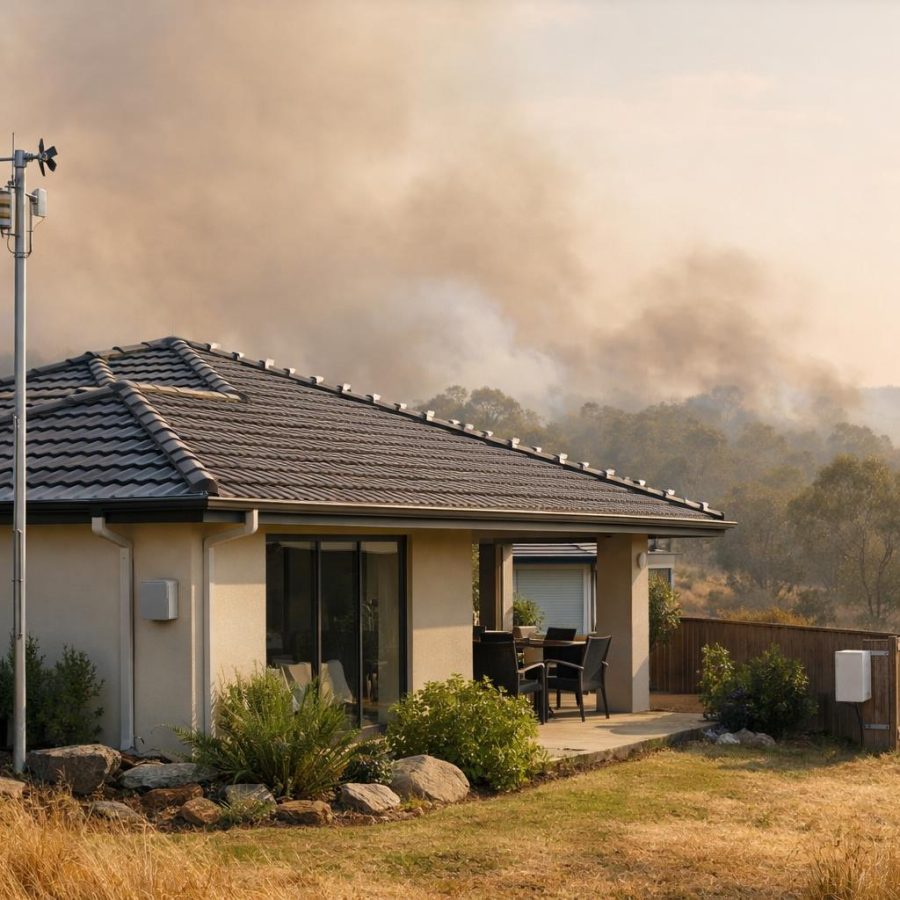
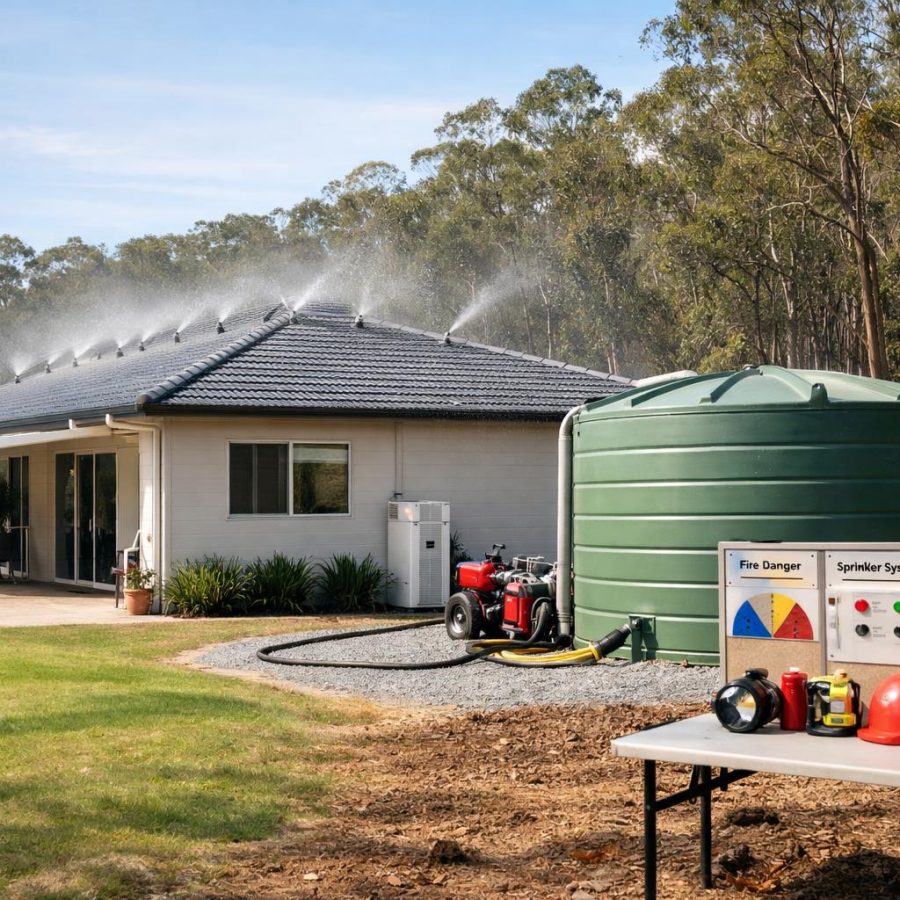
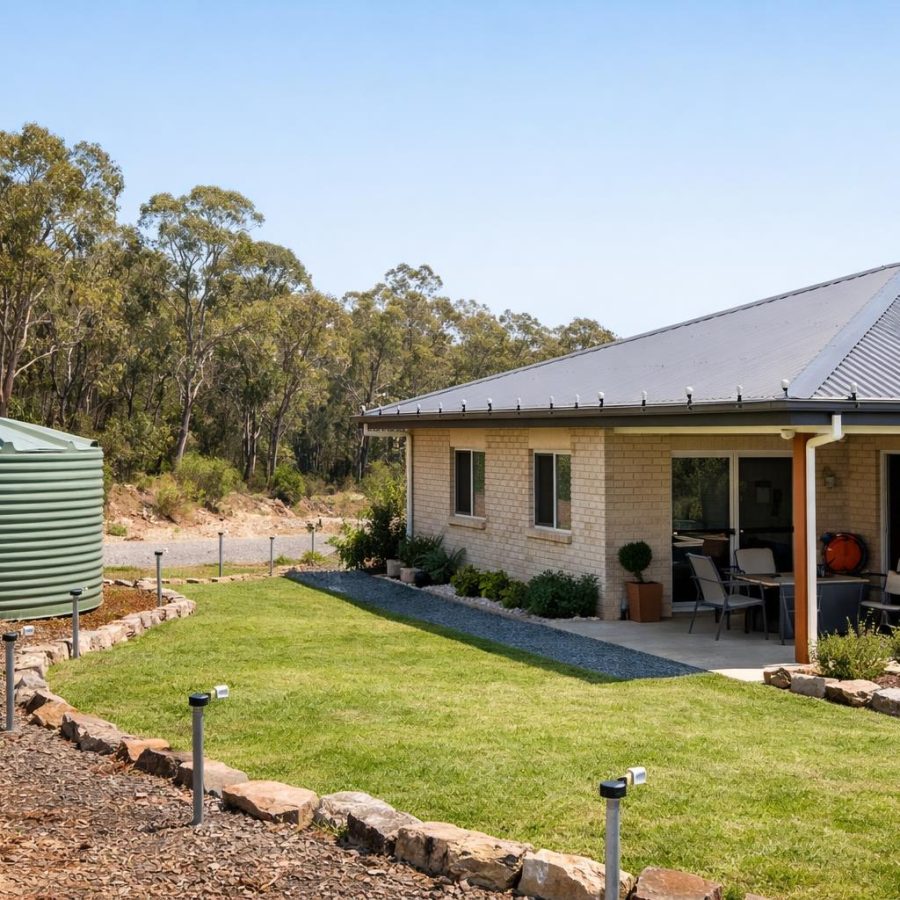
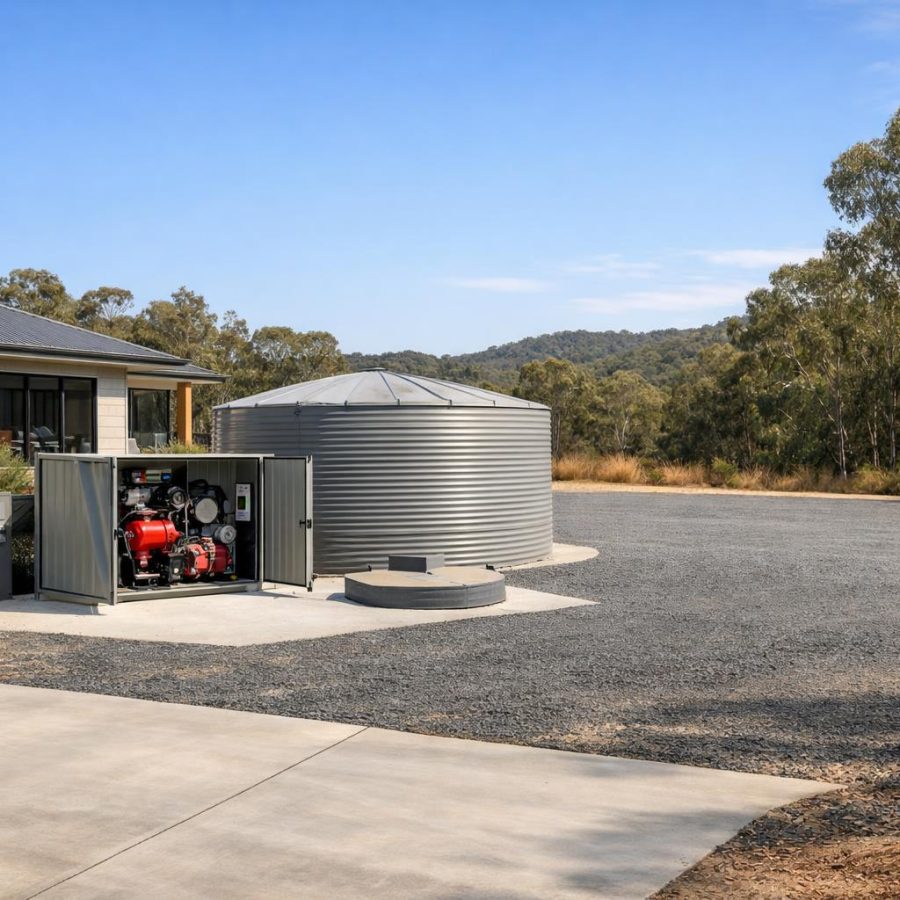
When firefighters arrive, they should be able to find the water, read the system, identify hazards and take control quickly. This part…
Official fire, flood, storm and incident information for every state and territory.
Official emergency information only — call 000 in an emergency.
Dense, clean posts — gear, readiness, travel, performance. Minimal clutter. Red accents.
When firefighters arrive, they should be able to find the water, read the system, identify hazards and take control quickly. This part…
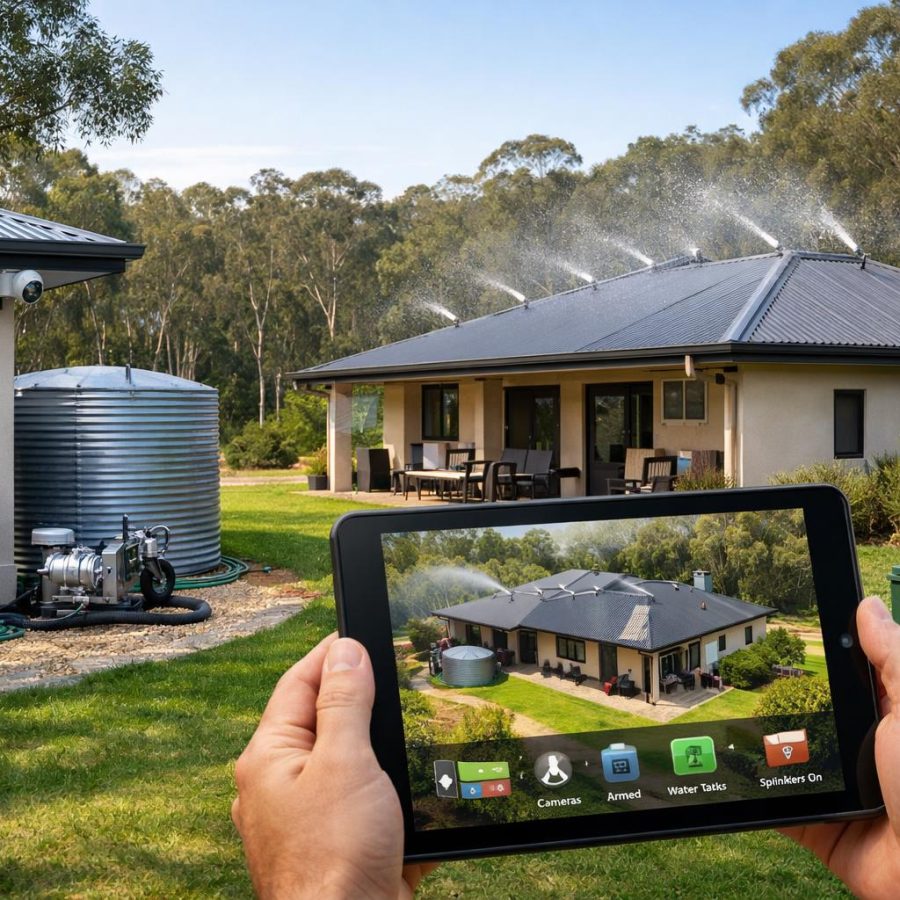
Cameras, mobile alerts and remote control can greatly improve awareness in a residential bushfire protection system, but they must never replace local…
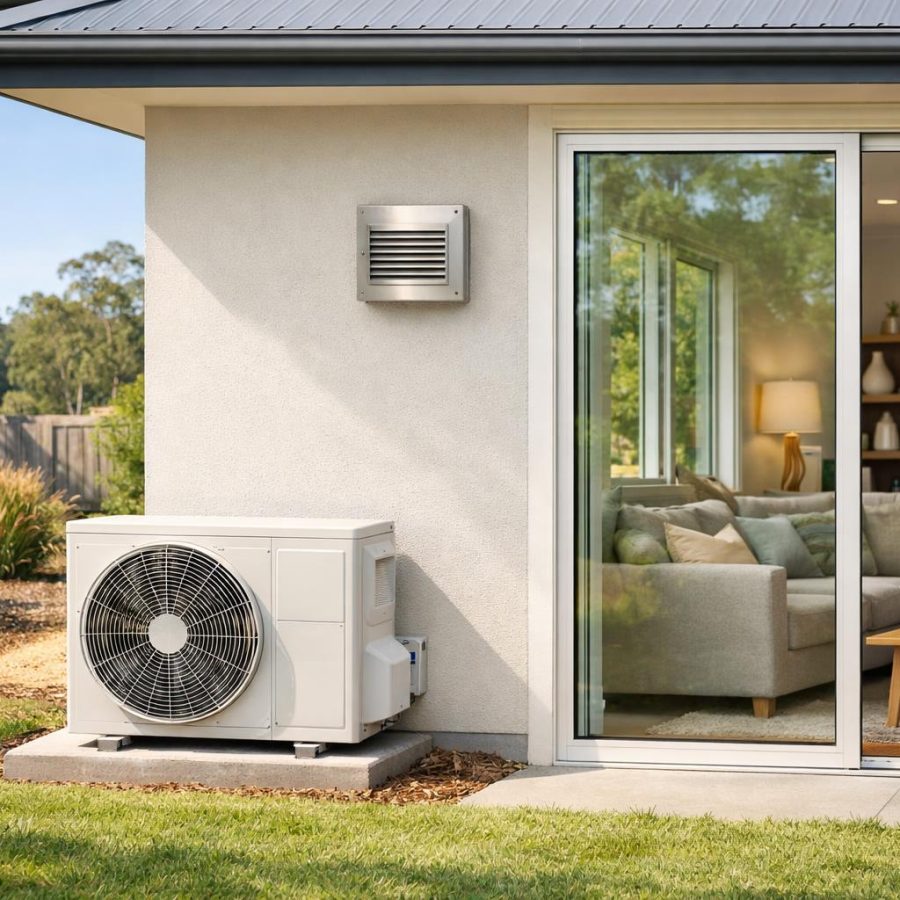
A simple bushfire air-protection system can help keep indoor air safer by using normal reverse-cycle air-conditioning, filtered outside air and automatic pressure…
Local smoke, heat and weather sensing can give a residential bushfire protection system precious minutes of warning before flames arrive. The aim…
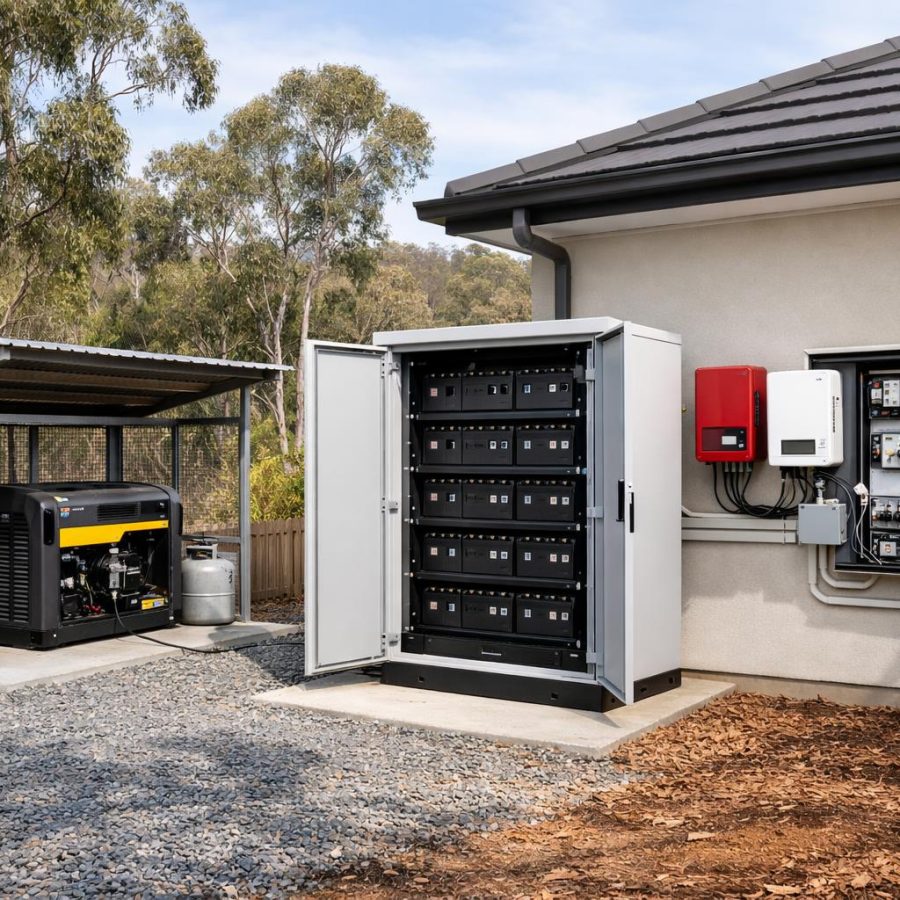
A bushfire protection system must keep working when mains power fails. This part explains practical backup power design using battery support, automatic…
Part 11 explains why automatic control and redundancy are only effective when the backup controller is truly independent. If one controller fails,…
An emergency response plan should be a working tool, not a document sitting on a shelf. A periodic review helps organisations find…
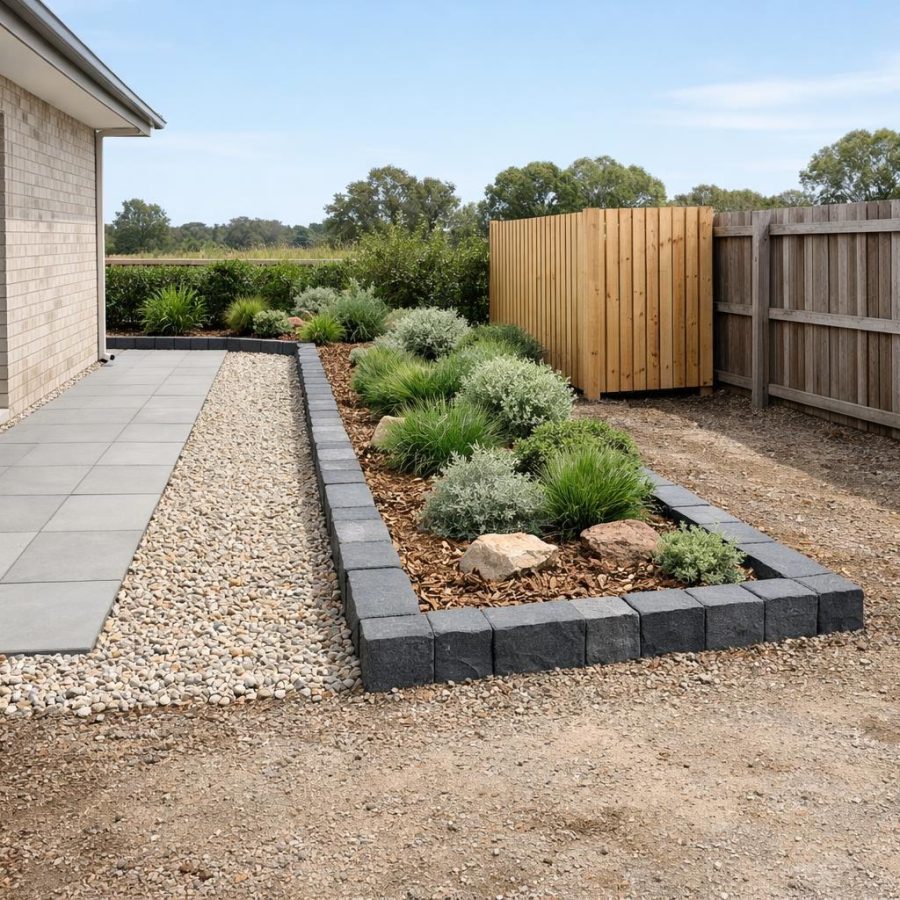
Protect the first few metres around the house so ember attacks, burning mulch and fence fires do not become a direct path…
Smart bushfire sprinkler zoning helps homeowners direct limited water to the parts of a house under the greatest threat, rather than wasting…
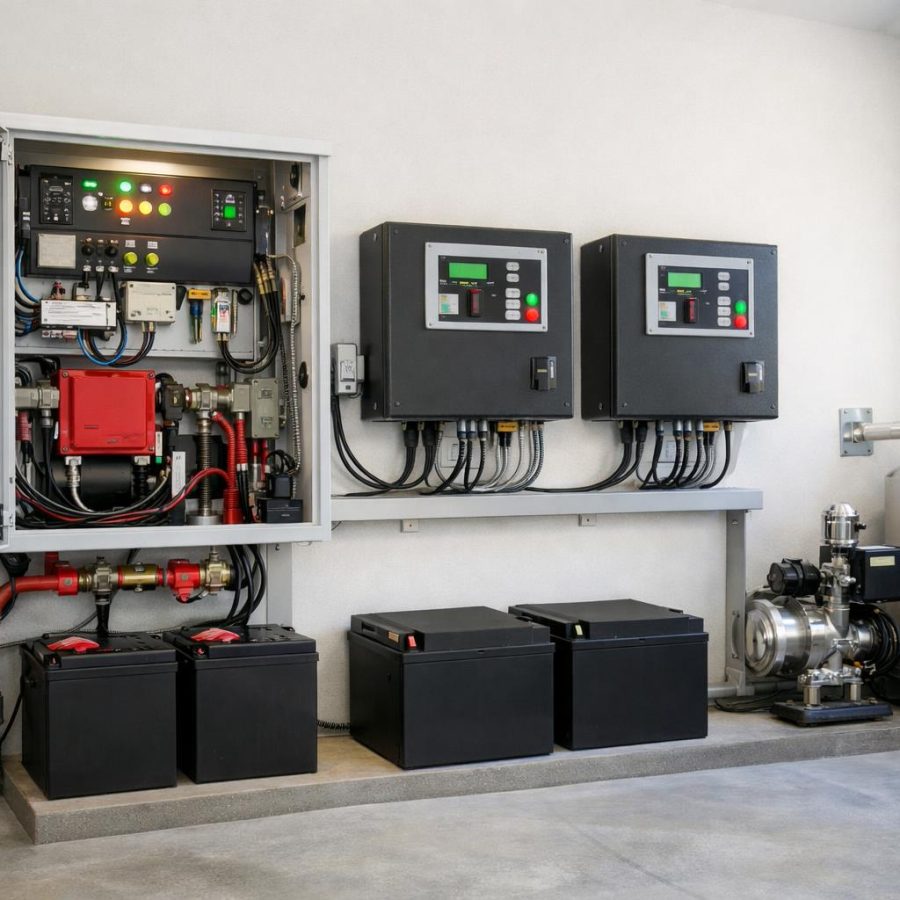
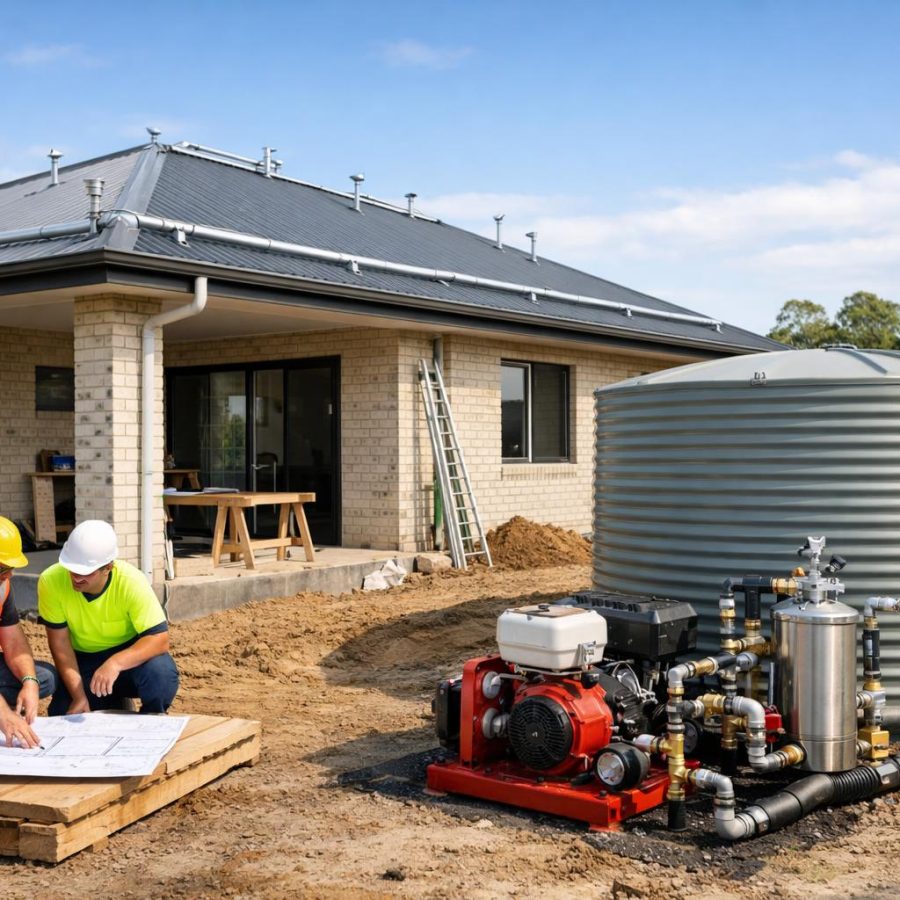
The firefighting pumps and protected plant room are the heart of an active bushfire protection system. This part explains how to build…
A dedicated bushfire water supply is only useful if it can deliver the right flow, pressure and runtime when mains water fails.…
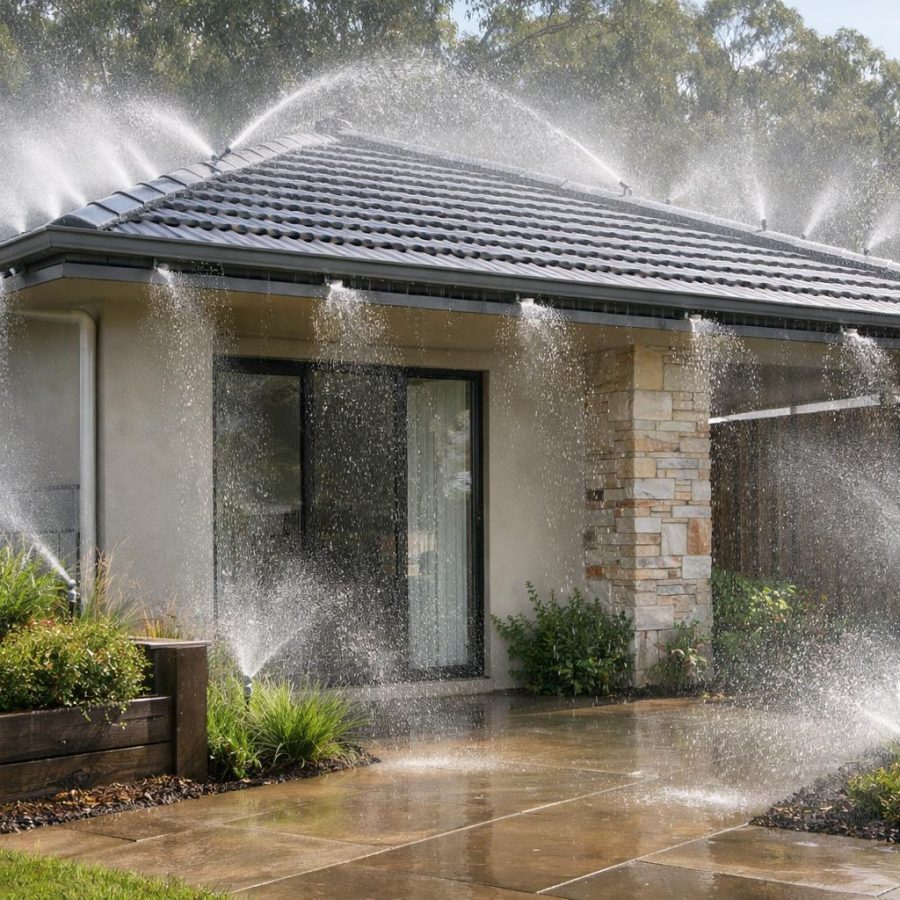
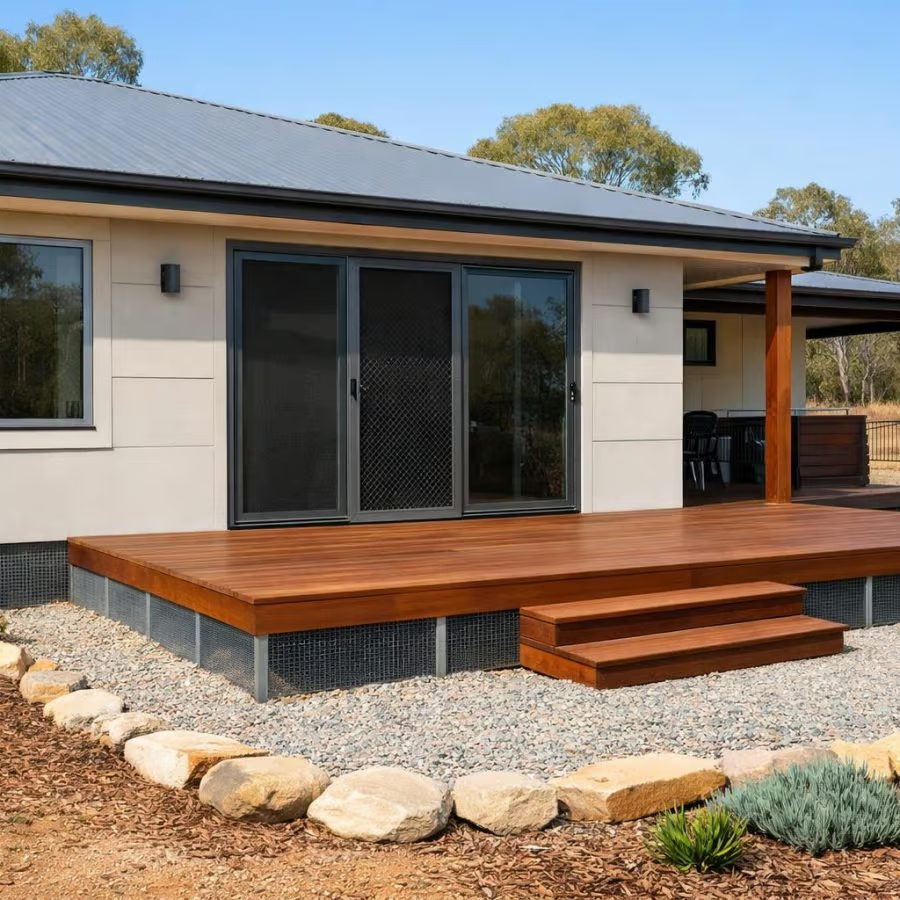
Windows, doors, decks and underfloor areas are common bushfire weak points because ember attack and small external fires can spread into the…
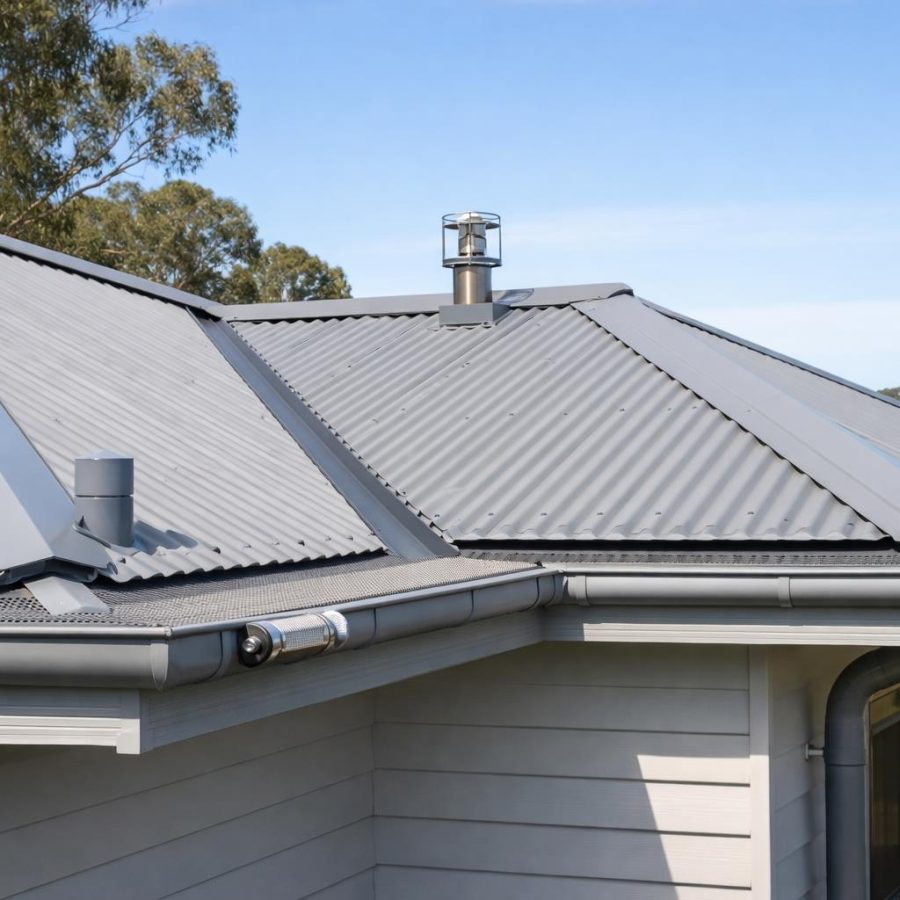
Roof and gutter protection should focus on where embers are most likely to collect: gutters, roof valleys, roof edges and vulnerable junctions.…
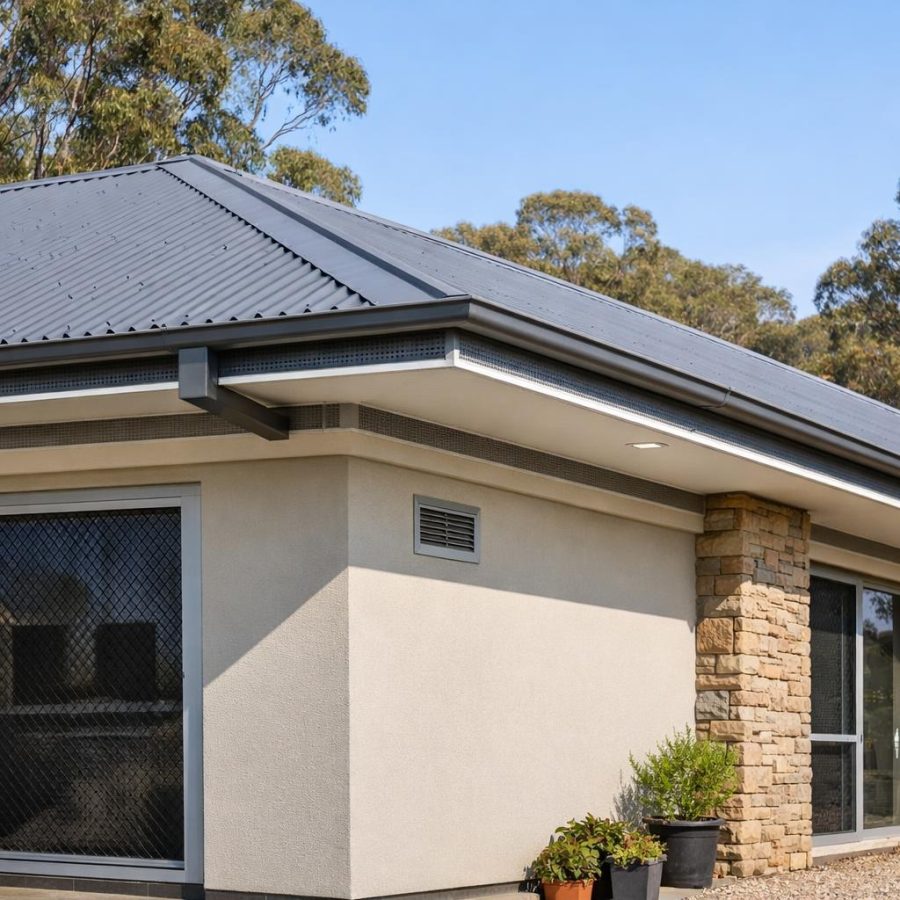
The most effective ember protection is built into the house, not left to last-minute action. Learn how to design and retrofit homes…
This article explains the overall architecture of an Integrated Residential Bushfire Protection System in simple terms. It shows how the system detects…
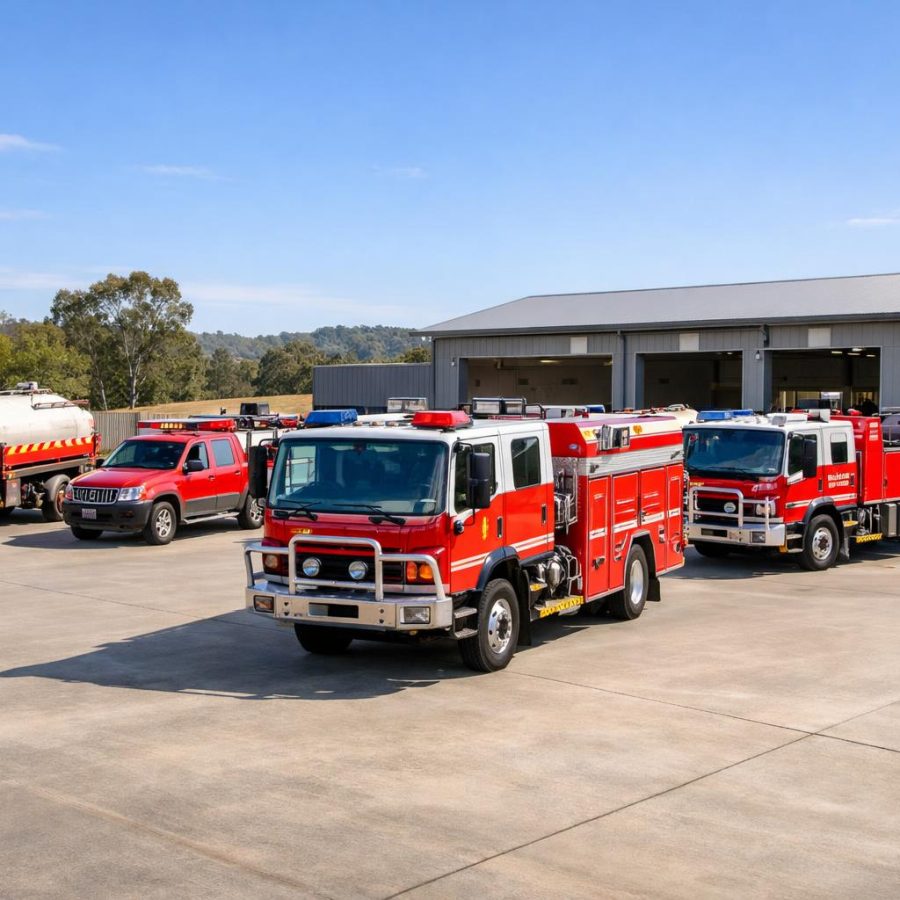
A practical risk-based fleet management model for a fictional Australian fire service operating 100 brigades, showing how to allocate, rotate and replace…
An Integrated Residential Bushfire Protection System can be costed for many new Australian homes at around $30,000 to $65,000 installed, depending on…
This article launches a 20-part FireRescue series on an Integrated Residential Bushfire Protection System. The goal is to explore whether modern engineering…
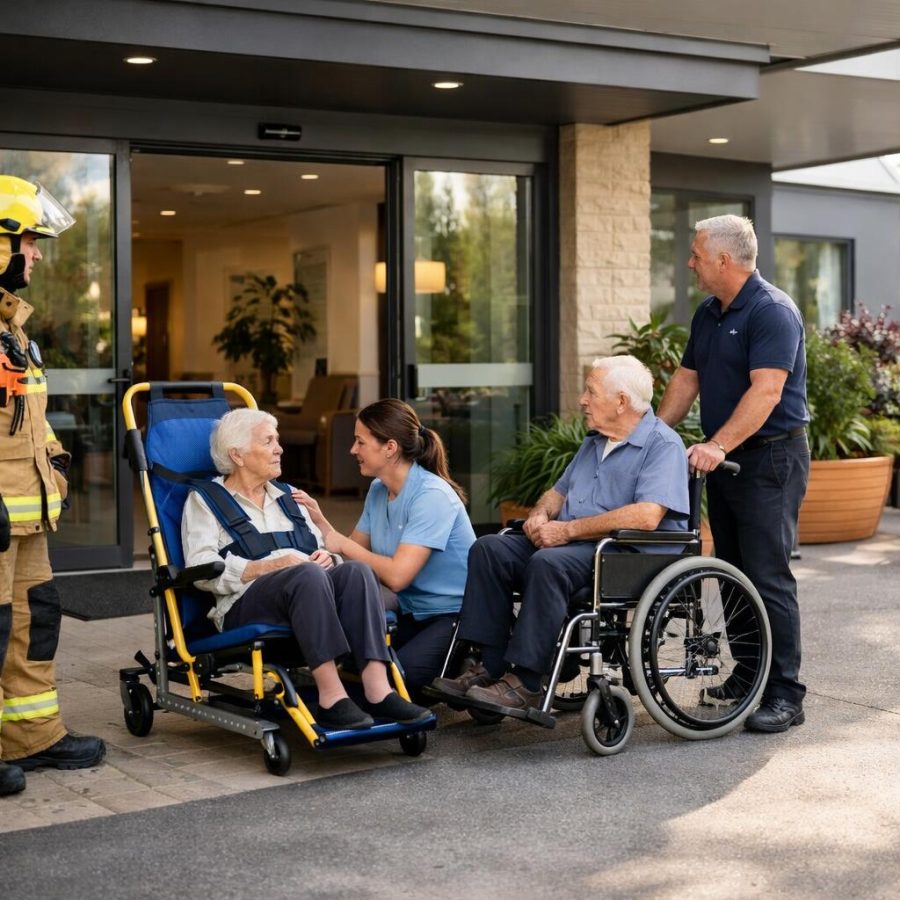
Aged-care facility fires demand fast decisions, careful evacuation planning and close coordination between staff and emergency services. In many cases, progressive evacuation…
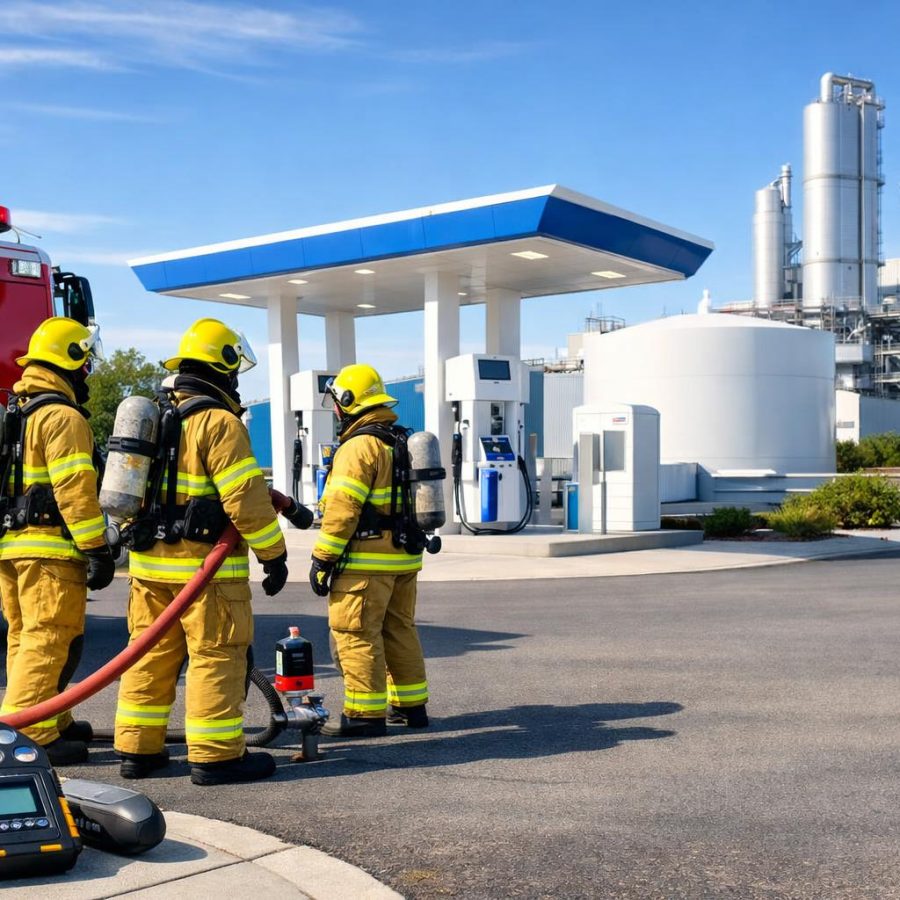
Hydrogen fuel-cell vehicles and refuelling stations bring different emergency hazards, not greater ones by default. This guide explains the key safety considerations…
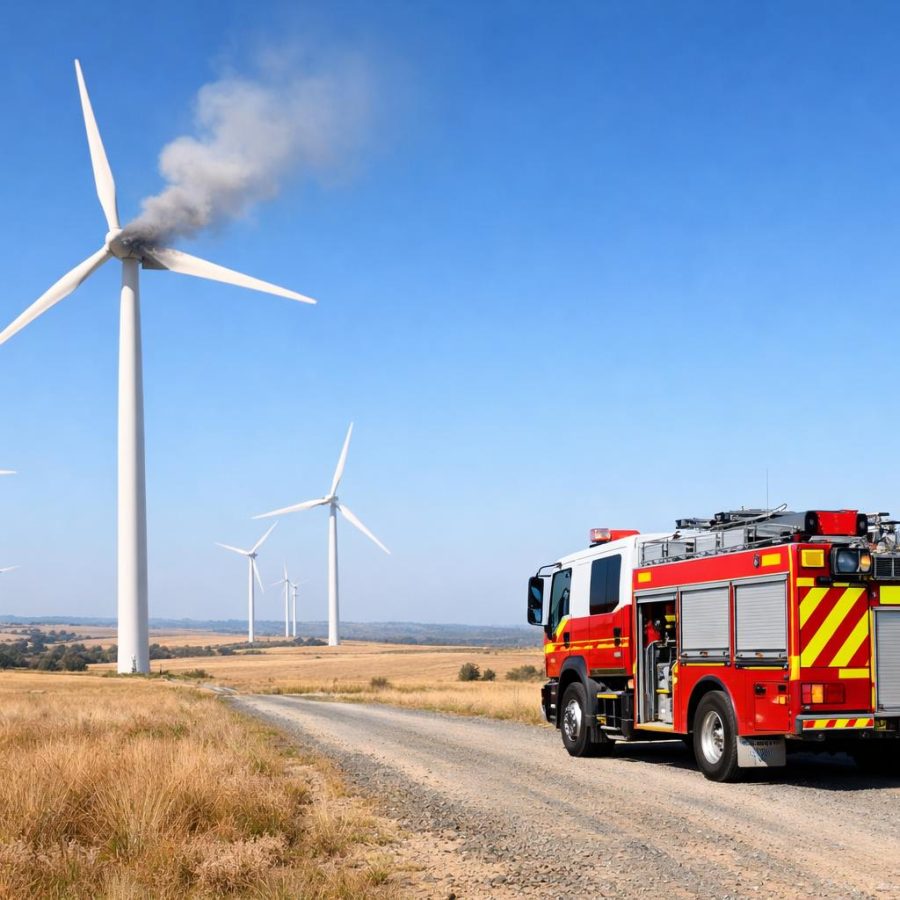
Wind turbine fires create a difficult mix of electrical, mechanical, height and bushfire risks. Australian responders need strong pre-planning, site information and…