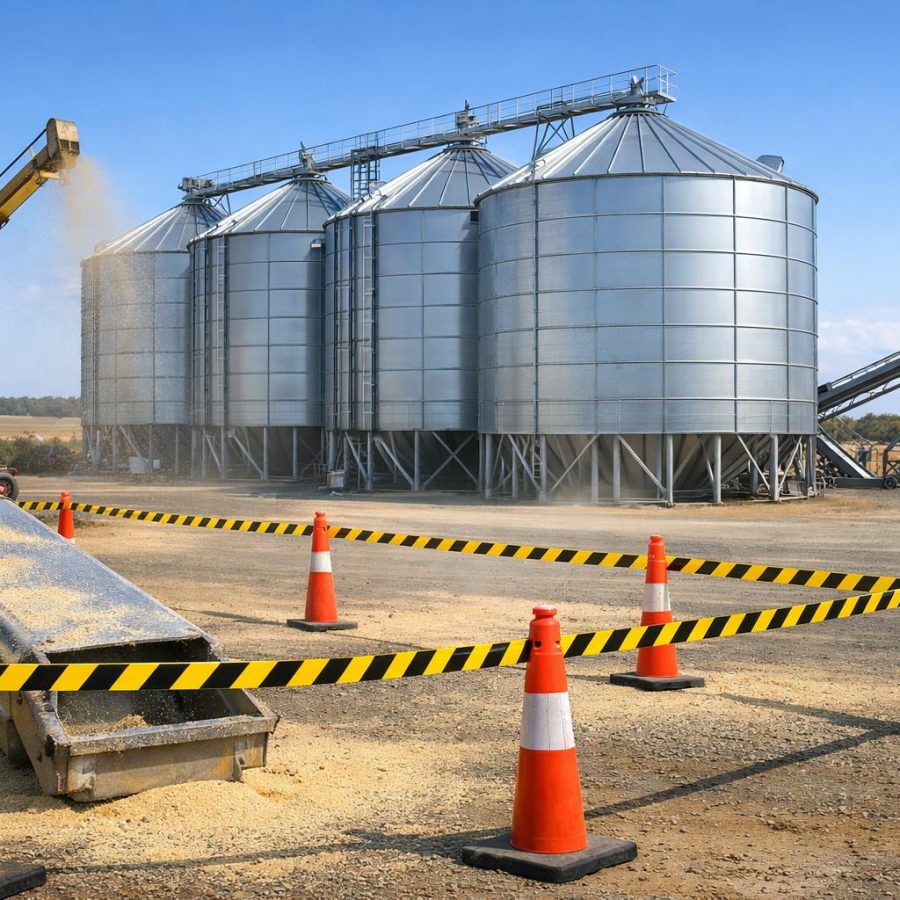
Gaining Access Safely, Part 4 of 6, Stabilisation, Rescue Equipment and Casualty Packaging
Learn gaining access safely for USAR first responders, including site stabilisation, rescue equipment limits, casualty packaging and safe team handling.
Official fire, flood, storm and incident information for every state and territory.
Official emergency information only — call 000 in an emergency.
Dense, clean posts — gear, readiness, travel, performance. Minimal clutter. Red accents.
Learn gaining access safely for USAR first responders, including site stabilisation, rescue equipment limits, casualty packaging and safe team handling.
Learn surface search casualty location skills for USAR first responders, including intelligence gathering, calling, listening, condition checks and reporting.
El Niño is underway in the tropical Pacific and may strengthen through summer 2026–27. This assessment explains the main Australian emergency risks…
Learn structural collapse scene assessment for USAR first responders, including reconnaissance, hazards, dynamic risk, exclusion zones and reporting.
If you become lost in the Australian outback, the priority is to stop, stay put, signal for help and ration your energy,…
FireRescue Course Series • Part 1 of 6 USAR First Response Foundations — Role, Briefings, PPE and Rescue Readiness USAR first response…
Part 8 of the undertake road accident rescue series brings the full workflow together through one capstone crew scenario, from initial briefing…
Part 3 of 3 brings safe ground support around aircraft together with briefings, reporting, emergency directions and a final AIRSIDE SAFE capstone.
Earthquakes in remote Australia can happen with little or no warning, and isolation can make the consequences harder to manage. This guide…
Part 2 of 3 explains aircraft movement area safety, safe approaches, pilot or air crew approval, clearances, signals, vehicles and equipment control.
The Royal Flying Doctor Service plays a vital role in Australia’s emergency system, linking remote communities with rapid aeromedical care, transport and…
Part 4 of 4 explains how to conclude breathing apparatus operations. It covers shutdown, removal, cleaning, after-use inspection, equipment readiness, debriefing and…
How to Respond Safely to Road Accidents in Remote Outback Australia A practical, step-by-step guide for emergency services and the travelling public…
Part 1 of 3 introduces Work safely around aircraft foundations, covering airbase hazards, PPE, safe access, briefings and the AIRSIDE SAFE Cycle.
Command, Control and Tactical Strategies for Wildfires in the Australian Outback A practical operational guide for incident commanders, strike teams and frontline…
Part 7 of the undertake road accident rescue series explains how crews preserve the incident scene, recover equipment, complete decontamination, participate in…
Operate aerial appliance Part 4 of 4 Conclude Aerial Appliance Operations: Equipment Recovery, Fault Reporting, Debriefing and Final Capstone Challenge Concluding aerial…
Part 4 of Respond to aviation incidents explains how to conclude aviation incident operations through evidence preservation, forcible-entry damage reporting, site transfer…
Part 6 explains how to record and report BAL assessments, communicate findings clearly and complete the final capstone process.
Part 6 of the undertake road accident rescue series explains how crews provide controlled access paths and remove casualties using appropriate rescue…
Part 5 explains how to determine and verify BAL using fire danger inputs, vegetation classification, distance, slope and clear assessment checks.