Stay Prepared, Stay Informed
Key takeaways
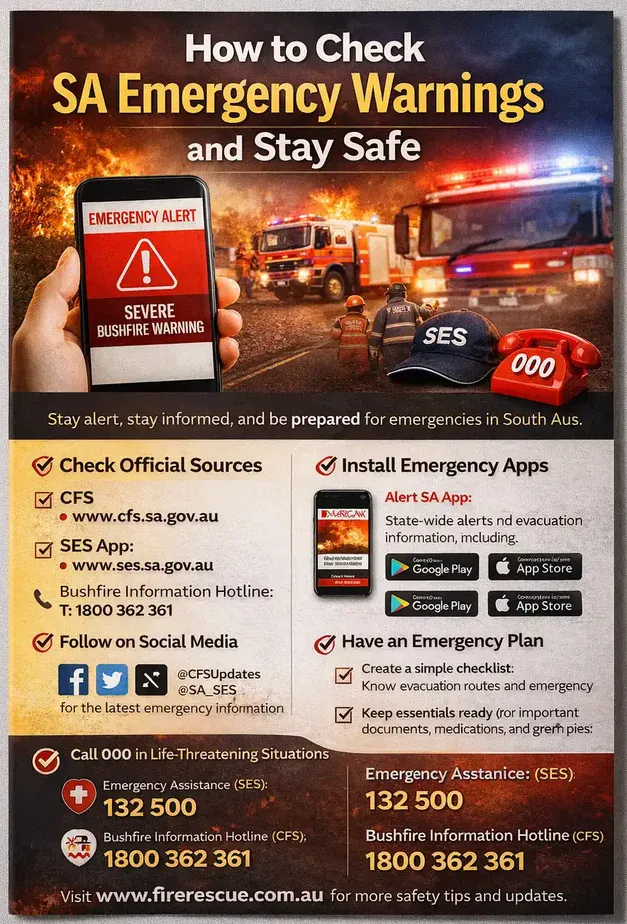
Knowing how to check SA emergency warnings can save lives. Use official sources like the South Australian Country Fire Service (CFS) and the State Emergency Service (SES) websites, apps, and information-in-emergencies/”>broadcasts to stay up to date. Installing alert apps and following local emergency services on social media are practical steps you can take now to stay informed.
Always follow advice from Fire/Rescue, Police, SES, and Ambulance services. If an emergency is life-threatening, call 000 immediately. Having a simple checklist ready for your home and workplace can help you act quickly when warnings come through.
Understanding SA Emergency Warnings
South Australia is exposed to various emergencies including bushfires, floods, storms, and extreme heat. Emergency warnings are designed to alert the public quickly about dangers that require immediate action. The key to safety is knowing where and how to check these warnings so you can respond appropriately.
What Types of Emergency Warnings Are flood-evacuation-checklist-firerescue/”>Issued?
In SA, warnings range from Informational updates to Watch and Act alerts, and Emergency Warnings. Each level signals the urgency and action required. For example, a Watch and Act means you should prepare to move or protect yourself, while an Emergency Warning means immediate danger and action is needed now. These warning levels are carefully structured to help residents understand the severity of the situation and the necessary response. It’s vital to recognise these distinctions to avoid underestimating a threat or overreacting unnecessarily.
Who Issues These Warnings?
The South Australian Country Fire Service (CFS) issues most bushfire warnings. The State Emergency Service (SES) manages flood and storm alerts. The Bureau of Meteorology (BOM) provides weather warnings. Police and Ambulance services provide critical updates during emergencies. It’s important to rely on official channels to avoid misinformation. The collaboration between these agencies ensures comprehensive coverage of all possible emergency scenarios, enabling residents to receive timely and accurate information tailored to their location and specific risks.
How To Check SA Emergency Warnings
There are several ways to stay connected to emergency warning information in South Australia. Each method helps ensure you receive timely and accurate updates to protect yourself and your family. Utilizing multiple sources increases the likelihood of receiving warnings promptly, especially if one communication channel is interrupted during an emergency.
Official Websites
The CFS website (www.cfs.sa.gov.au) is the primary source for bushfire warnings in South Australia. It provides live updates, maps, and advice. For floods and storms, visit the SES website (www.ses.sa.gov.au). The Bureau of Meteorology offers detailed weather forecasts and warnings. These websites are updated continuously during emergencies and include interactive maps that allow users to check warnings relevant to their specific suburb or region. Bookmarking these pages and checking them regularly during high-risk periods can be life-saving.
Emergency Warning Apps
Downloading the official SA CFS app or SES app to your smartphone can bring alerts directly to your device. Apps often allow you to set location preferences so you only receive warnings relevant to your area. Other national services like the BOM Weather app and Emergency+ also provide useful alerts. These apps provide push notifications that cut through the noise and deliver concise, actionable information. Some apps even offer safety tips, evacuation routes, and the ability to report incidents, helping communities stay engaged and informed.
Social Media and Broadcasts
Follow official emergency services on social media platforms such as Twitter and Facebook. These platforms provide real-time updates and share practical advice. Local radio and TV stations broadcast emergency warnings too, which is especially helpful if power or internet is down. Many emergency services use social media to communicate quickly with the public, including live videos and Q&A sessions during prolonged events. Radio broadcasts are invaluable when mobile networks are congested or unavailable, so keeping a battery-powered or car radio handy is recommended.
SMS Emergency Alerts
The Australian government sends free emergency alerts via SMS to mobiles in affected areas. Keep your phone switched on and nearby during high risk periods. These messages provide critical, location-specific instructions and should never be ignored. The SMS alert system is designed to reach people even when other communications fail, delivering urgent information such as evacuation orders or shelter-in-place instructions. Ensure your mobile number is registered and up to date with your service provider to receive these alerts.
What To Do When You Receive An Emergency Warning
When you receive a warning, stay calm and read it carefully. Check the source to confirm it is official. Follow the advice promptly. This might mean preparing to evacuate, seeking shelter, or avoiding certain areas. Don’t rely on social media rumours or unofficial messages. It is essential to trust only verified sources to avoid confusion and potentially dangerous decisions.
Keep your emergency kit, important documents, and mobile phone ready to go. Inform family members or neighbours who may not have received the warning. If you have pets, prepare to take them with you. Always prioritise your personal safety and avoid unnecessary risks. Remember that conditions can change rapidly; stay alert and be prepared to adjust your plans as new information becomes available.
If You Only Do Five Things
First, bookmark and regularly check the CFS and SES websites during the fire and storm seasons. These sites have the most reliable and up-to-date information. Staying proactive by monitoring these sources allows you to anticipate potential emergencies and act early.
Second, install official emergency apps on your phone and allow notifications to get timely warnings tailored to your location. Customising alerts ensures you’re not overwhelmed with irrelevant information but remain informed about threats that matter to you.
Third, follow emergency services on social media for live updates and practical advice, but always verify sources. Social media can be a valuable tool for real-time communication when used responsibly and critically.
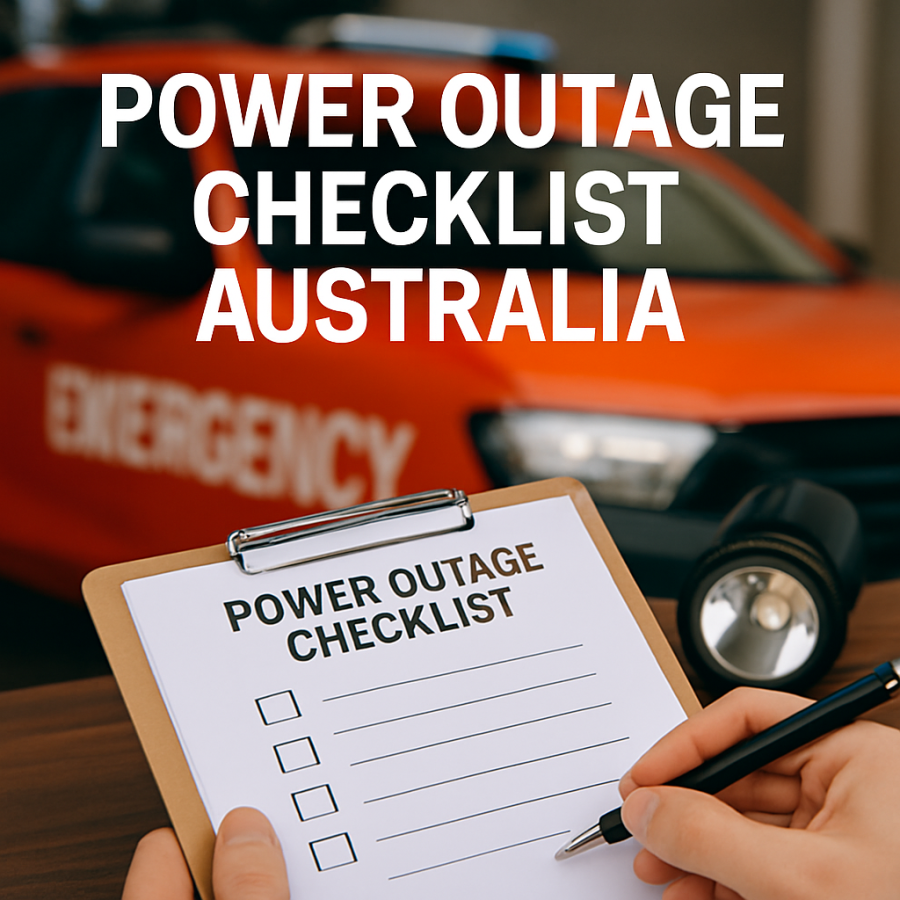
Fourth, maintain a printed or digital checklist of emergency actions for your household or workplace to ensure quick responses. Preparation reduces panic and confusion during a crisis, enabling efficient decision-making.
Fifth, if an emergency is life-threatening, call 000 immediately for Fire/Rescue, Police, or Ambulance assistance. Don’t wait or hesitate. Early contact with emergency services can save lives and ensure rapid response.
Who Does What in Australia
Fire/Rescue
They respond to fires, rescue operations, and hazardous situations. In SA, the CFS leads bushfire management while metropolitan Fire Rescue SA helps with urban fires and rescues. Their teams are highly trained and equipped with specialised vehicles and tools to tackle a wide range of emergency scenarios, including chemical spills, road accidents, and structural collapses.
Police
Police coordinate public safety, manage road closures, enforce evacuations, and assist during emergencies to maintain order and protect communities. They also play a crucial role in disseminating information to the public and supporting other emergency services during complex incidents.
Ambulance
Ambulance services provide urgent medical care and transport during emergencies. They are essential when injuries or health issues occur in emergency situations. Their paramedics are trained to deliver life-saving interventions on-site and ensure rapid transfer to medical facilities.
State Emergency Service (SES)
SES specialises in floods, storms, and rescue operations. They provide warnings, support evacuations, and help communities recover after disasters. Volunteers form the backbone of SES, offering local knowledge and invaluable assistance during and after emergencies to help affected residents rebuild their lives.
Preparing Your Home, Family, and Workplace
Preparation is key to reducing risks during emergencies. Make sure your home has working smoke alarms, fire extinguishers, and a clear evacuation plan. Keep important documents in a waterproof container. Talk with family members about meeting points and emergency contacts. Regularly review and practice your plan, so everyone knows what to do and where to go if a warning is issued. Consider special needs such as medications, mobility aids, or pets when planning.
In workplaces, ensure all staff know the emergency procedures and exits. Display emergency contact numbers prominently. Regularly test alarms and conduct drills. Keep first aid kits accessible and ensure staff know how to use them. Encourage a culture of safety by providing training sessions and clear communication channels. Designate emergency wardens to assist coordination during incidents.
Stay informed by checking warnings daily during high-risk weather or fire seasons. Having a printed checklist near your phone or emergency kit can make a difference when seconds count. Additionally, consider preparing an emergency supply kit containing water, non-perishable food, flashlight, batteries, and essential medications to sustain you and your family if you need to shelter in place or evacuate quickly.
FireRescue Training Hub
Access practical fire and emergency study support resources, downloads, checklists, audio guides, and member-only course content.
- Course library
- PDF downloads
- Audio guides
- Checklists
Study support only. Not accredited training or a replacement for workplace procedures.
About the author and safety review
Ken Walker
Former Station Officer and fire service educator
Former career firefighter with extensive career and volunteer fire service experience.
Qualifications: Associate Diploma of Applied Science in Fire Technology; Institute of Fire Engineers studies.
Author profilehttps://www.firerescue.com.au/about-us/