Key Takeaways
Checking WA emergency warnings quickly and reliably is vital to your safety during bushfires, floods, storms, or other emergencies. Using official government and emergency service websites, mobile alerts, and local radio will keep you informed in real time.
This guide explains practical steps to access current warnings, understand their severity, and respond effectively. It focuses on Western Australia’s systems but includes broader advice on cooperating with Fire/Rescue, Police, SES, and Ambulance services during incidents.
Understanding WA Emergency Warnings
Western Australia’s emergency warning system is designed to alert residents about immediate dangers from bushfires, storms, floods, or other hazards. These warnings use clear language and colour codes to show the level of threat. Knowing how to check for these warnings helps you take quick action to protect yourself and your family.
Types of Warnings
WA emergency warnings typically include Advice, Watch and Act, and Emergency Warning. Advice means stay informed, Watch and Act means prepare to leave or take safety actions, and Emergency Warning means immediate danger—act now. Understanding these levels guides your response.
In addition to these standard warning levels, it is important to recognise that emergency warnings can vary depending on the nature and scale of the incident. For example, some warnings may include specific <a href="https://www.firerescue.com.au/comprehensive-fire-safety-training-guide-for-australian-communities/”>instructions for evacuation routes, shelter locations, or protective measures to take within your home. Staying informed about these details can significantly improve your preparedness and response.
WA Emergency Warnings Brochure
Download the printable A4 brochure to help your family quickly understand warning levels, trusted sources, and what to do in an emergency.
Important Emergency Numbers for Western Australia
Keep these numbers handy. In any immediate danger, always call 000.
Life-Threatening Emergency
Police, Fire or Ambulance for immediate danger.
Call 000SES Emergency Assistance
Storm, flood and cyclone assistance for property damage.
Call 132 500DFES Emergency Information
Recorded emergency information and incident updates in WA.
Call 13 3337Police Assistance
Non-urgent police help, reporting incidents, or requesting attendance.
Call 131 444Poisons Information
24-hour expert advice for suspected poisoning, bites and stings.
Call 13 11 26Emergency warnings are also tailored to the geography and demographics of affected areas. Coastal communities might receive specific flood warnings, while inland regions may be more prone to bushfire alerts. Indigenous communities and remote areas often have specialised communication methods to ensure warnings reach all residents effectively. Understanding these nuances helps ensure that warnings are received and acted upon appropriately.
How To Check WA Emergency Warnings Effectively
The most reliable way to check emergency warnings in WA is through official channels. The Department of Fire and Emergency Services (DFES) website is the primary source for up-to-date warnings. You can view maps showing warning areas, current incident details, and advice tailored to your location.
Mobile devices are also essential tools. The Emergency WA app provides real-time alerts and warnings. Signing up for SMS or email alerts via the State Emergency Service (SES) or local councils can give you early notice of changing conditions.
Listening to local ABC radio or other trusted stations offers live updates and official warnings especially during power outages or when internet access is limited.
It’s also wise to familiarise yourself with the types of alerts your mobile phone can receive. Most modern smartphones support government-issued emergency alerts, which override silent modes to deliver urgent messages. Ensuring your device settings allow these alerts can be a lifesaver during critical situations.
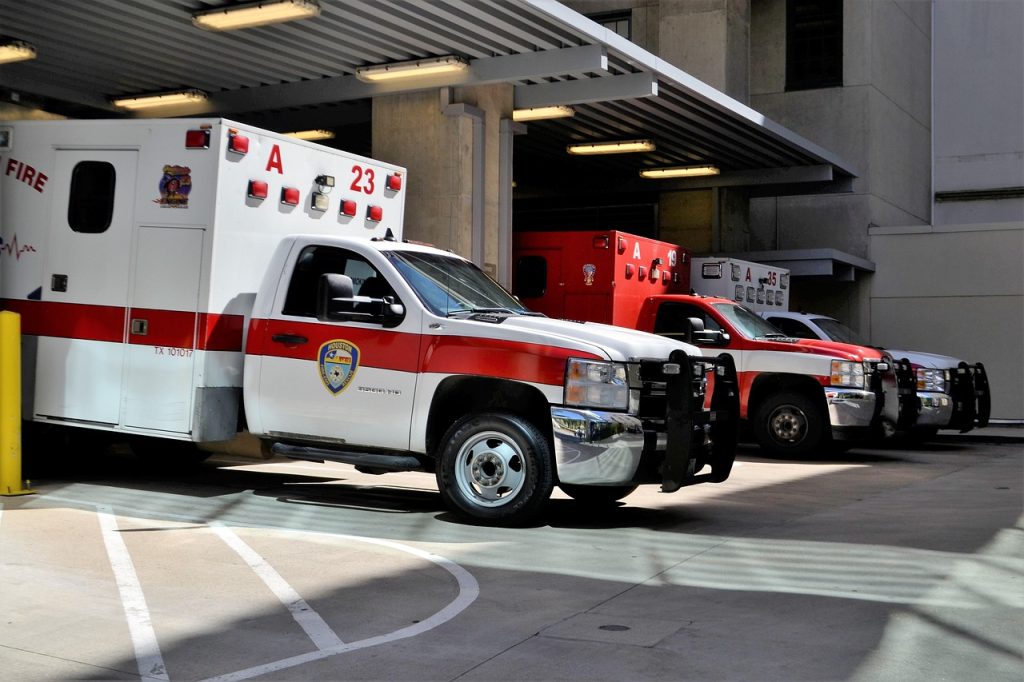
Photo by ArtisticOperations via Pixabay
Beyond digital and broadcast media, consider community bulletin boards and local notice areas. Some regional towns use SMS broadcast systems or community loudspeakers to alert residents. Neighbours and community groups often play a crucial role in disseminating information quickly, especially in areas with limited connectivity.
Other Trusted Sources
In addition to DFES, your local government websites often post warnings and community messages. Police and Ambulance services may also release important updates, particularly when roads are closed or evacuations are underway. Ensure you follow verified sources to avoid misinformation.
Social media platforms can provide immediate updates but should be used cautiously. Always verify information from official accounts such as DFES, WA Police, or SES to prevent the spread of rumours. Many agencies maintain active social media profiles that share real-time alerts, safety tips, and community support information.
Community radio stations and volunteer organisations often supplement official warnings with localised information and advice. Engaging with these groups can enhance your situational awareness and provide support networks during emergencies.
What To Do When You Receive An Emergency Warning
When you get an emergency warning, the first step is to stay calm and read the message carefully. Identify the type of warning, the affected area, and recommended actions. Follow instructions from official agencies without delay.
If the warning indicates an imminent threat, such as an Emergency Warning, prepare to evacuate immediately. Pack emergency kits, secure your property if time allows, and use the safest route advised by emergency services. Do not attempt to drive through hazardous conditions like flooded roads or fire-affected areas.
If you are unsure about what to do, contact your local SES or Fire/Rescue service for advice. Never ignore warnings or assume the situation will improve without action.
In addition to immediate response actions, it is essential to have a well-rehearsed emergency plan in place. This plan should include meeting points, communication methods with family or neighbours, and arrangements for pets and vulnerable individuals. Reviewing and updating this plan regularly ensures everyone knows what to do when an emergency warning is issued.
After evacuating or taking shelter, stay tuned to official updates before returning home or resuming normal activities. Emergency situations can evolve rapidly, and secondary hazards such as fallen power lines, contaminated water, or unstable structures may pose ongoing risks.
It is also important to communicate your safety status to family and emergency contacts once you are safe. This helps reduce worry and enables emergency services to focus on those who may still need assistance.
Photo by ArtisticOperations via Pixabay
If You Only Do Five Things
First, always check the Department of Fire and Emergency Services (DFES) website or app for the latest WA emergency warnings. This is your most current and credible source.
Second, sign up for local SMS or email alerts from your council or State Emergency Service to receive notifications directly to your phone or inbox.
Third, keep a battery-powered or car radio tuned to ABC Local Radio during emergencies to hear live updates if your internet or mobile service fails.
Fourth, prepare an emergency kit with essentials like water, food, medicines, and important documents. Have it ready in case you need to leave quickly.
Fifth, always follow the advice of Fire/Rescue, Police, SES, and Ambulance services, and call 000 if you or someone else is in a life-threatening situation.
Who Does What in Australia
Fire/Rescue teams handle fire emergencies including bushfires, structure fires, and rescues. They provide firefighting, evacuation support, and safety advice.
Police manage law enforcement, road closures, crowd control, and public safety during emergencies. They help coordinate evacuations and enforce emergency orders.
Ambulance services provide medical care and emergency transport for injuries or health crises resulting from incidents.
State Emergency Service (SES) assists with flood response, storm damage, rescues, and community support during disasters. They often help with sandbagging and evacuations.
Understanding the roles of these key emergency services helps you know who to contact in various situations. For example, during a flood, SES may be your first point of contact for assistance with sandbagging or evacuation support, while Fire/Rescue focuses on fire threats. Police coordinate road closures and maintain public order, and Ambulance services attend to medical emergencies. Coordinated efforts between these agencies ensure a comprehensive response to crises.
It is also worth noting that other organisations, such as volunteer groups, local councils, and community emergency response teams, play vital supporting roles. Their collaboration with official agencies enhances the overall emergency management framework, providing additional resources and local knowledge.
Final Thoughts
Knowing how to check WA emergency warnings is a simple but critical skill for everyone living in or visiting Western Australia. Emergencies can develop quickly, and having clear information helps you make safe decisions. Use official resources, stay informed, and prepare early. Always prioritise your safety and the safety of those around you.
Remember, in any life-threatening emergency, dial 000 immediately and follow instructions from emergency services.
Beyond just checking warnings, consider engaging with your community’s preparedness programs and drills. Many local councils and emergency services offer workshops or resources to help residents understand risk areas and develop personalised emergency plans. Being proactive not only enhances your safety but also strengthens community resilience during disasters.
Finally, keep in mind that emergency preparedness is an ongoing process. Regularly review and update your knowledge about local hazards, ensure your emergency kits remain stocked, and maintain communication plans with family and neighbours. Informed and connected communities are better equipped to face emergencies with confidence and resilience.
FireRescue Training Hub
Access practical fire and emergency study support resources, downloads, checklists, audio guides, and member-only course content.
- Course library
- PDF downloads
- Audio guides
- Checklists
Study support only. Not accredited training or a replacement for workplace procedures.
About the author and safety review
Ken Walker
Former Station Officer and fire service educator
Former career firefighter with extensive career and volunteer fire service experience.
Qualifications: Associate Diploma of Applied Science in Fire Technology; Institute of Fire Engineers studies.
Author profilehttps://www.firerescue.com.au/about-us/