<p id="firefighting-effective-communication-and-radio-use-for-firefighters-in-emergency-situations-🚒🔥”> 🚒🔥When a fire is raging, there’s no time for “uh, what did you say?” Effective communication can mean the difference between getting the job done safely or ending up in a world of trouble. In the wild, unpredictable world of firefighting, radios are our lifeline. They help us coordinate, strategize, and, most importantly, make sure everyone gets home safely. Let’s break down why mastering radio communication is as crucial as knowing how to handle a hose.
🎙️ The Unsung Hero: The Firefighter’s Radio
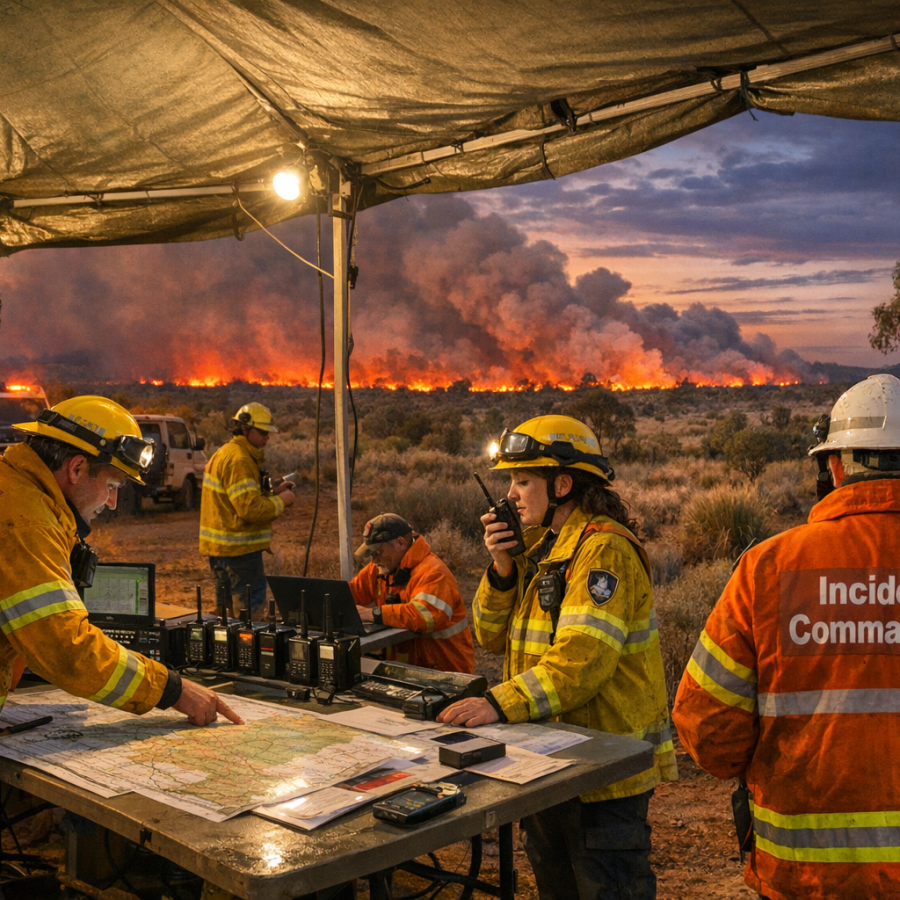
A firefighter’s radio isn’t just another gadget hanging off the belt—it’s the direct link between chaos and control. These rugged devices cut through the noise, helping teams stay connected when visibility is shot, and adrenaline is pumping. But here’s the kicker—having a radio doesn’t help if you don’t know how to use it properly.
Ever tried listening to someone mumbling through a fast-food drive-thru speaker? Now imagine that, but instead of missing a cheeseburger order, you’re missing crucial fireground instructions. Not ideal, right? That’s why firefighters rely on clear, concise communication.
📻 Radio Communication 101: It’s More Than Just Pressing a Button
Firefighters talk in a specific way over the radio—short, sharp, and straight to the point. There’s no time for long-winded stories when a structure’s roof is about to collapse.
✅ Plain Language is Key – This isn’t the time for slang or riddles. Emergency responders keep it simple. “Fire spreading to the roof” is much clearer than “This fire’s getting a bit cheeky up top!”
✅ Think Before You Transmit – Rambling on the radio clogs up the channel. Know what you’re going to say before pressing the push-to-talk (PTT) button.
✅ Confirm Messages – Ever played ‘Chinese whispers’? Miscommunication in a fire scene can be disastrous. Always repeat critical instructions back to confirm you got them.
✅ Prioritize Urgent Traffic – If someone’s yelling “Mayday,” everyone else shuts up and listens. Emergencies take priority over routine chatter.
🚀 Common Radio Mistakes (And How to Avoid Them)
Even the best firefighters sometimes mess up their radio communication. Here are some classic mistakes, plus tips to avoid them.
1️⃣ Talking Too Fast
Adrenaline is cranked up to 100, and suddenly your words come out like a high-speed auctioneer. But firefighters aren’t just listening to you—they’re listening while dodging falling debris, directing hose streams, or pulling someone from a burning room. Slow down. Breathe. Speak clearly.
2️⃣ Failing to Wait Before Transmitting
Radios have a slight delay, and talking immediately after pressing the button means your first few words get cut off. That’s how “Command, we need backup!” becomes “… need backup!” Who needs backup? Where? Wait a second after keying the mic to make sure your full message gets through.
3️⃣ Holding the Mic Too Close or Too Far
Hold the mic too close? You sound like Darth Vader breathing into the speaker. Too far? Nobody hears a word. The sweet spot is about two to three centimetres from your mouth.
4️⃣ Over-Talking or Interrupting
In the heat of the moment, everyone’s got something important to say. But stomping over someone else’s transmission can result in crucial information getting lost in the noise. Listen first, then talk.
5️⃣ Forgetting Call Signs
Saying “Hey mate, we need water pressure” isn’t helpful when five crews are working the same incident. Proper call signs (e.g., “Alpha Crew to Command”) ensure the right messages go to the right people.
🔥 Communication’s Role in Firefighter Safety
Radio communication isn’t just about talking—it saves lives.
💡 Situational Awareness – Knowing where your team is, what’s happening around you, and how conditions are changing is critical in preventing disaster.
💡 Rapid Response to Danger – If someone calls “Mayday,” every second counts. Clear communication ensures immediate action to assist a firefighter in trouble.
💡 Coordination Between Crews – It’s not just your squad out there—multiple units work together in large incidents. Keeping everyone aligned prevents confusion and chaos.
💡 Efficient Fire Suppression – A well-coordinated attack with seamless communication can stop a fire before it spreads out of control.
🏆 Mastering the Australian Fireground Lingo
Firefighters in Australia have a way of keeping it short and sweet over the radio. Here are some common radio terms used across fire services:
🔥 “Over” – I’ve finished talking. Your turn.
🔥 “Copy” – Message received and understood.
🔥 “Mayday” – A firefighter is in danger and needs immediate help.
🔥 “Priority Traffic” – Urgent but not quite a Mayday. Used when vital information needs to be relayed immediately.
🔥 “Sitrep” (Situation Report) – A quick status update on what’s happening at the scene.
🔥 “On Scene, Assuming Command” – The first officer to arrive takes charge of the incident.
🔥 “Code 1” or “Lights and Sirens” – Responding to an emergency at high priority.
🔥 “Code 3” or “Proceed Normal Road Speed” – No need for sirens, proceed safely.
Memorizing these terms is a game-changer, especially when every word counts.
🚨 FAQs: Firefighter Radio Communication
❓ What type of radios do Australian firefighters use?
Australian fire services typically use VHF and UHF radios, designed for rugged conditions with excellent range in rural and urban environments.
❓ How do firefighters hear radios in noisy environments?
Firefighters use noise-canceling speaker mics or earpieces that help filter out background noise from sirens, fire crackling, and general chaos.
❓ What happens if radio communication fails?
Firefighters are trained in hand signals and other backup communication methods when radios are unreliable. Backup radios, repeaters, and messaging systems also help maintain contact.
❓ How often do firefighters train with radios?
Firefighters regularly train in radio communication because, like any skill, it gets rusty without practice!
🎬 Final Thoughts
At the end of the day, a firefighter without good communication skills is like a hose without water—pretty useless. Firefighting is teamwork at its core, and every second counts when lives and property are on the line.
So next time a firefighter keys up the radio, remember—it’s more than just talking. It’s about clarity, urgency, and keeping everyone safe. And that’s something worth tuning in for.
👉 Want to learn more about firefighting tactics and survival skills? Check out our latest blogs or share your own experiences in the comments! 🚒🔥
FireRescue Training Hub
Access practical fire and emergency study support resources, downloads, checklists, audio guides, and member-only course content.
- Course library
- PDF downloads
- Audio guides
- Checklists
Study support only. Not accredited training or a replacement for workplace procedures.