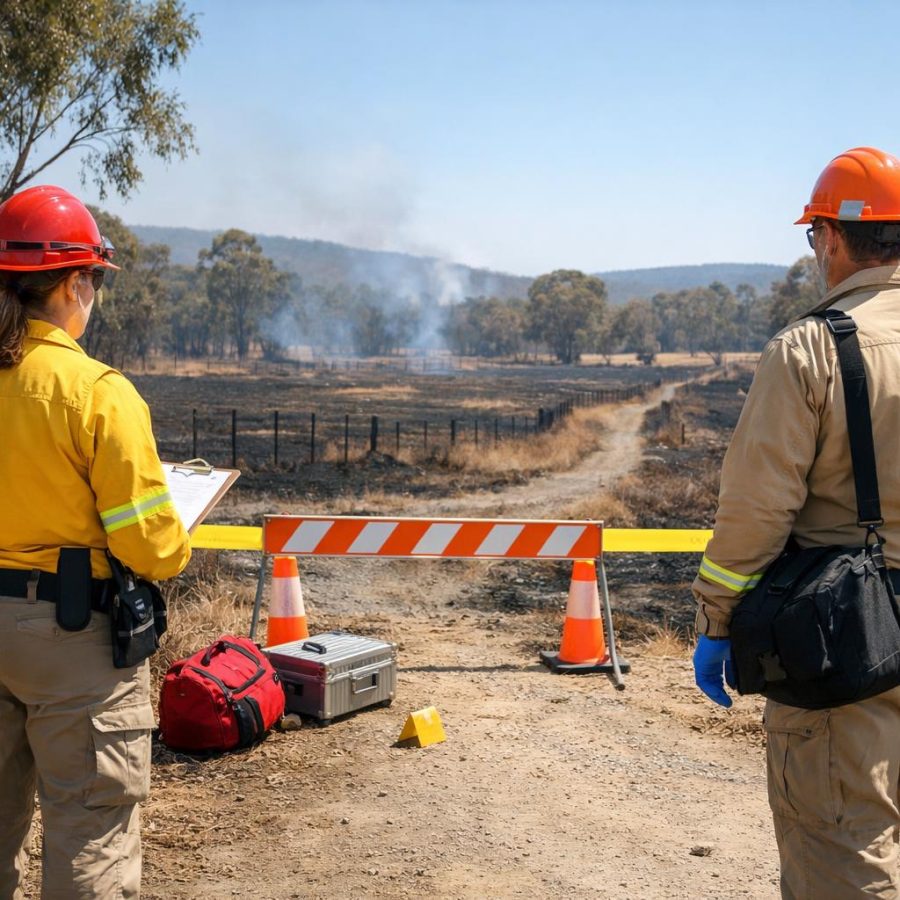
Australian workplace safety guide
Emergency Evacuation Plan: A Practical Australian Workplace Guide
Learn how to prepare, communicate, test and improve an emergency evacuation plan
that suits your workplace, its hazards and the people who may be present.
Downloads are being prepared. The buttons will be activated shortly.
During a life-threatening emergency
Raise the alarm, move away from danger and call Triple Zero (000)
when it is safe to do so. Follow instructions from emergency services and do not
re-enter the area until authorised.
Start with the purpose
What is an emergency evacuation plan?
An emergency evacuation plan is a clear set of instructions for moving workers,
contractors, customers and visitors away from danger. It explains how an alarm is
raised, which routes may be used, where people should assemble and how everyone
will be accounted for.
An evacuation plan is usually one part of a broader workplace emergency plan.
The broader plan may also cover first aid, communication, emergency shutdowns,
shelter-in-place actions and contact with emergency services.
Move safely
Identify suitable exits, alternative routes and safe assembly areas.
Account for people
Use a practical process for checking workers, visitors and contractors.

Practical example
Simple emergency evacuation plan example
The following example shows the type of information a small office or shop could
record. It must be changed to match the actual building, hazards, workers and local
requirements.
Workplace
Example Office, 10 Sample Street, Regional Victoria
Possible emergencies
Fire, smoke, gas leak, electrical incident, severe weather and threatening behaviour.
How to raise the alarm
Activate the building alarm, warn nearby people and call 000 when safe.
Primary exit
Front exit leading directly to the open car park.
Alternative exit
Rear emergency exit leading to the side access path.
Assembly area
Signed assembly point beside the far boundary fence, away from vehicle access.
People needing assistance
Assistance arrangements are discussed privately, documented and practised.
Accountability
The nominated coordinator checks the visitor register and staff list, then reports concerns to emergency services.
Re-entry
No person returns until emergency services or the authorised person gives approval.
workplace. A plan must reflect the actual hazards, layout, occupants and emergency
arrangements at the site.
Core information
What should an emergency evacuation plan include?
A workplace plan should clearly address:
- The emergencies that may reasonably occur at the workplace.
- How a person raises the alarm and contacts emergency services.
- When people should evacuate, shelter in place or follow another action.
- Primary and alternative evacuation routes.
- Safe exits and assembly areas.
- Arrangements for workers, visitors, contractors and customers.
- Assistance for people who may need additional support.
- People assigned to coordination, communication and accountability roles.
- First aid and essential emergency equipment arrangements.
- Any safe shutdown procedure that can be completed without delaying evacuation.
- How information, training and instruction will be provided.
- How and when the plan will be tested, reviewed and updated.
Plans should use simple language. Avoid long explanations during the action steps.
People need short instructions that can be followed under pressure.
Build it step by step
How to create an emergency evacuation plan
1
Identify emergencies and hazards
Consider fire, smoke, hazardous substances, medical emergencies, severe
weather, equipment failure, violence and other credible events.
2
Inspect the workplace layout
Check exits, doors, stairs, passageways, lighting, signs, access points and
areas where people may become isolated.
3
Select suitable routes
Record a primary route and, where possible, an alternative route. Keep exits
and paths clear of stored items and other obstructions.
4
Choose safe assembly areas
Assembly areas should be away from the hazard and should not block fire
appliances, ambulances, police vehicles or access gates.
5
Assign practical responsibilities
Choose trained people to help coordinate the response. Provide enough
coverage for leave, different shifts and changing work arrangements.
6
Consult the people who use the workplace
Workers often know where congestion, communication problems or access
difficulties may occur. Include contractors and relevant representatives.
7
Document and display the plan
Keep instructions easy to find. Display evacuation diagrams where appropriate
and make the full plan available to workers.
8
Train, test and improve
Practise the plan, record lessons and correct problems. Repeat training when
the workplace, workforce or hazards change.
Instructions for occupants
Example workplace evacuation procedure
- Recognise the warning.
Stop work and listen for instructions when an alarm, announcement or warning is given. - Warn others and call for help.
Raise the alarm and call 000 when a police, fire or ambulance response is required. - Leave by the nearest safe route.
Do not travel through smoke, fire, chemical vapour, floodwater or another known danger. - Do not delay to collect belongings.
Take only essential personal items that are immediately available and do not slow evacuation. - Use lifts only when the plan specifically permits it.
In many emergencies, stairs or another protected route will be required. - Provide assistance within your training and assigned role.
Do not place yourself in danger or attempt an unplanned rescue. - Go directly to the assembly area.
Remain clear of roads, gates, hydrants and emergency vehicle access. - Report missing or injured people.
Give accurate information to the coordinator or emergency services. Do not go back to search. - Wait for further instructions.
Do not re-enter until emergency services or an authorised person confirms it is safe.
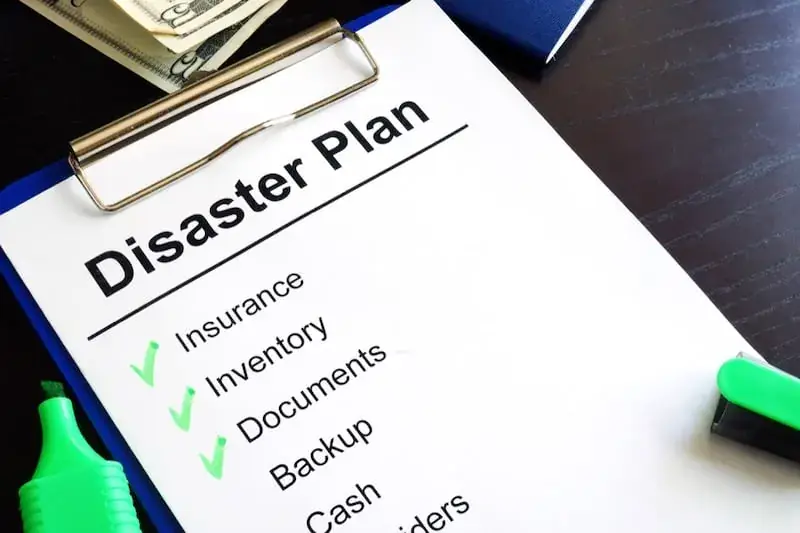
Clear coordination
Emergency roles and responsibilities
The titles used will depend on the workplace. What matters is that responsibilities
are understood, suitable people are trained and backup arrangements are available.
Person in control
Assesses available information, activates the plan, coordinates the initial
response and hands over to emergency services when they arrive.
Wardens or area coordinators
Direct people towards a safe route, check assigned areas when safe and report
relevant information. They should not delay their own evacuation.
First aid personnel
Provide care within their training and available resources, without entering
an unsafe area.
Workers and occupants
Follow instructions, use safe exits, report hazards, assist only as arranged
and remain at the assembly area.
Wardens and workers are not expected to fight a fire, enter smoke or perform a rescue
unless they are properly trained, equipped, authorised and able to do so safely.
Inclusive planning
Planning for people who may need assistance
Some people may need extra time, information or physical assistance. This can
include people with mobility, hearing, vision, communication or cognitive needs,
as well as people affected by an injury, pregnancy, medication or temporary illness.
Discuss assistance privately and respectfully. Record practical arrangements,
identify suitable helpers and include those arrangements in training and drills.
Do not assume what a person can or cannot do.
- Use alarms and instructions that can be seen, heard or otherwise understood.
- Identify accessible routes and suitable alternatives.
- Consider visitors who may not know the building.
- Make arrangements for service animals and essential mobility equipment.
- Provide backup assistance if the nominated helper is absent.
- Protect personal and medical information.
Keep the plan effective
Training, evacuation drills and plan reviews
A written plan is not enough. Workers need information, instruction and training
so they understand the alarm, routes, assembly areas and their responsibilities.
Testing the plan
Set a testing schedule that suits the workplace and applicable requirements.
Consider different shifts, work areas and realistic conditions. A drill should not
expose anyone to unnecessary risk.
After each drill or emergency
- Record what happened and how long key actions took.
- Ask workers, wardens and observers what caused confusion or delay.
- Check whether alarms and communication methods were effective.
- Review congestion, blocked paths and assembly-area problems.
- Correct problems and tell workers about the changes.
Review the plan when circumstances change
Review the plan after testing and whenever there are important changes to the
workplace, hazards, work activities, layout, workforce or emergency arrangements.
Coming soon
Emergency evacuation drill record
Use this future form to record observations, problems and agreed improvements.
One action may not suit every event
Evacuation, shelter in place or lockdown
Evacuation is not always the safest response. The workplace emergency plan should
explain who decides which protective action is required.
| Protective action | General purpose | Possible examples |
|---|---|---|
| Evacuation | Move people away from danger within or near the workplace. | Fire, smoke, gas leak or an unsafe structure. |
| Shelter in place | Keep people inside a safer part of the building. | External hazardous smoke, severe weather or nearby police activity. |
| Lockdown | Secure people from a threatening person or security event. | Violence, an intruder or another immediate external threat. |
These are general examples only. Follow the workplace plan and instructions from
police, fire, ambulance or other responsible authorities.
Australian context
Workplace emergency planning requirements in Australia
Workplace safety laws and regulators differ across Australia. In jurisdictions
using the model Work Health and Safety laws, workplaces must prepare, maintain and
implement an emergency plan. The plan must include emergency procedures, testing
arrangements and information, training and instruction for relevant workers.
Victoria operates under its own occupational health and safety laws. Victorian
workplaces should use current WorkSafe Victoria guidance and check the requirements
that apply to their industry and premises.
AS 3745—Planning for emergencies in facilities is an important
Australian reference for facility emergency planning. Access to the full standard
may require purchase. Building, fire safety, dangerous goods and industry-specific
obligations may also apply.
risk assessment, professional advice, an applicable Australian Standard or instructions
from your regulator and emergency services.
Final review
Emergency evacuation plan checklist
- Our plan reflects the actual workplace and its credible emergencies.
- Workers and visitors can recognise the alarm and understand what to do.
- Primary and alternative routes have been checked.
- Exits, paths and emergency access are kept clear.
- Assembly areas are safe and clearly identified.
- Roles are assigned and backup people are available.
- People who may need assistance have suitable arrangements.
- Workers receive information, instruction and training.
- The plan is tested and lessons are recorded.
- The plan is reviewed after changes, drills and emergencies.
- Emergency contact and regulator information is current.
- No person is expected to enter danger as part of their role.
Printable resource coming soon
Workplace evacuation checklist
A simple printable version will be added to this guide.
Common questions
Emergency evacuation plan FAQs
What is the difference between an emergency plan and an evacuation plan?
An emergency plan covers the workplace response to different emergencies.
Evacuation is one protective action within that broader plan.
How often should an evacuation plan be tested?
Use a testing schedule that suits the workplace and applicable legal, regulator,
building, lease and industry requirements. Test again after important changes
and review the plan after every drill or real emergency.
Who is responsible for the workplace emergency plan?
The legal duty normally sits with the employer, business or other duty holder.
Specific coordination tasks may be assigned to trained people, but assigning a
role does not remove the organisation’s responsibility.
Should workers use a fire extinguisher before evacuating?
Evacuation and personal safety come first. A person should only consider using
equipment when they are trained, the plan permits it, the fire is small, a safe
escape route remains available and there is no exposure to smoke or other danger.
Can lifts be used during an evacuation?
Do not use a lift unless the workplace plan, building systems or emergency
services specifically direct its use. The correct arrangement depends on the
building and the emergency.
What should happen if someone is missing?
Report the person’s name, last known location and any relevant information to
the coordinator or emergency services. Do not re-enter the danger area to search.
FireRescue Training Hub
Access practical fire and emergency study support resources, downloads, checklists, audio guides, and member-only course content.
- Course library
- PDF downloads
- Audio guides
- Checklists
Study support only. Not accredited training or a replacement for workplace procedures.
About the author and safety review
Ken Walker
Former Station Officer and fire service educator
Former career firefighter with extensive career and volunteer fire service experience.
Qualifications: Associate Diploma of Applied Science in Fire Technology; Institute of Fire Engineers studies.
Author profilehttps://www.firerescue.com.au/about-us/