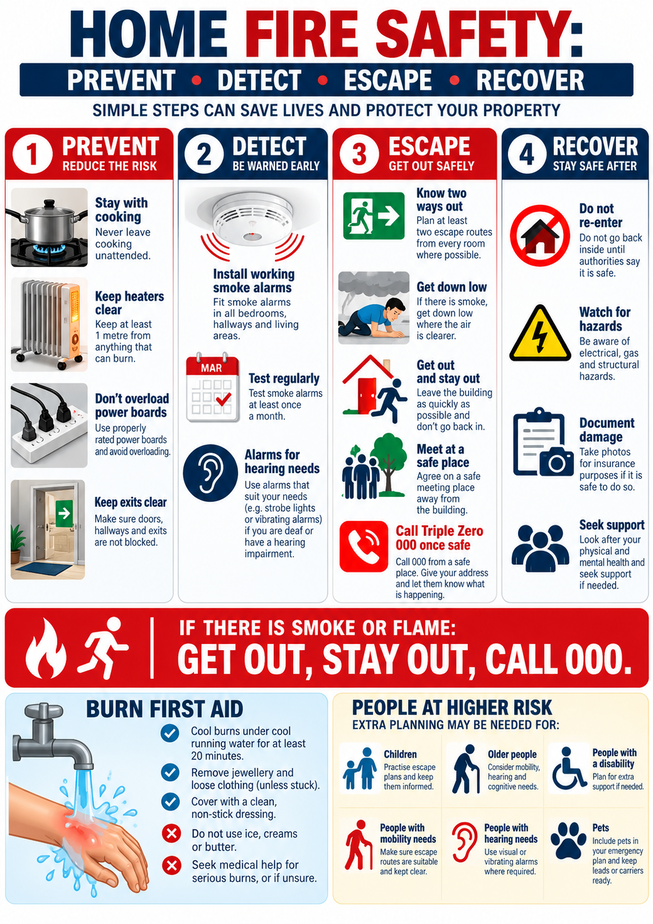
Fire safety at home is not about owning more equipment. It is about preventing the most common fires, detecting danger early, getting everyone out quickly and knowing what to do afterwards. This Australian guide brings those priorities together in a simple PREVENT → DETECT → ESCAPE → RECOVER framework for households, renters, apartment residents, carers and workplaces.
If there is smoke or flame:
Get everyone out, stay out and call Triple Zero (000) from a safe place. Do not delay escape to collect belongings or try to save property. Only consider using a fire extinguisher or fire blanket when the fire is very small, you are confident and able to use the equipment, and you have a clear escape path.
Control cooking, heating, electrical and battery risks before a fire starts.
Working smoke alarms buy time when seconds matter.
Know two ways out, a meeting place and who may need help.
Stay out until authorities say it is safe and treat injuries correctly.
What’s been updated
- Rebuilt as an Australia-first public safety guide.
- Updated home escape and smoke-alarm advice using current Australian fire-service guidance.
- Added lithium-ion battery and charging risks.
- Added planning for children, older people, disability, hearing or mobility needs and pets.
- Separated household guidance from workplace and firefighter/professional considerations.
- Removed the previous unrelated affiliate promotion and unnecessary body H1.
1. Prevent a fire before it starts
Most household fire safety starts with ordinary habits. The highest-value changes are often simple: stay with cooking, keep heat away from anything that can burn, avoid damaged electrical equipment, keep exits clear and treat rechargeable batteries as a genuine fire risk.
Cooking
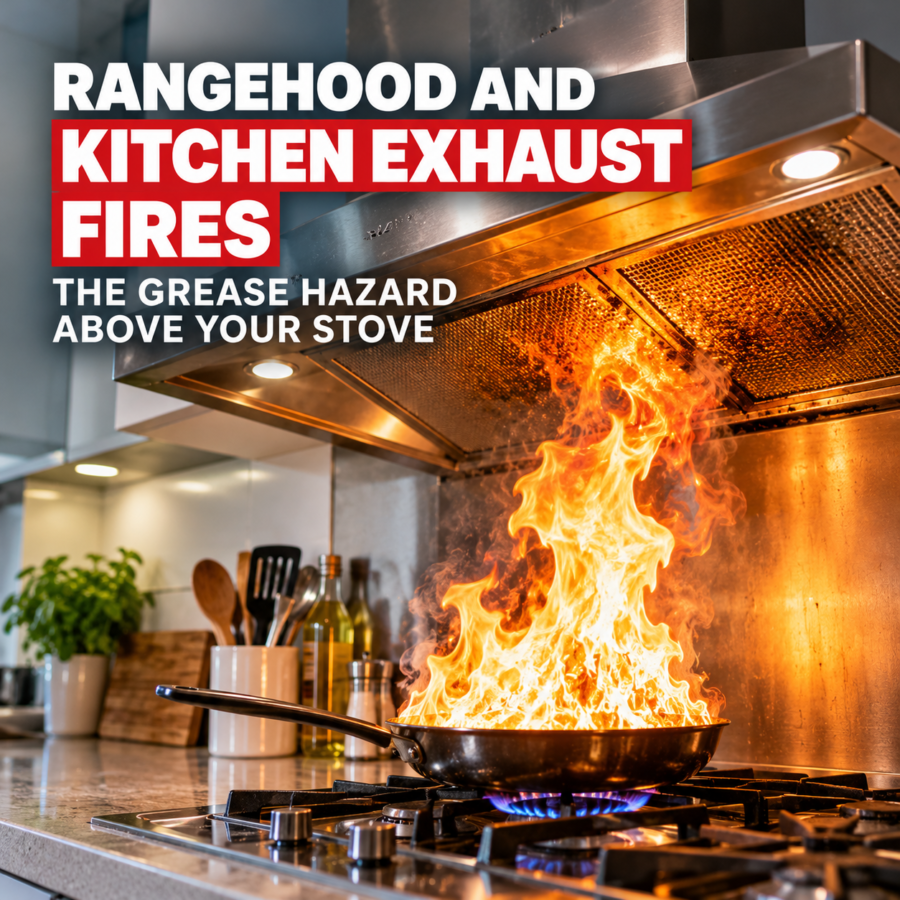
Cooking is a common source of home fires. Stay in the kitchen while using the stove or cooktop, keep tea towels, packaging and other combustibles away from heat, and turn appliances off when finished. If a cooking fire starts, your priority is escape. Do not carry a burning pan through the house and do not take risks trying to save the kitchen.
Heaters, fireplaces and open flames
Keep heaters clear of bedding, curtains, furniture, clothing and other combustible items. Place portable heaters where they cannot easily be knocked over and follow the manufacturer’s clearance instructions. Candles and other open flames should never be left unattended. If you use a fireplace or wood heater, keep the surrounding area clear and maintain the appliance and flue as recommended.
Electrical equipment and power boards
Damaged leads, overloaded power boards, loose plugs and improvised electrical setups can all create fire risk. Replace damaged equipment rather than taping over faults. Avoid “piggy-backing” power boards or adaptors. If an outlet, charger or appliance is unusually hot, damaged, discoloured or smells burnt, stop using it and have it checked.
Lithium-ion batteries and charging
Lithium-ion batteries are now common in phones, laptops, power tools, e-bikes, e-scooters and mobility devices. Australian fire services warn that damaged or incorrectly charged batteries can fail violently, releasing toxic and flammable gases and intense fire. Use the correct compatible charger, charge devices on a hard non-combustible surface, keep larger battery devices away from exits and living areas where practical, and do not charge damaged, swollen or overheating batteries. If a battery is smoking, hissing, venting gas or on fire, get out, keep others away and call Triple Zero (000).
Garages, sheds and stored fuels
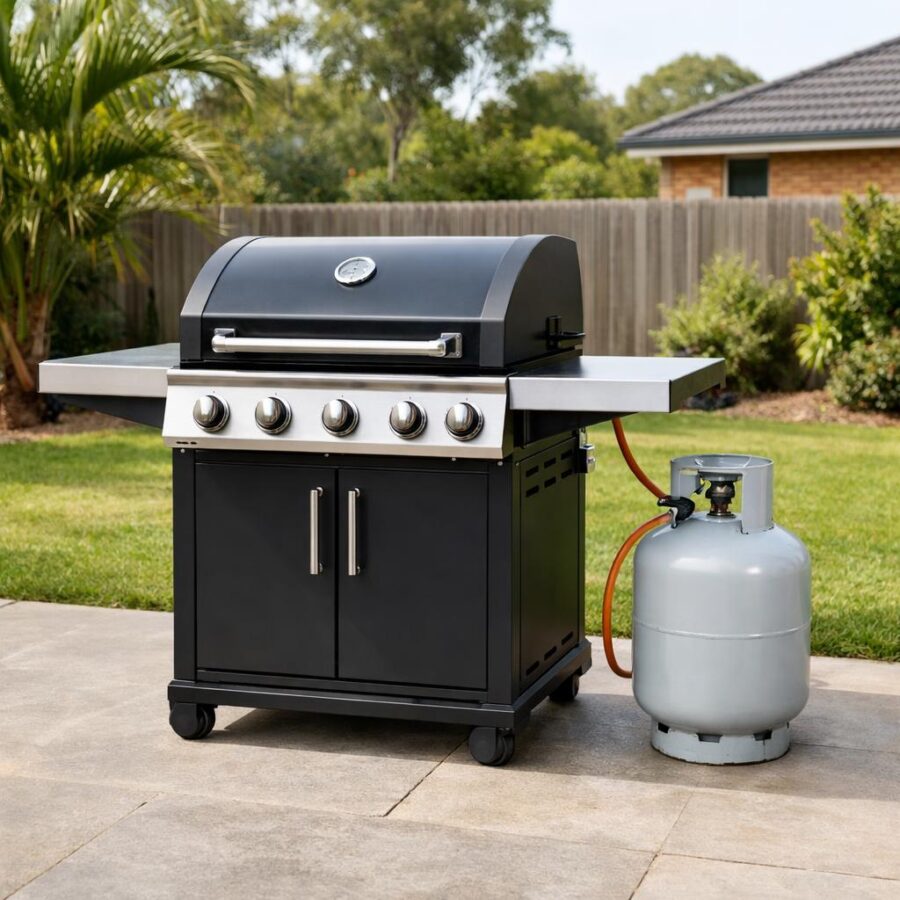
Petrol, solvents, paint products, LPG cylinders and other hazardous materials need appropriate storage away from ignition sources. Keep containers closed, labelled and in good condition. Do not create a situation where fuel, battery charging, grinding, welding and open flames all share the same poorly ventilated space.
2. Detect fire early: smoke alarms matter
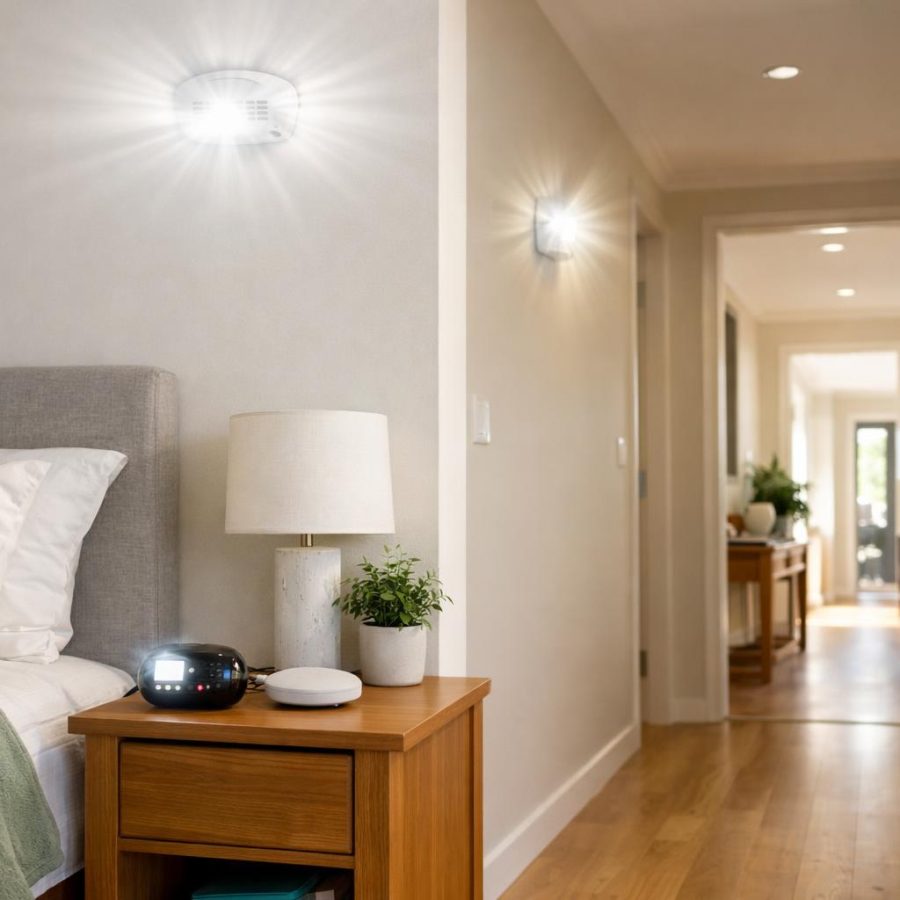
Smoke can overcome people before flames reach them. Working smoke alarms are therefore central to a home fire plan, especially while people are asleep. Fire services recommend installing alarms in the right locations, testing them regularly and replacing batteries or alarms in line with the manufacturer’s instructions and your state or territory requirements.
Requirements vary across Australia, so do not assume that a setup that met the rules years ago still does. Check your state or territory fire service and tenancy guidance, particularly after renovations, when buying or renting a home, or when adding bedrooms.
3. Escape safely: plan before the smoke arrives
A good home fire escape plan is simple enough to remember under stress. Draw your home, identify two ways out of each room where possible, choose a safe meeting place outside and decide who will help children, older people, anyone with disability, or anyone who may need extra assistance.
Keep exits clear and make sure doors and windows used for escape can be opened quickly. Keys for locked exits should be accessible. In an apartment or multi-storey building, know the building evacuation plan and use stairs rather than lifts during a fire unless emergency authorities specifically direct otherwise.
If fire starts
- Alert other people and leave as quickly as you safely can.
- Get down low if there is smoke.
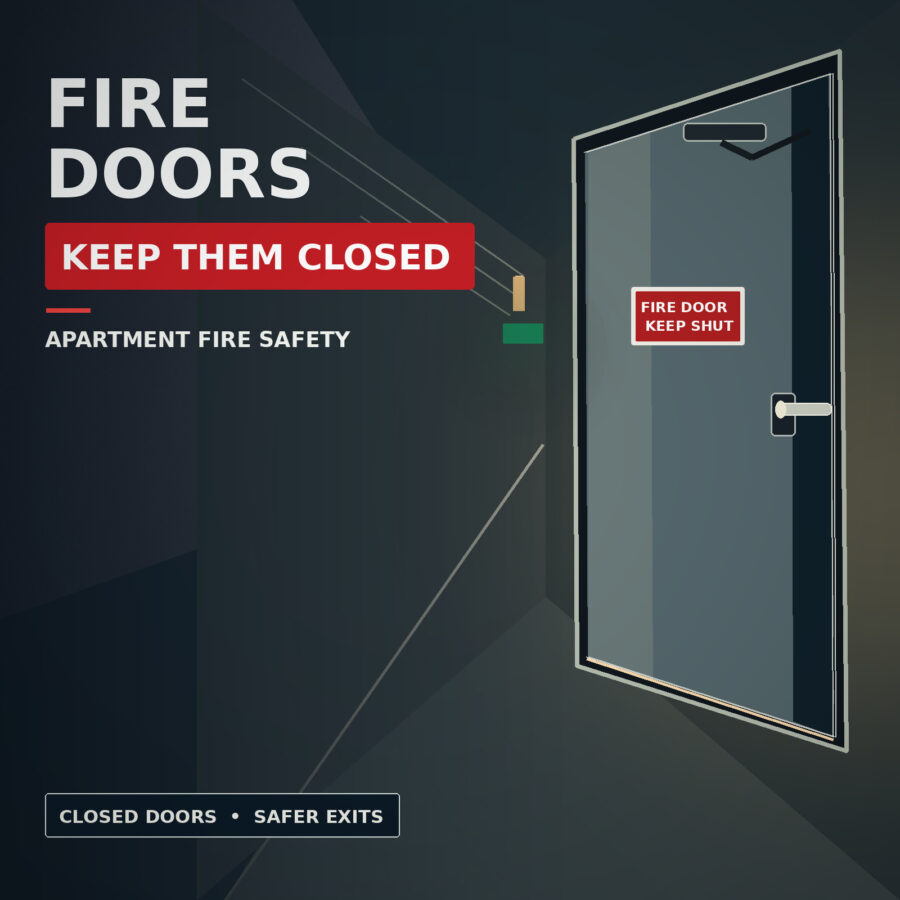
- Close doors behind you if it is safe to do so; this can slow smoke and fire spread.
- Go to the agreed meeting place.
- Call Triple Zero (000) from a safe location.
- Once outside, stay outside. Tell firefighters if someone or a pet may still be inside.
Practise the plan. A plan that only exists in your head is much harder to use when visibility is poor, alarms are sounding and people are frightened. Families with children should practise often enough that children recognise the smoke-alarm sound and know where to go.
4. Fire extinguishers and fire blankets: know their limits
Portable fire equipment can be useful, but it must never become a reason to stay in a dangerous situation. Australian fire-service advice is clear: if you see significant smoke or flames, get out. Only consider using an extinguisher or fire blanket on a very small, contained fire if you feel confident and capable, the equipment is suitable for the fire, and you can maintain a clear escape route behind you.
If you are unsure which extinguisher is appropriate, obtain advice from a competent fire-safety provider. Different extinguishing agents suit different hazards. Using the wrong equipment can spread fire, expose you to toxic products or place you closer to danger than you realise.
5. Fire planning for people at higher risk
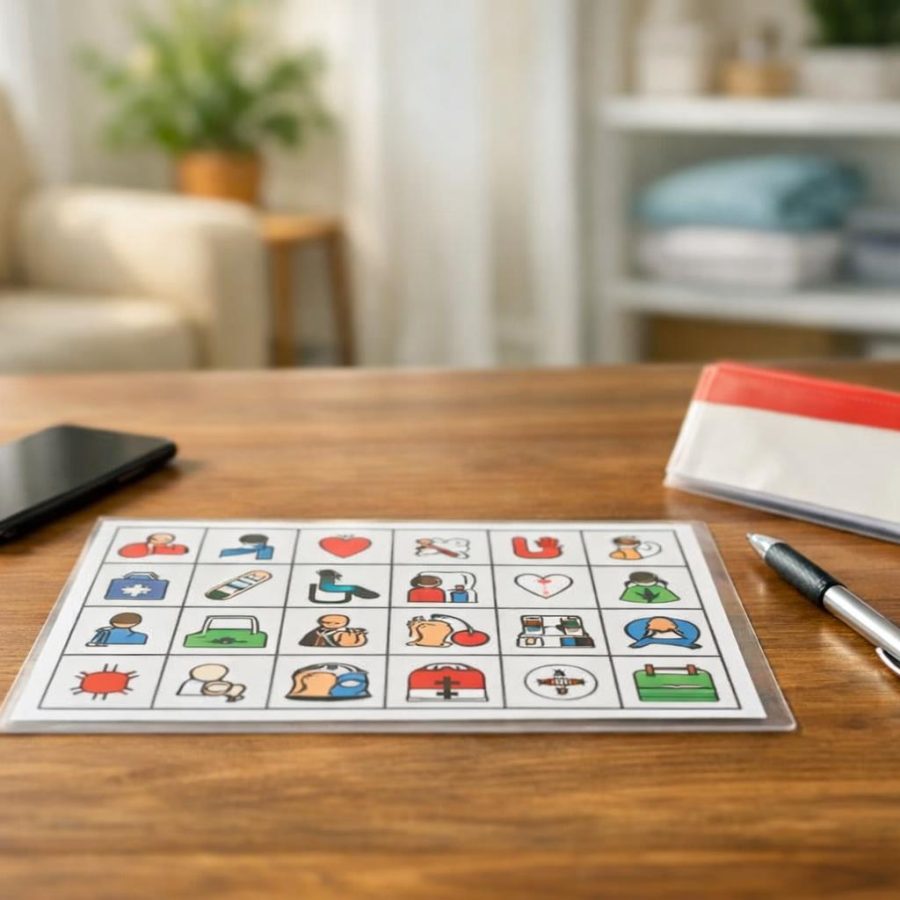
Standard advice does not work equally well for everyone. Older people, people with disability, people with reduced mobility, people who are Deaf or hard of hearing, people who rely on medical equipment, carers and very young children may need extra time or support to escape.
Build the plan around the person’s actual abilities and routines. Consider where mobility aids are kept, whether alarms can be seen or felt as well as heard, who can provide assistance, whether doors are easy to open, and whether an alternative exit is realistic. If someone needs assistance every day, that support should be reflected in the emergency plan rather than assumed to appear during a fire.
Children and pets
Teach children that smoke alarms mean “get out”, not “hide”. Give adults clear responsibility for helping babies or young children. Include pets in planning, but never re-enter a burning building to rescue an animal. Tell firefighters where the pet was last seen.
6. Workplace fire safety: plans, training and evacuation
Australian workplaces need more than a domestic escape plan. Under the model Work Health and Safety framework, emergency plans should address effective response, evacuation, rapid notification of emergency services, medical assistance, communication, training and testing. The plan must suit the actual workplace and hazards.
Useful workplace checks include whether evacuation diagrams are current, exits are unobstructed, visitors and contractors can be accounted for, people needing assistance are considered, and wardens or other emergency roles are understood. Plans should be reviewed after changes to the workplace and after exercises reveal problems.
7. What firefighters want you to know
One lesson that carries from the household to the fireground is that simple, practised actions beat complicated plans under pressure. From a firefighting perspective, the safest public outcome is usually that occupants are already outside, accounted for and able to tell arriving crews what they know.
Firefighters need clear information: whether anyone may still be inside, where the fire was last seen, whether LPG cylinders, batteries, fuels or other hazards are present, and whether anyone has been injured. Do not go back inside to gather this information. Tell crews what you know from a safe place.
For emergency-service personnel, this public guide does not replace agency procedures, dynamic risk assessment, PPE requirements, breathing apparatus procedures, incident command or operational training. Professional firefighting decisions require training, resources and situational awareness that householders should not try to replicate.
8. After a fire: re-entry, injuries and recovery
Do not re-enter a fire-damaged building until the relevant authority says it is safe. Hazards can remain after visible flames are out, including unstable structures, damaged electrical systems, gas, hot spots, contaminated water and toxic residues.
Burn first aid
For a thermal burn, stop the burning process and cool the burn under cool running water for at least 20 minutes. Remove jewellery or loose clothing if it is not stuck to the skin. Do not use ice, butter or creams. Cover the burn with a clean, loose, non-stick dressing and seek medical help when needed. Serious, large, deep, electrical, chemical, airway, face, hand or genital burns need urgent medical assessment; call Triple Zero (000) for emergencies.
Recovery and wellbeing
Fire can be confronting even when nobody is physically injured. Take time to check on children, older relatives, neighbours and responders. If you are dealing with a workplace incident, preserve required records and follow reporting procedures. For households, contact insurers and service providers when it is safe to do so and photograph damage only when authorities permit access.
9. A 10-minute home fire safety audit
| Check | What good looks like |
|---|---|
| Smoke alarms | Installed appropriately, working and tested regularly. |
| Escape routes | Two ways out where possible; doors, windows and paths are usable. |
| Meeting place | Everyone knows the same safe place outside. |
| Cooking | Combustibles are clear and cooking is supervised. |
| Heating | Heaters are stable and clear of anything that can burn. |
| Power | No damaged leads, hot plugs or overloaded power boards. |
| Battery charging | Correct chargers, hard surfaces, exits kept clear, no damaged batteries. |
| Higher-risk household members | Extra assistance, alarm type and evacuation needs are planned. |
| Practice | Everyone has practised what to do and where to meet. |
Use the companion Home Fire Safety Action Card (PDF) as a one-page household check and discussion sheet.
Frequently asked questions
Do I need a fire plan if I live in a city?
Yes. Home fires can happen in houses, apartments and townhouses. A home escape plan is about getting out of the building safely; it is separate from a bushfire survival plan.
How often should we practise?
Practise regularly enough that everyone understands the route and meeting place. CFA recommends at least yearly, with more frequent practice for households with younger children, mobility issues or changing circumstances; some fire-service guidance encourages twice-yearly family drills.
Should I fight a small fire?
Escape comes first. Only consider portable firefighting equipment when the fire is very small, you are confident and capable, the equipment is suitable and you have a safe escape path. If there is significant smoke or flame, leave and call Triple Zero (000).
What should I do if a lithium battery starts smoking?
Do not touch it. Move people away, leave the area, close doors if safe and call Triple Zero (000). Tell the operator a lithium-ion battery is involved.
Practical next steps
- Test your smoke alarms.
- Walk every escape route and remove anything blocking it.
- Choose or confirm your outside meeting place.
- Check cooking, heater, power-board and battery-charging habits.
- Update the plan for children, pets or anyone needing extra assistance.
- Practise the plan rather than simply talking about it.
Related FireRescue Guides
- Emergency Apps Australia: Warnings and Alerts
- Pets and Livestock in Emergencies
- Fire Plan, Situational Awareness and Preparedness
- How to Prepare for a Bushfire
Sources
- CFA – Home fire evacuation plan
- CFA – Battery and charging safety
- Fire and Rescue NSW – Home escape plans
- Healthdirect – Fire safety in your home
- Safe Work Australia – Emergency plans and procedures
General safety disclaimer: This article provides general educational information for an Australian audience. It does not replace site-specific professional advice, agency procedures or current directions from emergency authorities. Conditions can change rapidly. During an emergency, follow official warnings and directions.
FireRescue Training Hub
Access practical fire and emergency study support resources, downloads, checklists, audio guides, and member-only course content.
- Course library
- PDF downloads
- Audio guides
- Checklists
Study support only. Not accredited training or a replacement for workplace procedures.
About the author and safety review
Ken Walker
Former Station Officer and fire service educator
Former career firefighter with extensive career and volunteer fire service experience.
Qualifications: Associate Diploma of Applied Science in Fire Technology; Institute of Fire Engineers studies.
Author profilehttps://www.firerescue.com.au/about-us/