Safety first, adventure always.
Key takeaways:
1. Preparation is crucial for a safe off-road experience. Always plan your route and stay informed about weather conditions.
2. Understanding your vehicle and ensuring it is well-maintained will reduce the chances of breakdowns in remote areas.
3. Familiarize yourself with essential safety gear and emergency protocols to tackle any situation effectively.

Understanding 4WD Basics
Before embarking on an off-grid adventure, it’s vital to familiarize yourself with the basics of four-wheel driving. This includes knowing how your vehicle operates, understanding its terrain capabilities, and recognizing the importance of tire pressure and weight distribution. Adjusting these can significantly enhance traction and control on various surfaces, such as sand, mud, or rocky paths.
Vehicle Preparation
Always give your 4WD a thorough check-up before heading out. Essential components to inspect include the engine oil, brakes, tires, and coolant levels. Ensure your tires are not only properly inflated but also suited for off-road driving. Consider investing in all-terrain tires if you plan on tackling diverse landscapes.
Planning Your Route
Planning is a critical element of off-grid safety. Research your chosen route thoroughly and inform yourself about the terrain, potential hazards, and available accommodation options. Be aware of the current weather conditions, as they can change rapidly in remote regions. Using GPS devices and topographic maps can be invaluable in ensuring you remain on track.
Communicating Your Plan
Always share your travel plans with a trusted friend or family member. This should include your intended route, expected return time, and any checkpoints along the way. In case of an emergency, this information will be crucial for locating you.
Emergency Preparedness
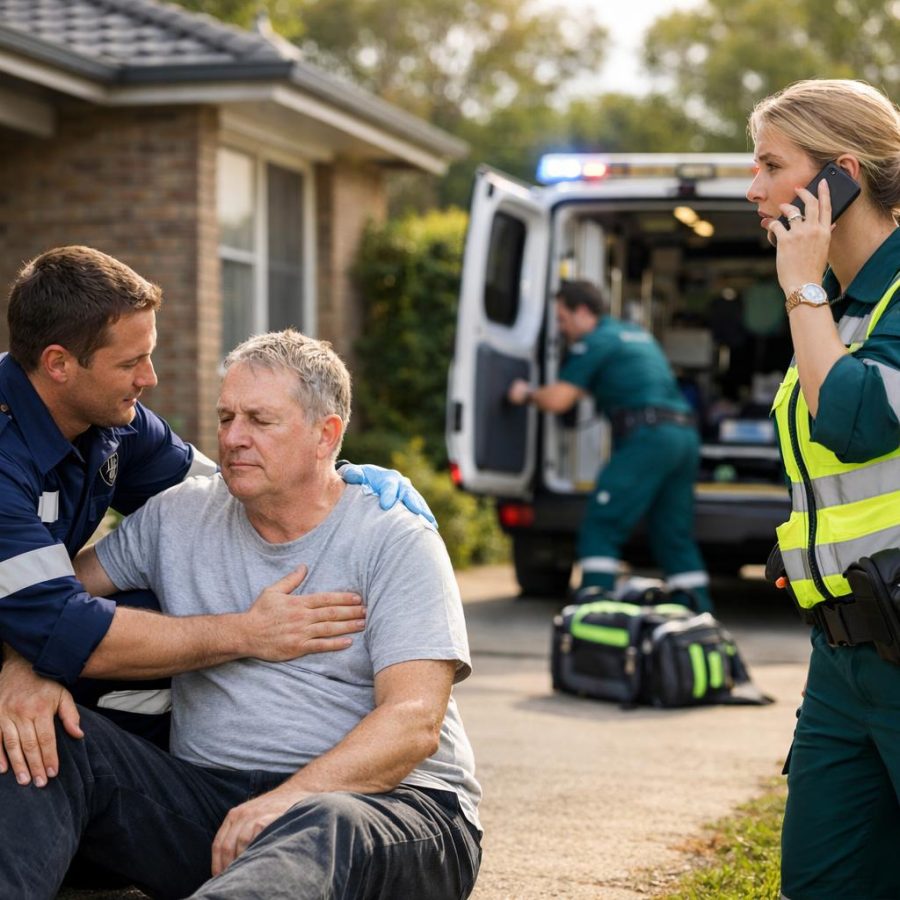
Even with the best preparation, emergencies can still occur. Equip your vehicle with an emergency kit that includes first aid supplies, extra water, non-perishable food items, a flashlight, and basic tools. Familiarize yourself with basic first-aid techniques; however, formal training and adhering to official medical guidelines are always recommended.
Survival Gear Essentials
Your emergency kit should not only address basic first aid but also include items like rain gear, a multi-tool, spare batteries, and a fire-starting kit. In remote areas, a satellite phone or personal locator beacon can significantly enhance your safety by ensuring you can communicate even when mobile signals are absent.
Practicing Safe Driving Techniques
When driving off-road, adopting safe driving practices is crucial. Slow down to navigate obstacles, and consider reducing tire pressure for better traction in soft terrain. Always remain aware of your surroundings and avoid distractions. If you find yourself stuck, remain calm; assess your options and use your recovery equipment prudently.
Using Recovery Gear
Investing in recovery gear such as snatch straps, winches, and recovery tracks can significantly aid in getting your vehicle unstuck. Ensure you know how to use each item properly and safely to avoid injury during the recovery process. Regularly inspect your recovery gear for wear and tear, and replace any damaged items.
Navigating Off-Grid Challenges
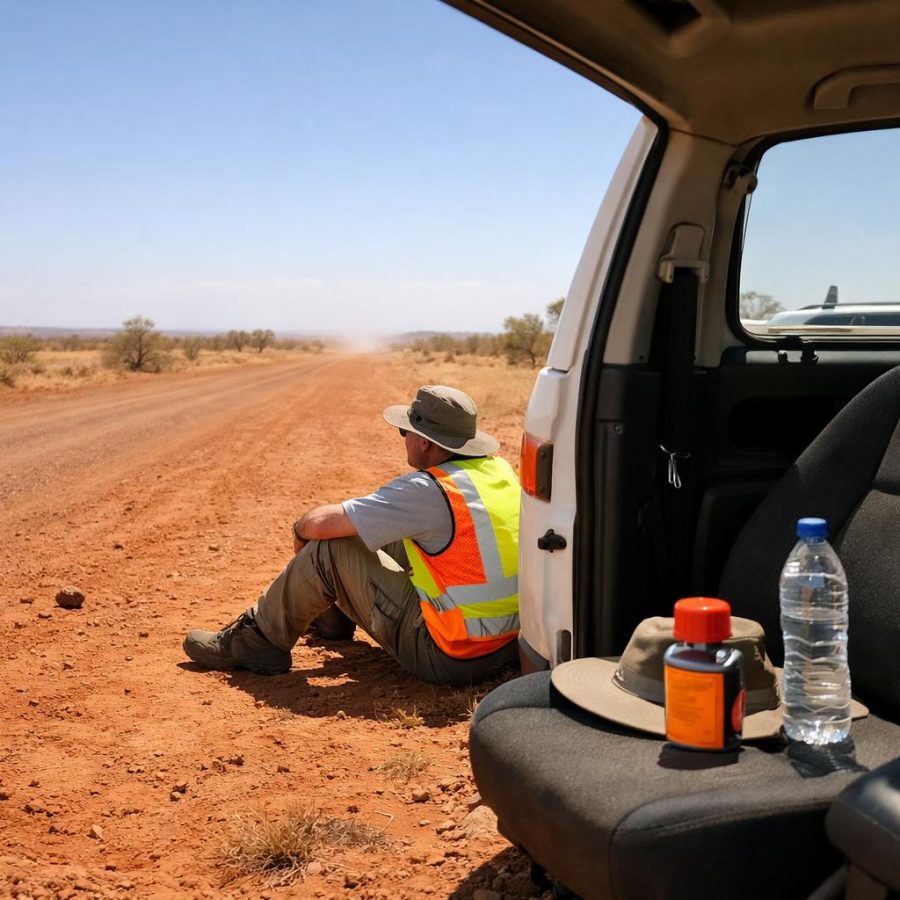
Venturing off-grid brings unique challenges. Be prepared for changes in terrain and unexpected road conditions. Stay informed about local wildlife and environmental conditions. It is also wise to carry a portable water filtration system, as finding clean drinking water could be a challenge.
Coping with Weather Changes
Weather in remote areas can be unpredictable; always have plans in place for severe weather. Keep an eye on forecasts before and during your trip, and be ready to alter your itinerary or return to safety as conditions dictate.
Concluding Thoughts on Off-Grid Safety
The thrill of 4WD adventures lies in their unpredictability and connection to nature. However, ensuring safety during these excursions should never be overlooked. By preparing adequately, understanding your vehicle, and being aware of your surroundings, your off-grid experience can be both enjoyable and safe. Always remember to keep your emergency gear close, share your plans with loved ones, and respect the environment during your travels. Safe driving and preparation are the hallmarks of a responsible adventurer.

FireRescue Training Hub
Access practical fire and emergency study support resources, downloads, checklists, audio guides, and member-only course content.
- Course library
- PDF downloads
- Audio guides
- Checklists
Study support only. Not accredited training or a replacement for workplace procedures.
About the author and safety review
Ken Walker
Former Station Officer and fire service educator
Former career firefighter with extensive career and volunteer fire service experience.
Qualifications: Associate Diploma of Applied Science in Fire Technology; Institute of Fire Engineers studies.
Author profilehttps://www.firerescue.com.au/about-us/