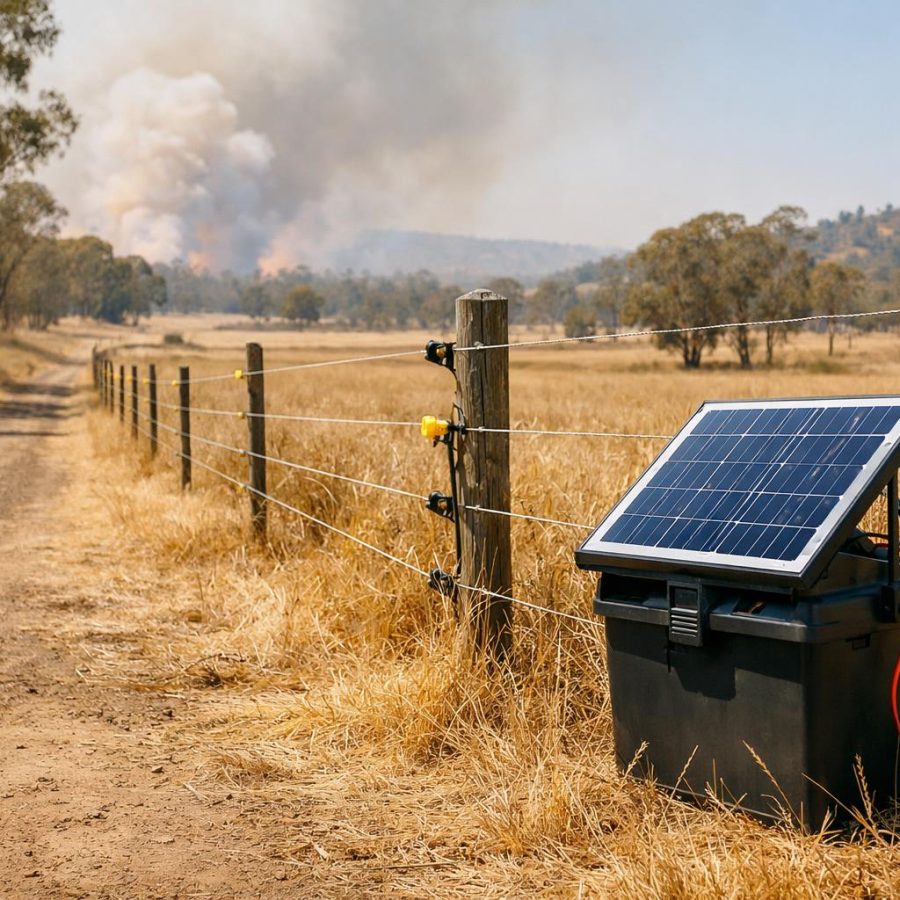
Meaning: Bushfire smoke is the dirty air produced when bush and grass burn— a mix of tiny particles (PM2.5/PM10), gases (like carbon monoxide and nitrogen oxides), water vapour and ash—that can sting eyes and throat, worsen asthma and heart conditions, and cut visibility; children, older adults, pregnant people, and anyone with breathing or heart issues are most at risk, even far from the fire line.
Prevention — reduce exposure and duty of care
Preventing smoke ingress starts well before fire season. For a bushfire smoke shelter to work, buildings need sound seals (doors, windows), functional HVAC capable of recirculation, and identified rooms with low leakage. Schools and childcare centres have duties under WHS laws to provide a safe environment and to plan for poor air quality days.
- Seal gaps and doors; add door sweeps and weatherstrips.
- Service HVAC; ensure recirculation mode works; install MERV 13 (or highest compatible) filters.
- Nominate 1–3 rooms as “cleaner air rooms”; measure leakage (simple incense/smoke pencil test).
- Keep outdoor play and strenuous activities flexible; use AQI/PM2.5 triggers.
- Maintain trees/grounds to reduce ember risk if fire approaches (separate to smoke).
Check state health and education directives each season; standards and thresholds can vary by jurisdiction.
Preparedness — rooms, roles, comms, and kits
Preparedness translates policy into ready-to-run procedures. Define thresholds (AQI/PM2.5), who authorises shelter-in-place, and what messages go to staff and parents. Keep all roles simple, clear, and rehearsed.
Rooms:
- Pick internal rooms with minimal windows; confirm door seals.
- Pre-position portable HEPA purifiers sized for the room volume.
- Mark power outlets and purifier locations; test runtime.
Roles:
- Incident Lead (Principal/Director) — decision, liaison, all-clear.
- Operations — room set-up, purifiers, signage, headcounts.
- Welfare — medications, inhalers, first aid, calm activities.
- Comms — parents, staff updates, media holding line.
Kits:
- Portable HEPA purifiers + spare filters; duct tape; door snakes.
- Asthma spacers, inhalers (per plan), basic first aid kit.
- Activity packs, headphones, water, snacks for 4–6 hours.
- Printed rosters, parent contact sheets, consent/medical notes.
Run a short annual exercise pre‑season: 15‑minute room set, 15‑minute headcount and comms drill, 10‑minute debrief.
How It Works — the operational science
Smoke impacts are driven by wind, topography, and burn intensity. Fine particles (PM2.5) are the main health risk. A shelter-in-place reduces indoor PM2.5 by limiting infiltration (seals) and actively cleaning the air (HEPA). Recirculating HVAC plus portable purifiers can achieve rapid reductions when doors remain closed and occupancy is managed.
Trigger levels often reference AQI or PM2.5 µg/m³. Because thresholds vary across states, schools should adopt local health guidance and document triggers in policy.
Response — running the shelter on the day
- Confirm triggers from state health/environment and local warnings (ABC Emergency, BOM).
- Announce shelter-in-place; switch HVAC to recirculate; close all external doors/windows.
- Set purifiers running; place near centre of rooms, away from obstructions.
- Account for everyone (rolls), prioritise children with asthma; welfare officer holds medications.
- Indoor routine: quiet activities; minimise door openings; use buddy system for toilets.
- Medical: follow asthma action plans; escalate to 000 if severe symptoms.
- Comms: send concise updates to parents; document times and decisions.
- Stand-down when advised by authorities and indoor air improves; ventilate gradually.
Use LACES-style awareness: Lookouts (monitor AQI, wind shifts), Awareness (symptoms), Comms (parents/authorities), Escape (evacuation if fire threat increases), Safety (indoor air, supervised movement).
Roles & Coordination — who does what
Fire Services (CFA/FRV, RFS, QFES, CFS, DFES, TFS, NTFRS, ACT ESA)
- Provide incident intelligence and likely smoke trajectories.
- Advise on exposure timeframes and evacuation risk if fire approaches.
Police
- Traffic and perimeter safety if parents arrive en masse.
- Support orderly reunification if early pick-up is approved.
Ambulance/Health
- Clinical advice for vulnerable students and staff.
- Coordinate with local hospitals if multiple presentations.
Local Government/DoE
- Policy, facilities support, air quality alerts, comms templates.
- Post-incident cleaning and filter resupply.
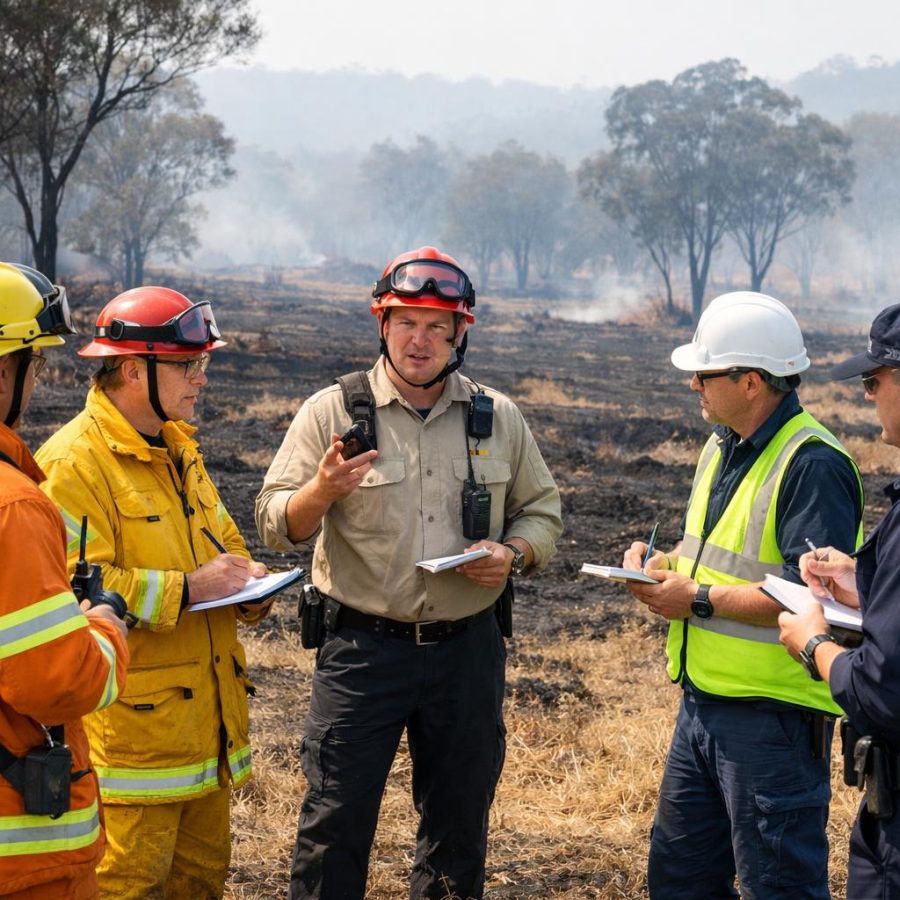
Use a simple Incident Command System (ICS) structure: one Incident Lead, clear functional roles, and single-source communications.
Equipment & Tools — what to use and how
- Portable HEPA purifiers: Choose units with clean air delivery rate (CADR) suitable for room size; keep spare filters.
- HVAC filters: Use highest compatible rating; log change dates.
- Monitoring: Simple PM2.5 sensors can guide ventilation decisions (supplement official advice).
- Sealing supplies: Door snakes, tape for temporary gaps, draft stoppers.
- Power continuity: Prepare for outages (UPS or generator per site policy).
Train staff on safe purifier placement, cord management, and avoiding blocked intakes near soft furnishings or curious hands.
Field Scenarios — brief case studies
Morning wind change
Wind flips at 10:30. AQI spikes. School initiates shelter within 7 minutes, purifiers stabilise PM2.5 by lunch. Parent comms calm; no medical escalations.
Power dip
Short outage interrupts HVAC; purifiers continue on UPS for 20 minutes. Rooms remain acceptable; maintenance switches HVAC to recirc after restoration.
Asthma cluster
Three students develop wheeze. Welfare officer applies plans; one requires ambulance review. Documentation supports swift clinical handover.
Checklists — printable-style
Household (parents/carers)
- Know the school’s smoke plan and pick-up rules.
- Ensure your child’s asthma plan and inhalers are current.
- Pack spare medication and labelled spacer in bag.
- Arrange trusted back-up contact for pick-up.
- Follow official updates; avoid crowding the site.
School/Childcare
- Rooms nominated; purifiers tested; seals checked.
- Role cards printed; contact lists current.
- Spare filters, tape, door snakes stocked.
- Comms templates pre-written for SMS/email.
- Annual drill complete; lessons logged.
Responders
- Share smoke trajectory intel with schools.
- Coordinate traffic if early pick-up authorised.
- Pre-plan ambulance access and clinical advice lines.
- Support community messaging via local channels.
Accessibility & Inclusion
- Provide easy-read versions and pictograms for key steps.
- Quiet rooms and noise-cancelling headphones for neurodiverse kids.
- Translated updates for families with limited English; use plain language.
- Plan for mobility aids and supervised movement between rooms.
- Pets on school grounds: follow local policy; avoid moving animals through smoky corridors.
Preparedness in 5 Minutes — home & workplace
- Identify your cleaner-air room.
- Check you can set HVAC to recirculate.
- Place a HEPA purifier; note the filter model.
- Save state warning and school contacts in your phone.
- Agree on child pick-up rules for smoke days.
For Crew Leaders — briefing & handover
- Intelligence: smoke source, wind, expected duration.
- Objectives: keep indoor PM2.5 low; maintain calm routine.
- Resources: rooms, purifiers, medical supports, comms.
- Comms plan: single channel; parent updates hourly or as needed.
- Handover: times, thresholds, health presentations, decisions.
FAQs — bushfire smoke shelter
What is the focus keyword and why does it matter?
The focus keyword is bushfire smoke shelter. It helps you find and follow guidance specific to indoor sheltering during smoke events.
When should a school activate shelter-in-place?
When local health or education guidance indicates hazardous air (e.g., high AQI/PM2.5) or when fire smoke is forecast to impact the area.
Is evacuation ever safer than sheltering?
If fire spread or ember attack threatens the site, evacuation may override smoke sheltering. Follow directions from emergency services.
How many purifiers per classroom?
Match CADR to room volume. Many classrooms require 1–2 medium units. Test in advance and keep spare filters.
Can we open windows between smoke waves?
Ventilate only when outside air improves and after consulting local advice. Watch for sudden wind shifts.
What about sports and recess?
Move activities indoors; reduce intensity. Prioritise vulnerable students.
How do we support staff wellbeing?
Rotate duties, ensure breaks and hydration, and offer post-incident debriefs and counselling if needed.
Links & Hotlines — official Australian sources
National
- Triple Zero: 000 (Police/Fire/Ambulance)
- Healthdirect — Bushfire smoke
- ABC Emergency
- Bureau of Meteorology
- Safe Work Australia
States & Territories
Emergency Contacts Quick List
- 000 — Life-threatening emergencies
- ABC Emergency; BOM — warnings
- Your state fire service (see links above) — local fire updates
- Local council — facilities and air quality support
- School/Childcare — follow official notifications
Recovery — clean-up, wellbeing, and learning
- Ventilation & cleaning: Air out rooms when outside air improves; wipe settled dust; replace filters; check HVAC performance.
- Health: Offer staff and families information on smoke symptoms; encourage GP follow-up for persistent issues.
- Insurance & grants: Document filter use, cleaning costs, and lost time for possible claims or education support grants.
- Debrief: Short hot debrief within 24–48 hours; capture what worked and what needs improvement.
- Update plans: Revise thresholds, comms templates, and equipment lists based on lessons learned.
Credits & Review Notes
Reviewed by: School Emergency Planning Lead & Local Health Liaison. Updated: 12 August 2025. Sources: Australian health and emergency agency guidance linked above.
FireRescue Training Hub
Access practical fire and emergency study support resources, downloads, checklists, audio guides, and member-only course content.
- Course library
- PDF downloads
- Audio guides
- Checklists
Study support only. Not accredited training or a replacement for workplace procedures.
About the author and safety review
Ken Walker
Former Station Officer and fire service educator
Former career firefighter with extensive career and volunteer fire service experience.
Qualifications: Associate Diploma of Applied Science in Fire Technology; Institute of Fire Engineers studies.
Author profilehttps://www.firerescue.com.au/about-us/