Part 8 of 8
Suppress Wildfire Capstone — A Full Crew Scenario from First Report to Final Equipment Recovery
The Suppress wildfire capstone brings the full crew process together. One operational scenario now links wildfire details, preparation, travel, people protection, combat, communication, mop-up, patrol and equipment recovery. Therefore, Part 8 acts as the final integrated refresher for the whole series.
Part 8 capstone progress
Mark each section as refreshed while you complete the final full-journey scenario.
By the end of Part 8, you should be able to:
Walk through the full Suppress wildfire sequence from first report to equipment recovery.
Connect response readiness, safe access, people protection and wildfire combat in one operational flow.
Recognise where communication, evidence care, environmental care and changing fire behaviour fit.
Use the final WILDFIRE READY checklist as a practical refresher tool.
Start the scenario: receive the wildfire report and prepare the crew
The capstone begins with a developing wildfire report. The crew receives the details, records the information, reports it correctly and prepares for response.
Scenario beginning
A crew receives information about a wildfire developing near rural properties and bushland access tracks. The report includes location, fire type, visible behaviour and recent developments. First, the crew records those details. Next, it reports them through the organisational pathway.
The crew then confirms the wildfire location and determines the safest access route. It prepares protective clothing, equipment, apparel, food and water before departure. Finally, the crew selects the most suitable appliance or vehicle for the response.
Why this first stage matters
The Suppress wildfire capstone begins here because poor beginnings create avoidable problems later. Clear details improve route planning. Proper preparation improves operational readiness. Suitable transport supports safe movement toward the fireground.
Therefore, the crew should not rush past this stage. Instead, it should prepare with calm discipline. That approach sets up every step that follows.
Accurate information and organised preparation build the foundation for the whole wildfire response.
Proceed to the fireground and protect people and assets
As the crew approaches, it confirms the location, manages access carefully, observes relevant evidence, reports arrival and then assesses threatened people and assets.
The approach remains operational work
While travelling, the crew confirms the wildfire location through observation or updated instructions. It also uses navigational aids for planning and operational purposes. Meanwhile, the crew considers access carefully so people, vehicles, equipment and environmentally sensitive areas stay protected.
During the approach, a crew member notices an item or location that may relate to wildfire cause. The crew notes it and brings it to the attention of the appropriate authority. After arrival, it provides the required report.
People and assets become the next priority
Once the crew understands the threatened area, it assesses the number, location and safety of people and assets as far as conditions allow. Protective procedures may follow under direction. These may include alerts and warnings, in-situ protection or relocation.
The crew also controls access to hazardous locations as directed. It considers property defensibility and assists occupiers where appropriate. In addition, it keeps monitoring the safety of people and assets as the situation changes.
The scenario keeps moving
This stage connects travel, observation and community protection. Therefore, the crew should keep information flowing. Good arrival reports support good decisions. Good threat assessment supports safer protective action.
Safe arrival is not the end of response preparation. It is the start of fireground judgement.
Approach safely
Use navigation, confirm location and avoid avoidable damage during access.
Protect people
Assess safety, implement protective procedures under direction and control hazardous access.
Support asset decisions
Consider defensibility, help occupiers where appropriate and continue monitoring.
Best practice
Keep the operational picture current while moving from approach to people-and-assets protection.
Common mistake
Treating travel, arrival and threat assessment as separate jobs rather than one connected flow.
Combat the wildfire with briefing, safety zones, tactics and fire behaviour awareness
The crew now moves into active wildfire combat. It receives the briefing, confirms escape routes and safety zones, selects equipment, reduces hazards and acts on changing fire behaviour.
Briefing shapes the combat task
The crew receives a briefing that covers the area of operations, the chosen strategy and the tactic to be used. That briefing creates direction. Therefore, the crew knows where it fits inside the wider firefighting effort.
Before active work develops, escape routes and safety zones are confirmed and communicated. These steps support safer operations. They also help the crew prepare for changes in conditions.
Equipment and tactics support the objective
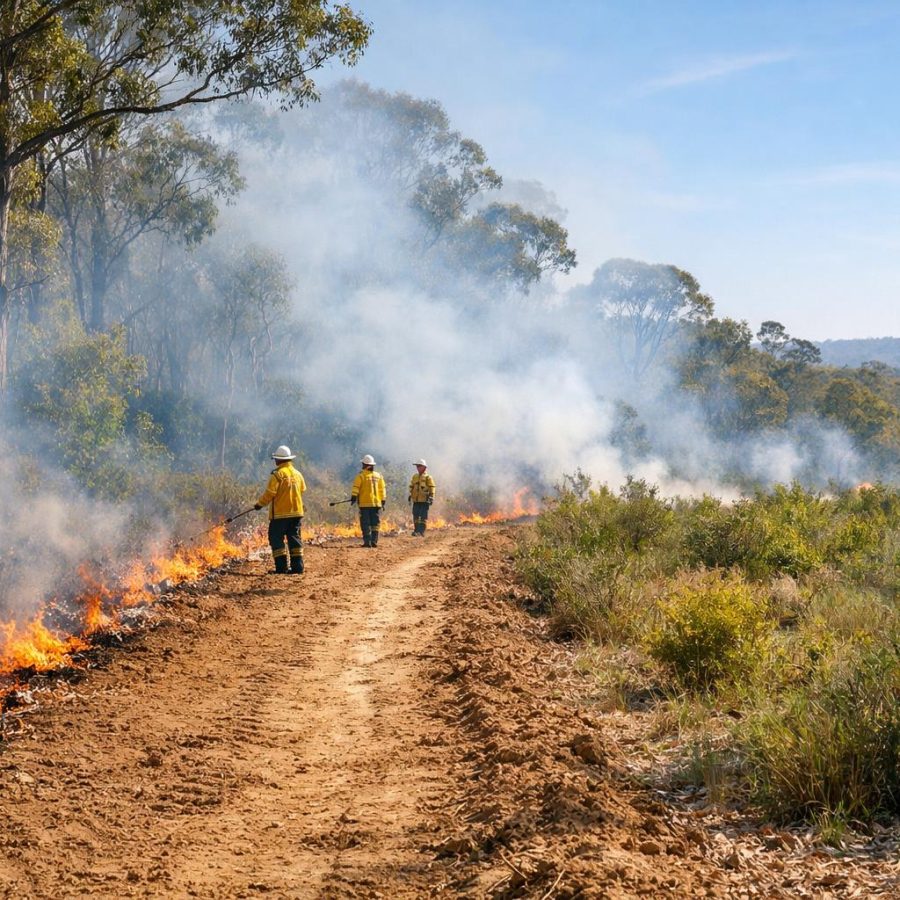
The crew selects and uses firefighting media and equipment according to procedure. It also identifies hazards and takes action to minimise risk to the public, other personnel and itself. After that, it implements the assigned firefighting tactics to support the operational objective.
The chosen tactic may involve direct suppression, control line work, burning activity or another approved approach. However, the crew still aims to minimise overall damage and environmental impact where possible.
Fire behaviour must stay in view
Fuel, weather and topography influence fire behaviour. Therefore, the crew keeps observing these factors. It watches for likely changes in flame intensity, spread, spotting or movement caused by terrain and wind.
When behaviour changes, the crew acts to protect safety and support the objective. As a result, wildfire combat stays active, aware and connected to the broader plan.
Firefighting skill matters. Yet safe wildfire combat also depends on briefing, escape routes, safety zones and constant awareness.
Maintain communication, protect evidence and reduce environmental impact
Throughout the combat phase, crews maintain communication, provide fire reports, protect possible evidence and limit avoidable damage to assets and the environment.
Communication supports every decision
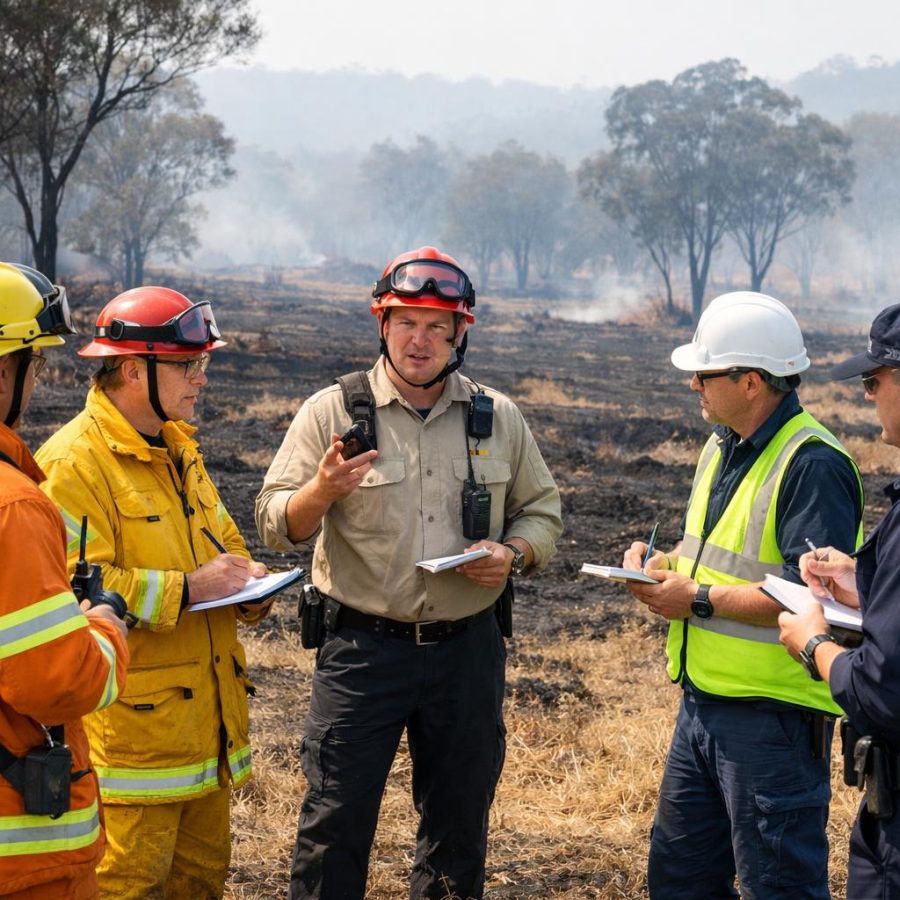
The crew maintains communication with its supervisor through the chain of command. At the same time, it stays connected with firefighters working nearby. This exchange keeps tasks aligned and helps the operation respond to changing conditions.
When required, the crew provides fire reports. These reports may cover progress, hazards, changing fire behaviour, resource needs or other information that helps the supervisor manage the situation.
Control work should limit unnecessary harm
Fire control activities should minimise overall damage and impact on assets and the environment where practical. Therefore, the crew should notice sensitive areas, work carefully and report concerns that affect the assigned task.
This approach supports professional wildfire operations. It helps the crew achieve the objective while still respecting the wider environment and community assets.
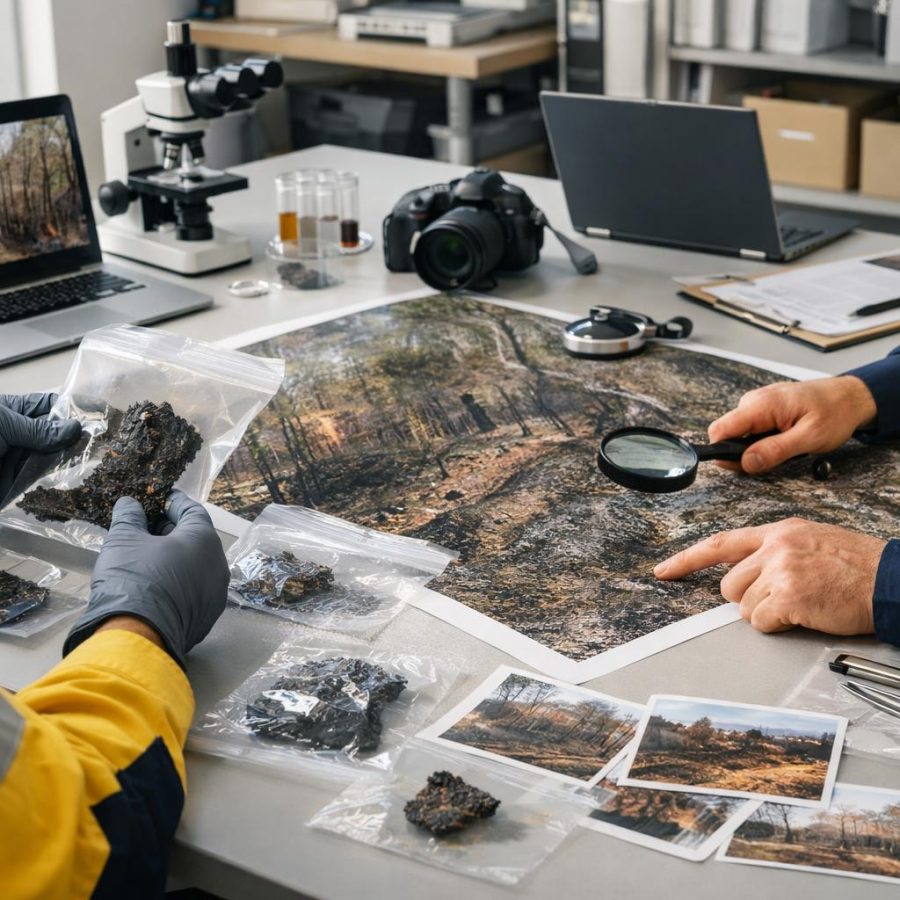
Evidence care continues during fireground work
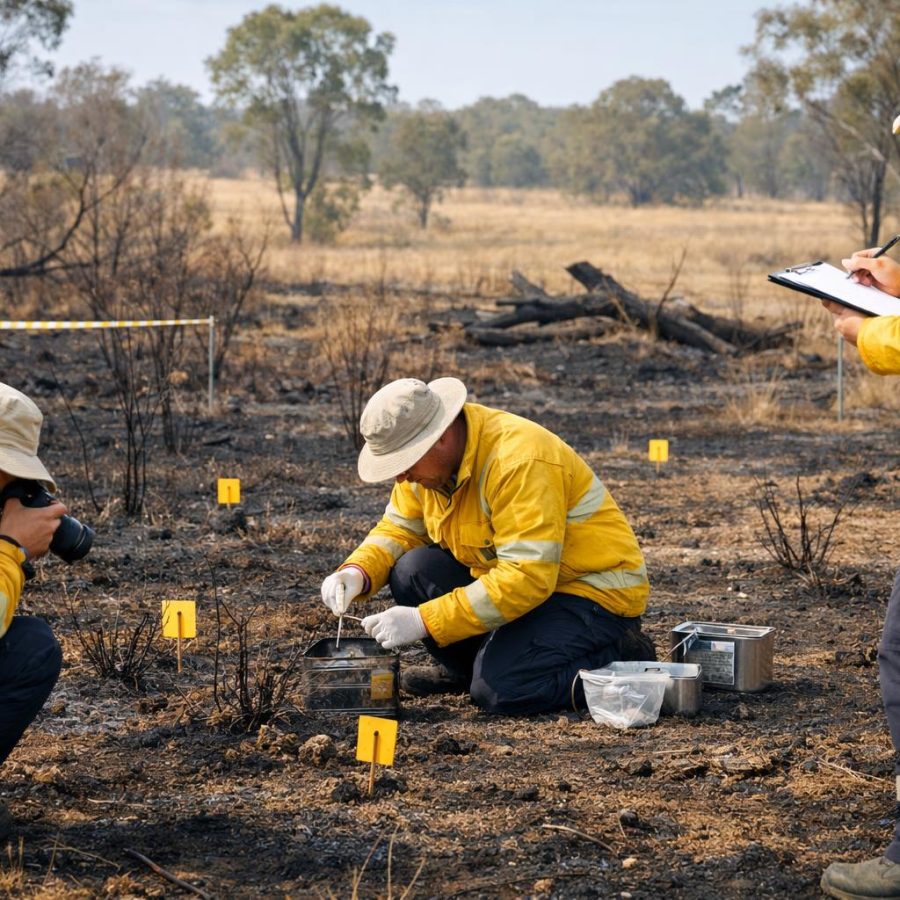
If the crew identifies the area of origin or possible evidence of fire cause, it protects that information through procedure. Then it reports the matter to the supervisor or relevant authority. The crew does not investigate beyond its role. Instead, it preserves what matters and communicates it correctly.
Communication, environmental care and evidence protection help the fireground stay controlled and accountable.
Integrated control check
Finish the scenario with mop-up, patrol and equipment recovery
The final operational stage reviews the fireground, maintains patrol, identifies late-stage hazards and restores equipment for the next crew.
Mop-up protects the control already gained
After the main combat phase reduces, the crew carries out mop-up activities according to organisational procedures. It does not treat this stage as casual clean-up. Instead, it continues the suppression task with control and care.
The crew also maintains patrol of the fire. During this stage, it watches for hot spots, hazardous trees and other concerns that may affect safety or ongoing control.
Recovery supports the next crew
Once fireground duties allow, equipment is made ready for operational use. That step matters because the next crew depends on clear readiness. Therefore, damaged or missing equipment is replaced, recorded and/or reported through organisational procedure.
This closes the scenario properly. The crew began with a wildfire report. It ends by restoring capability for what comes next. That full arc reflects the discipline of the Suppress wildfire process.
A good finish improves future readiness
Strong wildfire work includes strong completion habits. Mop-up, patrol and equipment recovery protect the effort already made. They also reduce avoidable uncertainty for the next operational period.
The fireground task finishes well when the fire is checked, the hazards are considered and the equipment status is clear.
Mop up
Carry out completion activities through organisational procedure.
Patrol
Keep watching for hot spots, hazardous trees and late-stage fireground concerns.
Recover
Restore equipment and report issues so the next crew starts from a clearer position.
Best practice
Finish the incident stage with the same care used at the start of the response.
Common mistake
Letting discipline drop late in the job, when mop-up, patrol and equipment recovery still matter.
Final WILDFIRE READY checklist
Use this final capstone checklist to refresh the full Suppress wildfire sequence in one practical view.
Wildfire details received
Receive, record and report the location, type, behaviour and developments of the wildfire.
Initial preparation completed
Confirm access, prepare PPE and supplies, then select the appropriate vehicle or appliance.
Location and access managed
Proceed safely, use navigation, note relevant evidence and provide the arrival report.
Defend people and assets
Assess threats, support protective procedures, manage hazardous access and consider defensibility.
Fight the wildfire safely
Use the briefing, tactics, equipment, safety zones and fire behaviour awareness to support objectives.
Information remains active
Maintain communication, provide reports, limit damage and protect possible evidence.
Review the fireground
Carry out mop-up, maintain patrol and detect hot spots and hazardous trees.
Equipment restored
Prepare equipment for operational use and deal properly with damaged or missing items.
The Suppress wildfire capstone shows how every stage supports the next. Accurate information improves preparation. Strong preparation improves safe access. Safe access supports people protection. Clear protection priorities guide wildfire combat. Communication then keeps the fireground controlled. Finally, mop-up, patrol and equipment recovery close the work properly.
That is the value of the WILDFIRE READY Cycle. It gives firefighters, trainees and experienced crew members one clear refresher path across the whole operational journey.
Scenario: Which sequence reflects the full Suppress wildfire process?
Choose the answer that follows the course journey from first report to final equipment recovery.
Part 8 capstone check
Choose the best answer for each final refresher question.
1. Which stage comes before proceeding to the wildfire?
2. During wildfire combat, crews must consider:
3. What closes the full Suppress wildfire operational journey?
Say the full course journey out loud
Use this final drill to lock in the complete Suppress wildfire sequence.
- Receive and report wildfire details.
- Prepare to respond with confirmed location, access, PPE, supplies and transport.
- Proceed to the wildfire using safe access, navigation and arrival reporting.
- Protect people and assets through assessment, direction and continued monitoring.
- Combat the wildfire through briefing, safety zones, tactics, equipment and behaviour awareness.
- Maintain communication, provide fire reports, reduce damage and protect possible evidence.
- Conduct mop-up and patrol while detecting hot spots and hazardous trees.
- Recover and maintain equipment for the next crew.
FireRescue Training Hub
Access practical fire and emergency study support resources, downloads, checklists, audio guides, and member-only course content.
- Course library
- PDF downloads
- Audio guides
- Checklists
Study support only. Not accredited training or a replacement for workplace procedures.
About the author and safety review
Ken Walker
Former Station Officer and fire service educator
Former career firefighter with extensive career and volunteer fire service experience.
Qualifications: Associate Diploma of Applied Science in Fire Technology; Institute of Fire Engineers studies.
Author profilehttps://www.firerescue.com.au/about-us/