Understanding foam effectiveness on fuel fires is vital for safe and efficient firefighting in Australia. Foam creates a barrier between fuel and oxygen, controlling flames and preventing re-ignition. Australian fire services rely on proven foam agents that work well under local conditions.
This guide offers practical insights for emergency responders and community members, highlighting how foam is used on fuel fires and what makes it effective. Staying informed can improve outcomes during fire emergencies involving fuels like petrol, diesel and aviation fuel.
How Foam Controls Fuel Fires
Foam works by forming a thick, stable blanket over burning liquid fuels, such as petrol or diesel. This blanket blocks oxygen from feeding the fire and cools the fuel surface, reducing vapour release. The foam layer also helps prevent the fuel from splashing, which can spread the fire further.
The effectiveness of foam on fuel fires depends on several factors including the type of foam, the fuel involved, application technique, and environmental conditions. A well-applied foam blanket quickly suppresses flames and lowers heat, making it easier for firefighters to control the blaze and reduce damage.
In addition to blocking oxygen, foam also acts as a cooling agent. The water content in foam helps absorb heat from the fuel and surrounding surfaces, preventing the fire from spreading to adjacent materials. This cooling effect is crucial for controlling fires in complex environments such as industrial sites or transport depots. Moreover, foam’s ability to seal vapours reduces the risk of explosion or flashback, which are common hazards in fuel fires.
The foam’s physical properties, such as bubble size and drainage time, play a significant role in its performance. Smaller bubbles create a denser blanket that adheres better to vertical surfaces, while slower drainage ensures the foam remains effective longer. Firefighters must consider these characteristics when selecting foam types for specific fuel fire scenarios.
Furthermore, the interaction between foam and different fuel types influences suppression efficiency. For instance, fuels with high volatility or low flash points may require faster foam application and thicker blankets to quickly interrupt combustion. Understanding these dynamics allows responders to adapt tactics to the specific fire scenario, enhancing safety and success.
Foam can also help in controlling fire spread on water surfaces where fuel may float, such as in fuel spills or marine incidents. The foam blanket forms a film that suppresses vapours and limits ignition sources, providing a critical tool for environmental protection and fire control in aquatic environments.
Types of Foam Used in Australia
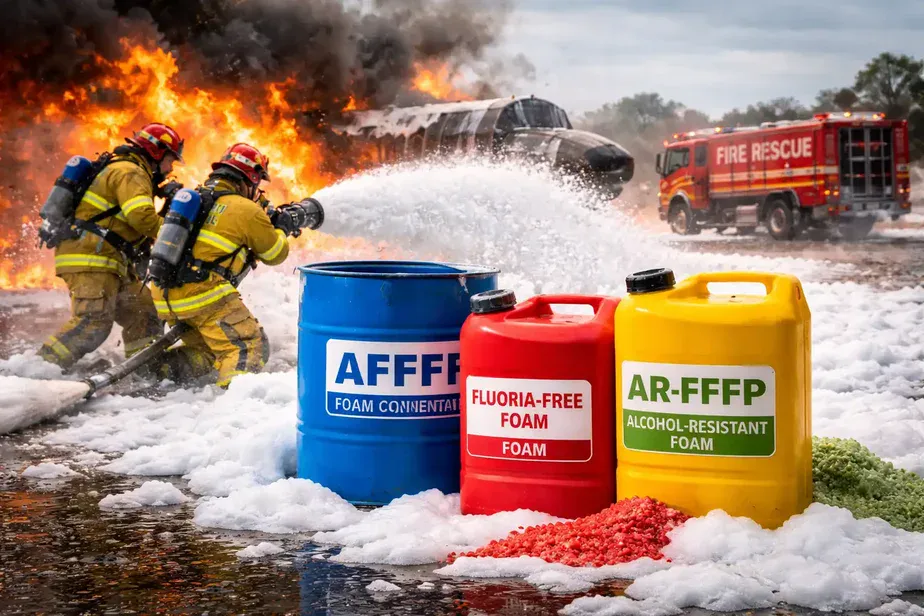
Australian fire agencies commonly use Aqueous Film-Forming Foam (AFFF) and Synthetic Fluorine-Free Foams (F3). AFFF creates a film on the fuel surface that spreads rapidly to seal the fuel from air. However, environmental concerns have pushed many services to adopt fluorine-free foams that offer effective suppression with less ecological impact.
Protein and alcohol-resistant protein foams are also in use for specific fuel types, especially in rural or aviation fire scenarios. Selecting the right foam depends on the fuel characteristics and incident size, as well as local policies and safety requirements.
Recent developments in foam technology have introduced enhanced formulations that improve biodegradability and reduce toxicity. These newer foams maintain firefighting performance while addressing stricter environmental regulations. Australian agencies often conduct field trials and collaborate with manufacturers to evaluate foam products under local conditions, ensuring optimal selection and use.
It is important to note that some foam types are specifically designed to combat particular fuel classes. For example, alcohol-resistant foams are essential when fighting fires involving polar solvents or alcohol-blended fuels, which can otherwise break down typical foam blankets. Understanding fuel chemistry guides foam choice and application strategy.
Additionally, the choice of foam concentrate also affects environmental outcomes. Fluorinated foams, while highly effective, have raised concerns due to persistence of per- and polyfluoroalkyl substances (PFAS) in the environment. As a result, Australian firefighting bodies are actively transitioning to fluorine-free options that balance efficacy with sustainability.
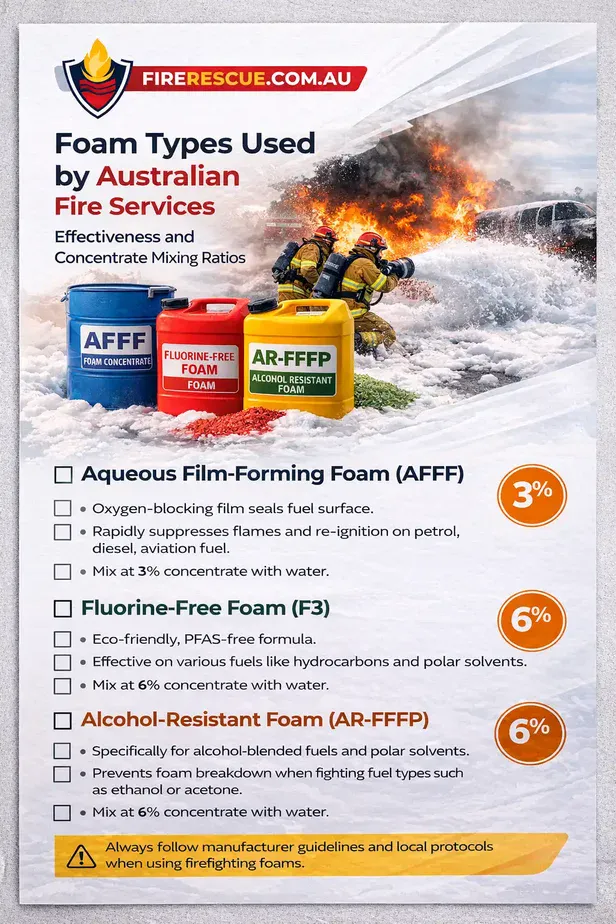
Foam Effectiveness on Fuel Fires in Australia
Access a clear, practical guide covering foam performance, fuel fire response basics, and key considerations for safer decision-making.
- ✓ Easy-to-follow layout for quick reading
- ✓ Built for practical fire safety awareness
- ✓ Clean PDF format for viewing, saving, or printing
Presented by www.firerescue.com.au — practical, user-focused emergency and safety resources.
Practical Application and Technique
Effective foam application requires trained personnel using appropriate equipment. Firefighters typically apply foam via foam chambers, proportioners or through dedicated foam delivery systems that mix foam concentrate with water at correct ratios. The foam is then sprayed onto the burning or spilled fuel surface.
Maintaining foam integrity is essential. Wind, heat and fuel type can degrade foam. Applying foam gently to avoid breaking the blanket, using sufficient volume, and covering all burning surfaces help maximise effectiveness. Monitoring foam stability over time ensures the fire remains controlled until fully extinguished.
Training also emphasizes the importance of applying foam from the upwind side to prevent disturbing the foam blanket with air currents. Firefighters must carefully adjust nozzle angles and flow rates to create an even, continuous foam layer. In large-scale incidents, coordinated foam application by multiple crews can rapidly contain spreading fires.
In addition, pre-incident planning and foam system maintenance are crucial. Regular testing of foam proportioning equipment ensures accurate mixing ratios, which directly affect foam performance. Fire stations near high-risk fuel storage or transport areas often maintain ready-to-deploy foam stocks and conduct drills to maintain readiness.
Beyond the technical aspects, understanding the site layout and fire behaviour is vital during foam application. Firefighters must assess wind direction, fuel spill extent, and potential ignition sources to deploy foam effectively. Rapid decision-making supported by training and experience leads to safer and more efficient incident management.
Moreover, foam application techniques may vary depending on the fire phase. Initial knockdown requires aggressive foam application to quickly suppress flames, while sustained application maintains the foam blanket to prevent re-ignition. Transitioning between these phases smoothly is critical to successful firefighting outcomes.
Environmental and Safety Considerations
Australian fire services carefully balance foam effectiveness on fuel fires with environmental safety. Some foam chemicals can contaminate soil and waterways if not managed properly. That’s why modern fluorine-free foams are gaining preference for reducing long-term environmental harm.
Responders must also consider personal safety. Fuel fires produce toxic smoke and vapours, so using full protective gear and breathing apparatus is mandatory. Foam use should follow agency guidelines and be coordinated with other emergency interventions for the best outcome.
Environmental management during foam use includes containment and clean-up of runoff to prevent chemical spread. Fire services often deploy bunds or absorbent materials around the incident area. Additionally, post-incident monitoring helps assess any ecological impact and guides remediation efforts.
Safety protocols also extend to storage and handling of foam concentrates. Proper storage conditions prevent degradation and maintain foam efficacy. Training on spill response and chemical handling reduces risks to personnel and the environment. Coordination with environmental agencies ensures compliance with regulations.
Moreover, increasing awareness of foam environmental impacts has led to research into alternative suppression agents and improved formulations. Innovations such as biodegradable foams and enhanced containment practices aim to reduce ecological footprints while maintaining firefighting effectiveness.
Community education also plays a role in safety and environmental protection. Informing the public about foam use, potential hazards, and the importance of following emergency services guidance supports overall incident management and recovery.
If You Only Do Five Things
First, always call 000 immediately in any life-threatening fire emergency involving fuel. Early professional response saves lives.
Second, understand that foam is the preferred agent for fuel fires because it controls vapours and cools fuel surfaces.
Third, respect the safety protocols and protective equipment requirements when near fuel fires; toxic smoke and heat are dangerous.
Fourth, if you are a responder, ensure foam concentrates are stored and mixed properly to maintain effectiveness.
Fifth, follow advice from Fire/Rescue NSW, CFA Victoria, or your local emergency services about fire warnings and foam use policies.
Who Does What in Australia
Fire/Rescue Services are responsible for fighting fires including fuel fires. These include NSW Fire & Rescue, CFA in Victoria, and other state services. They have trained crews and equipment for foam application.
Police manage public safety, traffic control, and investigation at fire scenes. They coordinate with fire services and other agencies.
Ambulance provide medical response and treatment for any injured people at fire incidents.
State Emergency Service (SES) assists with flood, storm, and rescue operations but generally does not fight fuel fires unless specially trained.
Always follow instructions from these agencies and do not approach fuel fires. Call 000 if you see an emergency.
In addition to these roles, industry-based fire brigades at airports, fuel terminals, and large industrial complexes play a critical role in initial foam application and containment. Their specialised training and equipment enable rapid response to fuel fires, often before state services arrive.
Collaboration between agencies and industry responders is vital for effective fuel fire management. Joint training exercises and communication protocols improve coordination and resource sharing during emergencies.
Community awareness initiatives also complement official response efforts. Educating workers and residents near fuel storage or transport routes about fire risks and reporting procedures enhances overall safety.
FireRescue Training Hub
Access practical fire and emergency study support resources, downloads, checklists, audio guides, and member-only course content.
- Course library
- PDF downloads
- Audio guides
- Checklists
Study support only. Not accredited training or a replacement for workplace procedures.
About the author and safety review
Ken Walker
Former Station Officer and fire service educator
Former career firefighter with extensive career and volunteer fire service experience.
Qualifications: Associate Diploma of Applied Science in Fire Technology; Institute of Fire Engineers studies.
Author profilehttps://www.firerescue.com.au/about-us/