Community Safety Insight
Community Resilience after Major Disasters
Key takeaways:
Building community resilience after major disasters is essential to reduce harm and speed recovery. It requires coordinated efforts between emergency services, local organisations and residents.
Understanding the roles of Fire and Rescue, Police, Ambulance and the State Emergency Service (SES) helps communities know who to call and what support to expect during emergencies.
Practical preparedness, clear communication and inclusive planning empower Australians to recover more quickly and foster long-term community strength.
Background and context
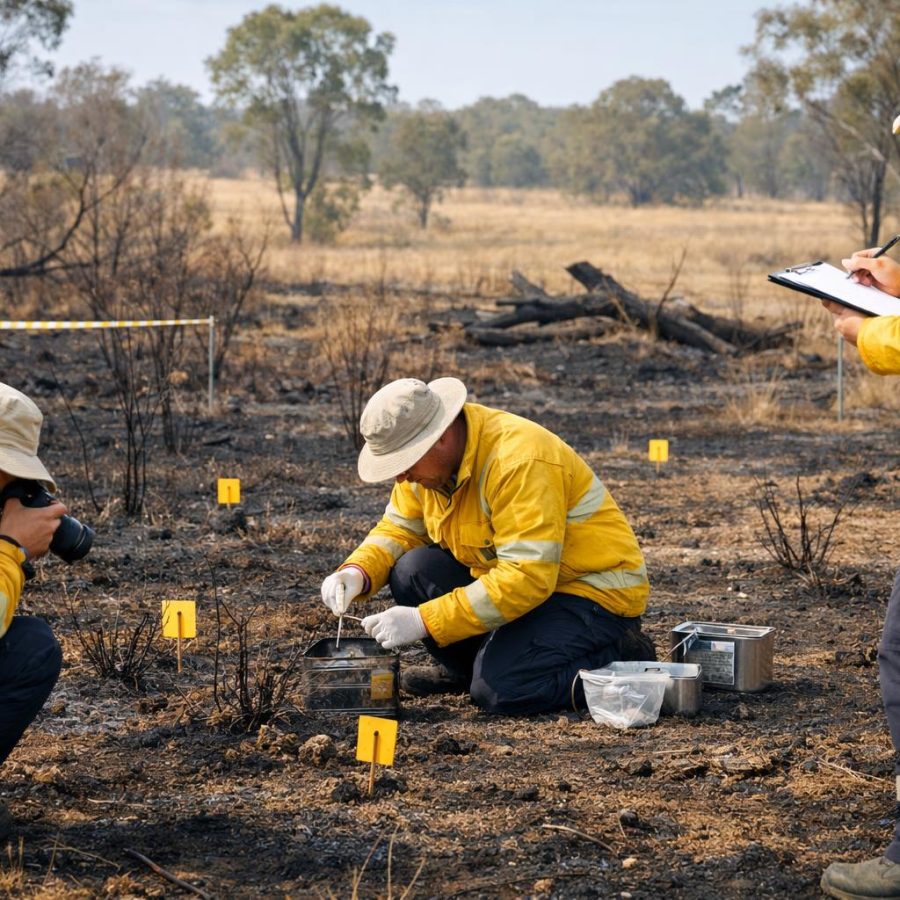
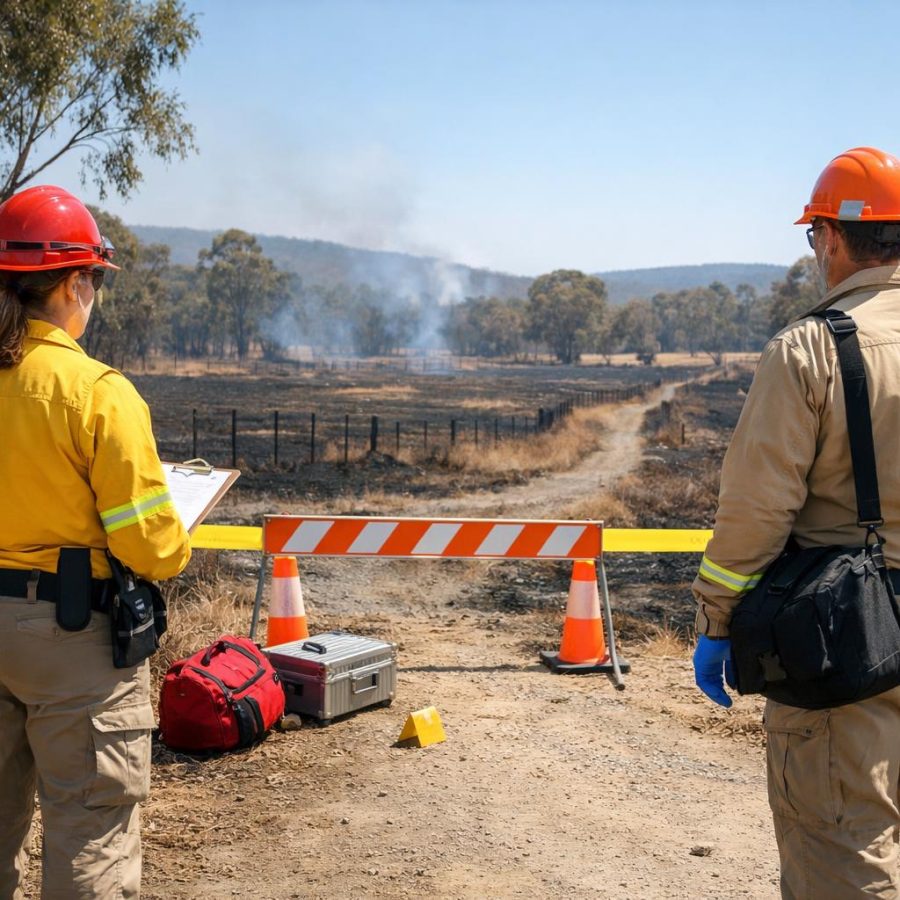
Australia faces a variety of natural disasters including bushfires, floods, storms and heatwaves. These events can cause significant disruption to communities – affecting homes, infrastructure, health and wellbeing. Over recent decades, the increasing frequency and intensity of such disasters have highlighted the critical importance of community resilience. Resilience refers to the ability of a community to anticipate, prepare for, respond to and recover from adverse events.
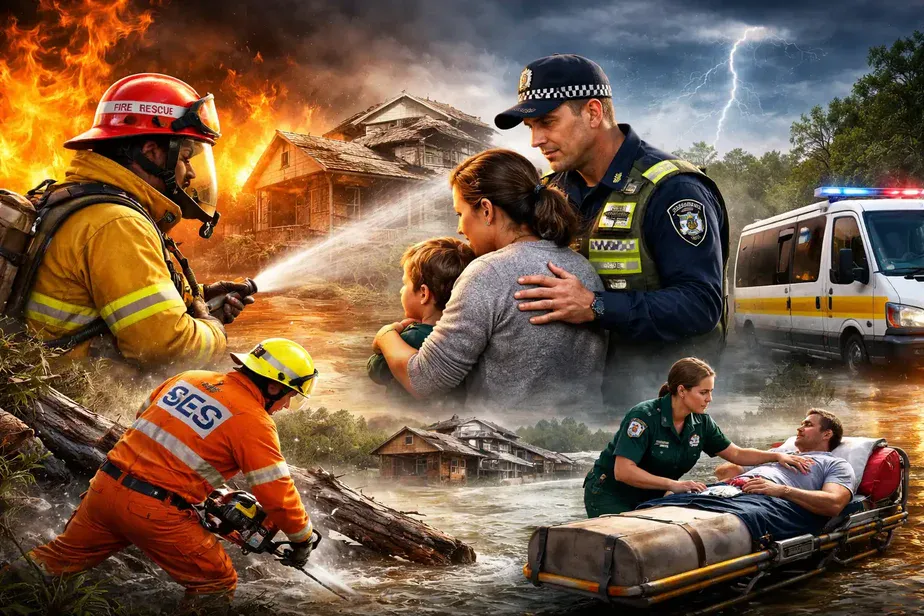
The Australian emergency response system is multi-layered, involving Fire and Rescue services, Police, Ambulance and the State Emergency Service. Each agency has distinct responsibilities that complement each other in disaster management. Understanding these roles, along with practical steps communities can take, forms the foundation for building resilience.
Understanding emergency service roles in disasters
Fire and Rescue
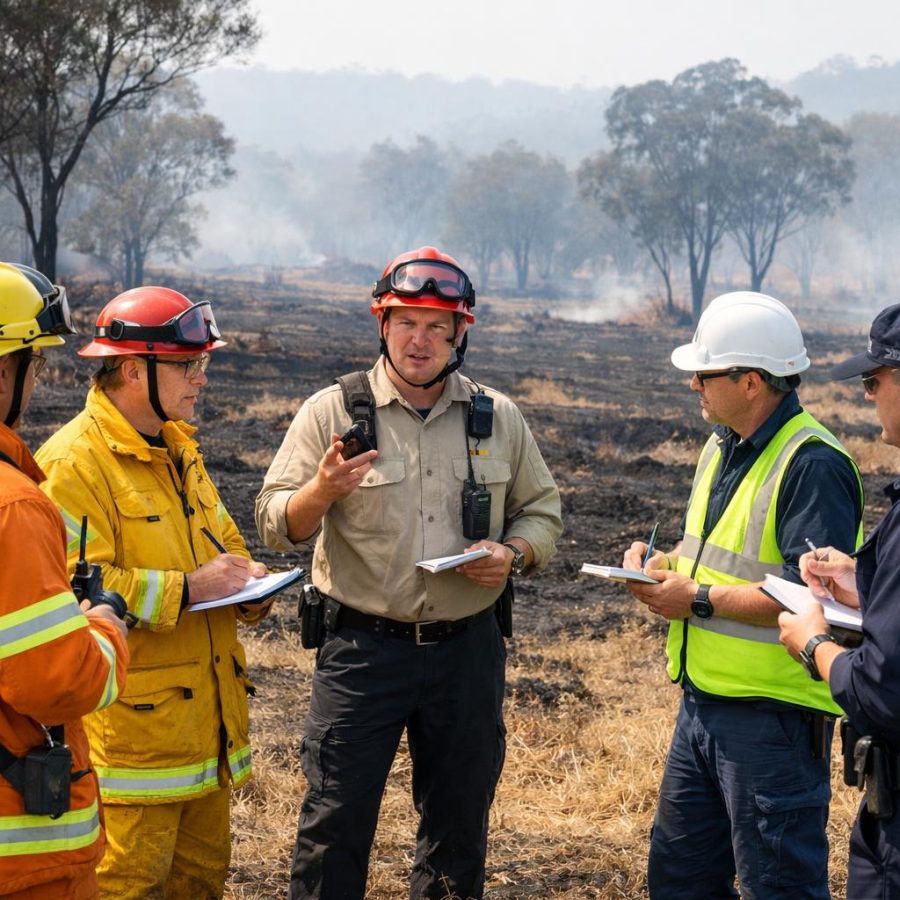
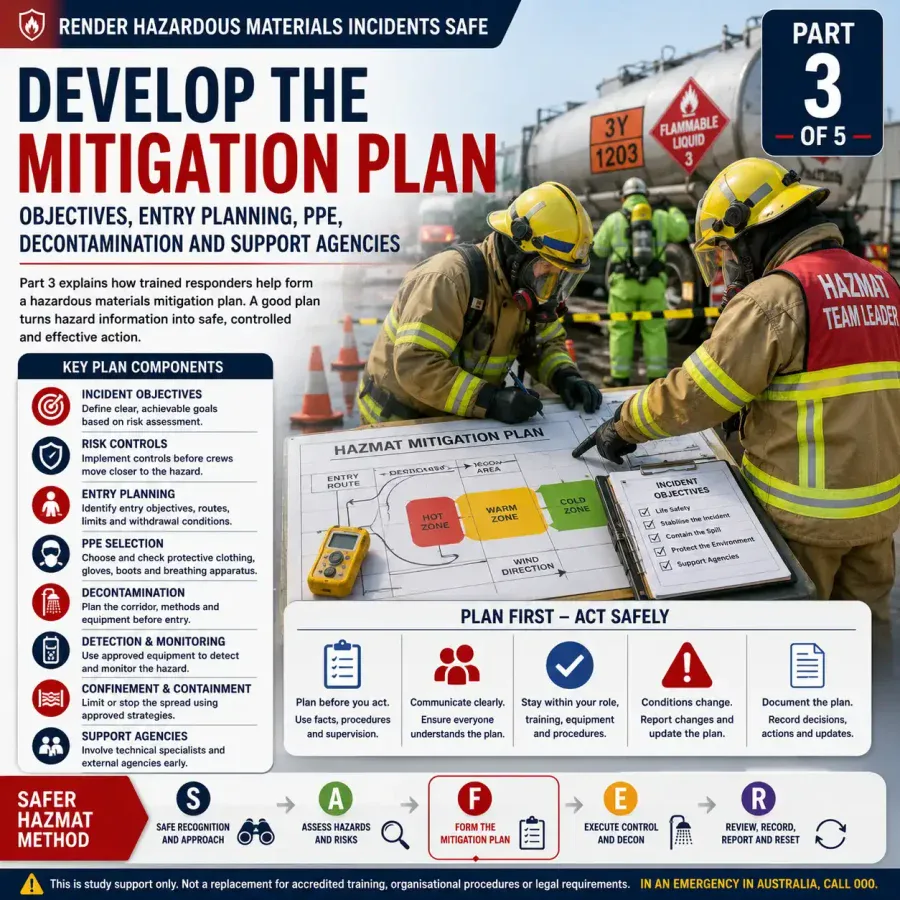
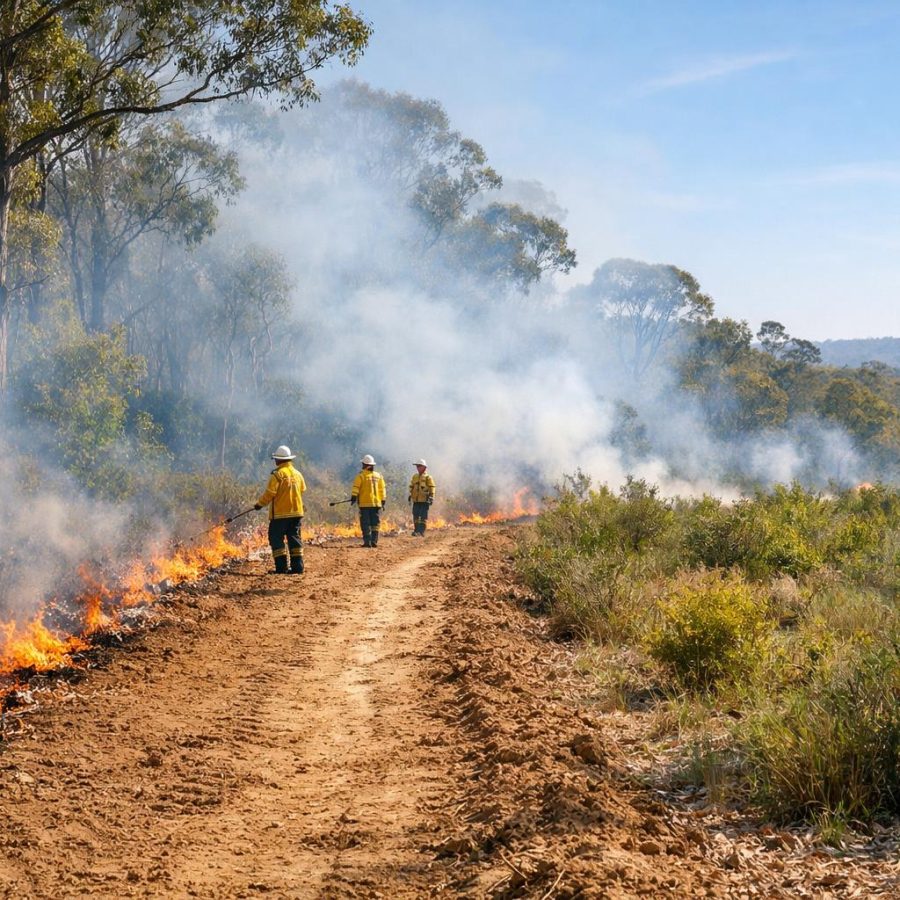
Fire and Rescue services primarily respond to fire-related incidents, including bushfires and structural fires, as well as road accidents and hazardous material emergencies. They focus on protecting life, property and the environment from fire threats and related hazards. Their expertise includes fire suppression, rescue operations and providing public safety advice during fire emergencies.
Police
Police are responsible for maintaining law and order, managing traffic and public safety during disasters, and coordinating evacuations where necessary. They also assist in search and rescue operations and support other emergency services by securing affected areas. Police play a critical role in disaster response coordination and community reassurance.
Ambulance
Ambulance services provide emergency medical care and transport for injured or ill people during disasters. They prepare for mass casualty incidents and ensure timely medical support in challenging conditions. Ambulance personnel work closely with other services to triage, treat and stabilise victims, contributing to saving lives and reducing long-term health impacts.
State Emergency Service (SES)
The SES is a volunteer-based organisation tasked with assisting communities during floods, storms, cyclones and other non-fire emergencies. Their roles include flood response, storm damage mitigation, road rescues, and supporting evacuations. The SES also helps with community education and preparedness, making them a vital link between emergency services and the public.
Building community resilience: practical steps
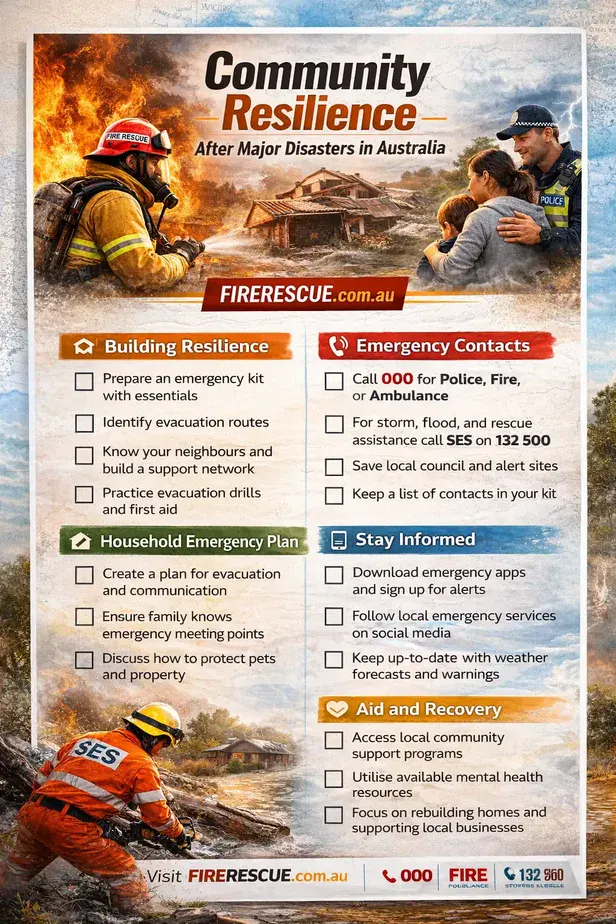
Community resilience is strengthened through active preparation, clear communication and inclusive engagement. Residents should develop personal and household emergency plans that cover evacuation routes, emergency contacts and essential supplies. Understanding how and when to call 000 is fundamental — this number connects callers to Police, Fire and Rescue or Ambulance services depending on the incident.
Local community groups and organisations can play a pivotal role by organising education sessions, helping vulnerable people prepare, and sharing timely information during disasters. Collaboration between emergency services and community leaders ensures that culturally diverse and remote populations receive tailored support.
Technology also assists resilience — tools like emergency apps, SMS alerts and social media increase situational awareness. Communities that practice drills and engage in recovery planning tend to bounce back faster, reducing stress and economic losses.
Practical implications for Australians
When disaster strikes, knowing who to call and what to expect can save precious time. In a fire or life-threatening situation, dial 000 immediately — the operator will direct your call to Fire and Rescue, Ambulance or Police as needed. For flood or storm damage, the SES is the specialist agency to assist, but calls for urgent rescue or medical help still go through 000.
Communities should work closely with local councils and emergency services to stay informed about risks specific to their area. Preparing emergency kits, knowing evacuation centres, and checking in on neighbours builds a network of support that can make a significant difference in recovery outcomes.
Finally, resilience is not just about surviving the disaster but also about long-term recovery. Accessing mental health resources, rebuilding social connections and advocating for resilient infrastructure are key components that Australians can embrace to strengthen their communities.
Beyond immediate response and recovery, fostering community resilience involves nurturing a culture of preparedness and mutual support. This means encouraging neighbours to know each other’s strengths and vulnerabilities, creating local support networks that can mobilise quickly in times of need. In rural and remote areas, where emergency services may take longer to arrive, these networks are especially crucial for initial assistance and information sharing.
Education plays a critical role in resilience. Schools, workplaces, and community centres can host regular workshops and training sessions on emergency preparedness, first aid, and basic firefighting techniques. These initiatives empower individuals to act confidently during emergencies and reduce reliance on overstretched emergency services.
The importance of inclusive planning cannot be overstated. Disaster impacts and recovery experiences vary widely among different population groups, including Indigenous communities, elderly residents, people with disabilities, and culturally and linguistically diverse populations. Tailoring communication and support to meet their specific needs ensures no one is left behind and enhances overall community resilience.
Climate change continues to influence the frequency and severity of natural disasters in Australia, making resilience efforts increasingly urgent. Integrating climate adaptation strategies into community planning, such as sustainable land management and resilient infrastructure design, helps mitigate future risks. This proactive approach reduces vulnerability and supports sustainable recovery.
Recovery is a complex process that extends beyond physical rebuilding.
Emotional and psychological recovery is equally important. Communities benefit from access to mental health services, peer support groups, and culturally sensitive counselling. Encouraging open dialogue about trauma and resilience helps reduce stigma and promotes healing.
Economic resilience also plays a vital role. Supporting local businesses to prepare for and recover from disasters helps maintain livelihoods and community stability. Governments and organisations can provide financial assistance, training, and resources to strengthen local economies and reduce long-term impacts.
Conclusion.
In summary, building community resilience is a shared responsibility that requires ongoing commitment from individuals, emergency services, governments, and organisations. By working together, Australian communities can better withstand disasters, recover more rapidly, and emerge stronger and more connected.
FireRescue Training Hub
Access practical fire and emergency study support resources, downloads, checklists, audio guides, and member-only course content.
- Course library
- PDF downloads
- Audio guides
- Checklists
Study support only. Not accredited training or a replacement for workplace procedures.
About the author and safety review
Ken Walker
Former Station Officer and fire service educator
Former career firefighter with extensive career and volunteer fire service experience.
Qualifications: Associate Diploma of Applied Science in Fire Technology; Institute of Fire Engineers studies.
Author profilehttps://www.firerescue.com.au/about-us/