FIRE SAFETY GUIDE
Key Takeaways
After a bushfire, safety should be your top priority before beginning any cleanup. This checklist guides you through essential steps to protect yourself and your community from hazards like unstable structures, smoke, and contaminated debris.
Following official advice from emergency services and local authorities is vital. Use protective gear, be aware of hidden dangers, and proceed carefully to restore your property safely.
Why After Bushfire Cleanup Safety Matters
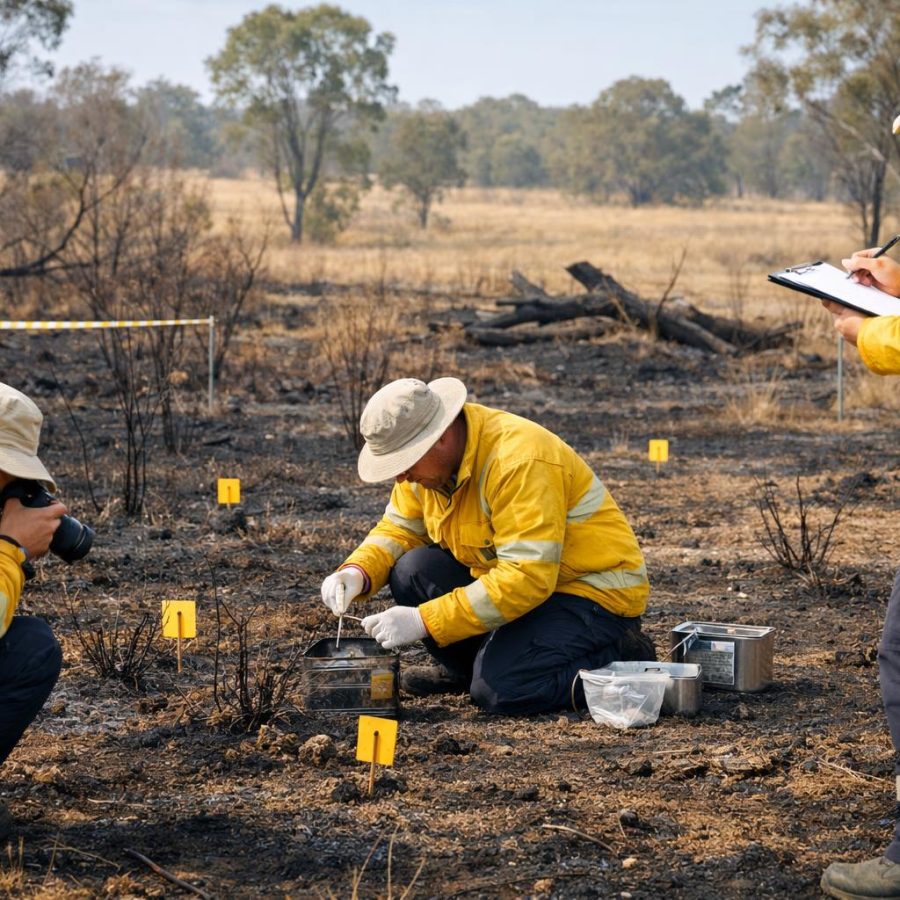
Bushfires cause significant damage not only to homes and vegetation but also to the environment and local infrastructure. Once the flames have passed, the cleanup phase introduces new risks that can threaten your health and safety. Falling trees, hot embers, weakened buildings, and hazardous materials can all pose dangers you might not immediately notice.

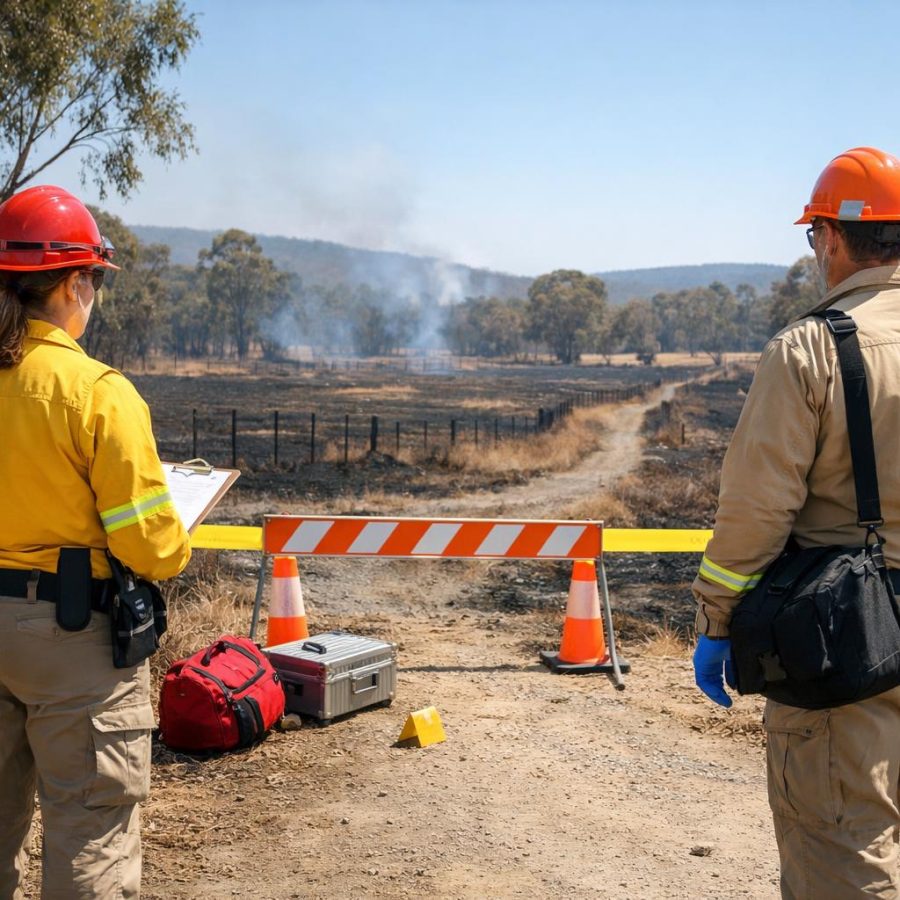
Photo by borevina via Pixabay
Taking a calm, methodical approach based on a clear safety checklist helps minimise injuries and ensures you comply with local laws and health guidelines. It also reduces environmental harm by properly disposing of burnt materials and avoiding further contamination.
Downloadable A4 Checklist
Print this and keep it somewhere visible. Tick items as you go, it helps under pressure.
Initial Steps After a Bushfire
Before entering your property, monitor updates from the Rural Fire Service or local council. Only return once authorities declare it safe. Roads may be blocked, and hazards such as live electrical wires or gas leaks could still exist.
When you arrive, take time to survey the area from a safe distance. Look for unstable trees, damaged power poles, or signs of structural collapse in buildings. Do not enter damaged structures until inspected by professionals.
Check for Gas and Electrical Safety
Gas leaks are a common risk after fires. If you smell gas or hear hissing sounds, leave immediately and contact emergency services. Similarly, damaged power lines or exposed wiring can cause electrocution. Have a licensed electrician inspect your property before reconnecting power.
Consider Air Quality and Smoke Exposure
Smoke and ash can irritate your eyes and lungs. Use a high-quality face mask such as a P2 or N95 respirator when working outdoors during cleanup. Try to limit physical exertion and take breaks in fresh air.
Essential Protective Gear for Cleanup
Wearing the right protective equipment can protect you from cuts, burns, inhalation of harmful particles, and infections. Long-sleeved shirts and pants made of thick fabric provide a barrier against embers and sharp objects.
Sturdy gloves will shield your hands from debris and chemicals, while boots with steel toes help prevent injury from nails or glass. Eye protection such as safety goggles reduces the risk of irritation from ash or flying particles.
Remember to stay hydrated and work in pairs or groups when possible. Keep a charged phone nearby in case you need assistance.
Step-by-Step After Bushfire Cleanup Safety Checklist
Begin with clearing small debris and move on to larger structural items only once safety is assured. Dispose of hazardous materials correctly, and separate recyclable items to reduce landfill waste.
Avoid stirring up ash or dust unnecessarily. Use a spray bottle with water to dampen ash before sweeping. Take care when using chainsaws or other powered equipment, following manufacturer and safety guidelines.
Always consult with local waste management facilities about disposal options. Some materials may require special handling due to contamination from fire retardants or chemicals.
If You Only Do Five Things After a Bushfire
Check local authority updates first. Never return to your property until emergency services confirm it is safe.
Use proper personal protective equipment. Always wear gloves, boots, masks, and eye protection during cleanup.
Inspect for gas leaks and electrical hazards. Do not attempt repairs yourself. Call professionals for inspections.
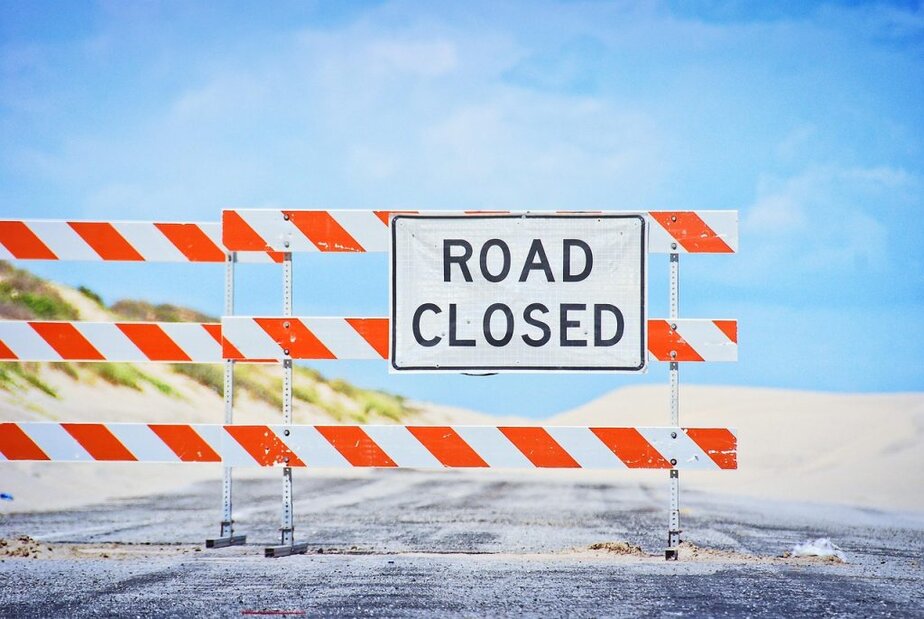
Photo by 00luvicecream via Pixabay
Avoid inhaling ash and dust. Wet down debris before cleaning and take breaks in fresh air.
Dispose of waste responsibly. Follow local guidelines for hazardous and general debris removal.
Additional Tips for a Safe and Effective Cleanup
Document the damage thoroughly with photos before you start cleaning. This will assist with insurance claims and government relief applications. Keep all receipts and records of expenses related to the cleanup.
Be patient and pace yourself. Cleanup after a bushfire is physically and emotionally demanding. Consider reaching out to community support services if you feel overwhelmed.
Finally, remember that restoring your property and your wellbeing takes time. Prioritise safety each step of the way and seek help when in doubt.
Understanding Environmental Hazards Post-Bushfire
Beyond the immediate physical dangers, post-bushfire environments can harbor environmental hazards that affect both human health and local ecosystems. Contaminated soil, ash residue, and runoff can introduce toxins and heavy metals into waterways. It is important to avoid contact with ash piles and runoff water, especially if you notice unusual smells or colours.
When cleaning garden areas or natural landscapes, use gentle methods to prevent erosion and further damage. Avoid using herbicides or chemicals that may exacerbate contamination. Instead, consider consulting with local environmental agencies for advice on rehabilitation efforts.
Mental Health Considerations During Cleanup
The emotional toll of experiencing a bushfire and its aftermath cannot be underestimated. The cleanup process may trigger feelings of loss, anxiety, and fatigue. It is crucial to acknowledge these feelings and seek support when needed.
Engage with local community groups or mental health services that specialise in disaster recovery. Sharing your experiences with others who understand can provide comfort and practical advice. Taking regular breaks, maintaining a routine, and focusing on small achievable goals during cleanup can also help cope with stress.
Preventing Future Fire Risks During Cleanup
As you clear debris and repair your property, consider implementing fire-resistant landscaping and building materials. Removing dead vegetation and trimming trees away from structures reduces fuel for potential future fires.
Installing ember-proof vents and maintaining clear access paths for emergency services can improve safety. Consult fire safety professionals for tailored advice suited to your property’s location and risk profile. Proactive steps taken during cleanup can significantly mitigate the impact of future bushfires.
Dealing With Hazardous Materials and Waste
During the cleanup, you may encounter hazardous materials such as asbestos, burnt plastics, and chemicals released or created by the fire. These substances can pose serious health risks if handled improperly. It is essential to identify such materials early and avoid direct contact.
Many local councils provide special collection services or designated drop-off points for hazardous waste after bushfires. If you suspect the presence of asbestos or other dangerous materials, consider hiring licensed professionals for removal and disposal. Never attempt to remove hazardous waste on your own without proper training and equipment.
Water Safety and Contamination Risks
Bushfires can affect water quality by introducing ash, sediment, and chemicals into water supplies. Well water and rainwater tanks may become contaminated, making the water unsafe for drinking or irrigation. Before using any water source post-fire, have it tested or seek advice from local health authorities.
Avoid using contaminated water for washing food, drinking, or bathing until it is confirmed safe. Flushing and cleaning water tanks thoroughly after the fire is a recommended precaution. Maintaining safe water practices protects you and your family from potential illnesses.
Community Coordination and Support Networks
Effective cleanup after bushfires often depends on strong community coordination. Working together with neighbours and local organisations can help share resources, equipment, and knowledge. Many communities establish cleanup groups or volunteer networks to assist vulnerable residents.
Stay informed about community meetings or information sessions held by emergency services or local councils. These events provide updates on safety, available support, and recovery programs. Participating in community efforts can also foster resilience and a sense of solidarity during challenging times.
Long-Term Property Restoration and Planning
Cleanup is only the first step towards fully restoring your property. Following the initial debris removal, consider engaging building professionals to assess structural integrity and plan repairs. Rebuilding to higher safety standards and incorporating fire-resistant materials can improve your home’s resilience.
Landscaping restoration, including soil rehabilitation and replanting native vegetation, supports environmental recovery. Collaborate with environmental experts or local nurseries to select appropriate plants that reduce fire risk and promote biodiversity.
Developing a long-term fire preparedness plan is crucial. This includes creating defensible spaces around your property, maintaining emergency equipment, and having clear evacuation routes. Being proactive helps safeguard your home and community against future bushfire events.
FireRescue Training Hub
Access practical fire and emergency study support resources, downloads, checklists, audio guides, and member-only course content.
- Course library
- PDF downloads
- Audio guides
- Checklists
Study support only. Not accredited training or a replacement for workplace procedures.
About the author and safety review
Ken Walker
Former Station Officer and fire service educator
Former career firefighter with extensive career and volunteer fire service experience.
Qualifications: Associate Diploma of Applied Science in Fire Technology; Institute of Fire Engineers studies.
Author profilehttps://www.firerescue.com.au/about-us/