What Are Severe Thunderstorm Warnings?
Severe thunderstorm warnings are alerts issued by the Bureau of Meteorology (BOM) or other local emergency agencies when conditions favour thunderstorms that may be dangerous. These warnings aim to inform the public early enough to take protective actions. They describe the expected severity, location, and timing of storms.
Warnings are based on weather radar, satellite data, and storm reports. They focus on the potential impact rather than just the presence of a storm. This means a severe thunderstorm warning highlights storms likely to produce damaging winds, large hail, intense rainfall causing flash flooding, or deadly lightning.
Understanding these warnings is critical because severe thunderstorms can develop rapidly and with little notice. The BOM continually monitors atmospheric conditions such as temperature, humidity, and wind patterns to detect when these storms are likely to form. By issuing warnings promptly, emergency services hope to minimise injuries, fatalities, and property damage.
Types of Severe Thunderstorm Warnings in Australia
The BOM categorises severe thunderstorm warnings mainly by the hazard expected. Each warning states the threat type and may advise on severity and timing. The main warning types include damaging winds, large hail, heavy rainfall, and tornado warnings linked to thunderstorms.
Damaging Wind Warnings
These warnings indicate thunderstorms capable of producing wind gusts strong enough to cause structural damage, bring down trees, or create dangerous conditions on roads. Winds can exceed 90 km/h and sometimes reach well beyond 100 km/h. People should secure outdoor items and avoid travel if possible.

Photo by geralt via PixabayDamaging winds during thunderstorms often come in the form of downbursts or microbursts, which are intense localized columns of sinking air. These can cause sudden and severe damage comparable to that of a tornado, but over a smaller area. Understanding the nature of these winds helps communities prepare by reinforcing buildings and trimming trees near power lines and homes.
Large Hail Warnings
Warnings for hail indicate storms likely to produce hailstones that may damage property, vehicles, crops, and even injure people caught outside. Large hail is typically defined as stones greater than two centimetres in diameter. These storms can cause significant insurance claims in urban and rural areas alike.
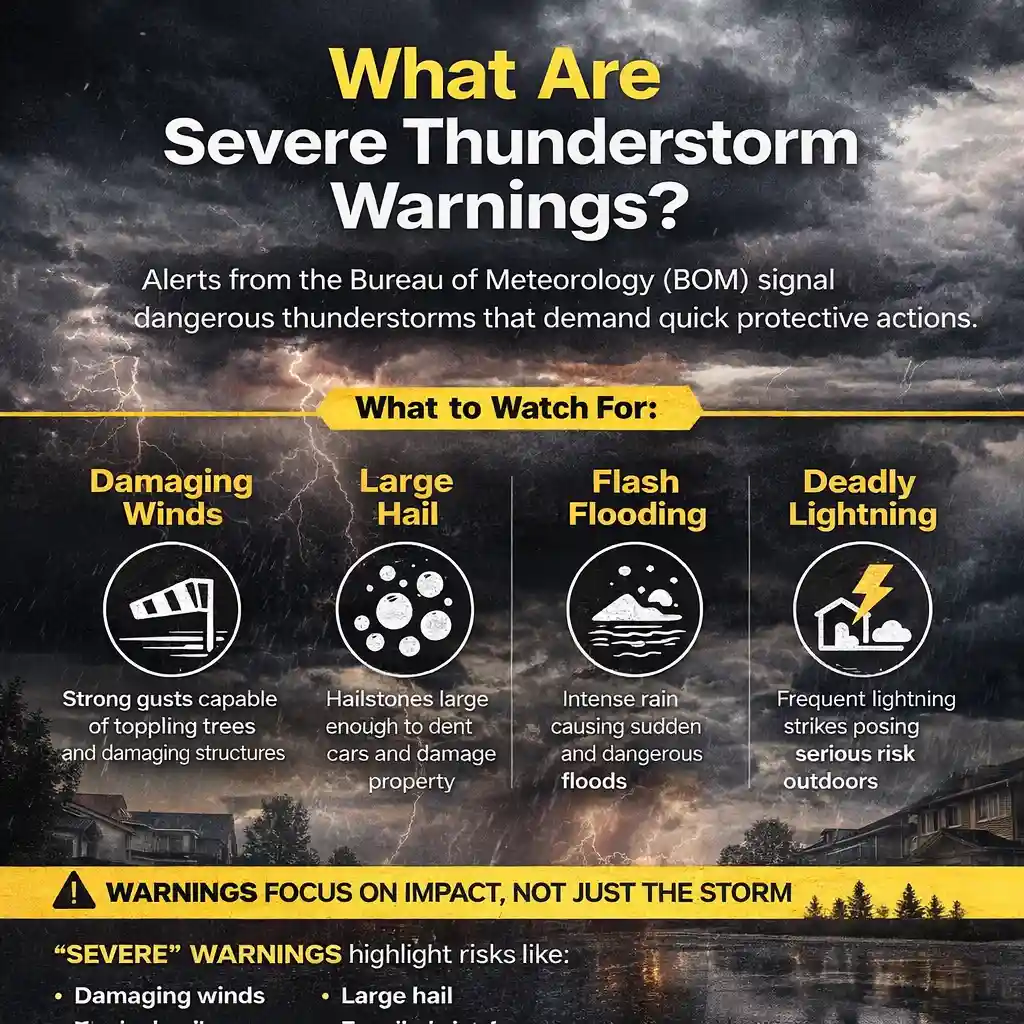
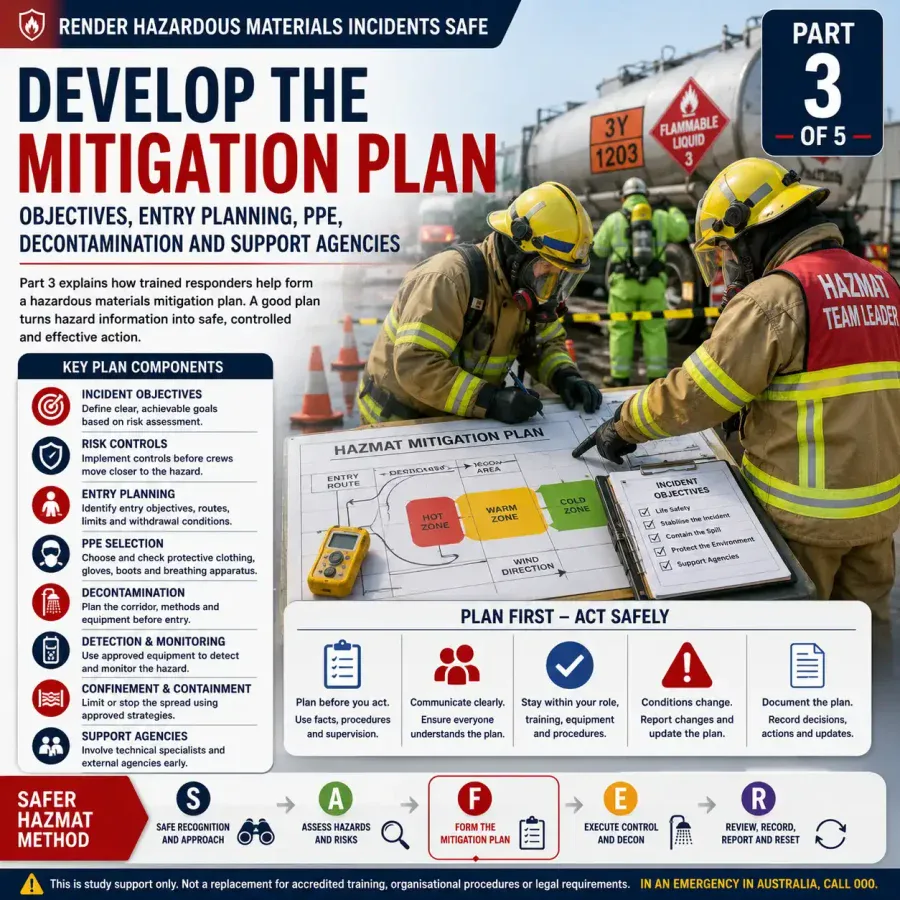
DOWNLOADABLE A4 GUIDE
Severe Thunderstorm Warning Types (Australia)
Print this and keep it somewhere visible. Use it to quickly understand the warning type and take the right action fast.
Hailstones form when strong updrafts in thunderstorms carry raindrops upward into extremely cold areas of the atmosphere, freezing them into balls of ice. The size of hail can vary dramatically, with some storms producing golf ball-sized or even larger hailstones, which can shatter windows, dent cars, and ruin crops. Early warnings allow farmers and residents to take protective measures such as moving vehicles under cover and securing greenhouses or other vulnerable structures.
Heavy Rainfall and Flash Flood Warnings
Thunderstorms often bring intense rainfall over a short period. Warnings focus on the potential for flash flooding, which can rapidly inundate roads, homes, and low-lying areas. Flood warnings are sometimes issued alongside or shortly after severe thunderstorm alerts. It is crucial to avoid flooded areas and never drive through floodwaters.
Flash flooding is one of the deadliest consequences of severe thunderstorms. It can occur within minutes of heavy rain, overwhelming drainage systems and causing fast-moving water flows that can trap or sweep away people and vehicles. Urban areas with large impermeable surfaces are particularly vulnerable. Understanding the warning allows residents to prepare by clearing drains, moving valuables to higher ground, and avoiding travel during heavy rain events.
Tornado and Waterspout Warnings
Though less common, some severe thunderstorms spawn tornadoes or waterspouts. Warnings for these are urgent, highlighting the risk of highly destructive winds in a narrow path. If a tornado warning is issued, take immediate shelter indoors in a secure room away from windows.
Tornadoes in Australia are relatively rare compared to other countries but can still cause devastating damage. They form from rotating thunderstorms known as supercells and can be accompanied by intense lightning, hail, and heavy rain. Waterspouts, which are tornadoes over water, pose risks to marine traffic and coastal communities. Prompt warnings and public education about safe sheltering practices are vital to reducing casualties.
How Warnings Are Communicated in Australia
The Bureau of Meteorology provides warnings via multiple channels: official websites, weather apps, radio broadcasts, and emergency alert systems. Local councils and emergency services may also issue advice through community networks and social media. It is important to monitor trusted sources regularly during storm season.
Warnings often include details like the expected storm direction, areas affected, and duration. Some severe thunderstorm warnings are upgraded to severe weather warnings if conditions worsen or more hazards develop.
In recent years, the BOM has enhanced its communication strategy by integrating mobile push notifications and collaborating with telecommunications providers to send SMS alerts directly to residents in affected regions. This multi-platform approach ensures that even those without internet access can receive timely warnings. Additionally, community engagement initiatives help educate the public on interpreting warnings and taking appropriate actions.
What to Do When a Severe Thunderstorm Warning Is Issued
When you receive a severe thunderstorm warning, follow official advice immediately. Find a safe place indoors, away from windows and unsecured objects. Secure any outdoor items that can become projectiles in strong winds. Avoid driving if possible, as storms can reduce visibility and make roads hazardous.
Keep your mobile devices charged and have a torch and emergency kit ready. Listen to emergency updates, as warnings can change rapidly. If flooding is expected, prepare to move to higher ground and do not cross fast-moving water.
Before Storm Season
Preparation is the best defence. Check your property for loose items, prune trees, and ensure gutters and drains are clear. Have an emergency plan for your household, including a kit with water, food, and first aid supplies. Know the safe areas in your home to shelter during storms.
Preparing before the storm season also means staying informed about your local area’s weather patterns and historical storm activity. Engage with community emergency services and attend preparedness workshops if available. Building resilience at a community level complements personal readiness and helps reduce overall risk.
During the Storm
Stay indoors and keep away from glass and external walls. Avoid using electrical appliances and do not take shelter under trees or in open areas. Monitor official sources continuously for updates. If severe hail is expected, protect vehicles if possible, or park them in a garage or under cover.
It is also advisable to have a battery-powered radio or alternative communication means in case of power outages. Avoid using corded phones and unplug sensitive electronics to prevent damage from lightning-induced power surges. Children and pets should be kept calm and inside to avoid injury.
After a Severe Thunderstorm
Once the storm passes, check for damage cautiously. Avoid downed power lines and report hazards to authorities. Be aware of the risk of flash flooding even after the rain stops. Follow official advice on when it is safe to leave shelter or travel.
Document any property damage for insurance purposes and seek medical help if anyone is injured. Stay alert for follow-up weather warnings, as storms can come in clusters or cause ongoing issues like flooding and power outages.
Community support plays a crucial role after severe weather. Neighbours checking on each other, sharing resources, and communicating effectively with emergency services can speed recovery. Local authorities may also provide assistance with clean-up and repairs, so stay connected to official channels.
If You Only Do Five Things
First, pay attention to warnings from the Bureau of Meteorology and local emergency services. These alerts are your best source of timely and accurate information.
Second, prepare your home and property well before storm season. Secure loose items, clear gutters, and have an emergency kit ready.
Third, when a severe thunderstorm warning is issued, go indoors immediately and stay away from windows and doors.
Fourth, avoid driving or going outside during the storm, especially if damaging winds or large hail are expected.
Fifth, after the storm, stay cautious, check for hazards like downed powerlines or flooding, and only resume normal activities when authorities say it is safe.
By following these steps, you can reduce risks and protect yourself and your family during severe thunderstorms in Australia. Remember that your safety and preparedness can make all the difference when facing nature’s most intense weather events.
FireRescue Training Hub
Access practical fire and emergency study support resources, downloads, checklists, audio guides, and member-only course content.
- Course library
- PDF downloads
- Audio guides
- Checklists
Study support only. Not accredited training or a replacement for workplace procedures.
About the author and safety review
Ken Walker
Former Station Officer and fire service educator
Former career firefighter with extensive career and volunteer fire service experience.
Qualifications: Associate Diploma of Applied Science in Fire Technology; Institute of Fire Engineers studies.
Author profilehttps://www.firerescue.com.au/about-us/