FireRescue Guidance
Storm damage cleanup safety steps are essential to protect Australian homes, families, and workplaces after severe weather events. Taking clear, practical precautions helps avoid emergencies.
This guide breaks down the basics into easy, action-focused advice you can follow immediately. We also provide printable checklists to keep your cleanup safe and efficient.
Understanding the Risks After a Storm
Storm damage can leave hazards hidden in your home and yard. These might include downed power lines, broken glass, fallen trees, or unstable structures. Before starting any cleanup work, it’s important to take stock of these dangers. Stay informed by tuning into official local emergency services and weather updates. Their advice will help you avoid unnecessary risks and prioritise what to tackle first.
In addition to visible damage, there may be less obvious hazards such as contaminated floodwaters carrying bacteria or chemicals, and weakened trees that could fall unexpectedly. It is crucial to approach your property with caution and maintain awareness of your surroundings while assessing damage.
Moreover, storm debris can sometimes conceal sharp objects or unstable ground, increasing the risk of injury. Floodwaters may also hide electrical hazards such as submerged outlets or appliances. Being aware of these hidden dangers helps you plan your cleanup safely and avoid accidents.
First Steps to Take Immediately After a Storm
After the storm has passed, do not rush outside or begin cleaning straight away. Wait until authorities confirm it is safe to do so. Check on your family and neighbours, especially those who may need extra help. Avoid touching any electrical equipment if it is wet or inside water-damaged areas. Use your phone only if it is safe, and limit calls to emergencies to keep networks clear.
It’s also wise to document the damage with photographs before you start any cleanup, as this can assist with insurance claims later. Make note of any urgent repairs needed to prevent further damage or hazards. Establish a communication plan with family members to ensure everyone knows where to meet and how to stay safe during the recovery period.
Additionally, keep an emergency kit ready with essentials such as water, food, flashlights, batteries, and first aid supplies. Having this kit accessible ensures you are prepared for any unexpected situations that might arise during cleanup. It’s also helpful to have contact numbers of local emergency services and utility companies on hand.
Storm Damage Cleanup Safety Steps To Follow
Assessing Your Property Safely
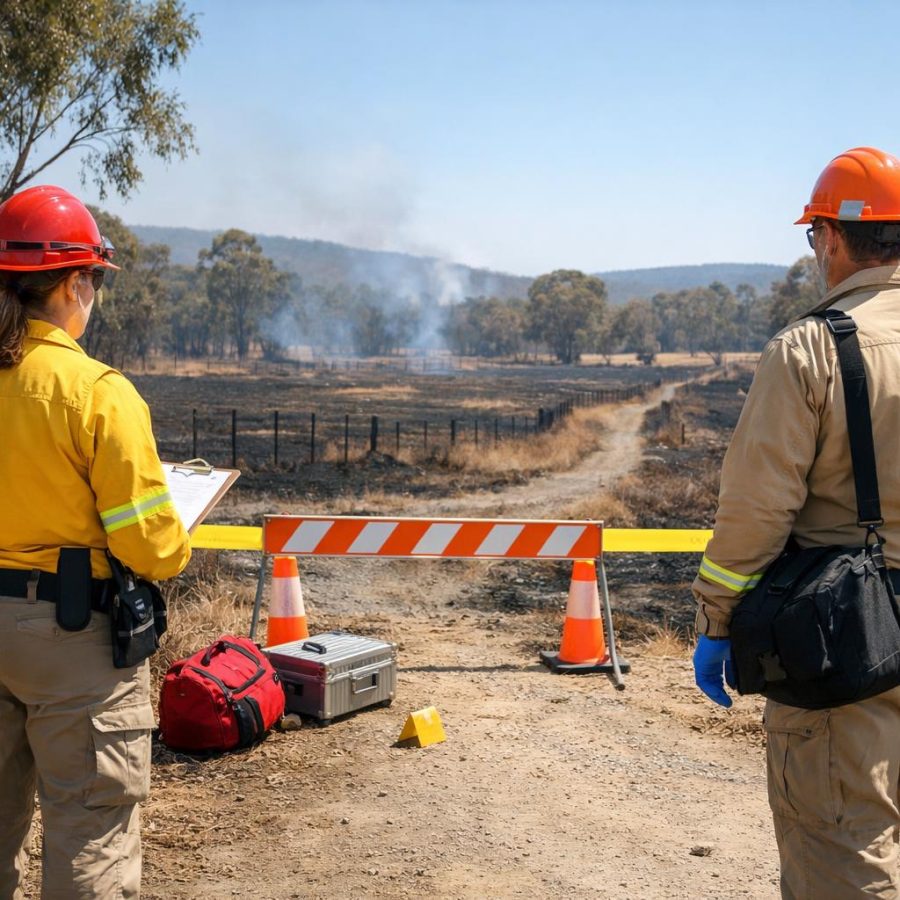
Before you begin any cleanup, quietly survey the damage from a safe distance. Look for signs of structural damage such as cracks in walls or leaning fences. If you suspect the building is unsafe, do not enter. Contact professional inspectors or emergency services. Keep children and pets away from damaged areas until they have been secured.
Pay special attention to roof damage, as loose tiles or shingles can fall unexpectedly. Check gutters and downspouts for blockages that may cause water to pool and weaken foundations. When trees are involved, inspect branches for stability before attempting removal, and avoid working under hanging limbs.
It is also important to assess the condition of fences, gates, and retaining walls as these can become unstable after severe weather. Look for signs of erosion or soil movement around foundations that might indicate deeper issues. Taking the time to carefully evaluate all these elements helps prevent accidents and further damage during cleanup.
Personal Protective Equipment (PPE) Is Essential
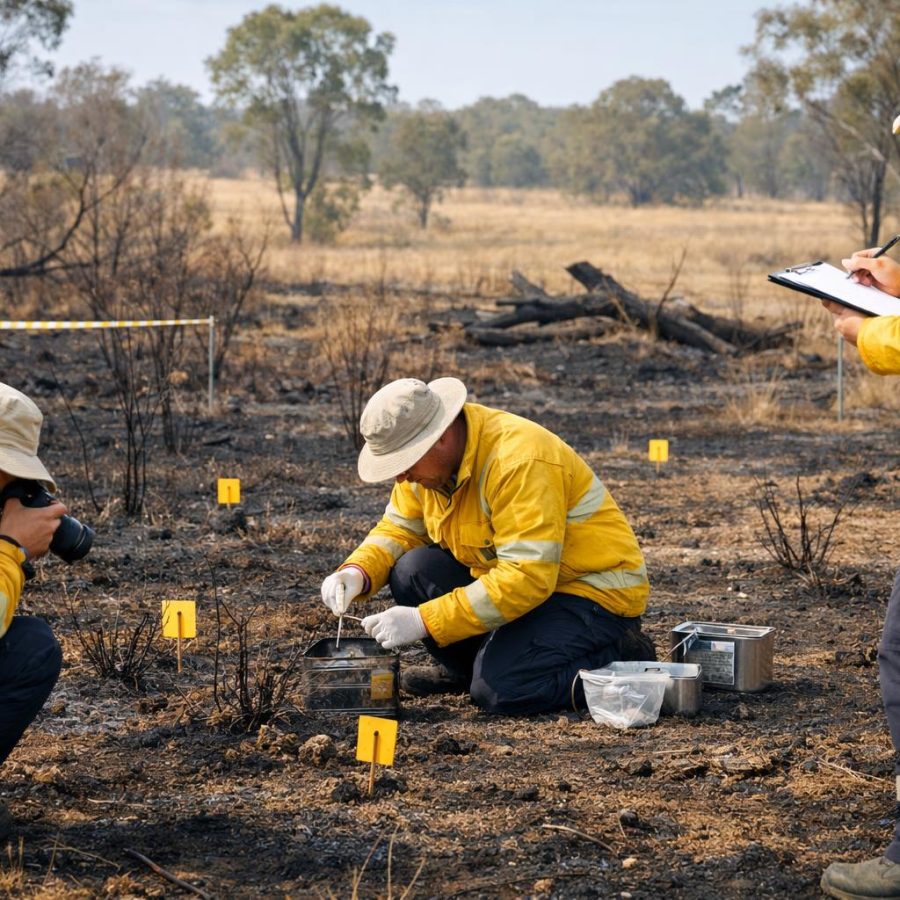
Wear sturdy boots with good grip to protect your feet from sharp objects. Gloves are important to avoid cuts and infections. Eye protection such as safety glasses guards against flying debris. If dust or mould is present, consider a face mask to protect your lungs. Dress in long sleeves and trousers to reduce skin exposure to cuts, scrapes, and insect bites.
Additionally, consider wearing a hard hat if working near unstable structures or during tree removal. High-visibility clothing can improve safety when working near roads or in low-light conditions. Keep a first aid kit nearby and know basic first aid procedures in case of minor injuries during cleanup.
Remember to regularly inspect your PPE for wear and tear, replacing items as necessary to maintain effective protection. Hydration and sun protection are also vital when working outdoors for extended periods. Use sunscreen, wear a wide-brimmed hat, and take frequent breaks in shaded areas to prevent heat-related illnesses.
Electrical Hazards and Water Damage
Never touch downed power lines. If you see one, immediately report it to the energy provider or emergency services. When water has entered your home, switch off the main power supply at the electrical meter before accessing flooded rooms. Do not use electrical appliances until they have been tested by a qualified electrician. Keep generators outdoors and away from windows to avoid carbon monoxide poisoning.
If you use portable generators, ensure they are placed on a dry, stable surface and never operate them inside enclosed spaces such as garages or basements. Carbon monoxide poisoning is a serious risk that can be fatal. Use battery-powered lighting rather than candles to reduce fire hazards during power outages.
Be aware that electrical systems may have hidden damage even if they appear intact. Water can corrode wiring and outlets, creating shock risks after the storm. It is advisable to have a licensed electrician inspect your home’s electrical setup before restoring full power. Also, avoid standing in water when handling electrical devices to reduce the risk of electrocution.
Handling Debris and Waste Safely
Remove debris carefully. Use tools such as rakes, shovels, and wheelbarrows to minimise lifting heavy or awkward items. Avoid lifting items that are too heavy for you alone. Ask for help or use mechanical aids. <a href=”https://www.firerescue.com.au/practical-emergency-management-a-how-to-guide-for-australian-communities/”>Separate hazardous waste like broken glass, asbestos, or chemicals and dispose of these according to local council guidelines. Cleaning up slowly and methodically reduces accidents.
When handling debris, watch for nails, screws, and other sharp objects that may be hidden. Use puncture-resistant gloves and sturdy footwear. Dispose of organic waste such as fallen branches or leaves separately to avoid clogging waste management systems. If you are unsure about handling certain materials, contact local waste management authorities for guidance.
It is also important to keep your work area organised to prevent trips and falls. Clear pathways regularly and stack debris safely away from walkways. Properly securing piles of debris prevents them from shifting unexpectedly, which could cause injury. Use appropriate containers or bags for smaller waste items and label hazardous materials clearly for disposal.
Watch for Wildlife and Insects
Storms can displace animals and insects. Be cautious about snakes, spiders, and bees that may have taken shelter in debris or damaged structures. Wear gloves and boots when handling materials outdoors. If you encounter wildlife in distress or dangerous pests, contact local animal control or pest services for safe removal.
It is also important to be mindful of potential allergic reactions or bites. Keep an eye out for nests or hives and avoid disturbing them. Use insect repellent and keep first aid supplies ready to treat bites or stings. Educate family members, especially children, on the importance of avoiding wild animals during cleanup.
In some cases, local authorities may issue warnings about increased pest activity after storms. Stay updated on these advisories and follow recommended precautions. Maintaining good hygiene by washing hands frequently and cleaning wounds promptly reduces the risk of infection from bites or scratches.
If You Only Do Five Things
First, wait for official clearance before entering damaged areas to ensure your safety. Second, wear proper personal protective equipment every time you handle debris. Third, never touch or move downed power lines — report them immediately. Fourth, avoid lifting heavy items alone and use tools to reduce strain. Fifth, stay alert for displaced wildlife and pests that may pose risks during cleanup.
Following these key steps will greatly reduce the chance of injury and help you manage your storm damage cleanup more effectively. Remember that patience and caution are your best tools during this process.
Useful Links and Resources
For the latest advice, always check with your local State Emergency Service (SES) and Australian Government Bureau of Meteorology websites. These agencies provide current warnings, detailed cleanup advice, and contact information for emergency help. Your local council may also offer specific guidelines for waste disposal after storms.
Additional resources include community support groups and non-governmental organisations that can offer assistance with cleanup efforts or temporary shelter. Some insurance companies also provide helpful guides on documenting damage and filing claims.
Engaging with these resources can provide emotional support and practical aid during the often stressful recovery period. Many communities organise volunteer cleanup crews or equipment lending programs which can be invaluable if you lack the necessary tools or manpower. Don’t hesitate to seek help where needed.
Printable Storm Damage Cleanup Checklist
Use this checklist to guide your cleanup safely and effectively. Keep it handy during the process to track completed tasks and plan next steps.