Essential Safety Guide
60-SECOND AUDIO SUMMARY
Having a well-stocked first aid kit is crucial for every Australian home, vehicle, and workplace.
This first aid kit checklist Australia guide helps you prepare for common injuries and emergencies with simple, clear steps tailored for local conditions.
Check your kit regularly, replace used or expired items, and keep it accessible. Remember to follow advice from official emergency services and be ready to act calmly when accidents happen.
Your browser does not support the audio element.
Why You Need a First Aid Kit Checklist Australia
Australia’s diverse environment and lifestyle present unique risks. From home mishaps and workplace injuries to bushfires and outdoor accidents, being prepared with a complete first aid kit can make a real difference. A checklist ensures you cover all essentials and helps you replace items before they expire or run out.
Australia’s official health and safety bodies recommend having specific supplies in your kit for sprains, cuts, burns, and shock. This article breaks down what to include, how to store your kit, and common mistakes to avoid.
It’s important to understand that first aid is not just about having supplies but also about being prepared mentally to handle emergencies. Knowing what to do in the crucial first moments after an injury can save lives or prevent conditions from worsening. This is why a checklist and proper training go hand in hand.
What to Include in Your First Aid Kit
A complete kit has both basic and specialised items. Bandages and dressings protect wounds, antiseptic wipes prevent infection, and tools like tweezers and scissors help with more detailed care. For Australian conditions, consider including burn dressings and a CPR face shield as bushfire risk is common in many parts of the country.
Always check that items are suitable for your household or workplace size and the activities you do. For example, if you work outdoors or in remote areas, include extra water, heat packs, or cold packs. For families, add child-safe supplies and allergy medicines if needed.
In addition to the physical contents, consider including a waterproof notepad and pen to record important information during an emergency, such as symptoms, times, or actions taken. This can be invaluable for paramedics or doctors when they arrive.
It’s also wise to have emergency contact numbers clearly displayed inside or near your first aid kit. This includes local emergency services, poison control, and nearby hospitals or clinics. Quick access to these numbers can save precious time.
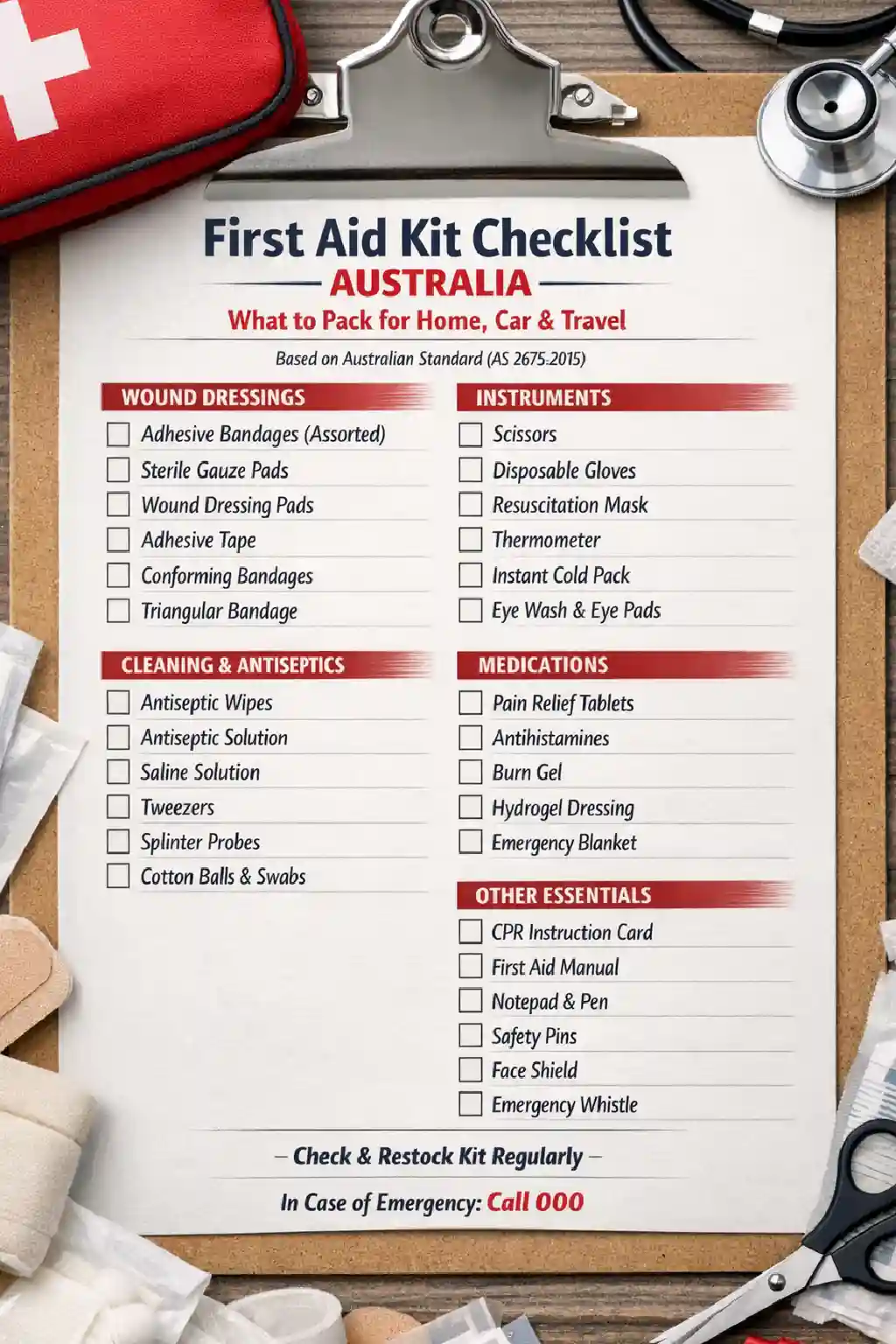 printable)” />
First Aid Kit Checklist (Australia) — Home, Car & Travel
Print it, keep it in your kit, and tick items as you pack. Re-check every few months or after any use.
Basic Supplies for Every Kit
Start with adhesive bandages of various sizes to cover small cuts and grazes. Include sterile gauze pads and adhesive tape to protect larger wounds. Antiseptic wipes or solution will help clean injuries and reduce infection risk. Always have a pair of disposable gloves to maintain hygiene.
Scissors and tweezers are useful for cutting tape or removing splinters. Include a digital thermometer to check for fever and a CPR face shield or mask to perform rescue breathing safely. Pain relief medicines like paracetamol or ibuprofen should be stored, but keep them away from children.
Other helpful items include cotton balls or swabs for applying ointments, a small bottle of antiseptic cream to soothe minor burns and cuts, and a triangular bandage which can be used as a sling or to secure splints. Having a small flashlight or headlamp can assist you in treating injuries during power outages or at night.
Additional Items for Australian Conditions
Because bushfires and sun exposure are common, include burn dressings and cooling gel in your kit. A sunscreen stick or small bottle is also beneficial during outdoor emergencies. Insect sting relief treatments can help with bites from mosquitoes or ants.
If you often go camping or hiking, add extra sterile saline for eye irrigation and a space blanket to prevent hypothermia. A torch with extra batteries can help if you need to give first aid in low light.
Given Australia’s unique fauna, including snake bite bandages and a snake bite kit for those in rural or bush areas is highly advisable. Knowing how to use these items correctly is essential, so consider training in managing snake bites and other wildlife-related injuries.
Additionally, for those living in regions prone to severe weather, such as cyclones or floods, waterproof bags or containers to protect your kit contents can be a critical inclusion. This ensures your supplies remain dry and usable even in adverse conditions.
How to Store and Maintain Your First Aid Kit
Choose a sturdy, waterproof container with compartments to keep items organised and protected. Store the kit in an easily accessible spot known to all household members or staff. Avoid places where the kit might get too hot or damp, which can damage supplies.
Regularly check your kit every six months. Replace expired medicines, used items, and anything that has lost its effectiveness. Make a habit of reviewing the contents after any incident where supplies were used.
Ensure your first aid kit matches the specific needs of your home or workplace. If your circumstances change, update the checklist accordingly. Keep instructions or a first aid manual inside for quick reference during emergencies.
Consider labelling compartments within your kit to quickly locate items during a stressful situation. Colour-coded or clearly marked sections can improve speed and efficiency when providing care.
If your first aid kit is kept in a vehicle, remember that temperature fluctuations can degrade some medicines and materials. Use insulated cases or store kits in shaded areas within the vehicle to protect contents from extreme heat, especially during the Australian summer.
For workplaces, assign a responsible person to oversee the first aid kit maintenance. This ensures regular inspections and compliance with Australian workplace health and safety regulations. Training staff on the kit’s location and contents enhances overall emergency preparedness.
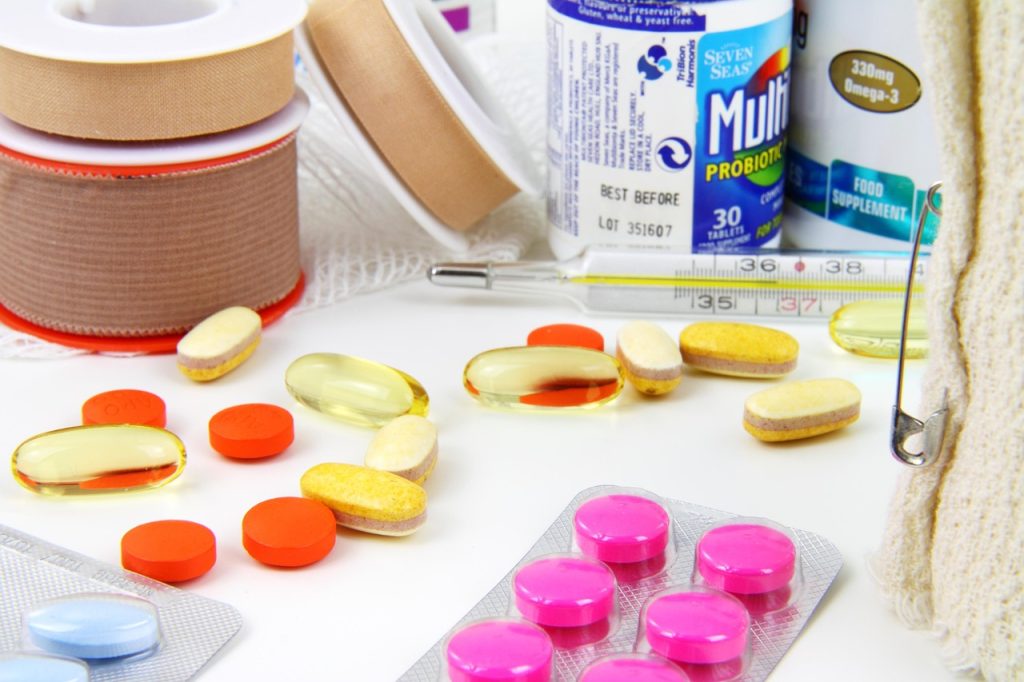
Photo by PublicDomainPictures via Pixabay
Common Mistakes to Avoid
One frequent error is neglecting to replace expired or used items. Medicines and sterile components lose effectiveness over time, so an outdated kit can fail when needed most. Avoid storing kits in places that are hard to reach or unknown to household members.
Overloading your kit with unnecessary items can also cause confusion during an emergency. Keep it simple and focused on what is most likely to be needed. Be sure that any medications are safe for your family or employees. Consult a pharmacist or doctor if you are unsure.
Another common mistake is failing to familiarise yourself with the contents and how to use them. Having a kit is only useful if you know how to apply bandages, use antiseptics, or perform CPR. Take time to read instructions and consider practical first aid training.
Avoid storing your first aid kit in places that are not easily visible or accessible during emergencies. For example, a locked cupboard without a key holder known to all can delay critical response times.
If You Only Do Five Things
First, have a well-stocked first aid kit with the essentials listed in this guide. Second, store the kit where it is easy to find and protect it from damage. Third, check and update your kit regularly to keep supplies fresh and ready.
Fourth, learn basic first aid skills or refresh your knowledge through certified courses offered by Australian Red Cross or St John Ambulance. Finally, always follow official advice from emergency services during incidents and call for professional help when necessary.
Implementing these five steps can significantly improve your readiness for unexpected situations. Being proactive rather than reactive ensures that when accidents happen, you are equipped both in knowledge and resources to respond effectively.
Conclusion
A first aid kit checklist Australia residents can trust is key to staying prepared. By including the right supplies, maintaining your kit, and knowing how to use it, you improve safety for yourself and those around you. Keep calm, act promptly, and always prioritise professional help when needed.
For more information, visit official Australian health and safety websites, and consider enrolling in first aid training near you to build confidence and skills.
Remember, preparedness is an ongoing process. Regularly update your knowledge and kit contents to reflect any changes in your environment, lifestyle, or health needs. This continuous attention ensures you are always ready to handle emergencies with confidence and care.
FireRescue Training Hub
Access practical fire and emergency study support resources, downloads, checklists, audio guides, and member-only course content.
- Course library
- PDF downloads
- Audio guides
- Checklists
Study support only. Not accredited training or a replacement for workplace procedures.
About the author and safety review
Ken Walker
Former Station Officer and fire service educator
Former career firefighter with extensive career and volunteer fire service experience.
Qualifications: Associate Diploma of Applied Science in Fire Technology; Institute of Fire Engineers studies.
Author profilehttps://www.firerescue.com.au/about-us/