FireRescue Alert
Solar storms can disrupt technology, power grids, and communications. Australia faces risks from these natural events, so understanding and preparing for solar storm space weather preparedness is important for safety and continuity.
This guide offers straightforward advice, practical checklists, and safety notes tailored for Australians. Following official agency updates and local warnings helps you stay informed and ready to act quickly when space weather events occur.
What is a Solar Storm and Why Does it Matter?
A solar storm is caused by eruptions on the sun’s surface, sending bursts of charged particles and electromagnetic energy into space. These can reach Earth’s atmosphere and interfere with satellites, radios, GPS, and even electrical power systems. While Australia is far from the storm’s source, the impacts on technology and infrastructure can still be significant.
Space weather events are unpredictable but monitored closely by agencies worldwide. Strong solar storms can cause blackouts and disrupt communications, which affects emergency services, transport, and daily life. Knowing how to prepare helps reduce risks during and after these events.
Solar storms vary in intensity and can include phenomena such as coronal mass ejections (CMEs) and solar flares. CMEs are massive bursts of solar wind and magnetic fields rising above the solar corona or being released into space. When these charged particles collide with Earth’s magnetic field, they can create geomagnetic storms that last for hours or days. Understanding these mechanisms is crucial for anticipating potential impacts on our technology-dependent society.
In Australia, the main risks from solar storms come from the disruption of electrical grids and satellite systems. Power outages may last hours or days depending on the severity. Communication systems like mobile networks and internet connections can be interrupted, making it harder to access information or call for help.
Transport and navigation systems that rely on GPS may also be affected. This includes aviation and maritime operations, which are critical for remote areas and emergency responses. Understanding these risks allows individuals and communities to plan steps that maintain safety and continuity.
Beyond immediate disruptions, solar storms can also lead to longer-term challenges. For example, damage to satellites can degrade weather forecasting and environmental monitoring capabilities, which are vital for managing natural disasters such as bushfires and floods. Additionally, increased radiation from solar storms poses health risks to airline crews and passengers on high-altitude flights, particularly near the poles. Awareness of these broader risks helps in comprehensive preparedness planning.
Key Actions for Solar Storm Space Weather Preparedness
Start by having a reliable source of information. Follow updates from the Bureau of Meteorology and other official channels that monitor space weather. Sign up for alerts and warnings to get timely notifications about solar storms.
Prepare your home and devices. Keep backup power options ready, such as batteries or generators, and ensure essential electronics have surge protection. Have a supply of food, water, and medicines to cover at least 72 hours in case of outages.
Review your emergency plans, including communication methods with family and neighbours. Since phones and internet may be unreliable, consider other ways to stay in touch and share information. Practising these plans regularly helps everyone stay calm and coordinated during disruptions.
It is also beneficial to understand the timelines of solar storm impacts. Some effects, like radio blackouts, can occur within minutes to hours, while others such as power grid disturbances may develop over several days. This knowledge enables more effective timing of protective actions, such as unplugging devices or activating backup power systems.
For those with critical medical needs, coordinate with healthcare providers to establish plans for power outages or communication failures. This might include having manual medical devices or alternative ways to contact emergency services. Vulnerable populations should be given particular attention in community preparedness efforts.
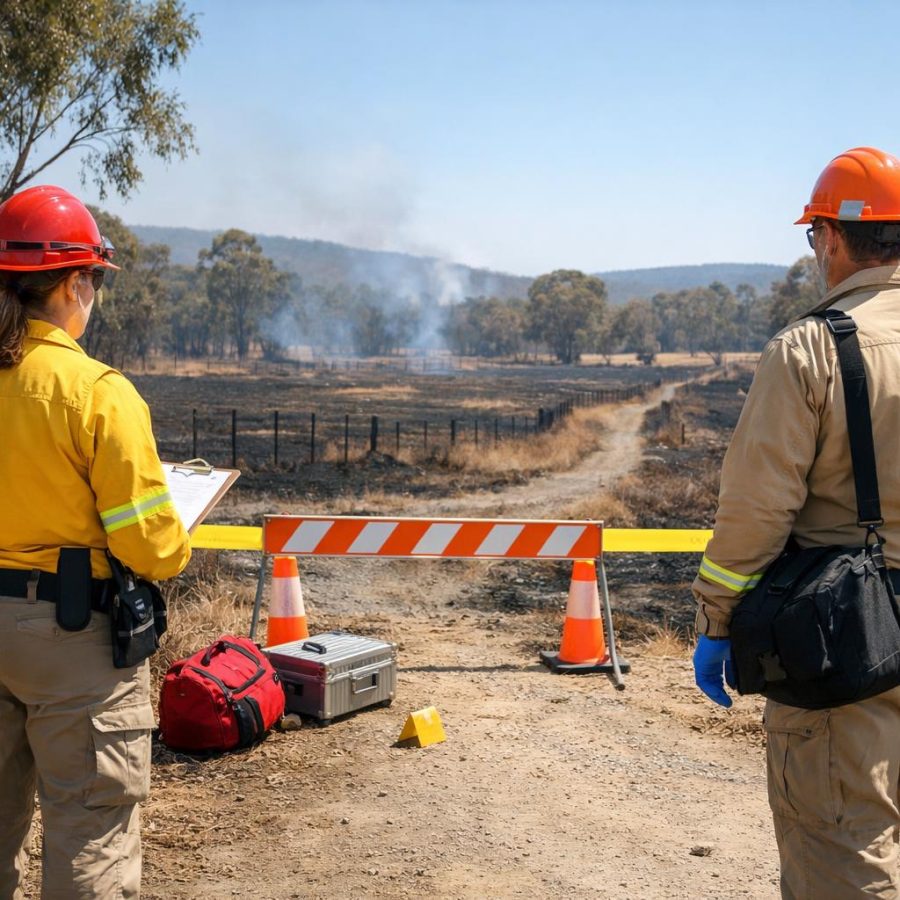
Photo by This_is_Engineering via Pixabay
Protecting Technology and Infrastructure at Home
Electrical surges caused by solar storms can damage appliances and devices. Use surge protectors for computers, televisions, and other sensitive equipment. Unplugging non-essential electronics during a storm alert reduces risk of damage.
If you rely on solar panels or other renewable energy systems, check with your installer about safeguards against power surges. Consider having a manual backup power source for critical devices like medical equipment or communication tools.
Community and infrastructure providers work to improve grid resilience, but individual preparedness remains important. Keep flashlights, radios that operate on batteries, and extra phone chargers ready and tested to use during outages.
Emerging technologies may offer new layers of protection. For example, some smart home systems can automatically disconnect sensitive electronics when a geomagnetic storm is detected. Staying informed about such innovations and incorporating them into your preparedness plan can enhance protection against solar storm impacts.
In addition to devices, consider the structural safety of your home. While solar storms do not cause physical damage like storms or earthquakes, power surges can lead to fires or electrical hazards. Regularly checking your electrical wiring and installing smoke detectors with battery backups contribute to overall safety during power disruptions.
If You Only Do Five Things for Solar Storm Space Weather Preparedness
Firstly, stay informed. Monitor official space weather updates from trusted Australian sources and register for alerts so you know when a solar storm may affect your area.
Secondly, prepare an emergency kit with essentials including food, water, medicines, batteries, and a first aid kit to cover several days without power or services.
Thirdly, protect your electronics with surge protectors and unplug devices when advised to reduce the risk of damage from electrical surges.
Fourthly, review and practice your family emergency plan. Make sure everyone knows how to communicate if phones or internet go down.
Finally, follow all official advice and local warnings quickly and carefully. Acting early can help minimise impact and keep you and your community safe.
Incorporating these five actions into your routine ensures a proactive stance towards space weather threats. These steps not only mitigate immediate risks but also foster a culture of preparedness that benefits your family and neighbours over time.
Working Together in Your Community
Solar storms can affect large areas, so community preparedness is essential. Neighbours can support each other by sharing resources and information. Local authorities often provide updates and assistance during space weather events, so stay connected with councils and emergency services.
Schools, workplaces, and community groups can also play a role by including solar storm risks in their emergency plans. Raising awareness helps everyone understand their part in staying safe and rebuilding services after disruptions.
Community drills and information sessions can strengthen local resilience. By practising responses to power outages and communication failures, communities become better equipped to handle real solar storm events. Volunteers and local leaders can coordinate efforts to check on vulnerable residents, distribute emergency supplies, and facilitate communication.
Furthermore, collaboration between government agencies, utility providers, and community organisations improves infrastructure resilience and emergency response. Public feedback and participation in preparedness programs help tailor strategies to local needs and challenges, ensuring more effective protection for all.
Conclusion: Staying Ready and Resilient
Solar storm space weather preparedness is about practical, simple steps you can take to protect yourself and your community. Staying informed, preparing supplies, safeguarding devices, and practising emergency plans reduce risk and improve resilience.
Remember to always follow advice from official Australian agencies and respect local warnings. Being ready helps you manage solar storms calmly and confidently, keeping your home, family, and neighbours safe.
As our reliance on technology continues to grow, so does the importance of space weather preparedness. By integrating these measures into daily life and community planning, Australians can face solar storms with greater confidence and reduce potential disruptions to essential services. Proactive preparedness today safeguards the wellbeing and security of tomorrow.
FireRescue Training Hub
Access practical fire and emergency study support resources, downloads, checklists, audio guides, and member-only course content.
- Course library
- PDF downloads
- Audio guides
- Checklists
Study support only. Not accredited training or a replacement for workplace procedures.
About the author and safety review
Ken Walker
Former Station Officer and fire service educator
Former career firefighter with extensive career and volunteer fire service experience.
Qualifications: Associate Diploma of Applied Science in Fire Technology; Institute of Fire Engineers studies.
Author profilehttps://www.firerescue.com.au/about-us/