Understanding Rip Currents on Australian Beaches
Rip currents are powerful, narrow channels of fast-moving water that flow away from the shore. They typically form when waves break strongly in some locations and weakly in others, creating a concentrated flow heading seaward. These currents can move at speeds up to 2.5 metres per second, faster than an Olympic swimmer, making them a serious hazard.
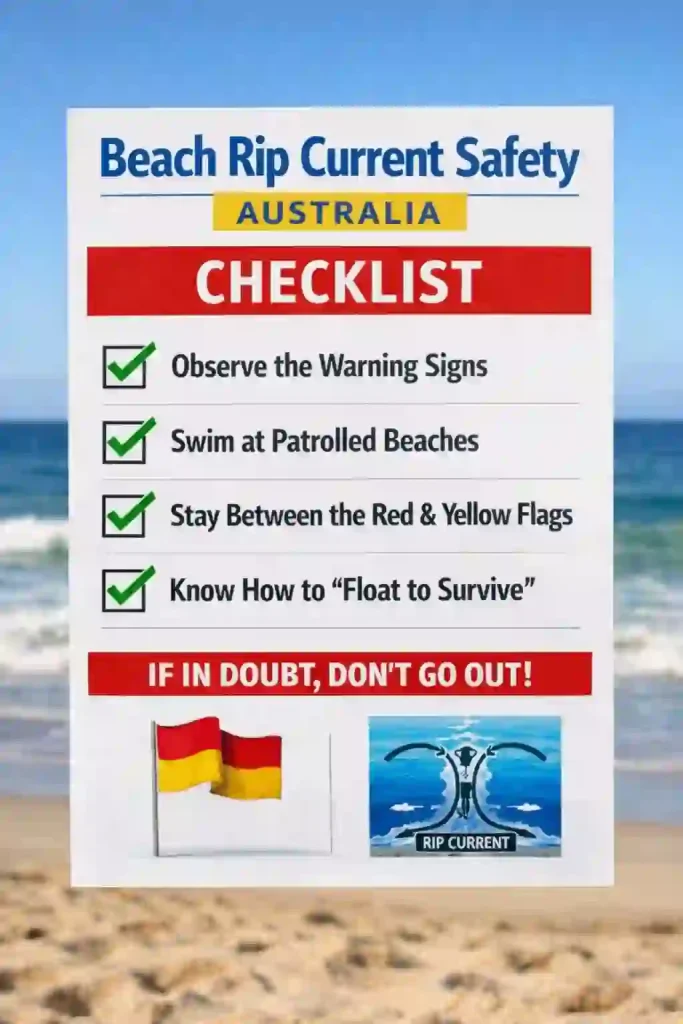
Beach Rip Current Safety Australia
In Australia, rip currents are especially common on surf beaches with sandbars or reefs, where wave conditions change rapidly. They can form and change shape quickly, so even familiar beaches can present unexpected risks. Many drowning incidents in Australia involve rip currents, which is why knowing how to recognise and respond to them is critical.
Rip currents are often underestimated by beachgoers because the water around them appears deceptively calm or even inviting. However, the strength of these currents lies beneath the surface, pulling swimmers away from safety with great force. Recognising the signs early can be a lifesaver, as prevention is always better than rescue.
How to Identify a Rip Current
Rip currents often appear as a gap in the incoming wave pattern. You might see an area where the water looks darker, choppier, or foam and debris are moving steadily seaward. The water in a rip usually looks different from the surrounding waves and often forms a channel between sandbars. On Australian beaches, paying attention to these visual clues before entering the water can help you avoid dangerous spots.
Sometimes, rip currents are visible as a smooth, flat area in the surf zone, which contrasts with the breaking waves on either side. This occurs because the current pulls water away from the shore, preventing waves from breaking in that channel. Additionally, floating objects like seaweed or foam may be seen moving steadily out to sea in the rip current.
If you are unsure, ask a lifeguard or local beach authority about current conditions. Many councils and surf lifesaving clubs provide up-to-date rip current warnings for popular beaches during the swimming season.
What to Do If Caught in a Rip Current
If you find yourself caught in a rip, it is important to stay calm and avoid fighting against the current. Rip currents do not pull swimmers under; instead, they carry you out to sea. Trying to swim directly back to shore against the flow will cause exhaustion.
The safest action is to swim parallel to the beach, along the shoreline, to escape the narrow rip current. Once free of the current, you can then swim back to shore with less resistance. If you cannot swim out of the rip, float or tread water and signal for help by raising your arm and calling out if possible.
It is also helpful to remember that rip currents usually extend only a short distance offshore, typically 100 to 200 metres. This means that if you conserve your energy and follow the strategy of swimming parallel to the beach, you will likely reach calmer waters outside the current’s pull. Remaining calm not only conserves energy but also helps you think clearly and increases your chances of survival.
Avoid Common Mistakes
One common error is panicking and swimming directly back to shore. Another is attempting rescue without assistance, which can put both the victim and rescuer in danger. Always call for help immediately and wait for professional lifesaving services when possible.
Avoid entering the water alone or in unpatrolled areas, especially if you are not a strong swimmer. Remember that rip currents can change quickly with tides and weather.
In situations where you see someone else caught in a rip current, it is crucial not to rush in without proper training or flotation aids. Instead, alert lifeguards or emergency services immediately. If you must attempt a rescue, use a flotation device or throw a rope to the person rather than swimming out to them. This approach reduces risk to both parties and can be lifesaving.
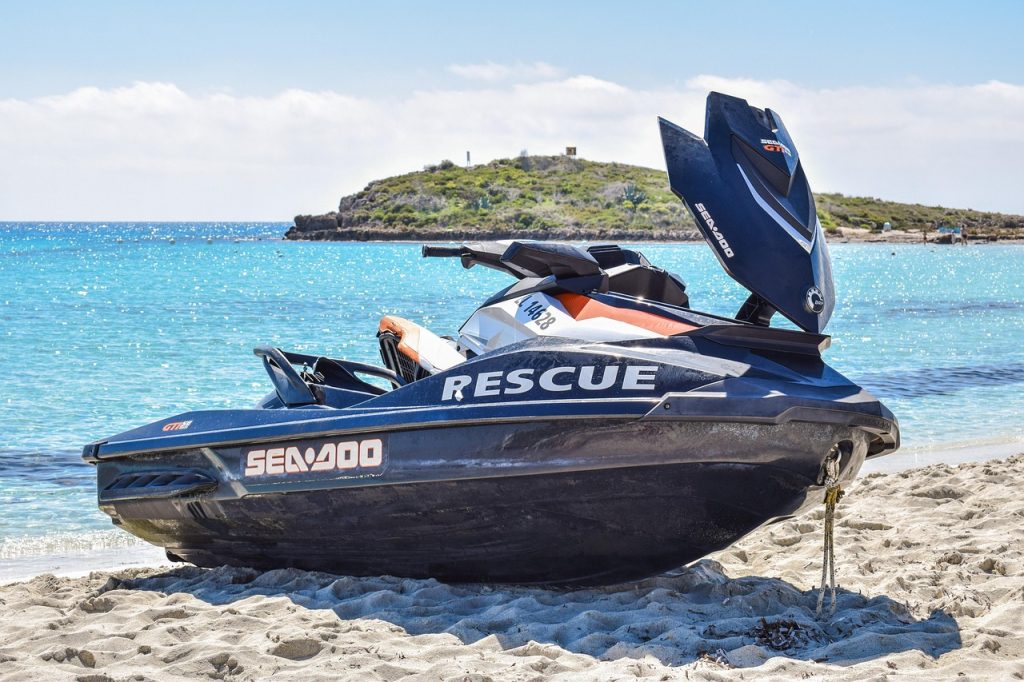
Photo by dimitrisvetsikas1969 via Pixabay
Beach Rip Current Safety Tips for Australians
Before heading to the beach, check the local surf and weather reports. Lifesaving clubs and government websites often provide warnings about rip conditions. Always choose beaches patrolled by surf lifesavers and swim between the red and yellow flags—they mark the safest zones.
Never swim after drinking alcohol or if you are fatigued. Take note of the beach layout, including any signs indicating rips or other hazards. If unsure, ask a lifeguard about current water conditions and safe swimming areas.
It is also advisable to learn basic first aid and CPR, as these skills can be invaluable in emergencies involving rip currents or other water-related incidents. Many community centres and surf lifesaving clubs offer courses tailored to beach safety.
Equip Yourself and Your Family
Teach children and inexperienced swimmers about rip current safety before going to the beach. Encourage swimming lessons and water confidence activities in safe environments. Bring flotation devices if you have young children or weak swimmers with you.
Keep a close eye on children near the water and be ready to act if they get caught in a current. Having a plan for emergencies, including how to contact local lifesaving services, can make a difference in critical situations.
Additionally, consider carrying a basic beach safety kit that includes items like a whistle, waterproof phone case, and a small first aid kit. These can be useful for alerting others and managing minor injuries while waiting for professional help.
If You Only Do Five Things on Australian Beaches
First, always swim at beaches with lifeguard patrols and stay between the red and yellow flags. These areas are monitored and safer for swimmers. Second, learn to recognise rip currents by looking for gaps in wave patterns and areas of choppy or discoloured water.
Third, if caught in a rip current, remain calm and swim parallel to the shore to escape the current. Fourth, never swim alone or after drinking alcohol, as reduced alertness greatly increases risk. Fifth, follow all official warnings, signs, and advice from local lifesavers and beach authorities.
By following these simple but effective steps, you help protect yourself, your family, and others from the dangers of rip currents common at many Australian beaches.
Additional Resources and Support
For further information, consider visiting the Surf Life Saving Australia website, which has detailed guides, videos, and updates on beach safety. Local council websites and national weather services also provide current beach conditions and warnings.
Joining community water safety programs or volunteering with surf lifesaving clubs can deepen your understanding of rip current safety and help keep Australian beaches safe for everyone.
Understanding rip current safety is not only about personal protection but also about community responsibility. By spreading awareness and educating others, especially tourists unfamiliar with local conditions, you contribute to reducing accidents and fatalities on Australian beaches.
FireRescue Training Hub
Access practical fire and emergency study support resources, downloads, checklists, audio guides, and member-only course content.
- Course library
- PDF downloads
- Audio guides
- Checklists
Study support only. Not accredited training or a replacement for workplace procedures.
About the author and safety review
Ken Walker
Former Station Officer and fire service educator
Former career firefighter with extensive career and volunteer fire service experience.
Qualifications: Associate Diploma of Applied Science in Fire Technology; Institute of Fire Engineers studies.
Author profilehttps://www.firerescue.com.au/about-us/