<div data-seo-description="Discovering Hazelwood book review for Australian firefighters and communities—key lessons from Latrobe Valley’s disaster, safetytakeaways, and practical PPRR guidance you can apply today.”>
Safety reminder: Always follow manufacturer instructions, local policies, and safety guidelines. When in doubt—stop, reassess, and seek expert advice.
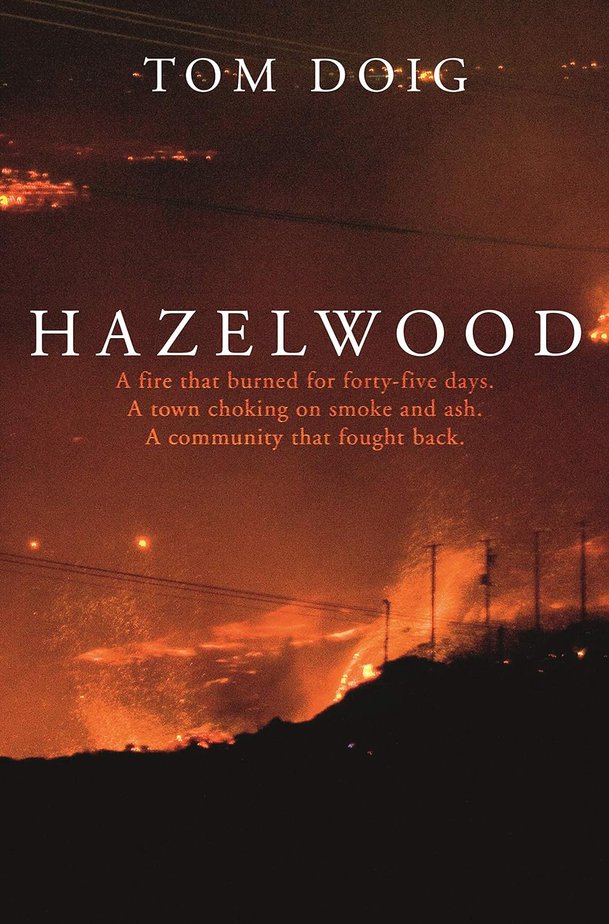
Discovering Hazelwood Book Review (2020): A Riveting Journey for Emergency Leaders
Excerpt: This hands-on review of the Discovering Hazelwood book translates a moment in Latrobe Valley history into practical lessons for firefighters, incident controllers, health teams, and communities—linking real narratives to usable prevention, preparedness, response, and recovery strategies across Australia.
Last updated:
Overview: Why Discovering Hazelwood Matters
At first glance, a paperback may not feel like “equipment,” yet the right book can be a critical tool. The Discovering Hazelwood book captures the Latrobe Valley’s story—industry, community, risk, and resilience—offering hard‑won lessons that translate directly into how agencies and households prepare for, respond to, and recover from complex incidents.
Published in 2020, it arrives at a time when Australian emergency services embrace scenario‑based learning and shared language across police, fire, ambulance, and public health. The title’s narrative approach helps readers see the whole system: infrastructure vulnerabilities, compounding hazards (smoke, heat, power, access), and the interagency coordination needed on the ground and in the ICC.
For firefighters and controllers, the book is a mirror held to planning assumptions—spotlighting pre‑incident intelligence, community engagement, and fatigue management. For the public, it reframes disasters as navigable: with checklists, drills, and local networks, risk becomes manageable, not mysterious.
Throughout this review we translate the book’s insights into the PPRR model—Prevention, Preparedness, Response, Recovery—so crews and communities can apply ideas the moment they put the book down.
Importantly, the Discovering Hazelwood lens is not limited to coal‑mine fire risk; it extends to any protracted incident involving air quality, rapid logistics, critical infrastructure, and sustained community support needs.
The book flows from place‑based storytelling into practical takeaways. Read each chapter with an “operations hat” on: highlight triggers for escalation, note interdependencies (air quality vs. public messaging vs. power continuity), and capture what would change your pre‑plans or shift briefings.
For crews, pair chapters with quick tabletop scenarios—assign roles (Ops, Plans, Public Info, Health Liaison), add realistic injects (wind shift, outage, media pressure), and rehearse brief, execute, debrief. For the public, the same chapters drive household planning: masks, medications, pets, neighbour checks, and sheltering guidance.
The 2020 paperback provides a narrative bridge from community memory to actionable emergency management.
For fire services: a ready‑made springboard for station training nights and volunteer brigade development. The integrated view helps new crew members understand where their role plugs into the larger machine—control lines, public information, and partner agencies.
For police and ambulance: richer context for traffic control, health escalation, and evacuation thresholds. The book’s timelines help refine triggers and common language so scene management aligns with health advice and community alerts.
For local councils and recovery teams: a humane framing of recovery that goes beyond debris—air quality, psychosocial support, business continuity, and culturally safe engagement with communities who carry the memory of smoke and disruption.
For households and businesses: practical prompts to build a smoke plan, store P2/N95 masks, review ventilation, protect medications and documents, and establish neighbour check‑in routines that actually hold during multi‑day events.
Improves interagency exercises with tangible injects
Supports rookie‑to‑leader progression with case realism
Encourages trauma‑aware recovery planning and messaging
Builds public confidence with clear, low‑cost steps
As with any narrative, the book reflects chosen angles. Use it as a catalyst, not a single source of truth. Cross‑check against agency doctrine, current SOPs/SOGs, air‑quality thresholds, and communications templates.
Treat stories involving smoke exposure with care in group settings. Offer content warnings, normalise stepping out of sessions, and debrief with psychological safety. For household use, stress that advice must follow the latest state guidance and health alerts.
Storage and handling are straightforward—keep the paperback dry, away from direct sunlight, and consider a few sticky tabs for quick reference during drills.
Always validate lessons against current state doctrine
1) Brigade training night: A rural CFA brigade runs a two‑hour tabletop. Using a chapter describing prolonged smoke, the OIC sets objectives: consistent public messaging, crew rotation plans, and vehicle checks for long shifts. The session ends with a revised shift roster and an SMS template approved with council comms.
2) Small business continuity: A café in town adapts the book’s air‑quality themes into a simple plan—indoor air monitor, door seals, a “reduced hours” template, staff P2 masks, and a WhatsApp group to coordinate with neighbouring shops on deliveries and vulnerable customers.
3) ICC cross‑training: Multi‑agency officers use the book to map pain points across Operations, Planning, Logistics, Public Information, and Recovery. They produce a one‑page “If prolonged smoke, then…” playbook, including health liaison triggers and a media briefing cadence.
The “care” for a learning tool is about keeping it used and current. Catalogue it in your station/library with a QR code linking to your internal lesson notes. Encourage marginalia, post‑it flags for PPRR themes, and a shared summary doc after each reading cycle.
Protect with a clear cover; label with station or group name
Store in a dry kit drawer; avoid UV exposure
Log who borrows it; require a one‑page takeaway on return
Yes. Pair chapters with brief tabletop injects and a 10‑minute debrief. Volunteers benefit from lived‑experience narratives that connect to simple, local actions.
Does it align with PPRR?
The themes map neatly to Prevention, Preparedness, Response, and Recovery. We recommend colour‑coding notes to each letter for quick recall.
What’s the reading level?
Plain language, Year 9+ friendly, with depth for professionals through timelines and cross‑agency touchpoints.
How does it help public health messaging?
It spotlights coordination between incident control and health advisories—improving the timing and clarity of smoke advice and mask guidance.
Is the Discovering Hazelwood book only about coal‑mine fires?
No. Lessons generalise to prolonged air‑quality incidents, complex logistics, and multi‑day operations anywhere in Australia.
Can I use it for ICC inductions?
Absolutely. Use selected passages to introduce roles, information flow, and the pressure of sustained operations.
Does it include checklists?
Not formal ones, but it inspires them. We include starter prompts in this review to seed your station or household plans.
Digital or paperback?
Paperback is great for group annotation; a digital copy helps rapid search. Many teams keep both.
State health smoke alerts – see your state health website
For Professionals: Making It Stick
Turn each chapter into a 30‑minute drill with one clear objective
Map agency roles (Ops/Plans/Logistics/PIO/Recovery) to each decision point
Integrate air‑quality thresholds and evacuation triggers into run cards
Capture improvements in your Lessons Management System the same day
Credits & Review Notes
This review focuses on practical translation of themes into PPRR actions for mixed audiences. No endorsement is implied; always align with current state doctrine and qualified advice. Quotations and images remain property of their respective owners.
Disclaimer: Always follow safety protocols, training, and official guidance when planning for or responding to emergencies.
SEO Title: Discovering Hazelwood Book Review (2020): A Riveting Journey for Emergency Leaders
Focus Keyword: Discovering Hazelwood book
Meta Description: Discovering Hazelwood book review for Australian firefighters and communities—key lessons from Latrobe Valley’s disaster, safety takeaways, and practical PPRR guidance you can apply today.
Member Training
FireRescue Training Hub
Access practical fire and emergency study support resources, downloads, checklists, audio guides, and member-only course content.
Course library
PDF downloads
Audio guides
Checklists
Study support only. Not accredited training or a replacement for workplace procedures.
Free FireRescue Training Free Firefighter Study Courses in Australia: Prevent Injury and Suppress Wildfire Start learning with two free FireRescue Training Hub…
This learning resource explains how authorised investigators analyse evidence to determine wildfire origin and cause, test competing theories, report findings, secure evidence…
This general study resource explains how to coordinate a wildfire investigation under PUAFIR603 Element 1, including agency roles, safe cooperation, information requests,…
AFAC’s revised 2021 National Position on Prescribed Burning gives Australia a strong foundation, but it also leaves important gaps in measurement, accountability,…
Learn how authorised investigators collect wildfire evidence with proper sampling, contamination control, continuity records, scene documentation and reporting. This Australian study resource…