Fire Mitigation Update
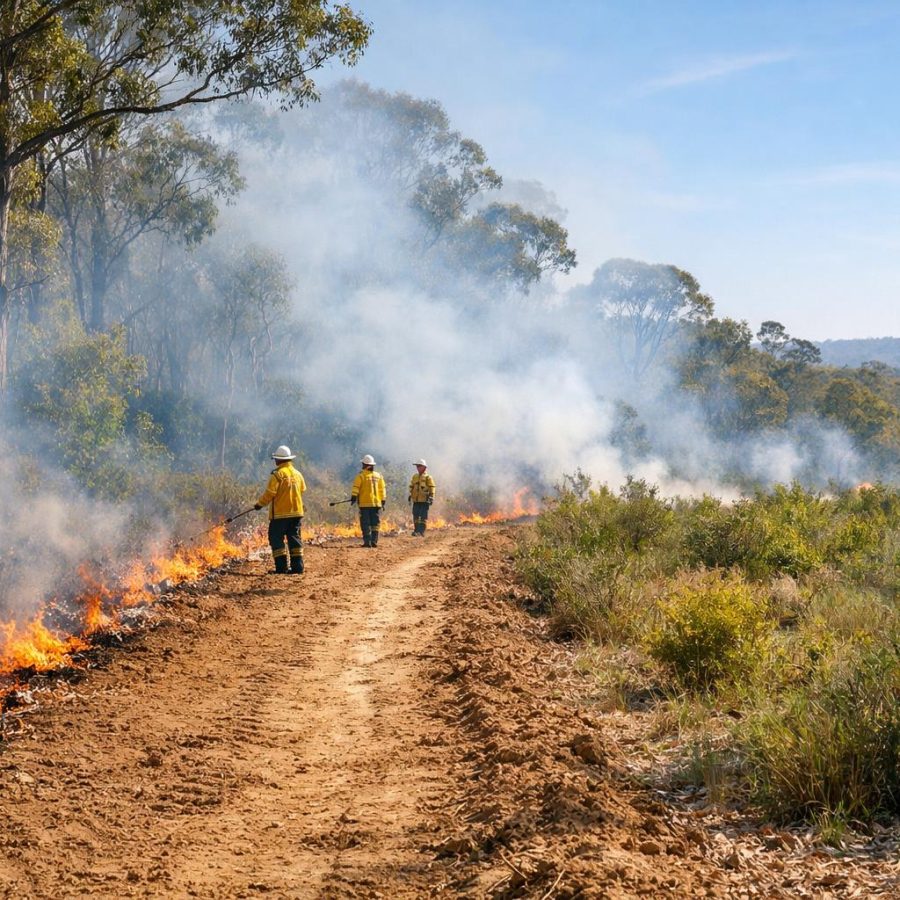
Victoria is advancing its fire mitigation capabilities through strategic investments in training infrastructure and joint operational exercises. The collaboration between Fire Rescue Victoria (FRV) and the Country Fire Authority (CFA) is setting a new standard in wildfire preparedness.
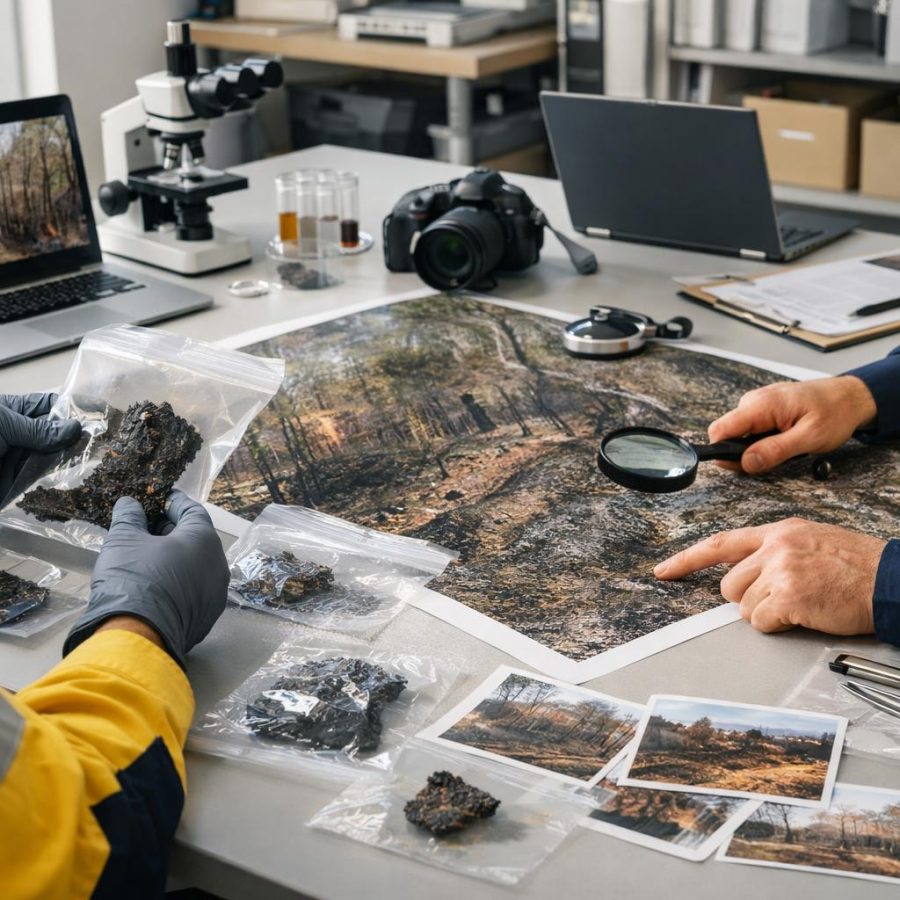
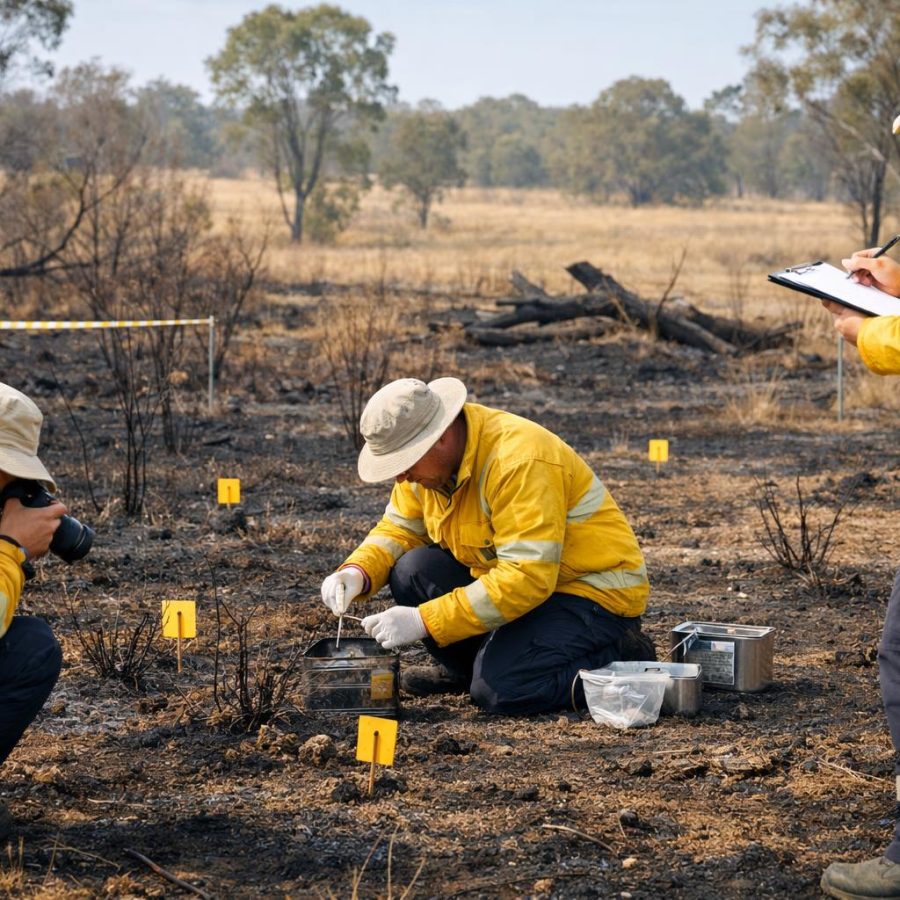
The recently opened $3.4 million Fire Investigation Training Facility equips volunteer firefighters with hands-on skills in fire origin determination, while combined training drills improve coordination and resource management during complex fire events.
These efforts reflect a comprehensive approach to reducing fire risks and enhancing community safety across the state.
Background and Context
Fire Rescue Victoria and the Country Fire Authority have long been key players in responding to Victoria’s diverse fire challenges. Recognising the increasing complexity and scale of wildfire threats, these agencies have intensified their focus on proactive fire mitigation strategies. This includes investing in advanced training facilities and collaborative drills designed to sharpen operational effectiveness.
In April 2024, the Victorian Government inaugurated a dedicated Fire Investigation Training Facility that aims to <a href="https://www.firerescue.com.au/practical-emergency-management-a-how-to-guide-for-australian-communities/”>deepen the investigative expertise of volunteer firefighters. This facility is equipped with four specialised rooms and an adjacent carport, purpose-built for conducting controlled burns. The ability to study fire behaviour and burn patterns in a controlled environment is a significant leap forward in understanding fire dynamics and causes.
Such training is critical, as identifying the origin and cause of fires not only aids in prevention but also informs targeted mitigation efforts and community education. It further supports legal and insurance processes following fire incidents, strengthening the overall fire safety framework in Victoria.
Joint Training and Operational Synergies
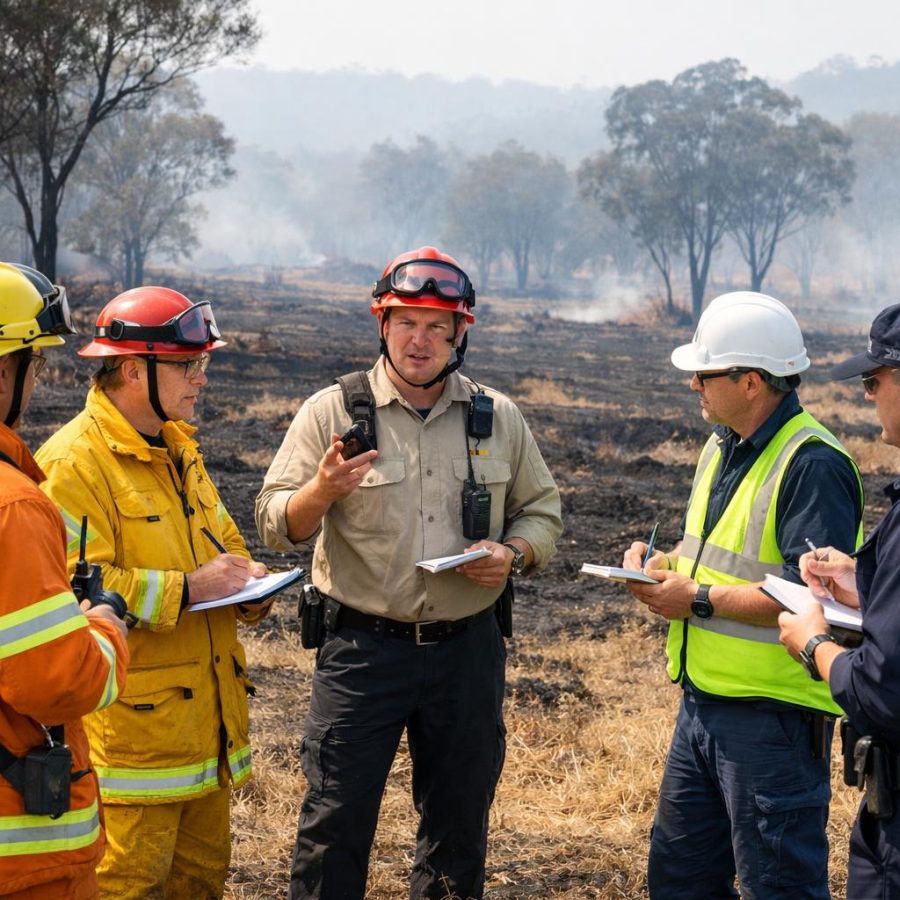
Beyond building investigative skills, FRV and CFA have collaborated extensively on joint training exercises, which have become increasingly vital given the scale and complexity of recent fire seasons. A notable example occurred in December 2024 at the Derrimut Fire Station, where a multi-agency drill tested the interoperability of resources and command structures in simulated wildfire scenarios.
This drill highlighted the critical roles played by CFA’s field command vehicles and FRV’s specialised equipment and personnel. By combining these strengths, the agencies demonstrated enhanced capability to <a href="https://www.firerescue.com.au/preparing-for-multi-hazard-seasons-fire-flood-and-storm-in-one-summer/”>manage multi-faceted fire events, ensuring rapid, coordinated responses.
Such exercises also foster mutual understanding of operational protocols and communication channels, reducing the risk of procedural gaps during real emergencies. The increased familiarity between FRV and CFA teams builds trust and operational cohesion that is vital when seconds count.
Training Facility Features and Benefits
The Fire Investigation Training Facility’s design focuses on realism and versatility. Its four rooms replicate different residential and commercial fire environments, allowing firefighters to safely simulate investigations. The adjoining carport facilitates controlled vehicle fire burns, offering insights into fire behaviour in automotive contexts.
This controlled setting enables firefighters to observe flame spread, smoke patterns, and burn indicators that are critical clues in fire cause analysis. Such experiential learning supplements theoretical knowledge and enhances accuracy in field investigations.
Practical Implications for Fire Mitigation
The practical outcomes of these developments are multi-layered. Firstly, better-trained investigators can more effectively identify fire causes, which supports targeted prevention strategies and community awareness campaigns. Secondly, improved joint operational readiness means that fire responses will be more coordinated, reducing damage and improving firefighter safety.
These initiatives also underscore the importance of investing in volunteer firefighter training, acknowledging their vital role in Victoria’s fire emergency framework. By equipping volunteers with advanced skills and integrating them closely with professional units, the state maximises its firefighting resources.
However, ongoing challenges remain. The scale of wildfire risks driven by climate change and expanding urban interfaces requires continual adaptation. Funding and resource allocation must keep pace with these evolving demands, ensuring that facilities remain state-of-the-art and training programs reflect current fire science.
Moreover, while joint exercises have improved interoperability, real-world fire events often present unpredictable variables. Continued investment in technology, communication systems, and community engagement is essential to complement these training advances.
What to Do Now
Victorian communities should regard these developments as positive steps toward enhanced safety but remain vigilant and prepared. Residents are encouraged to maintain their property’s fire readiness by clearing vegetation, preparing emergency kits, and staying informed through official alerts, especially during the declared act fire danger periods when conditions can escalate rapidly.
The integration of modern radio communication systems during joint FRV and CFA operations has proven crucial in ensuring real-time information flow, which enhances situational awareness and decision-making. Residents are advised to monitor such communications where accessible, as they often provide vital updates during fire emergencies.
In addition to emergency preparedness, first aid knowledge remains a critical skill for both firefighters and community members. Firefighters trained through these programs are better equipped to provide immediate assistance, which can be lifesaving in remote or rapidly evolving fire incidents. Community first aid education complements these efforts by empowering individuals to respond effectively before professional help arrives.
Following fire incidents, recovery and relief efforts are essential components of the broader fire mitigation cycle. The collaboration between FRV and CFA also supports coordinated approaches to assisting affected residents in returning home safely and rebuilding. Insurance processes are streamlined when fire causes are clearly identified, facilitating faster claims and reducing community hardship.
Community engagement initiatives, including public information sessions and fireguard programs, further reinforce the partnership between emergency services and residents. These programs educate about fire risks, warning systems, and practical steps to reduce vulnerability during high-risk periods. Such ongoing education is vital to complement the technical and operational advances made by FRV and CFA.
Ultimately, the strengthened training and operational readiness of Victoria’s fire services represent a holistic approach to fire mitigation—one that spans prevention, response, and recovery. As wildfire seasons grow longer and more intense, these efforts provide a foundation for resilience, protecting lives, property, and the environment.
Fire mitigation is not just about immediate response but involves comprehensive planning that includes recovery and rebuilding phases. After fires are controlled, the focus shifts to community recovery, which involves cleaning up affected areas, assessing damage, and initiating rebuilding efforts that incorporate fire-resistant materials and designs. This cycle of mitigation and recovery ensures that communities can return home safely and with greater resilience against future fire threats.
Emergency preparedness checklists have become an essential tool for households in Victoria. These checklists often include steps for property maintenance, such as clearing gutters of debris, maintaining defensible space around structures, and ensuring easy access for firefighting crews. By adhering to these guidelines, residents actively contribute to fire mitigation and improve their chances of a safe return home after an event.
Warning systems have also been enhanced through the collaboration of FRV and CFA, with improved alert mechanisms that provide timely notifications to communities at risk. These warnings allow residents to implement their fire plans promptly, reducing panic and facilitating orderly evacuations or sheltering as appropriate. Such systems are integral in bridging the gap between official response and community action.
Sources: premier.vic.gov.au, news.cfa.vic.gov.au
FireRescue Training Hub
Access practical fire and emergency study support resources, downloads, checklists, audio guides, and member-only course content.
- Course library
- PDF downloads
- Audio guides
- Checklists
Study support only. Not accredited training or a replacement for workplace procedures.
About the author and safety review
Ken Walker
Former Station Officer and fire service educator
Former career firefighter with extensive career and volunteer fire service experience.
Qualifications: Associate Diploma of Applied Science in Fire Technology; Institute of Fire Engineers studies.
Author profilehttps://www.firerescue.com.au/about-us/