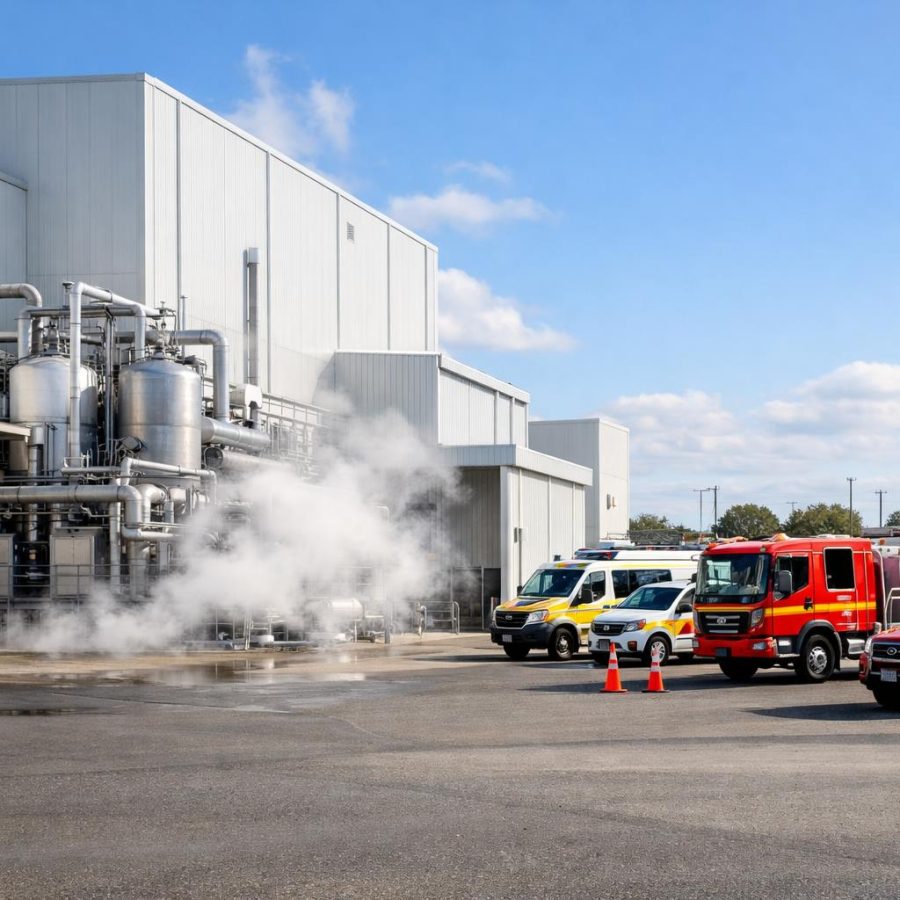
Emergency Response Plan Review & Professional Gap Analysis
Already have an emergency response plan? A structured professional review can identify gaps, outdated information, unclear responsibilities and practical weaknesses before they become problems during a real emergency.
Many organisations already have an emergency response plan.
The more difficult question is whether that plan would actually work when it is needed.
A document may look professional, contain evacuation diagrams and list emergency contacts, yet still have important gaps. Responsibilities may be unclear. Contact details may be outdated. New hazards may never have been added. Procedures may conflict with the way the workplace now operates.
Sometimes the plan was prepared several years earlier and has simply remained in a folder or on a shared drive.
What Is an Emergency Response Plan Review?
An emergency response plan review is a structured examination of an organisation’s existing emergency documentation.
Instead of starting again automatically, the review looks at what already exists, identifies weaknesses and considers where improvements may be required.
The objective is to help answer practical questions such as:
| Review Question | What We Are Looking For |
|---|---|
| Is it current? | Correct contacts, responsibilities, hazards, locations and procedures. |
| Is it practical? | Can people understand and use the procedures under pressure? |
| Are responsibilities clear? | Are emergency roles, authority and communication responsibilities defined? |
| Are hazards covered? | Does the plan address the credible emergencies relevant to the site? |
| Can responders be supported? | Is useful information available for responding emergency services? |
| Is the plan maintained? | Are review, testing, training and document-control arrangements clear? |
What Is an Emergency Plan Gap Analysis?
A gap analysis goes further than simply proofreading an emergency plan.
It compares what is currently documented against what would reasonably be expected from a practical emergency-management system, taking into account the organisation, workplace, hazards and location.
The result is not simply a list of spelling errors or formatting problems.
A useful gap analysis should help identify what is missing, what needs clarification, what may be outdated and which issues deserve attention first.
Review
Identify
Prioritise
Recommend
Improve
Common Weaknesses in Existing Emergency Plans
Every organisation is different, but several types of weakness regularly deserve attention when emergency documentation is reviewed.
| Area | Possible Gap | Why It Matters |
|---|---|---|
| Contacts | Old names or telephone numbers | Delays communication during an emergency. |
| Roles | Responsibilities not clearly allocated | Important actions may be missed or duplicated. |
| Hazards | New or specialist hazards missing | Procedures may not reflect current operations. |
| Procedures | Instructions too vague or complicated | People may struggle to use them under pressure. |
| Training | No clear training arrangements | A good document is of limited value if people do not understand it. |
| Document Control | No review date or version control | Old versions can remain in circulation. |
1. Emergency Roles and Responsibilities
During an emergency, people need to understand who is expected to do what.
A plan may contain a list of emergency roles, but that does not necessarily mean the responsibilities are clear.
A review can consider who has authority to initiate emergency procedures, who raises the alarm, who contacts emergency services, who coordinates evacuation, who accounts for people and who provides information to arriving responders.
2. Fire and Evacuation Procedures
Fire and evacuation arrangements are often major components of workplace emergency plans.
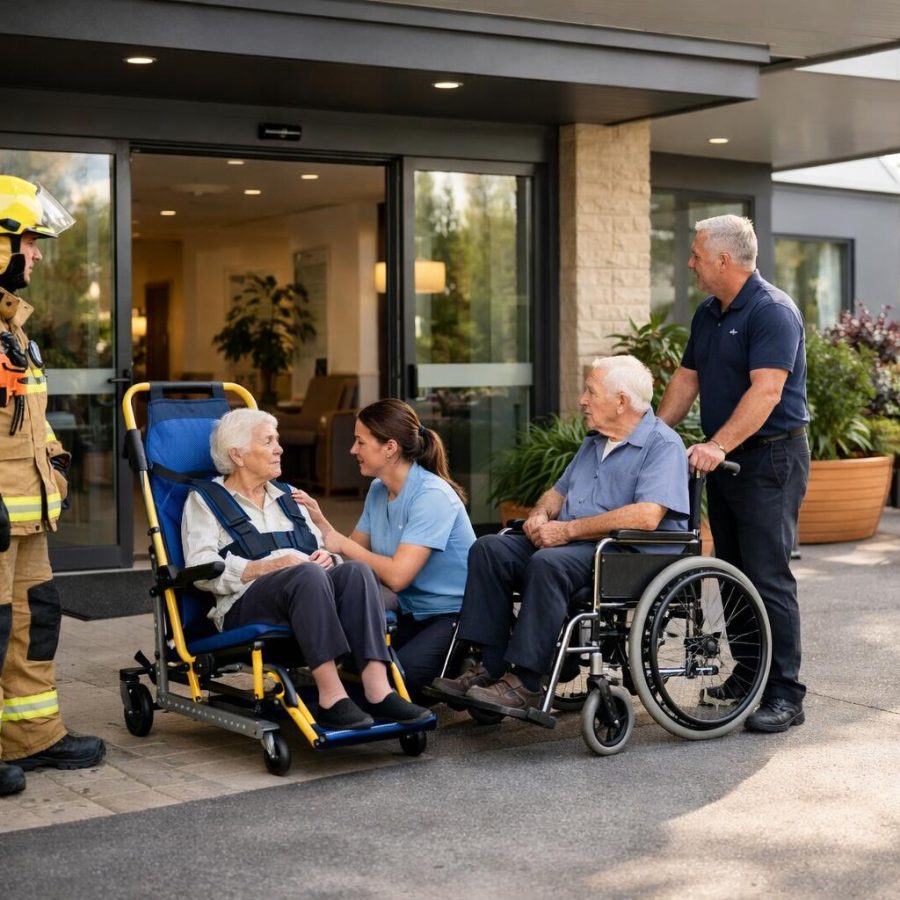
The review may consider whether alarm procedures, evacuation arrangements, assembly areas, people requiring assistance and responsibilities are explained clearly.
It can also identify inconsistencies between the written plan and supporting information such as evacuation diagrams, contact lists or other workplace procedures.
3. Risk and Hazard Considerations
An emergency plan should reflect the credible emergencies relevant to the workplace.
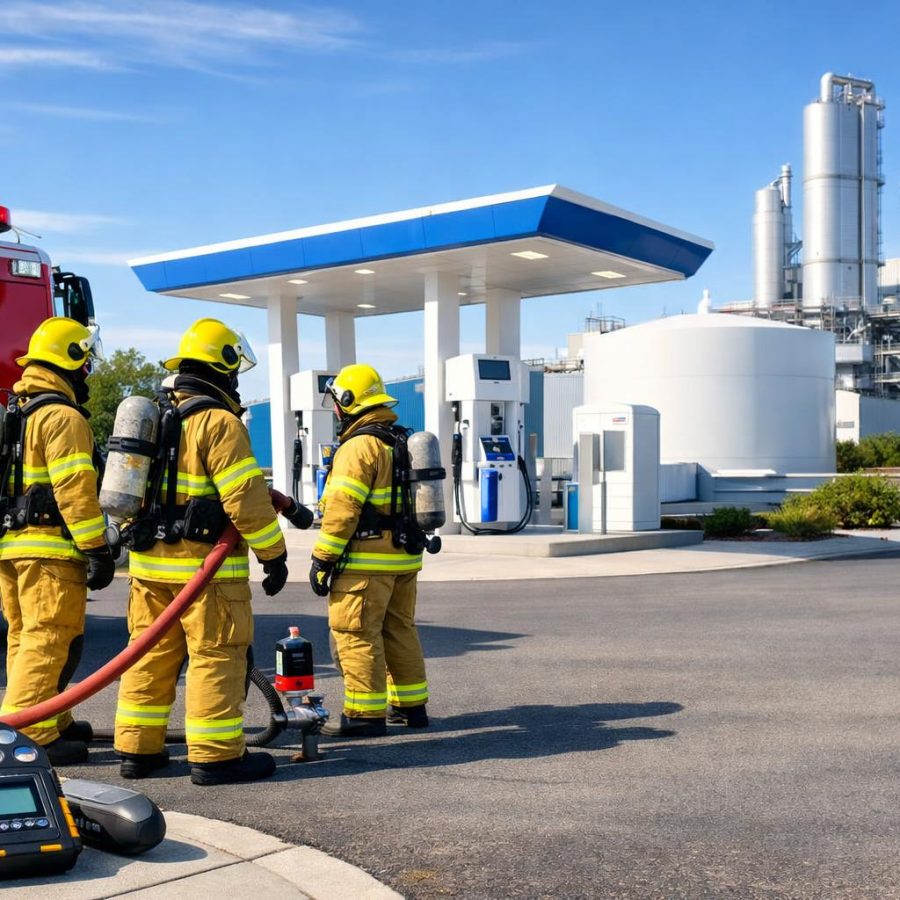
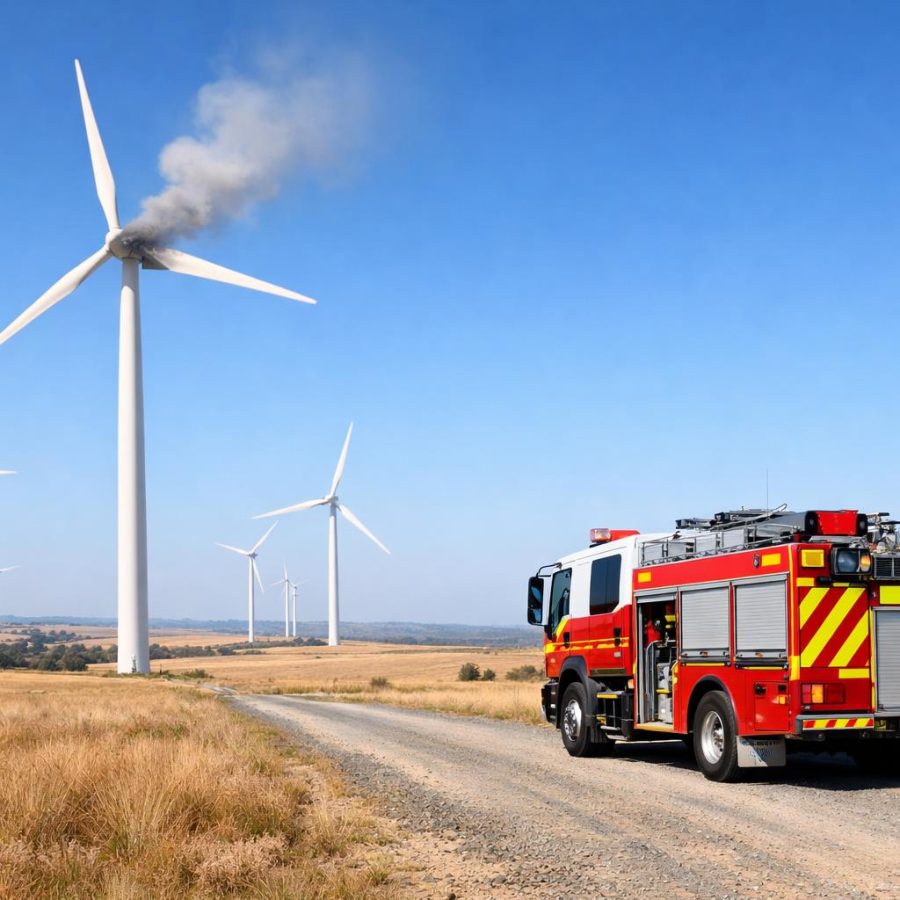
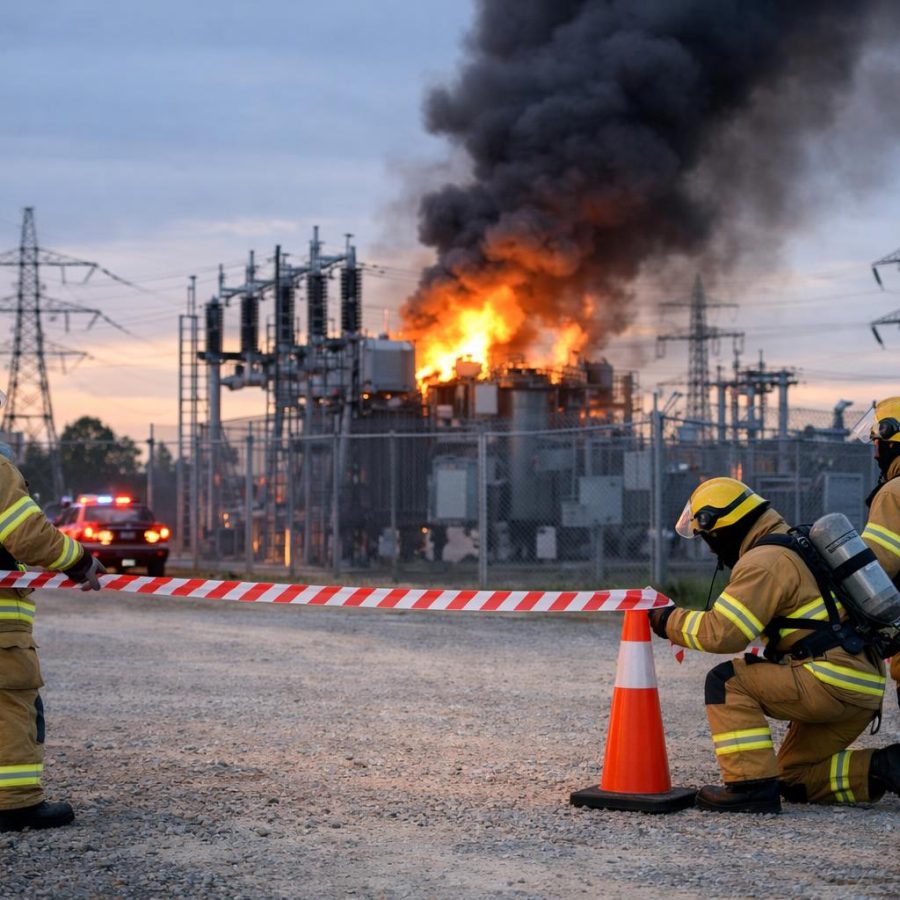
For one organisation, fire and medical emergencies may be the main concerns. Another may need to consider hazardous materials, industrial fire, bushfire, severe weather or other specialist risks.
The Fiverr review service can include focused consideration of specialist hazards where this is part of the agreed package or selected extra.
4. Emergency Procedures
Procedures should provide enough information to guide action without becoming unnecessarily difficult to follow.
This balance is important.
A procedure containing only a few vague sentences may not provide enough direction. At the other extreme, several pages of dense instructions may be difficult to use when people are under pressure.
5. Emergency Contacts and Communications
Emergency communications are easy to overlook during normal operations.
During a real incident, communication becomes one of the most important parts of the response.
A review can examine whether internal communication responsibilities, emergency-service contact arrangements and important contact information are clear and current.
6. Document Control
Emergency plans change over time.
Staff change, buildings are modified, hazards evolve and operating arrangements can be completely different several years after the original plan was prepared.
A professional review can therefore consider document dates, version control, responsibilities for future reviews and whether old copies could remain in circulation.
When Should an Emergency Response Plan Be Reviewed?
Emergency documentation should not simply remain unchanged year after year.
| Review Trigger | What May Have Changed? |
|---|---|
| Building modification | Access, evacuation arrangements, equipment or site layout. |
| Workforce changes | Roles, staffing levels, contractors or assistance requirements. |
| New equipment | Hazards, isolation procedures or emergency response requirements. |
| Changed work activities | Different credible emergency scenarios. |
| Emergency exercise | Testing may reveal unclear or impractical procedures. |
| Actual emergency | Real events can reveal lessons that exercises did not identify. |
Professional Emergency Response Plan Gap Analysis
My Fiverr service is specifically designed for organisations that already have an emergency response plan but want an independent professional review.
The existing plan can be reviewed to identify key gaps, weaknesses, priority findings and recommended improvements.
Depending on the selected package, the review can consider risk and hazard issues, emergency responsibilities, response procedures, document control and suggested changes to selected sections.
Each review is tailored to the organisation, site, hazards and location rather than being based solely on a generic checklist.
Professional Fiverr Service
Is Your Emergency Response Plan Complete?
Get a professional review and clear gap analysis of your existing emergency response plan.
Three Levels of Emergency Plan Review
The Fiverr service currently provides three review levels depending on the amount of analysis and improvement support required.
| Package | Report | Revisions | Delivery | Purpose |
|---|---|---|---|---|
| Plan Review | 1,000 words | 1 | 4 days | Review one emergency plan and identify key gaps and priorities. |
| Gap Analysis | 2,000 words | 2 | 7 days | Detailed analysis with priorities and recommendations. |
| Full Improvement Review | 3,500 words | 3 | 10 days | Full review with gap analysis, improvement plan and suggested document updates. |
Included Review Report Size
Maximum included written output shown in the current Fiverr packages.
1,000 words
2,000 words
3,500 words
Package Delivery Time
Current standard delivery periods shown on the Fiverr listing.
4 days
7 days
10 days
Optional Review Extras
Some organisations need more than a written review. The service also provides optional additions that can turn the findings into more practical follow-up material.
What Should You Provide for the Review?
The existing emergency response plan is the starting point.
Where available, additional information may also be useful:
- Existing standard operating procedures
- Risk assessments
- Site plans
- Evacuation diagrams
- Emergency contact lists
- Relevant workplace photographs
- Information about major hazards or specialist risks
- Concerns identified during previous exercises or incidents
Not every organisation will have all of these documents. The purpose is simply to provide enough context to understand how the emergency plan relates to the actual workplace.
How the Review Process Works
Why an Independent Review Can Be Useful
People who work with a document every day can naturally become familiar with it.
That familiarity can make weaknesses harder to notice.
An independent review provides another perspective.
It can highlight ambiguous instructions, assumptions, missing links between sections and areas where procedures may not clearly reflect the actual risks or workplace arrangements.
Experience Behind the Review
The service is based on extensive operational fire and emergency-service experience across firefighting, incident management, emergency planning, hazardous materials, training and leadership.
That operational perspective is important because emergency documentation needs to work when circumstances are uncertain and people are under pressure.
The aim is not simply to make the document longer. It is to help make it clearer, more useful and better suited to the organisation it is intended to protect.
A Useful Test: Could Someone Else Use the Plan?
Imagine a significant emergency occurs when the most experienced manager is away.
A contractor identifies the problem first.
Normal operations are disrupted.
Information is incomplete.
Emergency services are on their way.
Could another competent person pick up your emergency plan and understand what needs to happen?
If the answer is uncertain, a professional review may identify where the document can be strengthened.
Review, Improve, Test and Review Again
Emergency planning is an ongoing process.
→
Improve
→
Train
→
Exercise
→
Learn
→
Review Again
A plan that is regularly reviewed and tested has a better opportunity to remain relevant as the workplace changes.
Unsure Whether Your Emergency Response Plan Is Complete or Current?
I can independently review your existing plan, identify key gaps and weaknesses, prioritise findings and provide clear recommendations for improvement.
Important notice:
This service provides emergency-planning review, gap analysis and technical documentation support. Requirements vary between jurisdictions, industries and workplaces. The service does not replace statutory approval, engineering certification, regulatory approval or professional sign-off where these are legally required. Organisations remain responsible for complying with applicable laws, consulting relevant regulators or authorised professionals where required, implementing emergency arrangements, training personnel and maintaining their emergency plans.
FireRescue Training Hub
Access practical fire and emergency study support resources, downloads, checklists, audio guides, and member-only course content.
- Course library
- PDF downloads
- Audio guides
- Checklists
Study support only. Not accredited training or a replacement for workplace procedures.
About the author and safety review
Ken Walker
Former Station Officer and fire service educator
Former career firefighter with extensive career and volunteer fire service experience.
Qualifications: Associate Diploma of Applied Science in Fire Technology; Institute of Fire Engineers studies.
Author profilehttps://www.firerescue.com.au/about-us/