A fire and emergency response plan should do more than sit in a folder or on a noticeboard. It should tell people what to do, who is responsible, how to communicate, and how to respond in a way that suits the actual workplace, building or site. That is exactly the kind of practical help Ken Walker offers through his professional Fiverr service: he can write a new fire and emergency response plan or review an existing one so it is clearer, more usable and better aligned to the realities of the site.
Why a practical emergency plan matters
In any workplace or managed property, an emergency plan is only useful if people can understand it and follow it under pressure. During a fire, gas leak, medical emergency, security incident, severe weather event or other serious disruption, staff do not have time to interpret vague instructions. They need a plan that is specific, realistic and easy to act on.
Many organisations already have some sort of document in place, but the quality can vary widely. Some plans are too generic. Others are full of formal language but short on practical detail. Some were written years ago and never properly updated after changes to the building, tenants, staff numbers, operations or risk profile.
That is where a professional fire and emergency response plan writing and review service can help. Ken Walker’s Fiverr gig is aimed at people who need a plan written from scratch or checked and improved by someone with long experience in firefighting, operational response, incident management and emergency planning.
For Australian businesses, property managers, facility managers, accommodation providers, warehouses, workshops, community organisations and rural or industrial sites, this kind of support can make the difference between a plan that looks complete and a plan that is actually usable.
Who Ken Walker’s service is suitable for
This service is well suited to organisations that need a sensible, professional approach to emergency planning without trying to build the whole document internally from scratch. It is especially useful for people who know they need a plan, but are not sure whether their current one is complete, clear or fit for purpose.
Typical customer groups include
- Small and medium businesses.
- Warehouses and workshops.
- Commercial premises and office buildings.
- Accommodation providers and shared facilities.
- Property and facility managers.
- Community organisations and clubs.
- Rural workplaces and industrial sites.
- Organisations updating an existing emergency plan.
The service may also suit organisations that have inherited an older plan from a previous owner, manager or consultant and now need it checked against the current site layout, workforce, hazards and operational arrangements.
It is important to understand what this service is, and what it is not. It is professional planning support. It is not a guarantee that an emergency will never happen, and it does not replace advice from regulators, emergency services, legal professionals or other appropriately qualified specialists where that advice is needed.
Instead, it offers something valuable and practical: help from someone who understands how emergencies unfold in real life, and who can shape a document so people have a better chance of responding correctly when time is short.
Professional Fiverr Service
Need a Fire and Emergency Response Plan?
Get a new plan written or have your existing plan professionally reviewed.
What can go wrong with weak or outdated plans
Many emergency plans fail for a simple reason: they were never written with the actual site and people in mind. A document may appear complete, but still leave dangerous gaps. Common problems include unclear roles, missing contacts, unrealistic evacuation steps, poor communication arrangements and procedures that do not reflect the way the workplace really operates.
Outdated plans can be especially risky. A business might have expanded into another area, introduced new processes, changed shift arrangements, altered tenancy boundaries or added new hazards, but the plan was never revised. In that situation, staff may be following instructions that no longer match the site.
Weak plans also create confusion when something goes wrong. If staff are not sure who is in charge, who calls emergency services, who checks toilets or isolated areas, who shuts down equipment, or who accounts for visitors, the response becomes slower and less coordinated. That confusion can increase risk for workers, contractors, occupants and responders.
Another common issue is language. Many plans are technically correct but hard to use. They may be full of long sentences, formal terms or copied templates that do not explain what to do in plain English. When people are stressed, tired or unfamiliar with emergency planning terms, they need direct instructions.
A professional review can identify these weaknesses and turn them into practical improvements. That is one of the main strengths of Ken Walker’s service: it is focused on clarity, not just compliance-style wording.
How Ken Walker can help with a new plan
If you need a new fire and emergency response plan written, Ken Walker can develop one based on the information you provide about the site, its activities and its risks. That process is valuable when there is no usable plan in place, or when the existing one is too thin, too old or too generic to rely on.
A new plan should not simply repeat standard headings. It should reflect the way the workplace is actually used. A warehouse, for example, may need different considerations from an accommodation site, office building, workshop or community venue. A rural or industrial workplace may also have hazards and response arrangements that are quite different from those in a simple retail or office setting.
Ken’s background in firefighting, emergency response and incident management is relevant here because a good plan is not only about paperwork. It is about how people behave under pressure, how information moves, how decisions are made, and how to keep the response organised and understandable.
When commissioning a new plan, customers should be ready to provide relevant site details, such as building layout, access points, occupancy patterns, hazards, current procedures and any emergency equipment or response arrangements already in place. The better the input, the more useful the final document can be.
The final plan still needs to be checked against the organisation’s circumstances and any applicable legal or operational requirements. A professional service can shape and improve the document, but the customer remains responsible for ensuring it suits the site and meets local obligations.
How a review can improve an existing plan
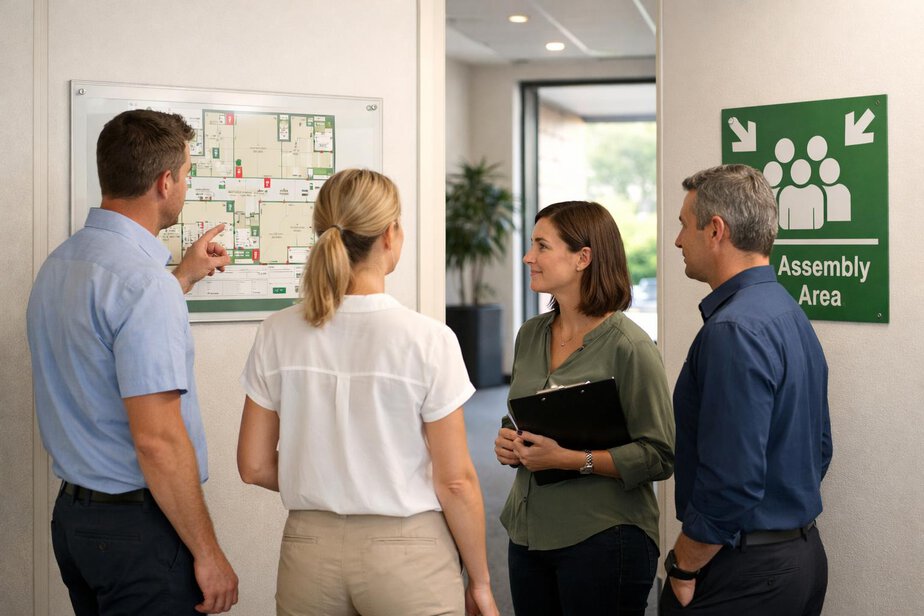
Many people do not need a brand new emergency plan. They already have one, but they are not confident it is still suitable. In those situations, a review can be the better option. Ken Walker can examine the existing document and identify where it may be unclear, incomplete, inconsistent or outdated.
A review can highlight issues such as:
- missing or unclear emergency roles and responsibilities;
- uncertain procedures for raising the alarm;
- poorly described evacuation arrangements;
- communication gaps for staff, visitors or occupants;
- inconsistencies between the written plan and the actual site;
- outdated references after a renovation, tenancy change or operational change;
- steps that are too vague to follow in an emergency;
- duplicated or conflicting instructions across different parts of the document.
A good review should not just mark a document as acceptable or not acceptable. It should explain what needs attention and how the plan could be improved so it is more practical. That is particularly useful for owners and managers who know something is wrong, but cannot easily identify every problem themselves.
If a workplace has changed over time, the review can be especially valuable. Buildings evolve. Teams change. Risk profiles change. People move in and out. A plan should change as well.
Ken’s experience in emergency services can add value here because he is likely to look at the plan the way a responder or incident manager would: is the information clear, is the response realistic, and would people know what to do under pressure?
What a customer may receive
The exact deliverables will depend on the package chosen on Fiverr and the information supplied by the customer, so it is always wise to check the gig page for current inclusions, delivery periods and prices. That said, a professional service like this may typically involve a written emergency plan, a review of an existing plan, comments on problem areas, or suggestions for improving clarity and structure.
In practical terms, customers may receive support with:
- clearer emergency response steps;
- better defined responsibilities for staff or wardens;
- improved evacuation instructions;
- communication arrangements for emergencies;
- more practical wording that people can actually follow;
- identification of missing sections, hazards or inconsistencies;
- layout improvements that make the plan easier to read and use;
- advice on what information should be confirmed or updated by the customer.
For many customers, the most important result is not a longer document, but a better one. Emergency plans do not need to be complicated to be effective. They need to be specific, sensible and easy to act on when people are under stress.
A strong plan also supports training and rehearsal. Staff are more likely to remember their responsibilities if the document is clear and the instructions make sense. That matters in workplaces with casual staff, shift workers, contractors, volunteers or visitors who may not be familiar with the site.
Why experience in firefighting and emergency management matters
There is a big difference between writing about emergencies in theory and understanding how they unfold in practice. Ken Walker’s background, including approximately 40 years of combined career and volunteer firefighting experience, along with senior operational and management roles, gives him a practical perspective that can be valuable when developing or reviewing an emergency plan.
His experience in incident management, hazardous materials and emergency planning is relevant because real emergencies often involve more than one issue at once. A fire may also involve smoke movement, access problems, evacuation difficulty, communications breakdowns or confusion about who is responsible for key actions. Plans that do not account for those realities can be harder to use.
Ken’s qualifications also support that practical background, including a Graduate Certificate connected with the Institution of Fire Engineers and an Associate Diploma of Applied Science in Fire Technology. For customers, that means the service is grounded in field experience and professional knowledge, not just generic planning language.
That said, experience is not a substitute for site-specific information. Even a highly experienced professional cannot guess the details of every building, workforce or operating environment. The best results come when the customer provides accurate information and the final document is tailored carefully to the site.
Plan writing versus plan review: a simple comparison
Some customers are unsure whether they need a new plan or a review of an existing one. The right choice depends on the current condition of the document and how much has changed at the site. The table below gives a simple comparison.
| Service type | Best for | What Ken may do | Customer outcome |
|---|---|---|---|
| Plan writing | Sites with no usable plan, or where the current document is too generic or outdated to rely on | Develop a new fire and emergency response plan from the information supplied | A fresh, site-specific plan with practical emergency steps and responsibilities |
| Plan review | Sites that already have a plan but want it checked, improved or updated | Assess the existing document, identify gaps and suggest clearer wording or structure | A stronger plan that is easier to follow and better aligned to current conditions |
In many cases, the review option is the fastest way to improve an existing document. In other cases, starting again may produce a better outcome if the current plan is too poor, too old or too disconnected from the actual site.
What information to prepare before ordering
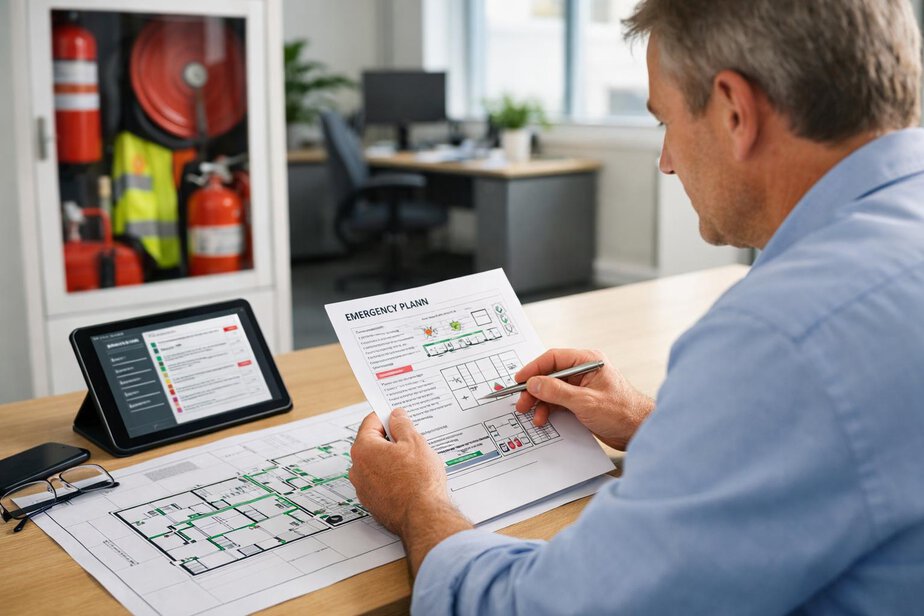
To get the best result from the Fiverr service, it helps to prepare the relevant site information before placing an order. The more practical detail you provide, the more targeted and useful the plan or review can be.
Useful information may include
- a brief description of the business or organisation;
- the type of building or site;
- the number of people usually on site;
- operating hours or shift patterns;
- known hazards, processes or high-risk areas;
- current evacuation or emergency arrangements;
- any existing plan, checklist or response document;
- site layout information if available;
- special considerations such as visitors, tenants, residents, contractors or volunteers.
It is also useful to be clear about what you want from the service. For example, you may need a full plan written, a review of an older plan, better role descriptions, clearer evacuation instructions or help making the document easier for staff to follow.
Good input saves time and improves quality. If details are missing, the final plan may need extra confirmation from the customer before it can be finalised. That is normal in any professional planning service.
How the Fiverr ordering process works
The ordering process is straightforward, but it helps to understand what usually happens so you know what to expect. As always, check the Fiverr page for the current package options and inclusions.
- Go to the gig page and choose whether you need a new plan written or an existing plan reviewed.
- Read the package details carefully so you understand what is included.
- Provide the requested site information, documents and background details.
- Explain the workplace, building type, hazards and any emergency arrangements already in place.
- Confirm any special priorities, such as evacuation, communication, wardens, shutdown steps or tenant coordination.
- Ken prepares the work based on the information provided and may ask questions if something needs clarification.
- Review the draft or revised material and confirm any final adjustments needed.
- Use the completed plan as part of your broader emergency preparedness, training and review process.
This process works best when customers are open about what they need and provide accurate information from the start. It is much easier to build a useful plan when the site realities are clear.
If you are ready to improve your documentation, you can view Ken Walker’s fire and emergency response plan service on Fiverr and check the available options there.
Frequently asked questions
Can this service help with both new and existing plans?
Yes. The service is designed for both situations. Ken can write a new fire and emergency response plan or review an existing one and suggest improvements.
Is this only for big workplaces?
No. It can be useful for small businesses, community groups, warehouses, workshops, accommodation providers, property managers and other sites that need a practical emergency plan.
Will the final plan be the same for every customer?
No. A useful emergency plan should reflect the customer’s workplace, hazards, staffing, layout and procedures. A one-size-fits-all document is usually not enough.
Does this service replace legal or regulatory advice?
No. It supports professional planning, but it does not replace advice from regulators, emergency services, legal professionals or other appropriately qualified specialists where needed.
What if my current plan is outdated?
A review can identify where the document no longer matches the site or current arrangements. In some cases a full rewrite may be more appropriate if the plan is too outdated or incomplete.
Can this help make the plan easier for staff to follow?
Yes. That is one of the main benefits. A practical plan should use clear language, define responsibilities and make evacuation and communication steps easier to understand.
A sensible next step for Australian workplaces
If your business, facility or organisation needs a better emergency plan, the simplest first step is to have it written or reviewed by someone who understands real emergency response as well as planning. Ken Walker’s Fiverr service is aimed at exactly that need: practical, site-specific support that helps turn a vague or outdated document into something clearer and more useful.
This is particularly important in workplaces where responsibilities are shared, people come and go, operations change, or the risks are more complex than a basic template can handle. A good emergency plan should help people act decisively, not guess what the document meant.
Whether you are starting from scratch or improving an existing plan, the goal is the same: make the document practical, understandable and matched to the site. That supports better preparation, better training and a better response when an emergency occurs.
Final step: View Ken Walker’s fire and emergency response plan service on Fiverr, check the current package details, and choose the option that best suits your site. Before publication or implementation, verify the facts, confirm local procedures and make sure the final plan reflects your workplace, risks and applicable requirements.
Related
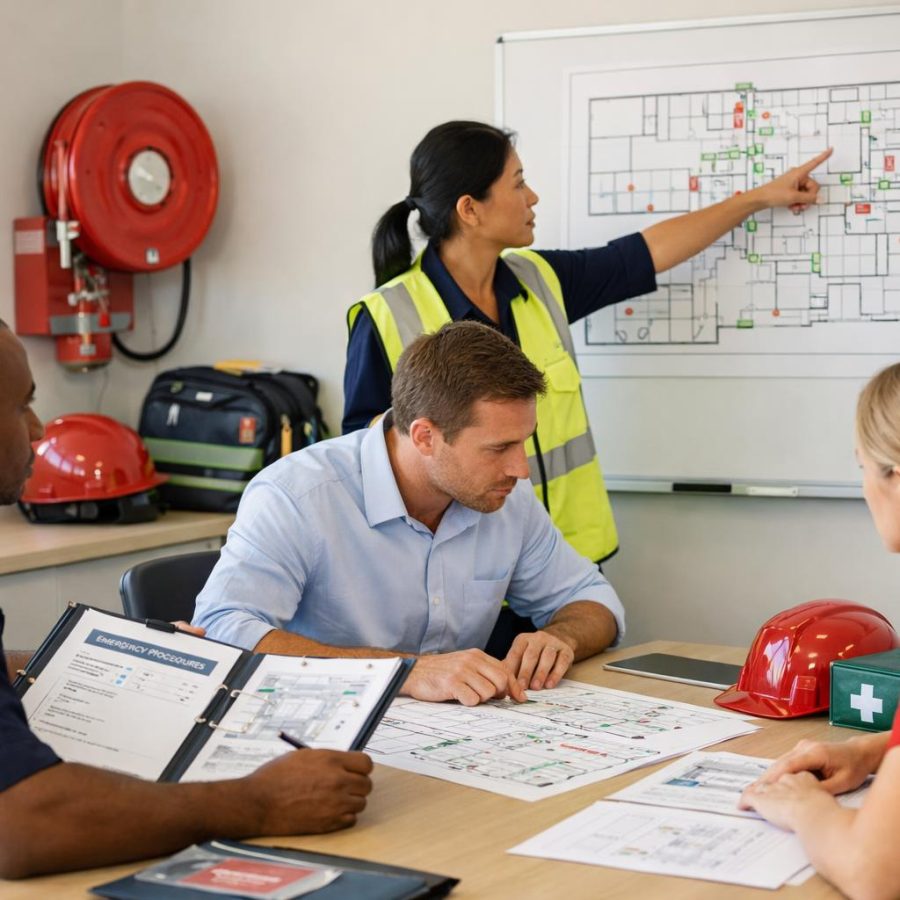
Emergency Response Plan Review: How to Find Gaps Before an Emergency Exposes Them
An emergency response plan should be a working tool, not a document sitting on a shelf. A periodic review helps organisations find…
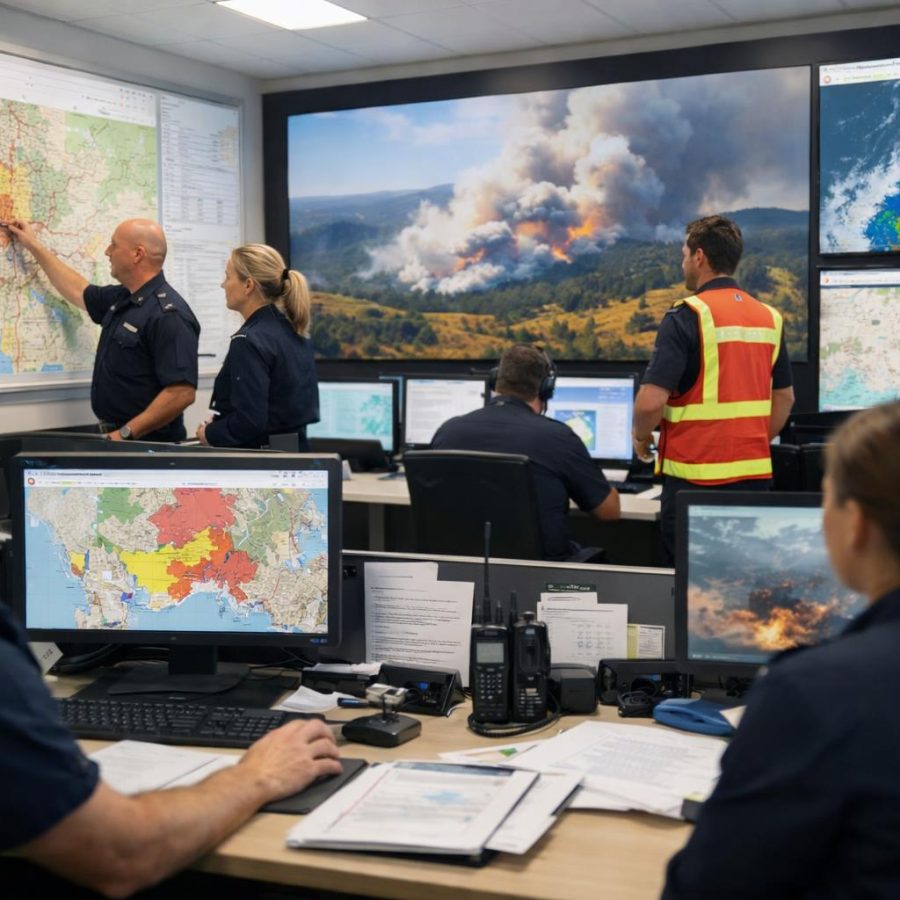
Emergency Operations Centres, How Major Emergencies Are Coordinated Behind the Scenes
Emergency Operations Centres help major emergencies run more smoothly behind the scenes by coordinating information, resources, planning and agency support. This article…

Caravan and Motorhome Fire Safety in Australia, LPG, Lithium Batteries and Fast Escape
Caravan and motorhome fires can spread fast in a confined space, so preparation matters. Learn how to manage LPG, lithium batteries, cooking,…