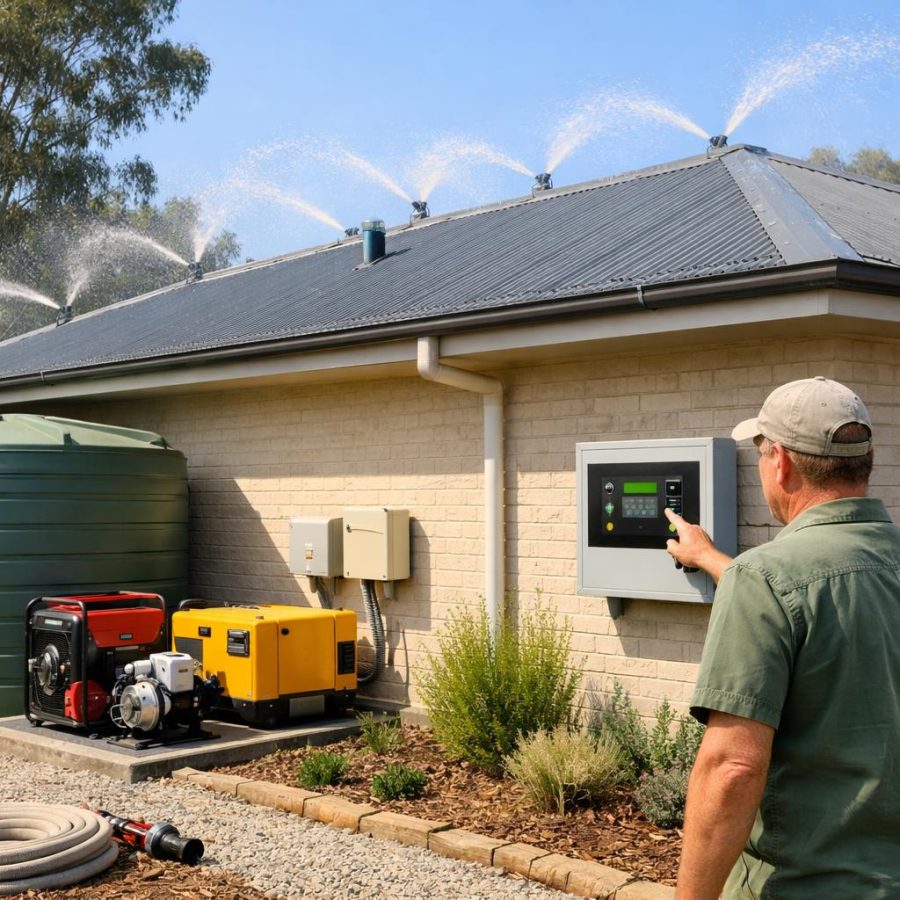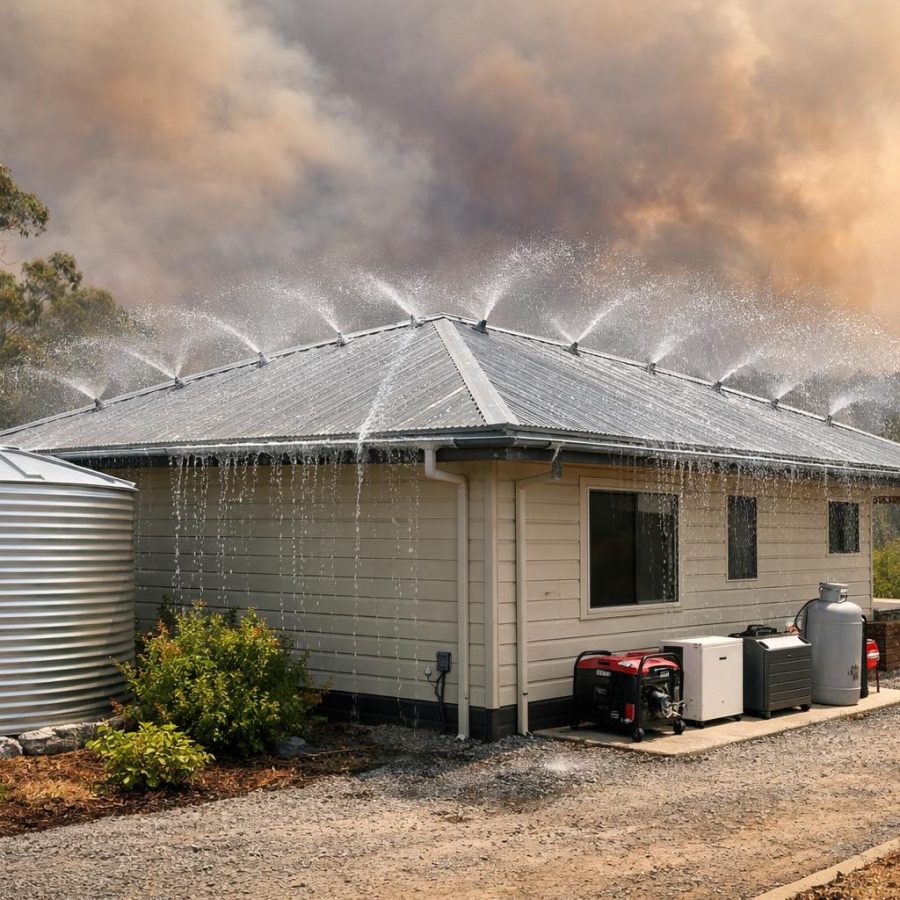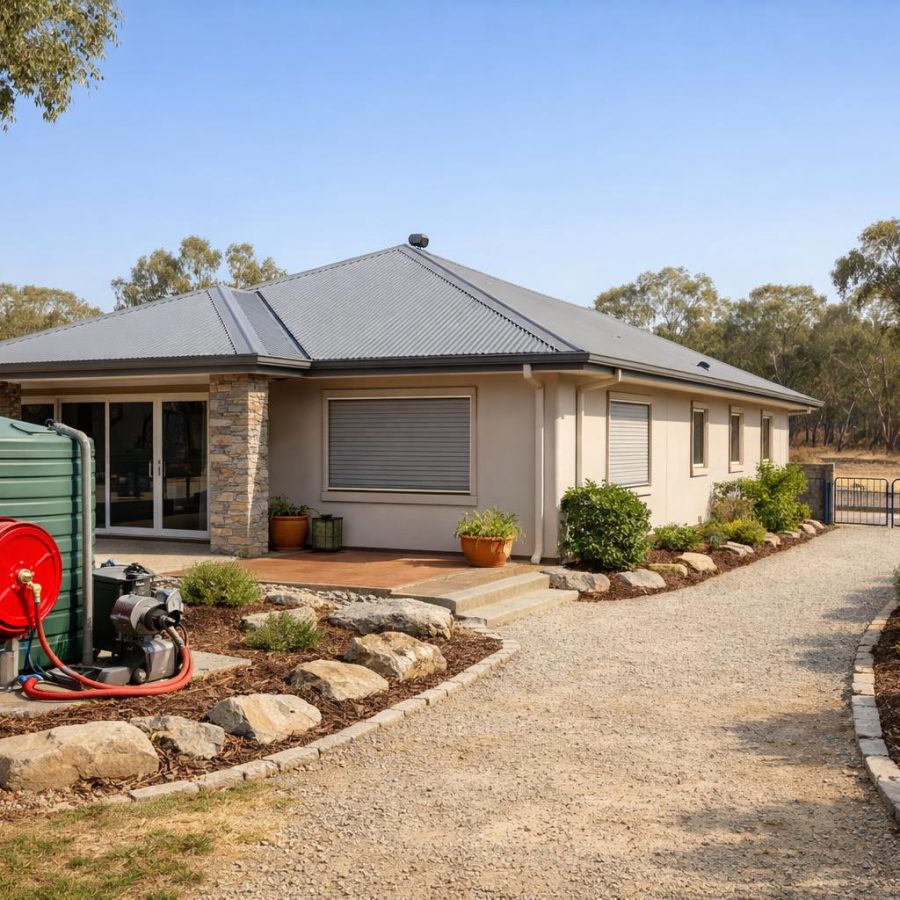
This learning resource explains how authorised investigators investigate a wildfire scene after, and sometimes while, active fire operations are still under way. It focuses on Element 3 of PUAFIR603 Determine origin and cause of wildfire: Conduct scene investigation, with plain language, practical steps and a realistic Australian example.
Introduction and study-support notice
Wildfire scene investigation is a specialist task. It sits within incident management, public safety, evidence recording and careful observation. It is not a job for guesswork. It is also not a task that starts with a fixed answer. The investigator works from facts, scene conditions and approved methods to work out what happened, where the fire developed and what may have caused it.
This article is a study-support resource only. It is designed to help learners understand the knowledge and process behind scene investigation. It does not authorise anyone to enter a fireground, collect evidence or make operational decisions. In an emergency or any immediate life-threatening situation in Australia, call Triple Zero (000).
The focus here is investigate a wildfire scene as part of a structured, safe and evidence-based process. The main idea is simple: keep people safe, preserve important information, and examine the scene methodically before reaching a conclusion.
Learning outcomes
By the end of this topic, a learner should be able to explain how authorised investigators:
- coordinate with the Incident Controller while firefighting continues
- collect and assess incident records, maps, photographs and operational information
- obtain witness information using fair and organised questioning
- survey the scene for hazards and areas of evidential value
- assess how fuel, weather and topography influenced fire spread
- recognise how suppression actions changed the scene
- identify areas of interest and record factors linked to origin, cause and fire development
- examine physical indicators without relying on a single sign
- record wildfire damage to assets and infrastructure
- determine cause using recognised categories and a systematic process
These skills support careful thinking. They also help the investigator separate what is confirmed, what is likely, what is uncertain and what still needs checking.
Coordinate with the Incident Controller
When a wildfire is still active, the investigation does not happen outside incident management. The first step is coordination. The investigator confirms authority, reporting lines and access arrangements with the Incident Controller or the person identified by the agency or organisation.
This is important because active fire-management operations continue while investigators are trying to understand the scene. Crews may still be patrolling hot spots, suppressing flare-ups, moving equipment, checking safety zones or controlling public access. Investigation work must not interfere with those tasks.
The investigator should receive a current safety briefing and an operational update before entering or moving around the scene. This briefing may cover fire behaviour, weather, hazards, access routes, exclusion zones, known changes in the fire edge and any areas that remain too dangerous to enter.
Good coordination also means staying aware of changes. A wind shift, a rekindled hotspot, a falling tree or a change in crew activity can alter what is safe and what is not. If conditions become unsafe, the investigator withdraws. No piece of evidence is worth an injury.
Useful coordination steps include:
- confirming who authorises access
- checking what parts of the scene are open or restricted
- getting the latest briefing before movement
- identifying who to contact if conditions change
- recording operational changes that affect the scene
- avoiding interference with suppression work, public safety work or rescue tasks
Collect incident information, data and records
A wildfire investigation starts long before the investigator puts boots on the ground. The first picture of the event comes from records and data. These sources help build a timeline, show how the fire developed and identify areas that need closer attention.
Relevant information may include emergency calls, dispatch times, first-arriving crew observations, maps, weather observations, fire-spread reports, photographs and video, witness details, aircraft or vehicle movements, suppression tactics and known hazards. Damage to infrastructure may also matter, especially if it helps explain fire spread or possible ignition sources.
The key is to assess information carefully. Not every record is equally reliable. Some records are direct observations. Others are summaries, estimates or second-hand reports. A good investigator separates:
- confirmed facts from records that can be checked
- witness accounts from people who saw, heard or smelled something
- assumptions that still need testing
- interpretations based on fire behaviour and scene indicators
- conclusions that should only come after the evidence supports them
The timeline matters. For example, a dispatch time may show when the fire was reported. A first-arrival report may show where flames or smoke were seen. Weather records may show a wind change that helped the fire run uphill or move through grass faster. None of these pieces should be used alone. They must be compared with the scene.
Photographs, maps and video are especially useful when they show the scene before heavy disturbance by crews, plant, vehicles or weather. Even then, images should be treated as one part of the whole picture.
| Information type | What it can help with | What to watch for |
|---|---|---|
| Emergency calls | Reported location and early observations | May be approximate or incomplete |
| Weather records | Wind, temperature and humidity trends | Local conditions can vary across the scene |
| First crew reports | Initial fire location and spread | Reports may change as the fire develops |
| Photos and video | Scene condition and damage | Angle, timing and disturbance matter |
Obtain witness information
Witness information can be very helpful, but it must be collected in a calm and fair way. Witnesses may include residents, travellers, landholders, workers, firefighters or other authorised personnel. Each person may have seen only one part of the event, so the investigator must avoid treating any single account as the whole truth.
The aim is to record what the witness personally saw, heard or smelled. The investigator should also note where the person was, what time they noticed something, what order events seemed to happen in and what the weather or smoke looked like from their position.
Helpful questions include:
- Where were you when you first noticed the fire or smoke?
- What did you see, hear or smell?
- What time did that happen, or how do you estimate the time?
- Where was the smoke or flame first visible from your position?
- Did you see any people, vehicles or machinery nearby?
- What did you do after you noticed the fire?
The investigator should not pressure witnesses or place words in their mouths. For example, it is not appropriate to suggest a cause and ask the witness to agree. It is better to let the person describe events in their own words, then ask clear follow-up questions.
Witness interviews must follow organisational procedures for privacy, statements and recording. If a witness is tired, upset or confused, the investigator should slow down and record only what can be stated clearly. Time estimates should be treated as estimates, not exact facts, unless confirmed by records.
Survey the scene safely and preserve value
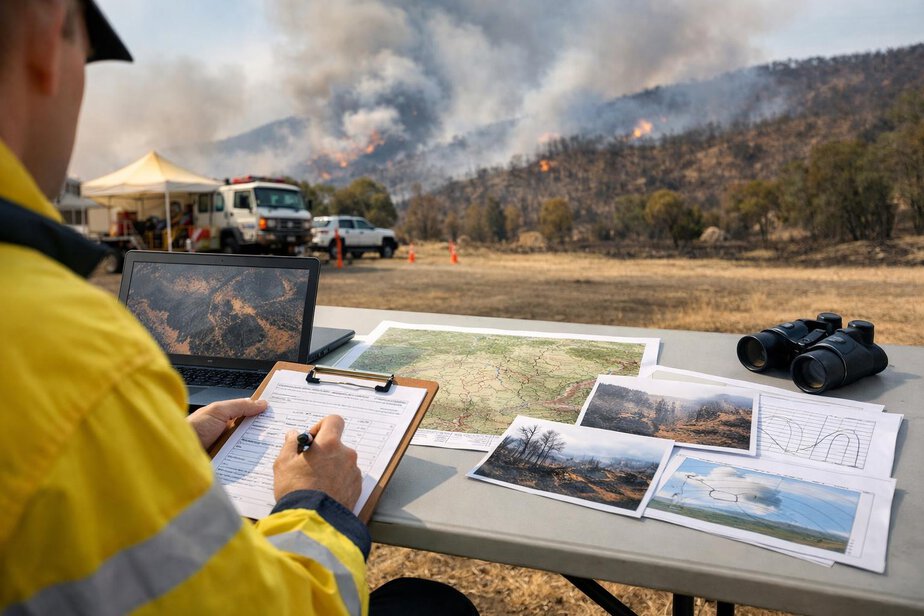
Before detailed examination, the investigator conducts a broad scene survey. This is not a rushed walk-through. It is a planned, safe look at the wider area so the investigator can understand hazards, scene boundaries and fragile evidence areas.
The safety briefing should be reviewed first. Then the investigator confirms scene authority, observes the wider area, identifies hazards, notes existing disturbance, establishes safe access routes and plans a systematic examination.
Possible hazards include active fire, smoke, ash pits, unstable trees, damaged power infrastructure, rough ground, vehicles, machinery, changing weather, falling branches, damaged buildings and fatigue. These hazards can appear small at first but become serious very quickly. Personal safety always comes before evidence recovery.
Preserving areas of evidential value means noticing them early and protecting them from avoidable disturbance. A fragile area may contain light ash, light damage, vehicle tracks, foot traffic marks, broken vegetation or other signs that could be lost if people walk through the wrong place.
Good survey practice includes:
- approaching from a safe route
- noting where crews have already worked
- recording disturbed and undisturbed areas
- marking areas that may need specialist attention
- taking notes before moving objects or stepping closer
- using approved scene records, sketches and photographs
The investigator should always remember that a scene changes with time. Wind, rain, heat, suppression work and curiosity from bystanders can all alter what remains. The earlier observations are recorded, the better.
Assess fuel, weather, topography and firefighting actions
Wildfire behaviour is shaped by the fuel, the weather and the land shape. These factors do not act alone. They work together, and the effect can change across the scene.
Fuel includes grass, scrub, forest litter and other burnable material. The amount of fuel, its dryness and how continuous it is can influence fire spread. Dry, fine grass may carry fire quickly. Dense scrub may create intense burning in pockets. A break in vegetation may slow the fire or change its shape.
Weather includes wind speed and direction, temperature, humidity and recent conditions. Wind can push flames and embers. Hot, dry and windy conditions can make a fire move faster and behave more aggressively. A wind change during the event may alter the direction of spread and create different damage patterns.
Topography means the shape of the land. Slope, gullies, ridges, aspect and barriers all matter. Fire often runs faster uphill. Gullies can channel fire movement. Ridges may expose one side to wind. Barriers such as tracks, roads, bare ground or changes in vegetation can slow the fire or change its spread path.
Firefighting actions also affect the scene. Hose lines, water or foam application, firebreaks, machinery, backburning, vegetation removal, aircraft drops and foot traffic can all disturb the area. Tyre marks, hose marks and moved objects may hide earlier indicators or create new ones.
This is why the investigator must distinguish between:
- fire-created damage
- pre-existing conditions
- suppression disturbance
A hose line crossing an area does not prove where the fire started. A tyre mark does not prove ignition. A damaged fence may have been burned, cut, pushed over or broken earlier. The investigator records known firefighting activity first, then interprets the scene with that disturbance in mind.
Fire behaviour can also change from one fuel type to another. Grass fire behaviour may differ from scrub fire behaviour. A transition in vegetation may show a shift in intensity, direction or spread pattern. That change can help an investigator understand the sequence of the fire, but only when it is compared with the rest of the evidence.
Identify areas of interest and record physical indicators
Once the scene is understood in broad terms, the investigator identifies areas of interest. These are places that may help explain the fire’s origin, cause or development. They are not conclusions. They are places that deserve a closer look.
Areas of interest may include changes in burn intensity, possible direction changes, protected areas, unusual damage, damaged equipment, possible ignition sources, witness locations, suppression disturbance and areas that need specialist examination.
Physical indicators must be recorded carefully and compared with other information. No single indicator proves direction, origin or cause. Instead, indicators are assessed together and tested against witness statements, weather, fuel, topography and known disturbance.
Simple examples of physical indicators include:
- advancing or head fire signs where fire intensity may be greater in the direction of spread
- backing or heel fire signs where lower intensity burning may appear behind the main fire front
- lateral or flanking fire signs where the fire may have moved along the sides
- angle and depth of char on posts, trunks or other materials
- ash deposits that may show sheltering, movement or disturbance
- cupping and curling of leaves or bark after heat exposure
- damage differentials where one side of an object is more protected than another
- die-out patterns where fire weakened in a particular place
- foliage or leaf freeze patterns that may show brief heat exposure
- grass stem indicators that may show direction of heat and flame movement
- protection indicators where an object shielded another area
- sooting and staining on surfaces
- transition zones where the pattern of burning changes
- V-pattern indicators that may suggest fire behaviour in a structure or around an object
It is important not to overstate any one sign. A V-pattern does not automatically prove origin. A line of char does not automatically prove direction. A protected patch does not automatically show a cause. Indicators can be affected by wind, slope, fuel type, suppression actions and pre-existing damage.
The investigator should record observations with photos, sketches, maps and notes. If an area is fragile, the investigator may need to examine it only once, then limit further entry.
Record wildfire damage to assets and infrastructure
Wildfires often damage more than vegetation. The investigator should record damaged or destroyed assets, such as buildings, fences, vehicles, machinery, power infrastructure, communications equipment, agricultural assets, vegetation and public infrastructure.
This record is not only about counting damage. It also helps explain how the fire moved and what it encountered. For example, a damaged fence line may show where the fire crossed a boundary. A melted service component may point to heat exposure. A burned vehicle may be the result of exposure after the fire moved through, or it may need separate examination if it could be relevant to ignition or spread.
The investigator should not assume all damage happened at the same time or from the same cause. A damaged power pole may pre-date the fire. A broken gate may have been opened by firefighters or landholders. A machinery shed may contain burn patterns from inside-out or outside-in exposure, but that must be tested rather than assumed.
Damage records should be clear, factual and supported by scene references. Useful notes include the item, its condition, its position, visible signs of heat or flame exposure and whether it appears to have been disturbed by suppression work.
Determine cause using recognised categories
Cause determination is the final step, not the first. It follows the collection of records, witness information, scene survey, fire behaviour assessment and physical indicator review. The investigator should not decide too early. Early certainty can lead to missed evidence.
Recognised cause categories may include accidental, negligent, deliberate, natural or undetermined. The category must be supported by evidence and the approved investigation method used by the organisation.
| Cause category | Simple meaning | Example of what may need checking |
|---|---|---|
| Accidental | Not intended | Unplanned equipment failure or accidental ignition source |
| Negligent | Carelessness or failure to take proper care | Unsafe burning practices or poor maintenance |
| Deliberate | Intentionally lit | Evidence of purposeful fire setting |
| Natural | Caused by a natural event | Lightning or another natural ignition source |
| Undetermined | Not enough evidence to decide | Scene disturbance or missing information |
Common possible wildfire causes may include campfires, debris burning, electrical equipment, machinery, power lines, rail activity, smoking materials, vehicles, lightning and deliberate fire lighting. However, a nearby item is not proof of cause. The investigator must compare scene indicators, records and witness accounts before choosing a cause category.
If evidence is insufficient, the cause remains undetermined. That is a valid outcome. It is better to report uncertainty honestly than to force a conclusion that the evidence does not support.
Investigators must not identify criminal responsibility. Their task is to determine cause in an evidence-based way, not to accuse. If the matter requires police or another agency, that is handled through the relevant process.
Performance Criterion 3.1 to 3.10 checklist
Use this checklist to review learning against Element 3.
- ☐ 3.1 Coordinate investigation activities with the Incident Controller while active fire-management operations continue.
- ☐ 3.2 Collect and assess fire incident information, data and records.
- ☐ 3.3 Obtain witness information.
- ☐ 3.4 Survey the scene to identify hazards and preserve areas or items of evidential value.
- ☐ 3.5 Identify how fuels, weather and topography affected wildfire development and spread.
- ☐ 3.6 Assess how firefighting actions affected the scene and investigation.
- ☐ 3.7 Review the fire scene to identify areas of interest and record factors relevant to origin, cause and wildfire development.
- ☐ 3.8 Identify, assess and record physical indicators related to the path or development of the fire.
- ☐ 3.9 Identify indicators of wildfire damage or destruction to assets.
- ☐ 3.10 Determine the cause using recognised cause categories and a systematic investigation.
FireRescue Training membership advertisement
Practical scenario: grass and scrub fire near farmland
Imagine a summer wildfire on the edge of farmland beside a rural road in Australia. The fire has burned through dry grass and patches of scrub, with flames pushed by a wind change during the afternoon. Crews are still patrolling hot spots. A few water runs have cooled the edge, but some areas remain warm and smoky.
The investigator arrives after coordination with the Incident Controller. A safety briefing identifies unstable ground, active smoke, nearby machinery, and a section of road that crews are still using. The investigator confirms where entry is allowed and where it is not. The area is still changing, so the first task is to understand what has already been disturbed.
Records show an emergency call, a first crew report, weather observations and several photographs from the early response. One witness says smoke was first seen near the roadside. Another says a farm machine was working nearby earlier in the day. A third witness mentions seeing a vehicle parked briefly but is unsure of the time. These accounts are helpful, but each one has gaps.
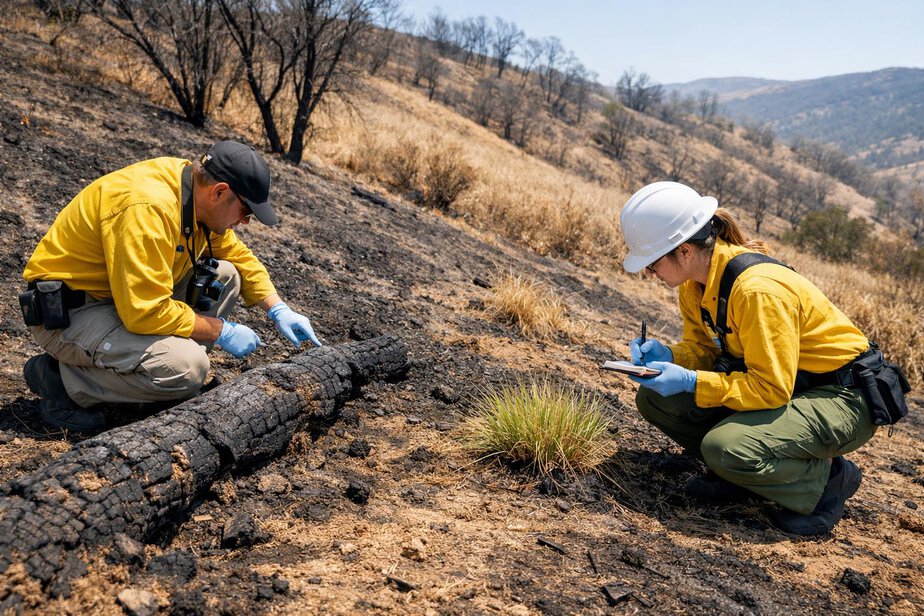
In the field, the investigator sees tyre marks, hose lines and disturbed grass. There is damaged electrical equipment near one side of the scene. A smoking material is found beside the road, but it is too early to say whether it is relevant. On a slope, the burn pattern changes. Some areas are darker and more intense, while others are sheltered by vegetation or the land shape. The wind appears to have driven the fire across the slope in a different way after the change in weather.
The investigator does not choose a cause straight away. Instead, they:
- coordinate with the Incident Controller
- review records and weather information
- obtain witness information carefully
- survey hazards and preserve fragile areas
- record suppression disturbance
- assess fuel, slope and wind
- document physical indicators
- identify areas of interest for closer review
- consider several possible causes
- report findings and uncertainties accurately
The possible causes may include accidental equipment failure, vehicle-related ignition, electrical equipment, smoking materials, debris burning or another source. But at this stage, none of those possibilities should be treated as proven. The investigator needs evidence, not assumptions.
This scenario shows why scene investigation must be systematic. The scene, the records, the witnesses and the fire patterns all need to be compared before a cause category is selected.
Common investigation errors
New learners often make the same mistakes. Knowing them helps prevent poor practice.
- Entering before coordination with incident management.
- Ignoring changing hazards.
- Treating witness estimates as confirmed facts.
- Focusing only on one suspected cause.
- Ignoring firefighting disturbance.
- Looking at one indicator in isolation.
- Failing to record observations before movement.
- Confusing the area of origin with the point of origin.
- Assuming nearby equipment caused the fire.
- Reaching a conclusion before testing alternatives.
These errors can lead to poor conclusions. They can also cause investigators to miss important evidence. The best defence is a steady process: observe, record, compare, test and only then conclude.
Knowledge check: practice only — not a formal assessment
Use the questions below to test your understanding. Each one includes the correct answer and a short explanation.
Question 1
Which action should come first when an investigator arrives at an active wildfire scene?
- A. Start collecting evidence immediately
- B. Coordinate with the Incident Controller and receive a safety briefing
- C. Choose the most likely cause from the visible damage
- D. Move into the burn area to look for ignition sources
Correct answer: B
Explanation: Investigation must be coordinated with incident management, and safety comes first.
Question 2
True or false: A witness estimate of the time they saw smoke should be recorded as exact fact.
Correct answer: False
Explanation: A witness estimate is still an estimate unless another record confirms it.
Question 3
Which land and weather factors can affect wildfire spread?
- A. Fuel, wind, temperature, humidity and slope
- B. Only the colour of the smoke
- C. Only the number of firefighters at the scene
- D. Only the time the report was written
Correct answer: A
Explanation: Fuel, weather and topography all influence fire development and spread.
Question 4
Workplace decision: You see hose lines, tyre marks and a firebreak across part of the scene. What should you do?
Correct answer: Record the suppression activity and consider how it may have altered the scene before drawing conclusions.
Explanation: Firefighting actions can disturb evidence and create patterns that must be separated from fire damage.
Question 5
Which statement best describes physical indicators such as V-patterns or char depth?
- A. One indicator proves origin and cause
- B. Indicators should be read together with records, witnesses and scene conditions
- C. Indicators do not need to be recorded
- D. Indicators always point to a deliberate fire
Correct answer: B
Explanation: No single indicator is enough on its own. The investigator must compare several sources of evidence.
Five key takeaways
- Scene investigation must stay within incident-management arrangements while active operations continue.
- Records, witness accounts and scene observations must be compared, not mixed together as one unsupported story.
- Fuel, weather and topography can change fire spread across the same scene.
- Suppression work can disturb evidence, so investigators must record it carefully.
- Cause should only be selected when the evidence supports it; otherwise, undetermined remains a valid result.
In practice, a good wildfire investigation is careful, safe and methodical. It protects people, respects the scene and builds conclusions from evidence rather than assumption. Before using this material for publication or assessment support, verify facts, organisational requirements and local procedures for your workplace or training context.
FireRescue Training Hub
Access practical fire and emergency study support resources, downloads, checklists, audio guides, and member-only course content.
- Course library
- PDF downloads
- Audio guides
- Checklists
Study support only. Not accredited training or a replacement for workplace procedures.
About the author and safety review
Ken Walker
Former Station Officer and fire service educator
Former career firefighter with extensive career and volunteer fire service experience.
Qualifications: Associate Diploma of Applied Science in Fire Technology; Institute of Fire Engineers studies.
Author profilehttps://www.firerescue.com.au/about-us/