Record and Report Weather Observations
Organisational reporting, field communication and the final capstone challenge.
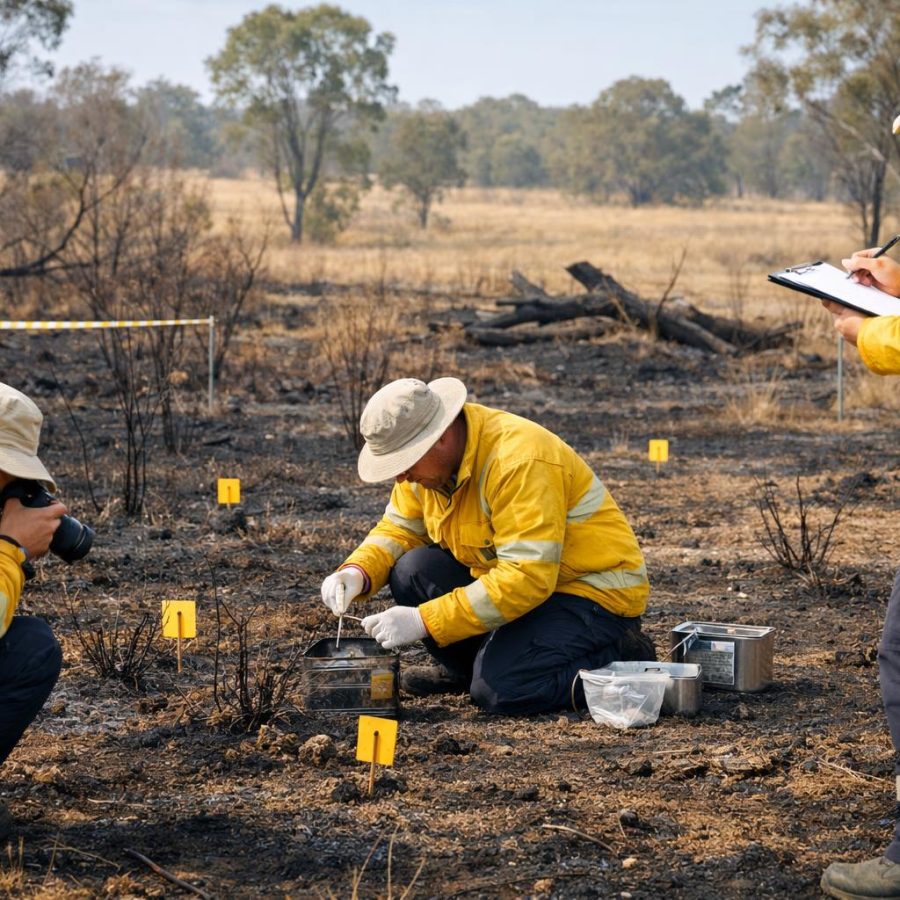
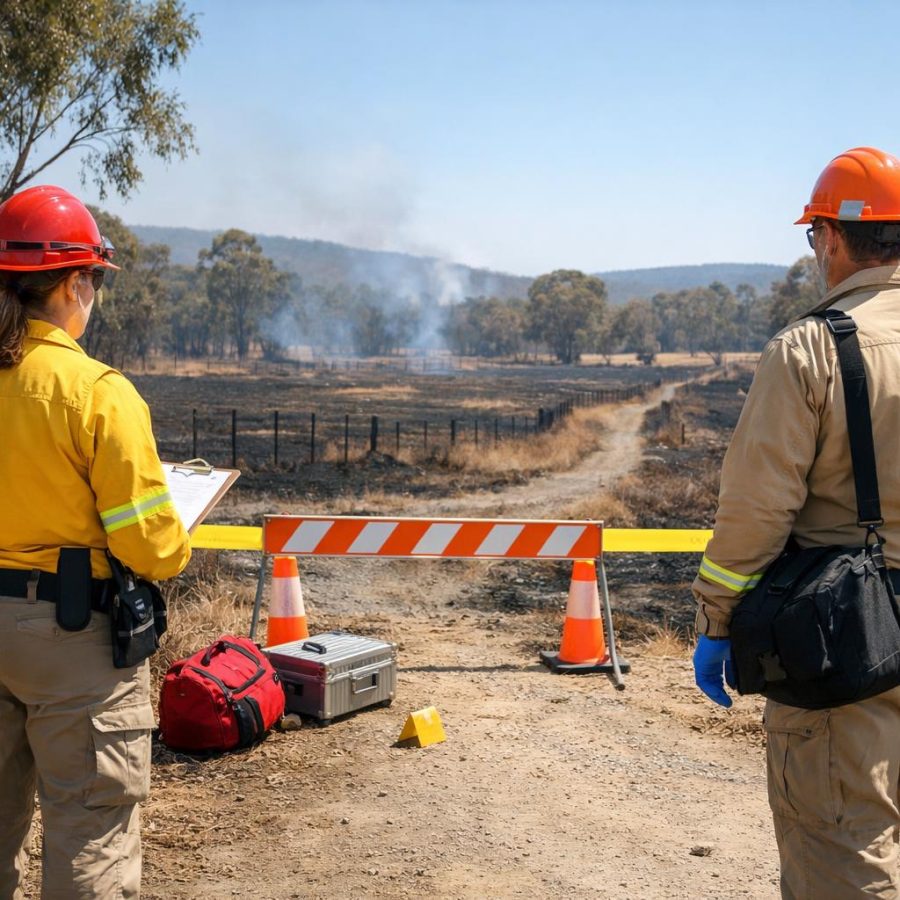
Weather observations gain value when they are recorded clearly and reported through the correct pathway. In Part 4, the focus moves from field interpretation to documentation and communication. We also bring the full course together in one final capstone process. This includes area information, instruments, two observation locations, topographical influences, trends, implications, recording and reporting.
By the end of Part 4, you should be able to:
Document the observation set in line with organisational procedures.
Share weather observations with relevant personnel through the correct pathway.
Keep time, location, observation source and local influences clear.
Apply the full FIELD WEATHER Cycle in one integrated field capstone.
Mark each section as refreshed
Recording and reporting complete the observation task
The official course requires weather observations to be recorded and reported in accordance with organisational procedures.
Field observations are useful only when the information can be understood and used by others. Therefore, recording and reporting are not final extras. They are essential parts of the task.
The observer may take accurate readings and notice meaningful local signs. However, that value can be lost if the details are incomplete, unclear or passed through the wrong pathway. A good observation must remain traceable.
Recording keeps the information stable. Reporting moves that information to the people who may need it. Both steps should follow organisational documentation, policies and procedures.
This course does not ask personnel to invent a reporting system. Instead, it asks them to use the approved system correctly. That means using the correct form, log, communication method or workplace process that applies in their setting.
The final FIELD WEATHER Cycle stage
Part 4 completes the framework with four final actions: time and location, handheld data discipline, escalation and clear reporting.
Time and location stay clear
Every observation should remain linked to when and where it was made.
Handheld observations are documented
Instrument readings should be captured in the approved recording process.
Escalate through the correct pathway
Pass relevant information to the people identified by organisational procedure.
Report clearly
Use concise, accurate wording so the observation can be understood and acted on.
Do not let the detail disappear
Readings, signs, trends and implications should be recorded in a way that keeps their field meaning intact.
Record the full weather observation set
The official performance evidence names the main observations that should be captured during the weather observation process.
The record should include the information required by the organisation and the task. The official course specifically identifies air temperature, cloud amount and type, relative humidity, wind direction, wind speed and gusts, plus the time and location of the observations.
These details create a useful field snapshot. They also allow later comparison. For example, if another observation is taken later or in a different location, the earlier record provides a reference point.
Recording should be neat and disciplined. It should avoid vague words when a clear observation is available. It should also avoid leaving out context. Time and location matter because conditions can change quickly and because local terrain may affect what is observed.
Record the temperature observation in the expected format.
Capture the humidity observation where required.
State the observed wind direction clearly.
Include speed and gust behaviour where the task requires it.
Record the visual cloud observation carefully.
Keep the observation attached to where and when it was taken.
Keep time, location and reliability visible
A weather record is much stronger when the observation remains tied to its original field context.
Time is important because weather conditions may shift. Location is important because terrain, exposure and vegetation may influence the observation. Together, they help relevant personnel understand the value and limits of the information.
A reading without time can become unclear. A reading without location may be hard to compare. A trend without reference points can become difficult to explain. Therefore, field context should not be treated as minor detail.
The course also expects representative observations from two different locations. This means records should make it easy to separate one observation point from another. Each location should remain clear in the documentation.
Reliability improves when observations are consistent. Use the correct field process. Record the details cleanly. Note the observation point. Then report the information in a way that reflects the evidence available.
When?
Record the observation time clearly.
Where?
Identify the location or observation point.
What?
Capture the readings and visible signs.
Why?
Keep the task purpose and implications in mind.
Report observations to relevant personnel
The course requires weather observations to be reported to relevant personnel in accordance with organisational procedures.
Reporting is the point where the field observer’s work becomes part of the wider operational picture. The observer should use the pathway expected by the organisation. That may include an approved verbal report, a written record, a log, a communication channel or another workplace process.
The report should be accurate, concise and connected to the observation record. It should state what was observed, where it was observed and when it was observed. It may also include the basic interpretation or trend identified during the task, if that is part of the reporting expectation.
Clear reporting helps supervisors, team leaders or other relevant personnel understand the local conditions. It also helps ensure that weather information is not trapped with one person in the field.
Good reporting avoids exaggeration. It also avoids uncertainty being hidden. If a change appears possible but not fully clear, the report should reflect that carefully.
Report what was observed, not what was guessed.
Use clear wording that keeps the main information easy to follow.
Include time, location and relevant local influences.
Use the communication or documentation pathway required by the organisation.
The complete weather observation reporting chain
A clear reporting chain keeps field information connected from observation through to communication.
Gather
Take reliable observations using the approved field method.
Assess
Consider signs, trends and possible implications carefully.
Record
Write or enter the details in the required organisational format.
Report
Pass the observation to relevant personnel through the correct pathway.
Good reports start with good observations
Recording and reporting are only as strong as the information gathered and assessed before them.
Final capstone: complete the full field observation task
This integrated refresher brings together the full Take local weather observations (Fire) learning journey.
The final capstone should feel like the full course in motion. It begins before the first reading and finishes only after the information has been recorded and reported correctly.
First, the observer reviews area-specific information and confirms the task. Next, suitable weather instruments are identified. Then observations are taken in two representative field locations. The observer also considers topographical influences such as altitude, slope, aspect and vegetation.
After that, the observer compares readings and visible weather signs. They identify whether conditions appear to be improving, deteriorating, stable or changing. They assess possible short- and longer-term implications without drifting into unsupported forecasting.
Finally, the observer records the required weather information. They include time and location. They preserve the difference between the two observation points. Then they report the observations to relevant personnel through the organisation’s approved pathway.
Review area information
Understand the specified area and the observation task.
Select instruments
Identify the weather instruments needed for the work.
Observe Location A
Take readings and visual observations at the first point.
Observe Location B
Repeat the process at a second representative location.
Consider topography
Think about altitude, slope, aspect and vegetation.
Assess signs and trends
Compare readings, weather signs and likely changes.
Record clearly
Document readings, signs, time, location and implications.
Report correctly
Share the observation through organisational procedures.
Final refresher checklist for Take local weather observations (Fire)
Use this checklist to review the complete course sequence from preparation through to reporting.
Course completion checklist
Interactive final capstone scenario
Choose the strongest complete course response.
A field observer has reviewed area information, used a handheld instrument, taken readings in two different locations and noted topographical influences. They have also identified a developing trend and considered likely implications. What should happen next?
Part 4 knowledge check
Answer each question, then check your result.
60-second final refresher drill
Use this final drill to recall the full reporting and capstone sequence.
Can you complete the final field chain?
- Name the final four FIELD WEATHER letters used in Part 4.
- List three readings that should be recorded.
- Explain why time and location matter.
- State who observations should be reported to.
- Describe the full capstone sequence in one clear sentence.
Observe, interpret, record and report
The Take local weather observations (Fire) series finishes with the full operational chain. Personnel prepare correctly, gather reliable readings, assess weather signs, identify trends, consider implications, record observations and report them through the proper pathway. The strength of the process comes from discipline, clarity and staying within the evidence.
Useful reporting depends on accurate observations and clear context.
Use the FIELD WEATHER Cycle as a practical refresher from start to finish.
You have now reached the final stage of the four-part learning journey.
FireRescue Training Hub
Access practical fire and emergency study support resources, downloads, checklists, audio guides, and member-only course content.
- Course library
- PDF downloads
- Audio guides
- Checklists
Study support only. Not accredited training or a replacement for workplace procedures.
About the author and safety review
Ken Walker
Former Station Officer and fire service educator
Former career firefighter with extensive career and volunteer fire service experience.
Qualifications: Associate Diploma of Applied Science in Fire Technology; Institute of Fire Engineers studies.
Author profilehttps://www.firerescue.com.au/about-us/