Cooling Solutions
Cooling a house without aircon is both practical and achievable by using smart, low-energy strategies that suit Australia’s climate. This guide offers clear, calm advice on how to keep your home comfortable while reducing electricity costs and environmental impact.
By understanding the basics of heat movement, airflow, and shading, you can create a cooler living environment that requires minimal mechanical intervention. These methods are especially valuable when power outages occur or air conditioning is not an option.
Understanding Heat and Cooling Without Air Conditioning
Cooling a house without aircon involves working with natural elements rather than relying on powered devices. Heat enters a home primarily through sunlight, warm air infiltration, and internal sources such as cooking or appliances. The goal is to minimise heat gain and enhance heat loss through ventilation and shading.
In Australia’s diverse climate zones, the approach to cooling without aircon may vary. Coastal homes benefit from sea breezes, while inland dwellings need careful shading and airflow management to combat extreme heat.
Passive Cooling Principles
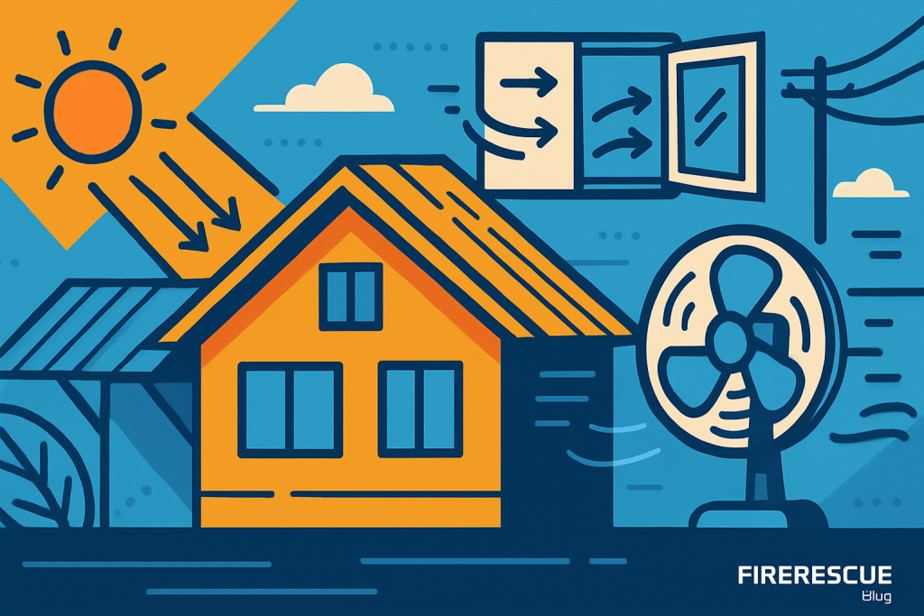
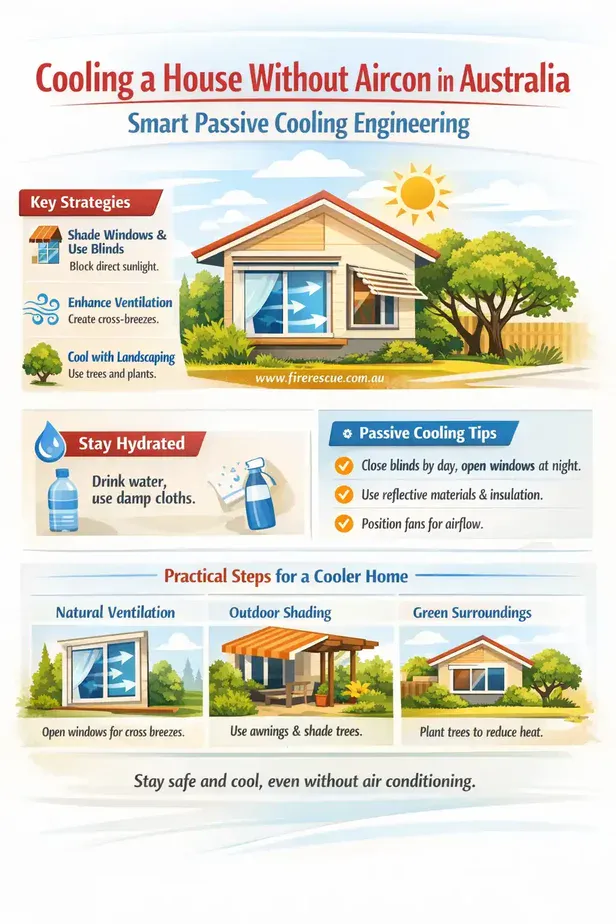
Passive cooling means designing or adapting your home so it naturally stays cooler. This includes shading windows from direct sun, using materials that reflect heat, and promoting airflow to carry heat away. Simple actions like closing blinds during the day and opening windows at night can make a significant difference.
Homes built with good insulation and thermal mass—materials that absorb and slowly release heat—also stay cooler during the day and warmer at night, reducing temperature swings.
Practical Cooling Steps You Can Take Today
Window Management and Shading
One of the most effective ways to reduce heat indoors is to control sunlight. Using curtains, blinds, or external shading devices like awnings or pergolas blocks intense solar rays. Reflective window films can also reduce heat gain without blocking light.
Australia’s sun can be harsh, so keeping windows covered during peak daylight hours prevents rooms from becoming heat traps. Opening windows during cooler periods, especially in the evening and early morning, encourages fresh air circulation that naturally cools your home.
Maximising Natural Ventilation
Cross ventilation is a powerful cooling technique. By opening windows or vents on opposite sides of your home, you create a breeze that flushes out warm air. Ceiling fans or standalone fans can enhance airflow and make the air feel cooler on your skin, even though they don’t reduce temperature.
Positioning fans near windows to push hot air out or pull cooler air in can be especially helpful during evening hours. Avoid creating stagnant air zones by ensuring multiple ventilation points.
Landscaping and External Environment
Plants and trees provide natural shade and evaporative cooling around your home. Deciduous trees planted on the western or northern side block summer sun but allow winter warmth through when leaves fall. Vines on trellises can shade walls and windows, reducing heat absorption.
Maintaining green lawns or garden beds around your home can lower surrounding temperatures compared to hard surfaces that absorb and radiate heat. Avoid hard paving near living areas if possible.
Cooling Your Home the Aussie Way
Learn smart, low-energy ways to keep your home cooler with practical advice on shading, airflow, ventilation and everyday heat management for Australian conditions.
- Simple passive cooling ideas
- Easy steps for homes and rentals
- Helpful during hot days and outages
Heat illness can become serious fast. In an emergency, call 000.
Additional Tips and Safety Considerations
Hydration and Personal Cooling
Staying hydrated is essential during hot weather, especially when relying on non-mechanical cooling methods. Using damp cloths, cold water sprays, or even sitting near a bowl of ice water can help reduce body temperature.
Clothing choice also matters; lightweight, loose-fitting, and breathable fabrics keep you cooler indoors.
When to Seek Emergency Help
Extreme heat can cause heat exhaustion or heatstroke, which are medical emergencies. If someone feels dizzy, weak, has a headache, or is confused, call triple zero (000) immediately for ambulance assistance.
Fire and Rescue services in Australia primarily respond to fires, rescues, and hazardous incidents but can provide advice on safe cooling and emergency preparedness. The Police focus on law enforcement and public safety, while the State Emergency Service (SES) assists with severe weather events and flooding. If your cooling challenges are due to power outages after storms, contacting the SES or your local energy provider is advisable.
Background and Context
Australia’s climate presents unique challenges for home cooling. Many regions experience prolonged heatwaves with limited overnight relief. While air conditioning is a popular solution, it contributes to high energy consumption and can strain the electricity grid during peak demand.
In recent years, rising energy costs and environmental concerns have encouraged homeowners to explore alternative approaches to maintain comfort. Traditional indigenous knowledge and architectural design principles remind us that building with the climate—not against it—is key to sustainable living.
Practical Implications for Australian Households
Implementing cooling strategies without aircon can reduce household energy bills and lower carbon footprints. These measures often require an upfront investment of time or minor home modifications but offer long-term benefits. Simple behavioural changes such as managing window coverings and utilising natural ventilation can be adopted immediately.
For those living in rental properties, portable fans and window coverings are accessible options that do not require structural changes. Homeowners can consider landscaping improvements and shading installations as part of ongoing home maintenance or upgrades.
Understanding when to call emergency services during heat events is critical to safety. Heat-related illnesses can escalate quickly, so knowing to contact 000 and which service to expect helps ensure prompt and appropriate response.
By combining these practical cooling methods with sensible safety awareness, Australians can effectively beat the heat without relying solely on air conditioning.
Innovative Cooling Techniques Beyond Traditional Methods
Beyond the classic approaches, modern homeowners are exploring innovative ways to cool homes without air conditioning. Techniques such as installing green roofs—roofs covered with vegetation—help insulate buildings and reduce heat absorption. These roofs also contribute to urban cooling by mitigating the heat island effect common in cities.
Another emerging strategy is the use of evaporative cooling systems, which are particularly effective in dry inland areas. These systems work by evaporating water into the air, lowering temperatures naturally with minimal energy use. Portable evaporative coolers can be a cost-effective alternative to conventional aircon units.
Smart home technology can also assist in cooling without air conditioning. Automated window openers and sensor-driven shading devices adjust based on temperature and sunlight, optimising natural ventilation and shading without manual intervention. While these require some investment, they can improve comfort and reduce reliance on mechanical cooling.
Architectural Design Considerations for Long-Term Cooling
For new builds or major renovations, architectural design plays a critical role in passive cooling. Designing homes with wide eaves and verandas provides shade to windows and walls, preventing direct sun from heating the interior. Orientation of the building to capture prevailing breezes enhances natural airflow.
High ceilings allow hot air to rise above the living space, keeping occupants cooler. Incorporating clerestory windows or vents near the roofline enables hot air to escape, promoting effective stack ventilation. Using light-coloured roofing and exterior paint reflects more sunlight, reducing heat absorption.
Incorporating thermal mass through materials like concrete, stone, or rammed earth can stabilise indoor temperatures by absorbing heat during the day and releasing it at night when temperatures drop. This reduces the need for active cooling and creates a more comfortable environment.
Community and Lifestyle Adaptations to Heat
Beyond the physical environment, adapting daily routines can significantly improve comfort during hot periods. Australians can shift activities to cooler parts of the day, such as early mornings or late evenings, to avoid peak heat. Meals can be prepared in ways that generate less indoor heat, like using a microwave or eating cold dishes.
Socially, community cooling centres and public spaces with shade and water features provide relief during heatwaves for those without adequate home cooling. Local councils often promote awareness and support for vulnerable populations during extreme heat events.
Encouraging community planting initiatives and green urban design contributes to a cooler local environment, benefiting all residents and reducing the overall urban temperature burden.
Summary: Embracing Sustainable and Practical Cooling
Cooling a house without aircon in Australia is achievable through a combination of passive design, smart behavioural changes, and thoughtful landscaping. While mechanical cooling offers convenience, these alternatives provide resilience, cost savings, and environmental benefits.
By understanding how heat moves and adopting strategies that work with the climate, homeowners and renters alike can maintain comfort safely and sustainably. In times of extreme heat or power disruption, these methods become essential tools for wellbeing.
Ultimately, embracing a holistic approach to cooling supports not only individual households but also broader community and environmental health, aligning with Australia’s growing focus on sustainability and climate resilience.
FireRescue Training Hub
Access practical fire and emergency study support resources, downloads, checklists, audio guides, and member-only course content.
- Course library
- PDF downloads
- Audio guides
- Checklists
Study support only. Not accredited training or a replacement for workplace procedures.
About the author and safety review
Ken Walker
Former Station Officer and fire service educator
Former career firefighter with extensive career and volunteer fire service experience.
Qualifications: Associate Diploma of Applied Science in Fire Technology; Institute of Fire Engineers studies.
Author profilehttps://www.firerescue.com.au/about-us/