SAFETY GUIDE
Power outages during heatwaves can quickly turn dangerous, especially in Australian <a href="https://www.firerescue.com.au/how-to-prepare-and-respond-effectively-to-emergencies-in-australia-a-practical-guide-for-everyone/”>homes and communities. Having a clear, practical power outage in heatwave plan helps protect your family’s health and comfort.
This guide offers simple steps, common pitfalls to avoid, and expert advice tailored for Australian conditions to keep you safe and prepared.
Understanding The Risks Of Power Outages In Heatwaves
Australia’s summer heat can be intense, and without electricity, homes quickly become unsafe. Power outages cut off air conditioning, ventilation, refrigeration, and access to communication devices. For vulnerable groups such as the elderly, young children, and people with health conditions, this can be life-threatening. Heat exhaustion and heatstroke become serious risks when the temperature rises indoors above safe levels.
Electricity disruptions often happen during peak heat, when demand on the grid is high or infrastructure fails. Planning ahead is essential to avoid panic and dangerous situations during these events.
It is important to recognise that heatwaves are becoming more frequent and severe due to climate change, which increases the likelihood of power outages coinciding with extreme temperatures. This makes having a robust plan not only necessary but urgent for all Australian households. Understanding local infrastructure vulnerabilities, such as areas prone to load shedding or bushfire risks affecting power lines, can help you anticipate when outages might occur.

Downloadable A4 Checklist
Power Outage in Heatwave – Checklist
Print this and keep it somewhere visible. Tick items as you go — it helps under pressure.
Building Your Power Outage In Heatwave Plan
Start With Simple Preparations
Begin by identifying your household’s needs during a heatwave without power. Consider who lives with you and their health requirements. Collect supplies that do not depend on electricity, such as bottled water, non-perishable food, battery-powered fans, and cool packs. Keep an emergency kit ready and accessible.
In addition to basic supplies, it is wise to prepare for extended outages by storing extra water and food. Consider investing in a portable power bank to recharge essential devices and a solar charger for sustainable energy. If you rely on medical equipment that requires power, consult with your healthcare provider about backup options and notify your electricity provider about your needs.
Review Your Cooling Options
Without air conditioning, find alternative ways to cool your home. Use curtains or blinds to block direct sunlight and open windows during cooler parts of the day or night to create airflow. Battery-powered or rechargeable fans can help circulate air. Consider visiting public cooling centres if advised by local authorities.
Beyond basic measures, you might explore evaporative cooling techniques, such as placing a damp cloth in front of fans or setting up indoor plants that can help lower room temperatures. Insulating your home with reflective window films or using thermal curtains can also reduce heat gain. If you have access to a pool or a shaded outdoor area, spending time there during peak heat can offer relief.
Stay Informed And Connected
Keep a battery-powered or hand-crank radio to receive updates from official sources. Charge your mobile devices fully before a heatwave and limit use during outages to conserve battery. Have a list of emergency contacts written down in case phones fail. Follow all local warnings and advice from energy providers and emergency services.
In addition to traditional radios, consider subscribing to SMS alert services or smartphone apps that provide emergency notifications. Establish a communication plan with family and neighbours to check on each other regularly. Knowing the location of nearby cooling centres, medical facilities, and emergency shelters before an outage helps reduce stress when events unfold.
Common Mistakes To Avoid During A Heatwave Power Outage
Many people underestimate how quickly heat can build indoors without power. Leaving windows sealed tightly during the day traps heat and raises risks of heat-related illness. Using candles or unsafe heating methods can cause fires or carbon monoxide poisoning. Running generators or petrol appliances indoors is dangerous and must be avoided.
Ignoring symptoms of heat exhaustion or delaying seeking help can lead to serious health emergencies. Never rely solely on devices that require electricity without back-up plans.
Another common mistake is neglecting to prepare your home’s refrigeration system before an outage. Leaving fridge or freezer doors open can cause food spoilage and increase the risk of foodborne illness. Ensure you have coolers and ice packs available to keep perishable items safe if the outage is prolonged. Also, avoid overexerting yourself outdoors during peak heat hours, which can exacerbate dehydration and heat stress.

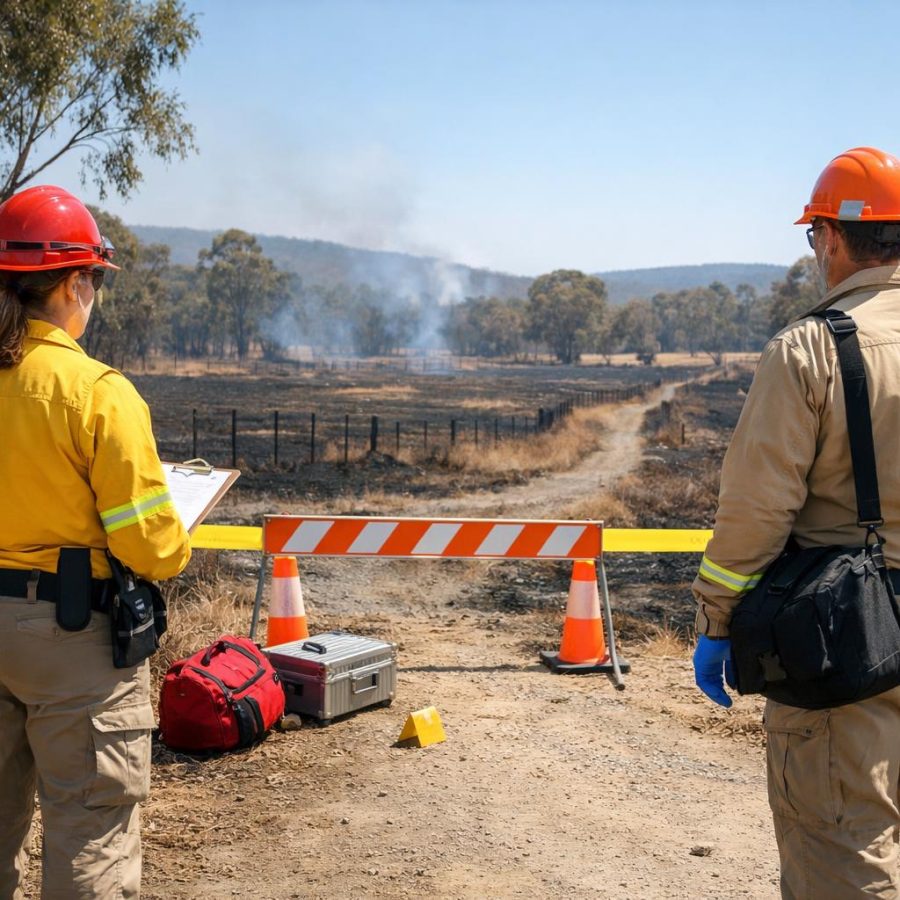
Photo by ArtisticOperations via Pixabay
If You Only Do Five Things To Prepare
First, gather enough drinking water for everyone for at least three days. Staying hydrated is critical during heat.
Second, create or update an emergency kit containing batteries, a torch, first aid supplies, and a battery radio. This kit will keep you informed and safe if power fails.
Third, identify the coolest rooms in your home and prepare them for daytime refuge by blocking heat from windows and having fans ready.
Fourth, check in regularly with vulnerable family members or neighbours to ensure they are coping and have plans in place.
Finally, follow all official advice throughout the heatwave and power outage. Acts like evacuating to a cooling centre or adjusting daily routines can save lives.
Practical Actions During A Power Outage In Heatwave
Once the power goes out, immediately switch off electrical appliances to prevent damage when power returns. Use battery-powered lights or torches instead of candles. Close curtains and blinds to keep heat out. Drink water regularly and avoid strenuous activity. If you have a generator, use it outdoors and away from windows to avoid poisoning risks.
Take cool sponge baths or use damp cloths on your skin to help lower body temperature. Wear loose, light-coloured clothing and stay in shaded areas as much as possible. Stay calm and check on others in your household, especially children and elderly family members.
If someone shows signs of heat exhaustion such as dizziness, headache, rapid pulse, or nausea, move them to a cooler place and seek medical assistance quickly. Never hesitate to call emergency services if conditions worsen.
During an outage, it is also helpful to create cross-ventilation by opening windows on opposite sides of the home during cooler times, such as early morning or late evening, to flush out hot air. Avoid using ovens or stovetops, which can increase indoor heat. If you have pets, ensure they also have access to cool areas and plenty of water. Prepare simple, no-cook meals to reduce heat generation indoors.
After The Power Returns
When electricity is restored, turn appliances on gradually to avoid overloading circuits. Check the condition of refrigerated and frozen food carefully before consuming. Clean or replace air filters in cooling systems to maintain good air quality. Continue monitoring local news for updates and be prepared for possible outages if the heatwave continues.
Use this experience to review and improve your power outage in heatwave plan. Make notes about what worked and what did not, then update your emergency supplies and procedures accordingly. Sharing your experiences with neighbours and community groups can help others prepare better for future heatwaves and outages.
In the long term, consider investing in sustainable energy solutions like solar panels and home battery systems, which can provide backup power during outages and reduce reliance on the grid. Staying informed about government programs and rebates that support energy resilience can help make these options more accessible.
FireRescue Training Hub
Access practical fire and emergency study support resources, downloads, checklists, audio guides, and member-only course content.
- Course library
- PDF downloads
- Audio guides
- Checklists
Study support only. Not accredited training or a replacement for workplace procedures.
About the author and safety review
Ken Walker
Former Station Officer and fire service educator
Former career firefighter with extensive career and volunteer fire service experience.
Qualifications: Associate Diploma of Applied Science in Fire Technology; Institute of Fire Engineers studies.
Author profilehttps://www.firerescue.com.au/about-us/