A hot, windy day. Dry grass humming. You glance at the sky and wonder, “If a fire starts this afternoon, what’s my plan?” Families feel it. Crews feel it too. In recent years, longer heatwaves, earlier fire seasons, and rapid changes in weather have made days like this more common. That doesn’t mean panic—it means preparation. Understanding how climate change is affecting bushfire behaviour helps you choose safer timings, kit, and actions.
This guide breaks it down for everyone—households, renters, property owners, travellers, and the frontline. We’ll cover how a warming climate influences fuel, wind, and fire spread; what you can do now at home and on the fireground; and how to recover well. You’ll also find packing guides, leadership tips for crews, and common mistakes to avoid.
If you’re updating your emergency kit, consider a tough, value‑for‑money starting point for tools and essentials:
Browse gear options that suit emergency prep.
Choose sturdy items, label them, and keep your kit by the door.
For facts and warnings as conditions change, use trusted sources like the
Bureau of Meteorology warnings
and climate insights from
Climate Change in Australia (CSIRO & BoM).
Let’s turn worry into actions that actually make a difference.
How Climate Change Is Fueling Bushfires—In Plain English
Warmer average temperatures and more frequent hot days dry out vegetation faster. When fuel is drier, fires start more easily and spread quickly. Heatwaves also hang around longer, so windows for safer backburning, hazard reduction, or travel shrink.
Changing rainfall patterns can mean longer dry spells, then heavy downpours that cause rapid regrowth. Months later, that fresh growth becomes new fuel. Add strong, shifting winds and low humidity and you’ve got the recipe for fast‑moving fire runs that challenge both families and crews.
None of this is about fear—it’s about timing and habit. The earlier you prepare, the more options you keep. The same goes for crews: arrive ready, stay hydrated, rotate tasks, and plan exit routes before the weather turns.
Quick references: Check
current weather and fire weather warnings,
read national climate projections at
Climate Change in Australia,
and review smoke health advice from
health.gov.au.
How to Prepare (At Home and On the Fireground)
At Home: Make Your Place Less Flammable
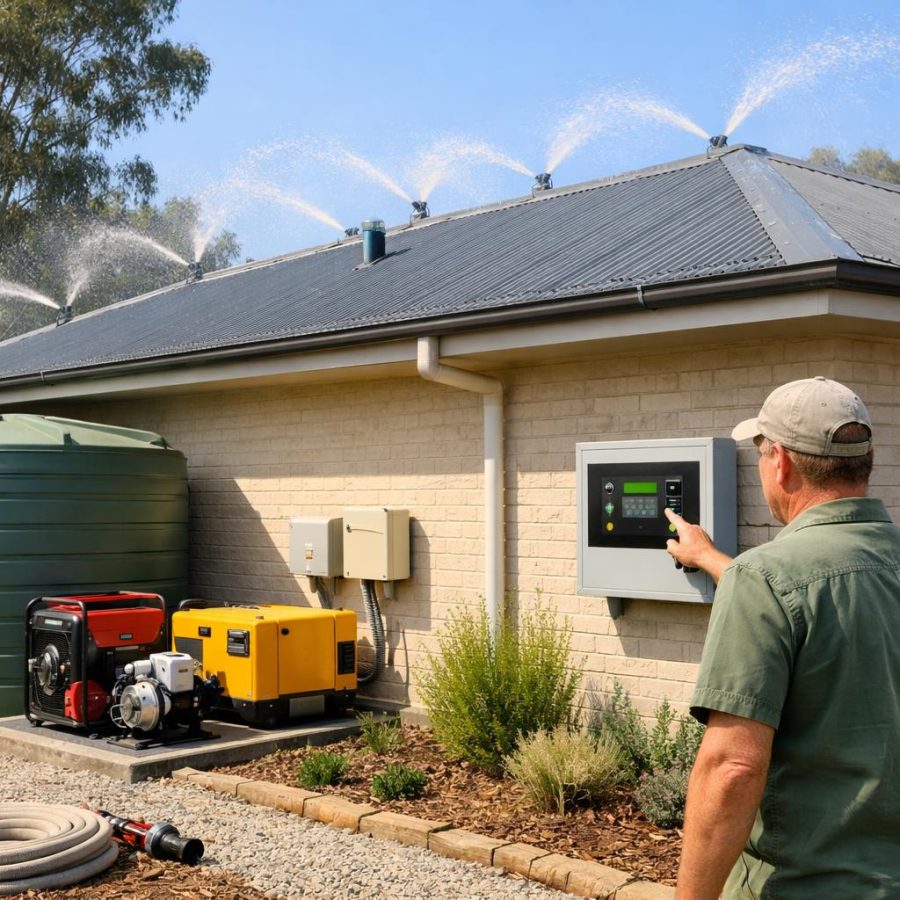
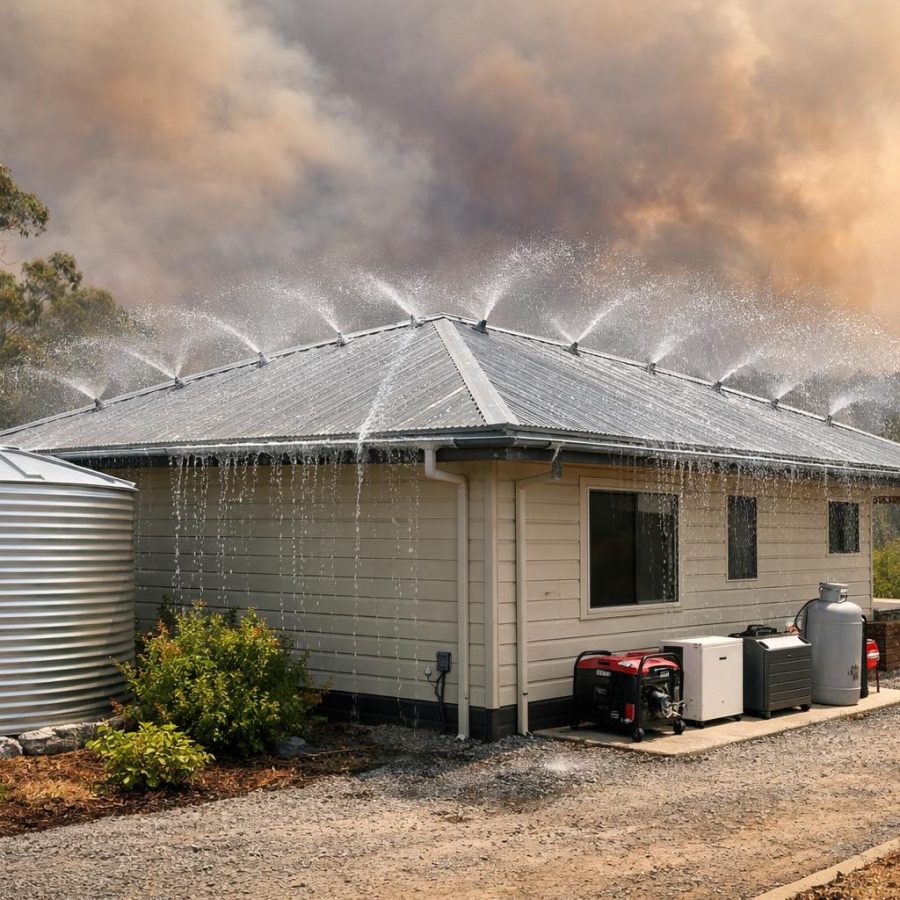
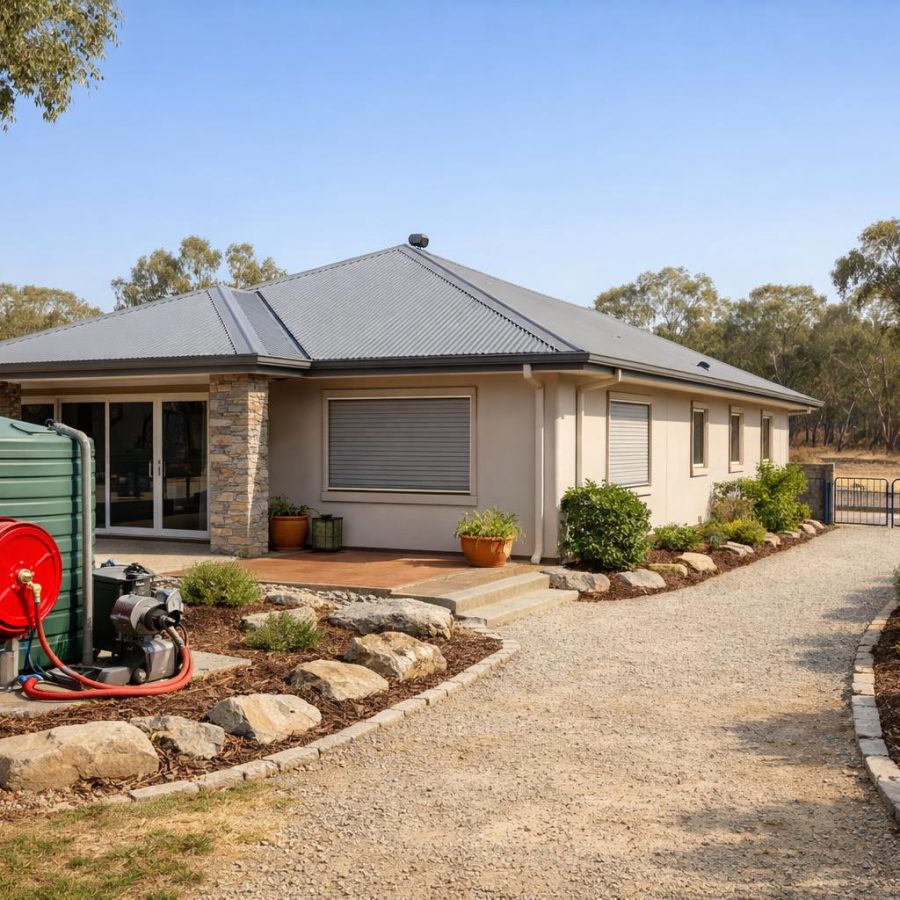
Think layers. Your goal is to slow ember attack and make your home easier to defend. Even if you plan to leave early, a tidy property helps everyone.
- Clear leaves from gutters and roofs every couple of weeks in fire season.
- Trim grasses around the house, sheds, and fences to reduce flame height.
- Screen gaps (e.g., under-deck, vents) with fine metal mesh to block embers.
- Store firewood, gas bottles, and fuel away from the home with clear space around them.
- Keep hoses long enough to reach around structures; test taps and fittings.
- Prepare a “grab and go” kit with water, PPE-style clothing (cotton/wool), and key documents.
If you rent, you can still act: keep balconies clear, talk to your agent/landlord about screens and garden maintenance, and set your own evacuation plan.
For Families: Agree on Early Triggers
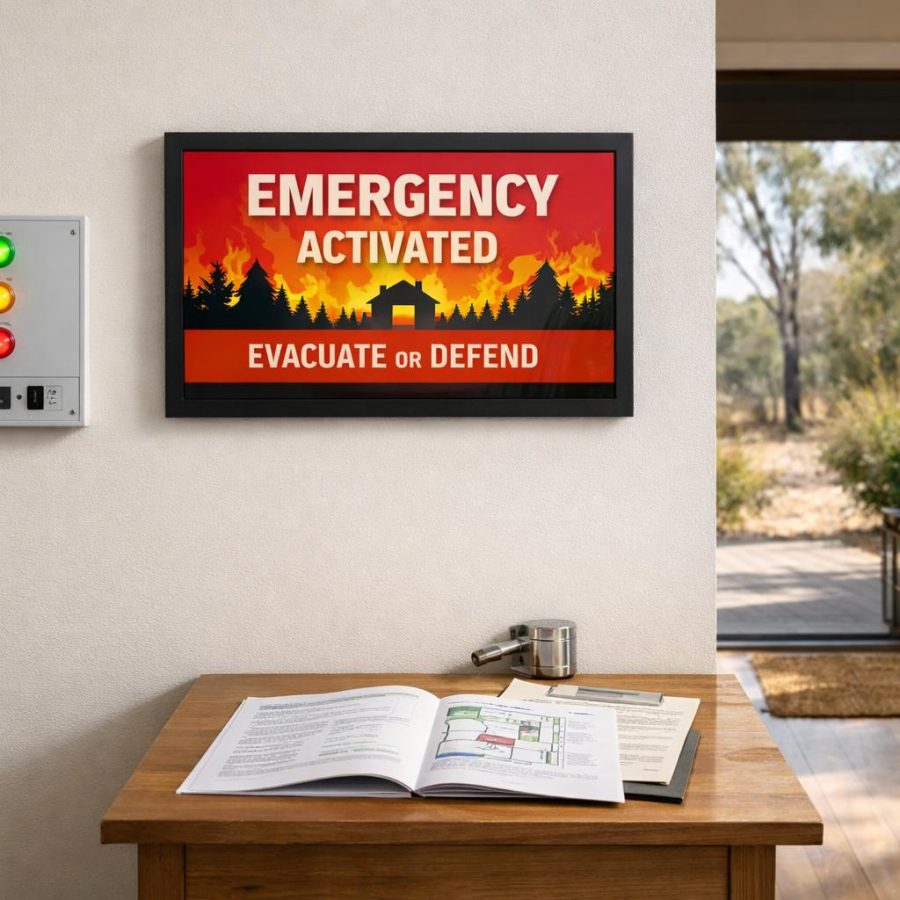
Decide now what “leave early” means—before watch-and-act alerts. Set clear triggers like “if the fire weather warning hits extreme” or “if we see smoke within 5 km.” Write it down and put it on the fridge. Practise with kids and pets so it’s routine, not drama.
- Nominate two routes out and a safe place to meet.
- Keep car fuel above half and a spare power bank charged.
- Have a neighbour check-in plan if someone is at work or school.
On the Fireground: Arrive Ready
Hotter, drier, windier days sap strength fast. Crews that manage heat early work safer and longer. That starts in the station yard.
- Hydrate before turnout; load extra water and electrolytes per crew member.
- Pre‑assign rest cycles (e.g., 15 on / 5 off for mop‑up; more for direct attack).
- Stage spare PPE, gloves, and socks—dry kit keeps morale up.
- Use a simple comms plan (primary + fallback channel) and check handhelds.
- Confirm LACES: Lookouts, Awareness, Communications, Escape routes, Safety zones.
Tip: Plan a “cool change” strategy—wind shifts can turn flanks into headfire. Map likely changes using
BoM forecasts and warnings before you deploy.
Responding on the Day
If You’re at Home or Travelling
Check official warnings first. Park cars nose‑out, wear long sleeves and pants (cotton/wool), sturdy boots, and eye protection. Fill sinks and tubs as a water backup. Block downpipes and plug overflows if you’re staying to defend and it’s safe to do so—but if your plan is to leave early, go now.
- Shut doors and windows; move furniture away from glass.
- Turn off evaporative coolers if embers are around; switch to recirculate if possible.
- Keep pets leashed or crated; attach ID and carry carriers in the car.
- Avoid smoke—use recirculate in vehicles and keep medication handy.
On the road, avoid driving through heavy smoke. If trapped, find a safer area (clearing, gravel pit, carpark), park facing away from fire, low in the vehicle, and cover skin. It’s a last resort—leaving early beats last‑minute decisions every time.
For Crews and Crew Leaders
Assign one person to track weather and comms. Confirm trigger points for withdrawal and a safe fallback (black edge, wide track, or paddock). Reinforce “no lone work” and keep the map updated with sector boundaries and hazards (tanks, culverts, fence lines).
- Rotate jobs: nozzle, rake/hoe, patrol, and rehab to spread the heat load.
- Use short, plain‑language radio calls; repeat key info and acknowledge.
- Watch for fatigue signs: short temper, clumsy footing, tunnel vision.
- Test pumps, maintain water discipline, and keep a spare line charged when feasible.
Heads‑up: Sudden wind changes are more common on hot, unstable days. Build “what if” into your plan—if the wind turns 90°, who calls it and where do you go?
Recovery: Health, Insurance, and Getting Back on Your Feet
The first days after a fire are busy and emotional. Start with safety checks: hot spots, trees, gas bottles, and power. Photograph damage before moving items. Keep a simple log—dates, calls, receipts—so insurance conversations are easier.
Smoke can linger. Keep masks handy if cleaning ash and ventilate when outdoor air improves. For official health guidance about smoke exposure and returning home, see
health.gov.au bushfire smoke advice.
- Photograph every room and structure before clean‑up.
- List essential repairs; separate urgent (safety) and routine (cosmetic).
- Record calls and keep all receipts; note policy numbers in your phone.
- Reach out to neighbours—sharing gear and time speeds up recovery.
Planning for a Hotter, Drier Future
Climate signals point to more frequent periods of high fire danger. Planning is your advantage. Build a simple, repeatable process that you review at the start of each season.
For Households
- Choose your “leave early” trigger and write it down.
- Update your emergency contacts and meeting points every spring.
- Set quarterly reminders to clear gutters, trim grass, and check hoses.
- Print a property map marking water points, gates, and exits.
For Crew Leaders
- Run a preseason gear audit: pumps, lines, couplings, comms, lighting.
- Schedule scenario drills for wind change, spot fires, and entrapment.
- Build a roster that protects recovery time during heatwaves.
- Adopt a short debrief template—what worked, what we’ll change.
Keep weather on your side. Bookmark
BoM warnings
and your regional forecast pages; check them before travel or deployment.
Packing Guides You Can Use Today
Grab‑and‑Go Kit (Families, Renters, Travellers)
- Pack ID copies, meds, prescriptions, glasses, and a basic first aid kit.
- Add long‑sleeve cotton shirts, long pants, hat, eye protection, gloves.
- Include water, snacks, baby needs, pet leads, carrier, and waste bags.
- Carry a torch, spare batteries, power bank, cables, and a printed contact list.
- Keep an analogue option: paper map of your area and known safe places.
Vehicle Kit (Car, Ute, Caravan)
- Stow woollen blankets, water, basic tools, reflective triangles, and high‑vis.
- Keep a squeegee and wipes for ash on windscreens.
- Carry masks for smoke and spare meds for anyone with asthma.
- Check spare tyre, compressor, and a small shovel for soft shoulders.
Crew Ready‑Rack (Station or Shed)
- Prepare labelled tubs for gloves, socks, hydration, lighting, and spare radios.
- Test chargers and rotate batteries weekly in season.
- Log PPE repairs; keep a “fit‑for‑service” column and remove damaged gear.
- Pre‑pack rehab shade, electrolyte mix, and cool packs.
Safety Tips That Matter Most
- Start early. The earlier you act, the more options you keep.
- Dress right. Natural fibres (cotton/wool), covered skin, sturdy boots.
- Protect airways. Use masks in smoke; set car A/C to recirculate.
- Communicate. Share your plan with neighbours; crews keep radio discipline.
- Avoid last‑minute travel. Leave before fire conditions peak.
- Rotate and rest. Fatigue is a safety risk—treat rehab as part of the job.
Common Mistakes to Avoid
- Waiting for a higher alert level before leaving.
- Underestimating ember attack—most house losses come from embers, not direct flame.
- Driving into thick smoke without knowing what’s ahead.
- For crews: pushing through heat stress instead of rotating jobs.
- Not practising the plan with kids or pets—panic loves surprises.
- Forgetting spare glasses, medications, and ID in go‑bags.
Trusted References and Tools
For the latest warnings and evidence‑based advice, use official Australian sources:
FAQs
Do I need a fire plan if I live in the suburbs?
Yes. Bushfires can push into built‑up areas and house fires can happen anywhere. A simple plan—when to go, where to meet, and what to take—helps you act fast and stay safe.
What’s the safest time to leave during a fire?
Early—before roads are busy and visibility drops. Decide your “leave early” triggers now and stick to them rather than waiting for higher alerts.
How does climate change affect fire season timing?
Warmer conditions and shifting rainfall can extend the fire season at both ends. That means earlier preparation and longer periods where leaving early may be the safest choice.
As a volunteer, how can I manage fatigue on hot campaign days?
Rotate roles, hydrate early, and plan rest cycles into the tasking. Agree on withdrawal triggers before the day heats up. Speak up if you feel off—fatigue management is a safety control, not a luxury.
Is it safer to stay and defend or to leave?
For most households, leaving early is the safest option. Staying to defend requires preparation, protective clothing, steady water supply, and a clear understanding of local conditions. If in doubt, go early.
What about pets and livestock?
Prepare carriers, leads, food, water, and ID now. Move animals early if fire danger rises—loading in smoke is stressful and slow. For larger animals, pre‑arrange safer agistment or yarding options.
Take five minutes today:
- Agree on your “leave early” trigger and put it on the fridge.
- Top up your go‑bag with meds, ID copies, and a torch.
- Save the BoM warnings page to your phone.
Last updated: 11 August 2025
This article was created using practical emergency preparedness and firefighting advice and reviewed for clarity. It is intended as general public information for Australian households, communities, and emergency service teams.
“`