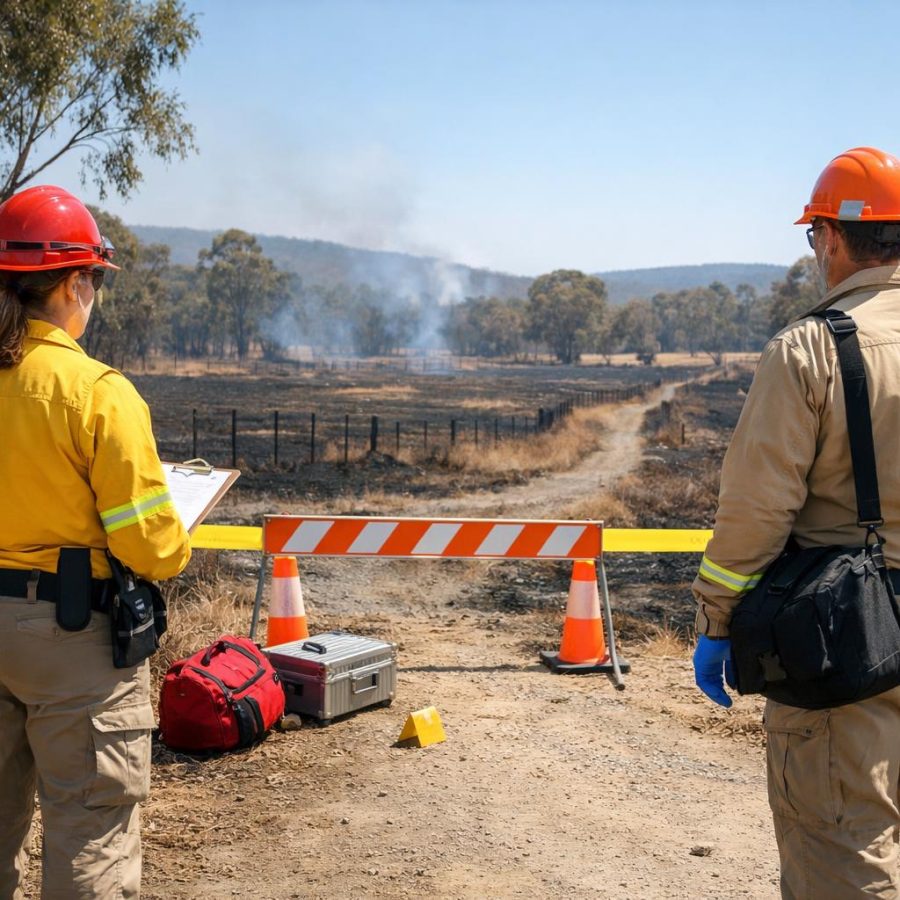
Providing a concise overview and offering valuable recommendations for fire safety training in Australian workplaces is essential. It’s worth noting that the United States witnesses an alarming annual count of 70,000 to 80,000 workplace fires, tragically leading to 200 fatalities and 5,000 injuries. When we consider the “per capita” perspective, fire safety in Australian workplaces echoes a similar need for attention and vigilance.
Undoubtedly, fire safety is a skill that requires consistent practice and commitment.

Delivering a succinct yet comprehensive overview with valuable recommendations for fire safety training in Australian workplaces remains crucial. It’s important to acknowledge the alarming annual incidence of 70,000 to 80,000 workplace fires in the United States, resulting in a tragic toll of 200 fatalities and 5,000 injuries. When viewed from a “per capita” standpoint, the urgency of prioritizing fire safety in Australian workplaces becomes evident.
Indeed, mastering fire safety is a discipline demanding unwavering practice and unwavering dedication.
This commitment involves not only the regularity of safety drills and preparedness exercises but also fostering a culture of awareness and responsibility among employees and employers alike. Such a culture can serve as a powerful shield against the potential devastation of fires, ensuring that Australian workplaces remain safe havens for all who work within them.

tay with your group and hold your position; do not leave the area until you’ve had a conversation with the Fire Brigade. Your input could be vital in ensuring a safe and coordinated response. Share any pertinent details, such as the room’s contents, the origin of the odor, as well as the whereabouts of flammable objects or hazardous materials that may require special attention.
State regulations mandate the presence of comprehensive floor plans and emergency escape diagrams in larger buildings. These resources serve as invaluable tools during emergencies, providing clear guidance to occupants on evacuation routes and safety procedures. It’s imperative for all office occupants to be not only aware of these resources but also trained in their use to promote a culture of preparedness.
As the old adage goes, “Practice Makes Perfect.” Regular drills and training sessions can greatly enhance everyone’s ability to respond effectively to emergencies, ensuring the safety and well-being of all.
FireRescue Training Hub
Access practical fire and emergency study support resources, downloads, checklists, audio guides, and member-only course content.
- Course library
- PDF downloads
- Audio guides
- Checklists
Study support only. Not accredited training or a replacement for workplace procedures.
About the author and safety review
Ken Walker
Former Station Officer and fire service educator
Former career firefighter with extensive career and volunteer fire service experience.
Qualifications: Associate Diploma of Applied Science in Fire Technology; Institute of Fire Engineers studies.
Author profilehttps://www.firerescue.com.au/about-us/