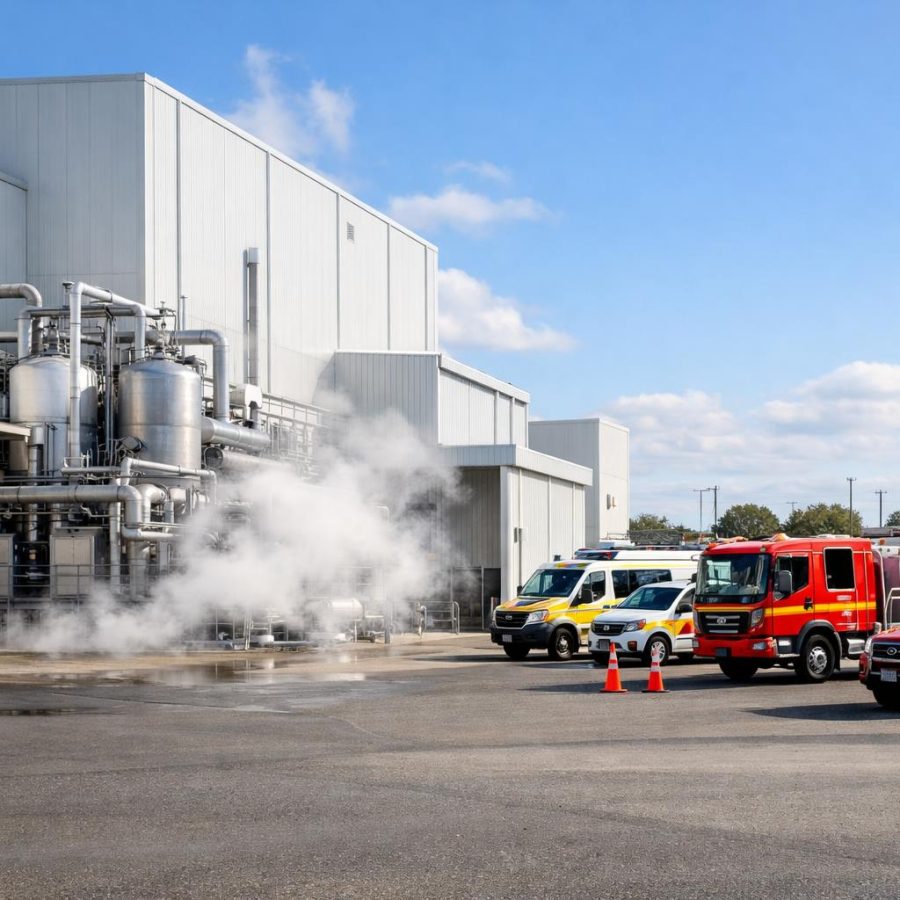
Heavy clutter and hoarding can make a home more dangerous in a fire, but the answer is not shame or pressure. The safest approach is small, respectful changes that protect escape paths, reduce ignition sources and support the person living there.
Why clutter matters in a fire
Clutter is more than a housekeeping issue when fire is involved. Extra items around the home can add fuel to a fire, help flames move faster and make smoke build up more quickly. Even everyday things such as paper, clothing, boxes and soft furnishings can burn readily once they are exposed to heat.
Clutter can also block the routes people rely on to get out. A hallway, doorway, stairway or window that should be clear may become hard to reach in an emergency. That delay can matter because smoke spreads fast and visibility can fall in seconds.
For firefighters, heavy clutter can make it harder to reach people, move through rooms and check whether anyone is still inside. It may also slow entry into the home and complicate rescue. The practical message is simple: the clearer the path, the safer the home.
Hoarding is complex and deserves a respectful response
Hoarding is not the same as ordinary untidiness. For some people, possessions have strong emotional value, and being asked to throw things away can cause real distress. That is why blunt instructions usually do not work well.
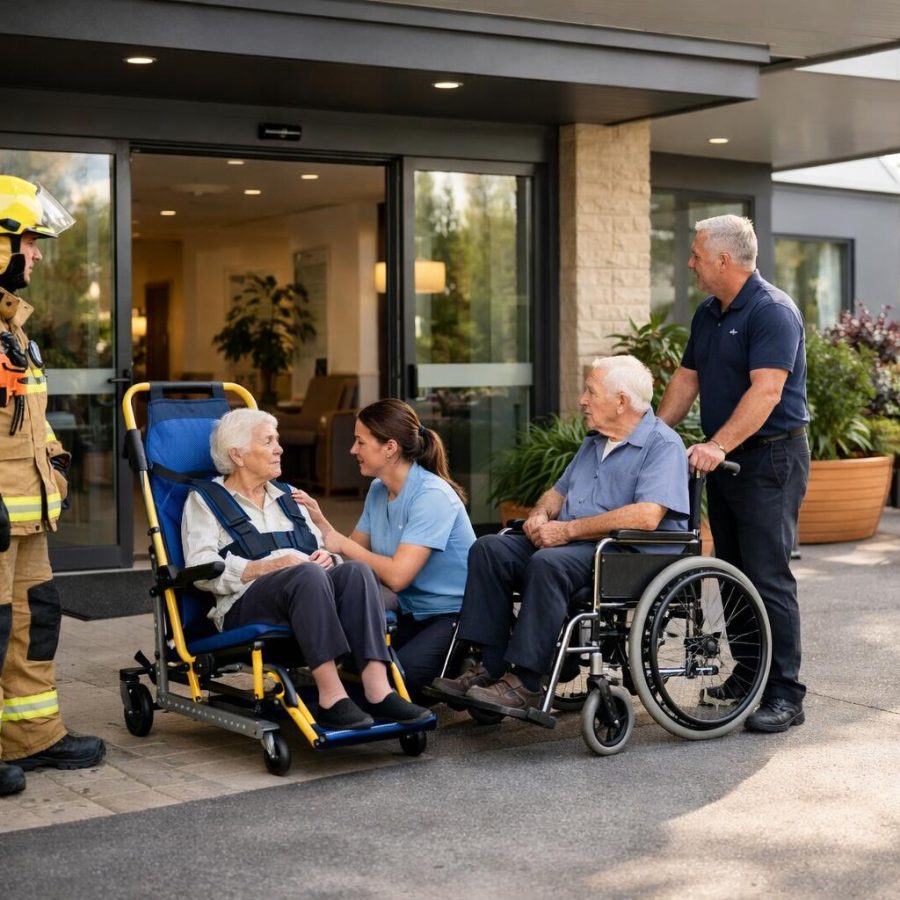
A safer approach is patience, dignity and choice. Supportive conversations should focus on risk, not blame. It can help to talk about one small area at a time, such as a path to the front door, a space around the bed, or the area near the stove.
Start with smoke alarms and working exits
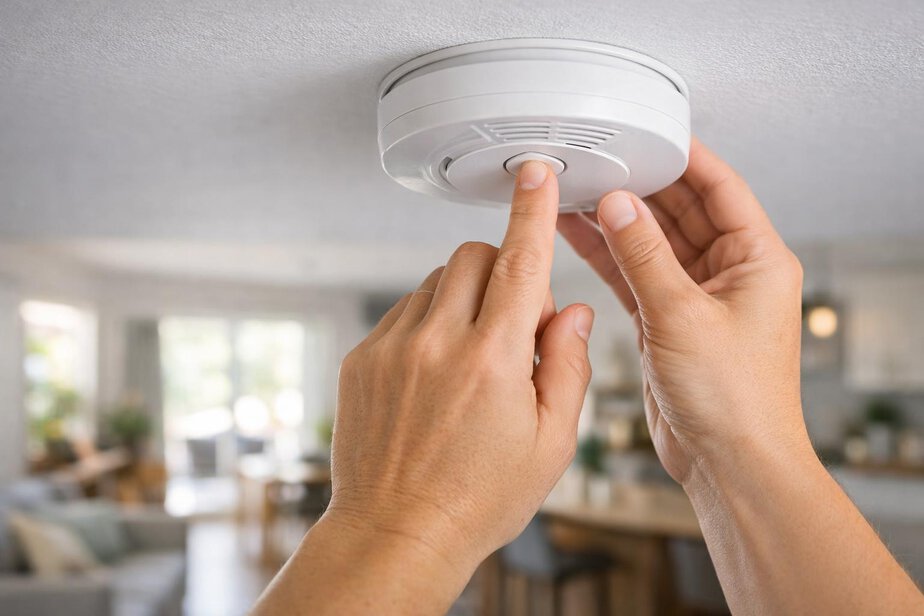
The first priority in any cluttered or hoarded home is early warning and a clear way out. Smoke alarms should be installed where required, tested regularly and maintained according to the manufacturer’s instructions. If an alarm is not working, the home may be left with very little warning in a fire.
Next, check every exit. This includes the front door, back door, side door and any window that may be used as an emergency exit. If a person cannot open a door fully or move to it without squeezing past items, that exit is not safe enough.
- Test smoke alarms on a routine basis.
- Keep keys or opening devices where exits can be reached quickly.
- Make sure doors can open fully and easily.
- Keep windows that may be used for escape clear and reachable.
Clear paths through the home
In a cluttered home, the safest changes are often the smallest ones. A clear path does not need to be perfect, but it should be wide enough for a person to move through without turning sideways or stepping over obstacles. In an emergency, even a few seconds matter.
Focus on the main travel routes
Start with the path from the bedroom to the exit, then the path to the bathroom, kitchen and any other room used daily. Remove items from stairs, landings and hallways first, because these spaces are critical for escape.
If there is a wheelchair, walking aid or mobility scooter in the home, the route needs to stay usable for that equipment as well. Clutter can create trip hazards and make it impossible to move quickly when smoke or heat is present.
Keep heat sources and electrical equipment clear
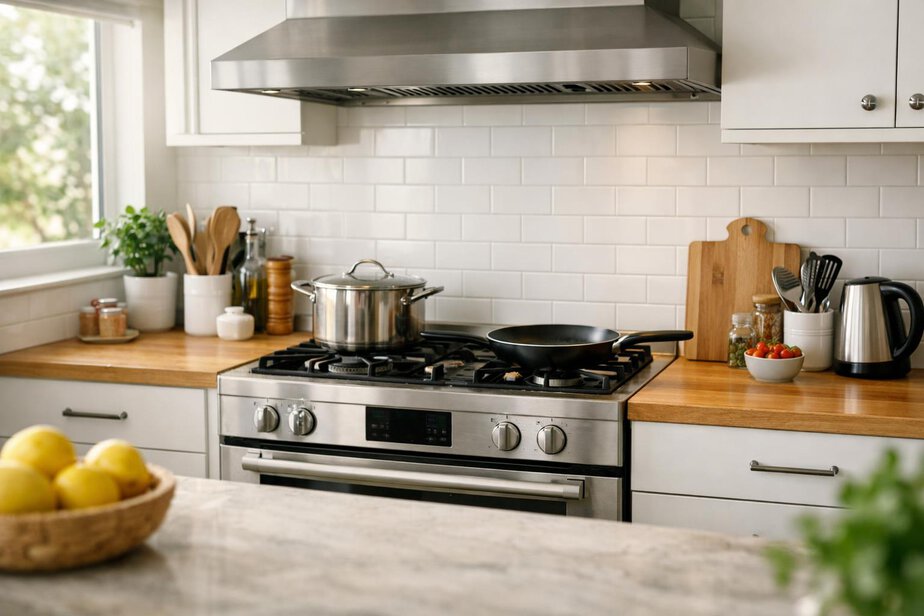
Many home fires start in or near kitchens, heaters or electrical equipment. That is why clutter near heat sources deserves special attention. Combustible items should be kept at least one metre from stoves, cooking appliances and heaters. This includes paper, fabric, boxes, shopping bags and other items that can ignite or heat up.
Power points, power boards and electrical equipment must not be buried under possessions. They need space around them so cords are not pinched, overheated or damaged. Where possible, keep the area around fridges, microwaves, dryers and televisions free from extra items as well.
Electrical problems can happen without warning. If cords are damaged, hot, overloaded or trapped under clutter, the risk rises. Support workers and families can help by making the area around power points and appliances easy to see and access.
| High-risk area | Safer approach |
|---|---|
| Stoves and cooking appliances | Keep combustible items at least one metre away |
| Heaters | Clear clothing, paper and furniture from the immediate area |
| Power points and power boards | Keep them uncovered and easy to inspect |
| Stairs and doorways | Keep them free for fast movement and escape |
Reduce ignition sources where you can
Some items increase risk simply because they create flame, heat or sparks. If a home already has heavy clutter, it is wise to reduce extra ignition sources. That does not mean every comfort or routine must change at once. It means choosing safer options where possible.
- Avoid candles and incense.
- Do not leave cigarettes or smoking materials unattended.
- Keep lighters and matches out of reach of children and away from clutter.
- Turn off appliances when they are not in use.
Small choices like these can lower the chance of a fire starting in a crowded room. In a home with limited clear space, the goal is to remove avoidable risks wherever possible.
Create a simple escape plan
A home escape plan does not need to be complicated. It only needs to be realistic for the people who live there. Start by working out two ways out if possible, then decide which route is best from each main room. If the person has mobility limits, the plan should match what they can actually do.
Practice the plan calmly when the home is quiet. Make sure everyone knows where to go once outside. Choose a meeting place well away from the house, such as the letterbox, footpath or a neighbour’s fence line if it is safe to do so.
- Know the nearest exit from each room.
- Keep a mobile phone or landline accessible if possible.
- Make sure keys are easy to find.
- Share the plan with family, carers and trusted support workers.
If the person feels overwhelmed by planning, break the task into short steps. One clear path and one known exit are a good start.
How family, carers and support workers can help
Support is most effective when it respects the person’s dignity and pace. Pressure, sudden clean-outs and threats often make trust worse. A better approach is to ask what feels manageable and to agree on one safety goal at a time.
Trusted family members, carers and professional services can help with tasks such as checking smoke alarms, moving items away from exits, sorting through a single pathway or organising help with cleaning where that is welcomed. The best role for supporters is often to assist, not to take over.
If the situation is distressing or unsafe, professional support services may be able to help with mental health, housing, aged care, disability support or local cleaning assistance. The exact options vary by area, so it is sensible to check what is available locally.
Respectful support works better than forced removal. Safety improves faster when the person feels involved in every step.
When the home still feels unsafe
Some homes will need more than a quick tidy. If exits cannot be kept clear, if cooking areas cannot be made safer, or if the person is struggling to manage day to day, more formal support may be needed. That can include family meetings, community services or professional help arranged through local pathways.
The important point is not to wait for a fire before acting. Even small improvements can reduce risk, but repeated blockages, overloaded electrical areas or unusable exits should be treated as serious concerns.
Final reminder for fire emergencies
The safest plan in a fire is to leave immediately, stay outside and call Triple Zero (000). Do not go back inside for possessions. Do not try to fight a growing fire. Once everyone is out, stay out and wait for help.
Clutter and hoarding can make fires more dangerous, but respectful small steps can still improve safety. Start with smoke alarms, clear exits, wider pathways, safer cooking and heating areas, and support from trusted people. Before publication or use, verify local advice, services and procedures for your area.
FireRescue Training Hub
Access practical fire and emergency study support resources, downloads, checklists, audio guides, and member-only course content.
- Course library
- PDF downloads
- Audio guides
- Checklists
Study support only. Not accredited training or a replacement for workplace procedures.
About the author and safety review
Ken Walker
Former Station Officer and fire service educator
Former career firefighter with extensive career and volunteer fire service experience.
Qualifications: Associate Diploma of Applied Science in Fire Technology; Institute of Fire Engineers studies.
Author profilehttps://www.firerescue.com.au/about-us/