BUSHFIRE SAFETY
Key Takeaways
Bushfire smoke can affect your health even if you are not close to the fire. Take simple actions to reduce your exposure, such as staying indoors, keeping windows closed, and using air purifiers if possible.
weather-information/”>Follow official advice from local fire and health authorities. If you have breathing difficulties or other health issues, seek medical help promptly. In emergencies, call 000 immediately.
Understanding Bushfire Smoke and Its Risks
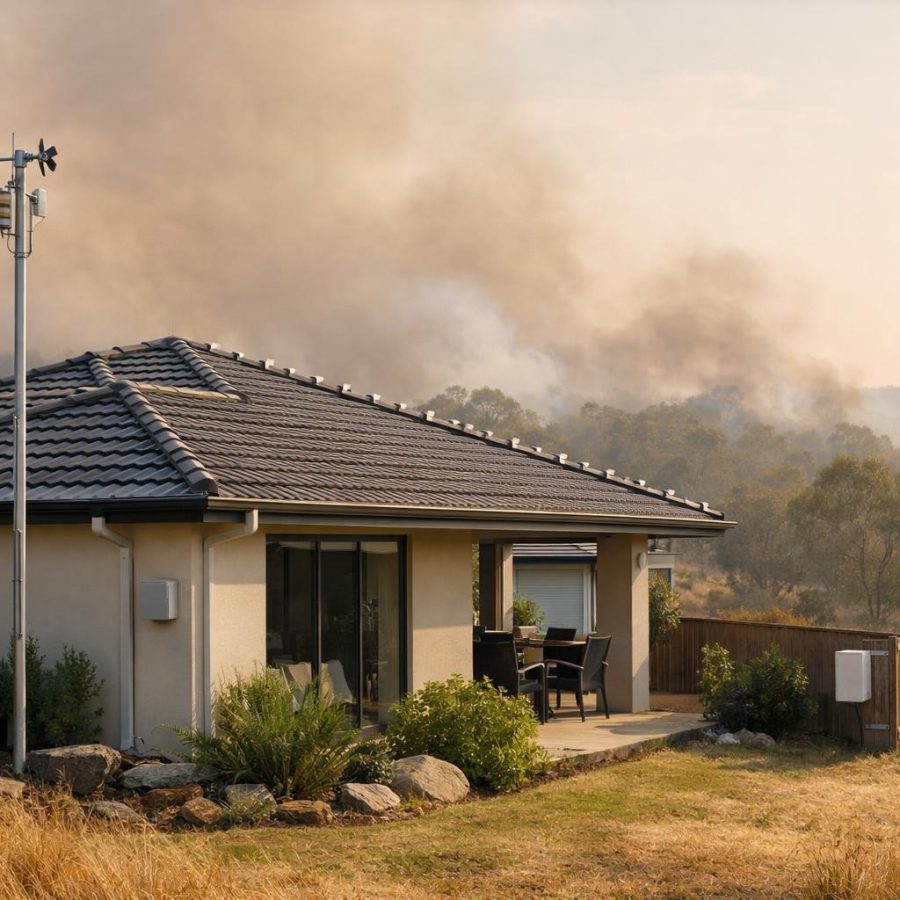
Bushfire smoke is made up of tiny particles and gases that can irritate your lungs and eyes, and affect your overall health. These particles are small enough to enter deep into the lungs and even the bloodstream. In Australia, bushfires can produce heavy smoke that travels far from the fire itself, affecting communities hundreds of kilometres away.
People with asthma, chronic lung disease, heart conditions, older adults, young children, and pregnant women are especially vulnerable. Even healthy individuals can experience symptoms like coughing, sore eyes, wheezing, and tiredness when exposed to smoke for extended periods.
Stay Safe.Be Prepared.
Download our free bushfire safety brochure — practical, clear guidance on protecting yourself and your family from smoke and fire danger. Trusted advice from fire and health authorities.
The chemical composition of bushfire smoke is complex, containing carbon monoxide, volatile organic compounds, and fine particulate matter (PM2.5), which are particularly harmful due to their ability to penetrate deep into the respiratory system. Long-term exposure to these pollutants can exacerbate chronic diseases and increase the risk of respiratory infections.
It is important to recognise that smoke exposure does not only cause immediate discomfort but can also have lasting health impacts, especially for those with existing health vulnerabilities. Community awareness and preparedness are key to reducing these risks during bushfire seasons.
Simple Actions to emergency-preparedness-in-australia/”>Protect Your Health
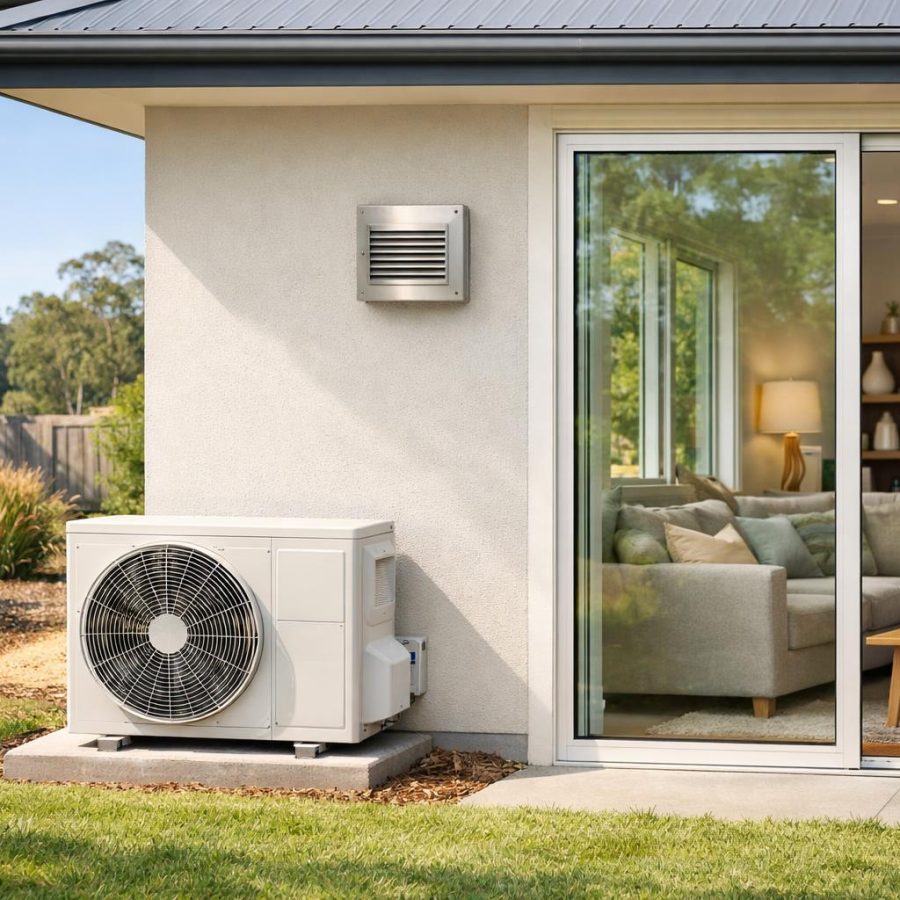
The best way to reduce your exposure to bushfire smoke is to limit your time outdoors and keep indoor air as clean as possible. Close all windows and doors to prevent smoke from entering your home. If you have an air conditioning system, set it to recirculate air rather than drawing air in from outside.
Using a portable air purifier with a HEPA filter can improve indoor air quality. If you do not have one, try creating a cleaner air space by sealing off a room and using a fan to circulate the filtered air. Avoid activities that can increase indoor pollution, such as smoking, using gas heaters, or vacuuming.
Additionally, consider reducing the use of candles or incense as they can contribute to indoor air pollution. Regularly changing air filters in your heating and cooling systems will also help maintain cleaner air indoors during smoke events.
When outdoors is unavoidable, wearing appropriate respiratory protection such as P2 or N95 masks is advisable, especially for vulnerable groups. These masks are designed to filter out fine particles effectively when fitted correctly. Remember that simple cloth masks or surgical masks provide limited protection against bushfire smoke.
Creating a smoke-safe room in your home by sealing windows and doors with weather stripping or damp towels can further reduce smoke infiltration. Using a portable air cleaner in this space can provide a refuge during periods of heavy smoke exposure.
When to Seek Medical Help
If you experience symptoms such as chest pain, difficulty breathing, severe coughing, or dizziness, seek medical attention without delay. Those with pre-existing respiratory or heart conditions should have their medications ready and follow their doctor’s advice carefully.
In life-threatening emergencies, call 000 immediately to connect with ambulance, fire, or police services. Do not delay if you or someone else is struggling to breathe or feels unwell during smoky conditions.
It is also important to monitor children and elderly family members closely during smoke events, as they may not be able to communicate symptoms clearly. Early intervention can prevent complications and hospitalisations.
For those with asthma or chronic respiratory diseases, having a clear action plan developed with your healthcare provider is essential. This plan should include recognising worsening symptoms and knowing when to escalate care.
If You Only Do Five Things
First, stay informed by monitoring official updates from the Australian Fire Authorities and local health departments. They provide timely advice on smoke levels and safety precautions.
Second, keep your home smoke-free by closing windows and using air conditioning systems on recirculate mode or using air purifiers where possible.
Third, reduce outdoor activities, especially during heavy smoke days. Avoid strenuous exercise that may increase your breathing rate.
Fourth, look after vulnerable people in your household, including children, older adults, and those with chronic illnesses. Make sure they have access to their medications.
Fifth, be ready to act if the situation worsens. Have an emergency kit prepared, and follow evacuation orders or advice from emergency services without hesitation.
By following these five essential steps, you can significantly reduce health risks and increase safety for yourself and those around you during bushfire smoke events.
Who Does What in Australia
Fire/Rescue: These are the firefighters who manage and fight bushfires. They provide updates on fires, help with evacuations, and conduct controlled burns to reduce fire risk.
Police: Police help maintain public safety, manage traffic during emergencies, enforce evacuation orders, and assist with rescues.
SES (State Emergency Service): The SES supports communities during disasters such as floods and storms and assists with evacuations and emergency relief during bushfire events.
Ambulance: Ambulance services provide urgent medical care and transport for those affected by fire or smoke-related health issues.
Additional Practical Tips for Bushfire Smoke
Check local air quality reports regularly through services like the Australian Government’s Air Quality Index or state environmental agencies. These help you understand when smoke levels are dangerous.
If you need to travel during smoky conditions, try to plan your route to avoid the worst-affected areas. Keep car windows closed and use the vehicle’s air conditioning system on recirculate.
Remember that masks designed for dust, like cloth masks, offer limited protection against fine smoke particles. P2 or N95 masks provide better protection but should be used correctly to be effective.
Avoid lighting fires or using outdoor barbecues during smoky conditions as they add to air pollution and can worsen your exposure.
Stay hydrated and eat well, as smoke exposure can dehydrate your body and weaken your immune system.
Consider using damp cloths over door gaps and vents to further reduce smoke infiltration. If you live in an area prone to bushfires, having a home ventilation system with high-efficiency filters can be a valuable long-term investment.
Be aware that pets and animals are also vulnerable to smoke exposure. Keep them indoors as much as possible and provide fresh water to help them stay hydrated.
Engage with your local community groups or councils for additional resources and support during bushfire seasons. Community networks can provide valuable assistance, especially for vulnerable individuals.
Bushfire smoke health advice Australia stresses the importance of preparation and calm action. Being ready can reduce stress and keep you and your family safer. Follow official warnings from Fire and Rescue NSW, CFA Victoria, or your local fire and health services.
Keep essential items such as medications, identification, and emergency contacts close by. Have a plan for evacuation if conditions worsen, and know your local emergency shelters or safe zones.
Regularly review and update your emergency plan and supplies well before the fire season begins. This preparation means you can act quickly and confidently if needed.
Mental health is also a critical consideration during bushfire seasons. The stress caused by smoke exposure and potential evacuation can impact wellbeing. Reach out to support services if you or your family feel overwhelmed. Staying connected with friends and community can provide emotional strength during challenging times.
Finally, educate yourself and your household members about bushfire risks and health precautions. Knowledge empowers you to make informed decisions and respond effectively, enhancing safety and resilience.
FireRescue Training Hub
Access practical fire and emergency study support resources, downloads, checklists, audio guides, and member-only course content.
- Course library
- PDF downloads
- Audio guides
- Checklists
Study support only. Not accredited training or a replacement for workplace procedures.
About the author and safety review
Ken Walker
Former Station Officer and fire service educator
Former career firefighter with extensive career and volunteer fire service experience.
Qualifications: Associate Diploma of Applied Science in Fire Technology; Institute of Fire Engineers studies.
Author profilehttps://www.firerescue.com.au/about-us/