Flood Safety Essentials
Key Takeaways
Floods can happen quickly in many parts of Australia, especially after heavy rain or storms. Preparing your home and family early helps reduce risk and keeps everyone safer.
This flood preparedness checklist Australia guide provides simple steps you can take ahead of time. Following official advice and staying aware of local warnings is vital for effective safety planning.
Understanding Flood Risks in Australia
Flooding is a common natural hazard across many regions of Australia. Whether you live near a river, coastal area, or even in urban zones prone to flash floods, knowing your flood risk is the first step in preparation. Australian states and territories often provide flood maps and risk information that can help you assess your vulnerability.
Heavy rain, storms, cyclones, or dam releases can cause water levels to rise quickly. Floods may affect power supply, roads, and communication lines. In some cases, floodwaters can reach your home or property, causing damage or cutting off access.
Understanding the specific types of floods that can affect your area is also important. For example, riverine flooding results from rising rivers and can last for days or weeks, while flash flooding occurs rapidly due to intense rainfall and can be extremely dangerous due to its sudden onset. Coastal flooding, influenced by storm surges and high tides, can also pose significant risks to communities along Australia’s extensive coastline.
Moreover, the geographical diversity of Australia means flood risks vary widely. Northern Australia, for instance, often faces monsoonal floods during the wet season, while southeastern regions may experience flooding from intense rain systems or remnants of tropical cyclones. Urban development can exacerbate flood risks by increasing surface runoff and reducing natural drainage, making awareness of local conditions critical.
Check official sources regularly
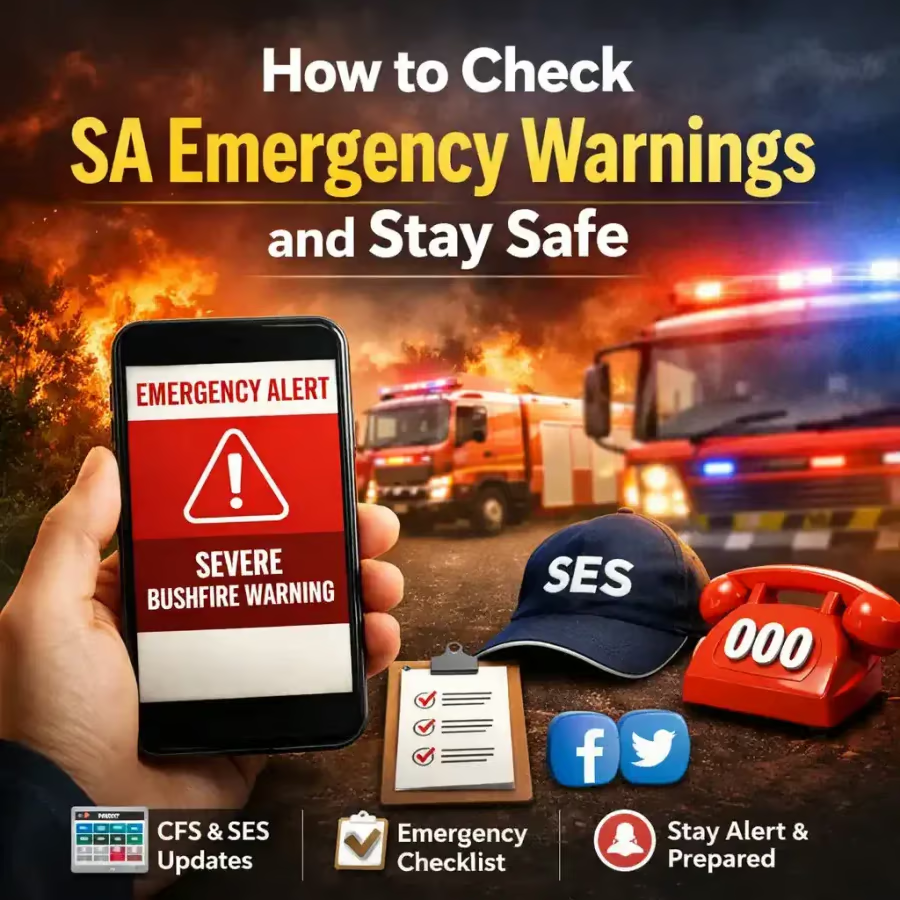
Always use government and emergency services websites for up-to-date flood warnings and local weather forecasts. Agencies such as the Bureau of Meteorology (BOM) and your state emergency services provide alerts tailored to your area. Sign up for flood warning notifications if available.

Downloadable A4 Checklist
Print this and keep it somewhere visible. Tick items as you go, it helps under pressure.
In addition to online sources, consider downloading official apps or following social media accounts of emergency services for real-time updates. Local councils and community groups often disseminate valuable information and may provide advice on evacuation centres or temporary shelters during flood events.
Staying informed is not just about receiving alerts but also understanding the terminology used in warnings. Familiarise yourself with terms like ‘minor,’ ‘moderate,’ and ‘major’ flood warnings, which indicate the severity and expected impact of the flood. This knowledge helps you gauge when to take action and what level of preparation is necessary.
Preparing Your Home and Property
Protecting your home from potential flood damage starts with simple, practical actions. Clear gutters and drains to avoid blockages. Check your roof for loose tiles or damage that could worsen during storms. Moving valuable belongings and important documents to higher levels or waterproof containers reduces loss risk.
Consider installing sandbags or barriers if flooding is expected. Make sure your electrical systems and appliances are turned off if advised by authorities. Do not attempt to handle electrical equipment if wet or while standing in water.
It’s also wise to evaluate your home’s drainage and landscaping to reduce flood impact. Creating slopes away from the foundation or installing French drains can help divert water. If you live in a flood-prone area, investing in flood-resistant materials for walls and floors, such as tiles or concrete, can minimise long-term damage.
Another important consideration is securing your home’s entry points. Installing flood shields or sealing gaps around doors and windows can prevent water ingress. Regular maintenance of sump pumps or drainage pumps is essential to ensure they function properly during flood events.
Vehicle and outdoor equipment safety
Move cars and motorcycles to higher ground. Store outdoor tools, chemicals, and fuel safely away from floodwater. Avoid parking near creeks, rivers, or low-lying areas where rapid flooding can occur.
Additionally, secure garden furniture, trampolines, and other loose items that could be swept away or cause injury during floodwaters. Consider using waterproof covers for outdoor equipment and ensure fuel containers are tightly sealed and stored in elevated locations to prevent contamination or spills.
Don’t forget about pets and livestock; ensure they have safe shelter and access to fresh water away from flood-prone areas. Preparing animal carriers or transport plans in advance can be crucial if evacuation is necessary.
Making a Family Flood Preparedness Plan
It is important for every household to have a clear plan tailored to their circumstances and local flood risks. Discuss evacuation routes, meeting points, and emergency contacts with all family members. Practice your plan regularly so everyone knows what to do if flooding happens.
Prepare an emergency kit that includes water, non-perishable food, first aid supplies, medications, torch and batteries, important documents, and some cash. Keep this kit in an easy-to-reach location, ideally in a waterproof bag or container.
Beyond immediate family, consider how to support neighbours, elderly relatives, or those with special needs during a flood. Establishing a community support network can improve safety and provide assistance where needed.
When planning evacuation routes, identify multiple options in case some roads are impassable. Know the locations of nearby evacuation centres and keep their contact information handy. If you have pets, find pet-friendly shelters or arrangements in advance.
Communication during floods
Ensure all family members have access to a charged mobile phone or a way to receive emergency alerts. Know how to contact neighbours or local authorities if help is needed. Stay tuned to local radio or trusted online sources for updates.
It’s also helpful to have a battery-powered or hand-crank radio as a backup communication tool if power and mobile networks fail. Agree on a designated out-of-area contact person who can help coordinate information and relay messages between separated family members.
Establishing a communication tree within your community can be invaluable during flood events. This system assigns individuals to check on neighbours and relay information, ensuring that vulnerable residents are not overlooked. Sharing contact details and emergency plans with neighbours fosters mutual support and resilience.
During a Flood Event: Staying Safe
If flooding occurs, follow official instructions immediately. If told to evacuate, do so without delay. Avoid walking, swimming, or driving through floodwaters, which can be deeper and faster than they appear.
Turn off electricity and gas if safe to do so. Do not attempt to cross flooded roads or bridges. Keep children and pets away from floodwater to prevent injury or illness.
Be aware of common flood hazards such as contaminated water, hidden debris, snakes, or displaced wildlife. Wearing protective clothing and sturdy footwear can reduce the risk of cuts, infections, or bites. Never underestimate the power of floodwaters; even shallow water can sweep you off your feet.
During floods, it’s critical to avoid contact with floodwater whenever possible due to contamination risks. Floodwaters can carry sewage, chemicals, and pathogens that pose serious health threats. If contact is unavoidable, wash thoroughly with soap and clean water as soon as possible.
After the Flood
Wait for authorities to declare it safe before returning home. Inspect your property carefully for damage and hazards like fallen power lines or contaminated water. Use protective gloves and boots when cleaning up.
Report any health or safety concerns to local officials. Take photos of damage for insurance claims. Avoid using food or water that may have been contaminated by floodwaters.
After a flood, it’s important to monitor your health and that of your family. Floodwaters can carry bacteria and chemicals that may cause illness. Seek medical attention if you experience symptoms such as skin infections, respiratory issues, or gastrointestinal problems. Additionally, consider professional assessment for structural damage to your home to ensure it is safe to inhabit.
Be mindful of mental health impacts following a flood event. Experiencing loss, displacement, or uncertainty can lead to stress, anxiety, or depression. Access support services offered by local health agencies or community organisations to help cope with these challenges.
If You Only Do Five Things
First, know your flood risk and sign up for official warnings from the Bureau of Meteorology and your local emergency services. Staying informed is the foundation of preparedness.
Second, create and practise a family flood plan. Make sure everyone understands evacuation routes and where to find emergency supplies.
Third, prepare your home by clearing gutters, moving valuables to higher places, and securing outdoor items that could be swept away.
Fourth, assemble an emergency kit with essentials such as water, food, medications, and important documents in a waterproof container.
Fifth, during a flood, follow official instructions, never drive or walk through floodwaters, and prioritise safety over property.
Remember, this guide is to help you prepare but always follow local warnings and advice from emergency agencies for your specific area. Floods are serious but with planning, you can protect yourself and your family.