Fire Safety Awareness
Understanding bushfire warning levels is key to keeping yourself, your family, and your home safe during fire season. These warnings help you know when to prepare, when to act, and when to seek safety.
This guide explains the different warning levels used across Australia, outlines clear steps to take at each stage, and offers printable checklists to keep you ready. Always follow official advice from Fire/Rescue, Police, SES, and other readiness, emergency services.
What Are Bushfire Warning Levels?
Bushfire warning levels are a way to communicate the risk and urgency of fire in your area. In Australia, states and territories use a series of clear, colour-coded warnings to help you understand how dangerous a fire is and what you should do to stay safe.
These warnings change as a fire develops, giving you time to prepare your property, pack your essentials, and decide whether to stay or leave early. The exact terms and colours can vary slightly between jurisdictions, but the core message is consistent nationwide.
Beyond simply signalling danger, these warning levels serve as a vital communication bridge between emergency services and communities. They are designed to cut through the noise and provide clear, actionable guidance so that everyone, regardless of their familiarity with bushfires, can respond appropriately. Understanding these warnings can mean the difference between life and death, making it essential to stay informed and prepared throughout the fire season.
Bushfire Warning Levels Checklist
Download the printable A4 checklist to help your household prepare, stay informed, and act early during bushfire season.
Bushfire Warning Levels
- Advice
- Watch & Act
- Emergency Warning
- All Clear
Guide only. Always follow official advice from Fire/Rescue, Police, SES, and emergency services. For life-threatening emergencies call 000.
Common Bushfire Warning Levels Explained
Most Australian states use four main bushfire warning levels. Here is a practical explanation of what each means and what actions you should take.
Advice
This is the lowest level of warning. It means a fire has started, but it is not expected to threaten lives or property right now. You should stay informed by monitoring local news, emergency broadcasts, and official apps. Use this time to review your bushfire survival plan and check your emergency kit.
During the Advice stage, it is an optimal time to confirm that your home is as prepared as possible. This includes ensuring that your garden is tidy, flammable materials are safely stored or removed, and that your family knows the basics of your safety plan. Although the immediate threat may be low, conditions can change rapidly, so maintaining vigilance is crucial.
Watch and Act
At this stage, a fire is nearby and conditions may worsen. You need to be alert and ready to move quickly. Prepare your property by clearing flammable materials, gather family members and pets, and keep your emergency supplies close. Stay tuned to official updates for potential evacuation orders.
This warning level often triggers many people to make critical decisions about whether to leave early or prepare to defend their property. It is important to assess your personal situation honestly. If you decide to stay, ensure that your home is well-prepared, and you have multiple escape routes planned. If you choose to leave, do so promptly to avoid traffic congestion and dangerous conditions later on.
Emergency Warning
This warning means the fire is an immediate threat to life and property. You must take action without delay. If you have not already left, now is the time to evacuate to a safe location or, if you are prepared and it is safer, shelter in place. Follow instructions from emergency services carefully, and call 000 if you or others are in life-threatening danger.
Emergency Warnings are issued when conditions are critical, and every second counts. Evacuating early is the safest option, but for those who stay, it is essential to have a defensible space and an emergency shelter plan in place. Always prioritize your safety and that of your family over property. Emergency services will be stretched during these times, so your cooperation and swift action can save lives.
All Clear
This message means the fire danger has passed and it is safe to return. Continue to monitor official sources for updates and any further advice about hazards such as smouldering debris or damaged infrastructure.
Even after the All Clear is given, hazards may persist. It’s important to exercise caution when returning to your property. Roads may still be closed, and emergency crews may be working in the area. Take your time to assess the situation, and seek help if you encounter any unsafe conditions.
Understanding Your Local Warning System
Different states and territories may have variations in how they name and display bushfire warning levels. For example, Victoria uses the Colour-Coded Fire Danger Ratings, while New South Wales uses Watch and Act or Emergency Warning messages.
Familiarise yourself with your local fire authority’s website—such as the Country Fire Authority (CFA) in Victoria, Fire and Rescue NSW, or the Queensland Fire and Emergency Services (QFES)—to understand their specific warnings. Many offer apps, SMS alerts, and social media updates that can keep you informed in real time.
It is also beneficial to understand the fire danger rating system used in your area, which often complements the warning levels. These ratings, such as Low-Moderate, High, Very High, Severe, Extreme, and Catastrophic, provide an overall indication of the likelihood and potential intensity of fires on any given day. Knowing these can help you anticipate the severity of a fire situation and plan accordingly.
If You Only Do Five Things To Prepare
Firstly, know your bushfire risk. Understand the fire season dates in your area and recognise the signs of a nearby fire.
Secondly, prepare your home by clearing gutters, removing dry leaves, and creating a defendable space around your property.
Thirdly, assemble an emergency kit with essential items like water, food, medications, important documents, and protective clothing.
Fourth, plan your evacuation route and identify safe places to go if you need to leave quickly. Share this plan with your family and friends.
Fifth, stay informed by monitoring official sources and heed all warnings and advice from emergency services. Never ignore an Emergency Warning; your safety depends on swift action.
Downloadable A4 Checklist
Print this and keep it somewhere visible. Tick items as you go, it helps under pressure.
Taking these five steps seriously can dramatically improve your safety and peace of mind during bushfire season. Preparation is the best defence against the unpredictable nature of bushfires. Regularly reviewing and practising your plans ensures that you and your loved ones know exactly what to do when warnings are issued.
Who Does What in Australia
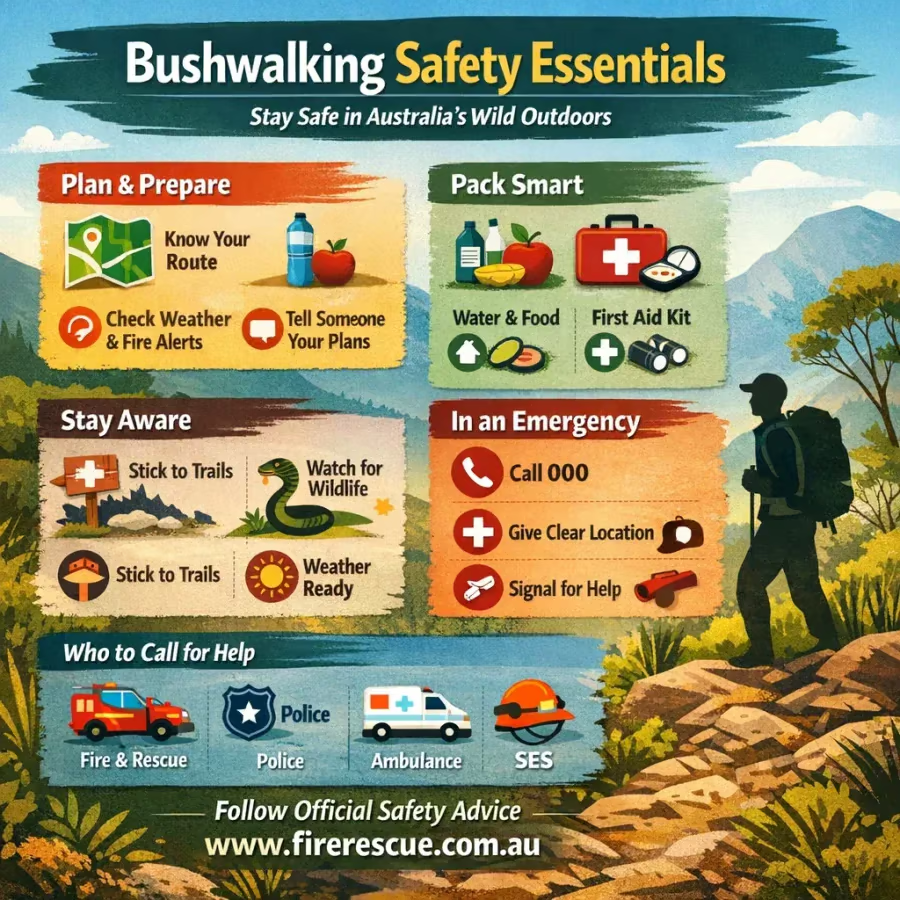
Fire/Rescue services are the main firefighting agencies. They control and extinguish fires, and coordinate evacuations when necessary.
Police assist with road closures, crowd control, and ensuring public safety during emergencies.
Ambulance services provide medical aid and transport injured or ill people.
The State Emergency Service (SES) helps with flood and storm emergencies, evacuation support, and community safety information.
Remember, for any life-threatening emergency, call 000 immediately.
Practical Steps for Bushfire Preparedness
Preparing for bushfires means taking early action. Begin by making a comprehensive plan that covers where you will go, how you will communicate with family, and what you will take with you. Regularly update this plan and practise it.
Check your property for any materials that could easily ignite. This includes dry leaves on roofs, wood piles near the house, and overgrown grass or bushes. Consider installing ember-proof vents and keeping hoses and sprinklers ready.
Stay aware of weather conditions during fire season. High winds, low humidity, and hot temperatures increase fire danger. On days with severe fire danger ratings, limit outdoor activities and avoid using machinery that can spark fires.
Use official sources such as the Australian Warning System, local fire service websites, and apps to receive real-time alerts. These warnings will inform you when to take your next step, whether it is preparing, leaving early, or sheltering safely.
In addition to physical preparations, consider the emotional and psychological readiness of your household. Bushfires can be highly stressful and traumatic events. Having conversations about what to expect and how to stay calm can help everyone cope better during emergencies.
For those with pets or livestock, make arrangements well in advance. Ensure you have carriers, leashes, food, and water, and identify safe places for them during evacuations. Many evacuation centres have specific guidelines about animals, so check local policies ahead of time.
After the Fire: Safety and Recovery
When authorities declare the All Clear, do not rush back home immediately. Fires can create hazards such as fallen power lines, weakened trees, and hot ash.
Contact your local council or fire service to check if your area is safe. Inspect your property carefully and wear protective clothing when cleaning up. Be aware of smoke inhalation and seek medical help if you feel unwell.
Recovery can take time. Reach out to community support services and emergency agencies for assistance with rebuilding, counselling, and financial aid if needed.
Stay connected to your neighbours and local emergency services to stay informed about ongoing risks such as flare-ups or further weather hazards.
Additionally, consider the environmental impact of the fire on your property and community. Soil erosion, loss of vegetation, and water contamination can have lasting effects. Engage with local environmental groups or councils for advice on rehabilitation efforts.
Mental health is another crucial aspect of recovery. Experiencing a bushfire can lead to anxiety, depression, or post-traumatic stress. Many communities offer support groups and counselling services to help residents cope and rebuild resilience.