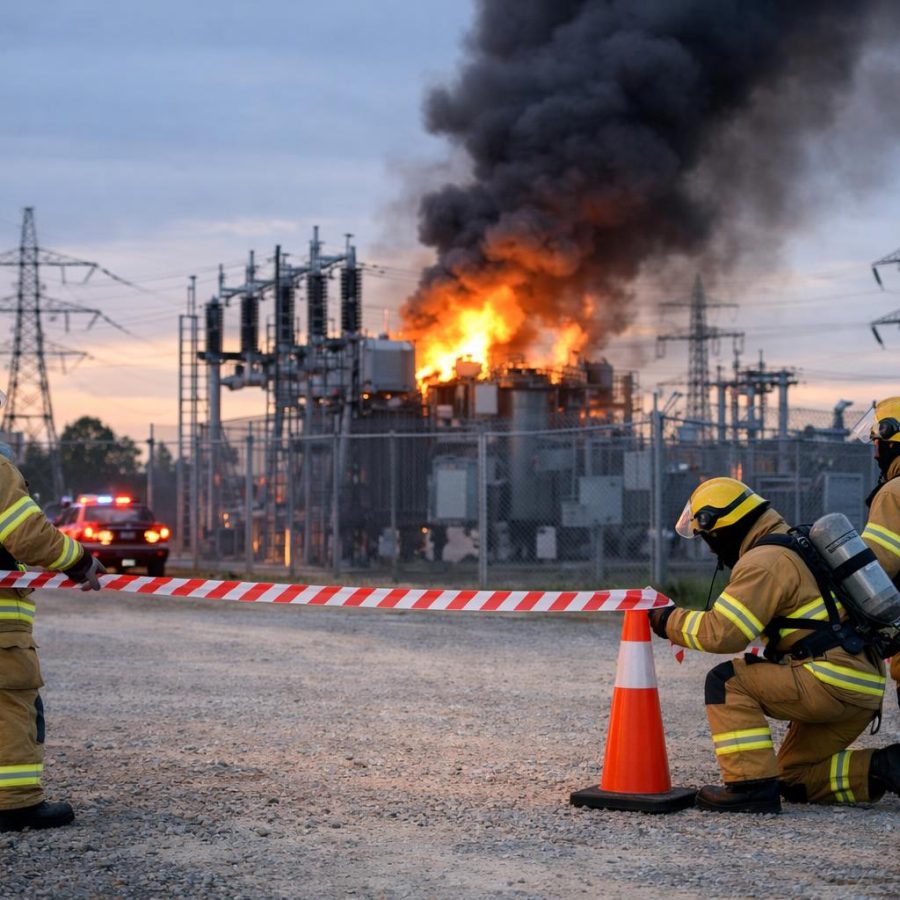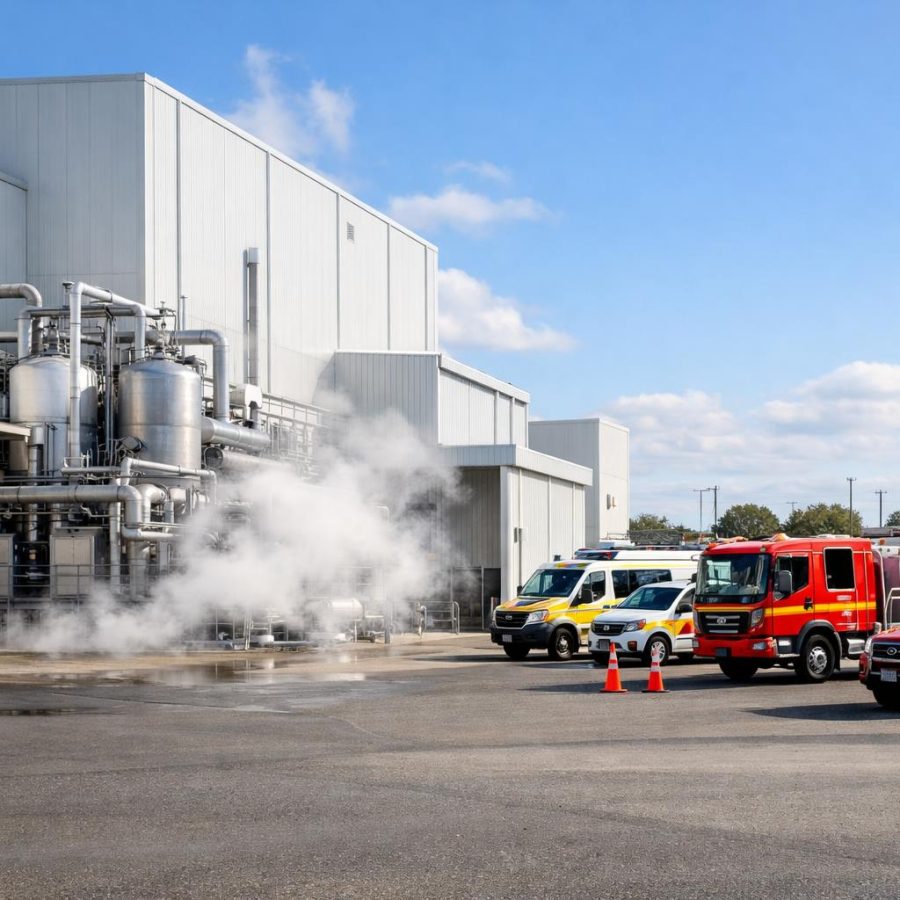
People rarely ignore emergency warnings for just one reason. More often, they are trying to understand what is happening, weigh up competing demands, and decide what to do next while time is already under pressure. That is why effective emergency communication matters so much: clear, timely messages can help people move from uncertainty to action before conditions worsen.
Why delay is so common during emergencies
When people receive an emergency warning, they do not automatically act. First, they interpret it. Then they compare the warning with what they already know, what they can see around them, and what they think might happen next. That gap between hearing a warning and acting on it is where delay often begins.
In Australia, emergency warnings may relate to bushfire, flood, severe storms, cyclones or extreme heat. The event may be unfolding quickly, or it may be building over hours or days. In either case, people are often trying to answer a basic question: Is this warning for me, and what should I do now?
Delay does not always mean a person is uninterested. It can reflect uncertainty, confusion, emotional strain, limited transport, caring responsibilities, language barriers, or simply the time needed to make a hard decision. A person may be checking a forecast, waiting for a family member, moving livestock, or trying to work out whether their home is actually in the affected area.
How people receive and interpret emergency warnings
People receive emergency warnings through many channels. These may include emergency apps, websites, radio, social media, text alerts, automated phone messages, roadside signs, community leaders, and direct word of mouth. But not everyone receives the same message in the same way, and not every message arrives at the same time.
Even when a warning is received, the meaning may not be obvious. Some people focus on the headline, colour or warning level. Others look for familiar place names. Some may hear a siren or a radio announcement but miss the details. Many people are trying to do more than one thing at once, especially when they are at work, driving, looking after children or managing animals.
Stress can make this harder. Under stress, people may narrow their attention, delay longer than they expect, or keep looking for one more piece of confirmation. That is one reason clear action statements are so important. People need to know not just that there is a hazard, but what that warning means for them right now.
Hearing a warning is not the same as acting on it
Emergency services often use the phrase “warning received” or “warning issued”, but those are not the same as “warning understood” or “warning acted on”. A person may hear a message and still not move because they are unsure whether the advice applies to their street, their suburb, or their travel route.
Others may understand the danger but delay because they are trying to do several things at once. They may want to gather medication, secure property, check on a neighbour, or arrange transport. This is why warnings need to be simple, specific and practical. If the message makes the next step obvious, more people can act sooner.
The Australian warning levels and why the full message matters
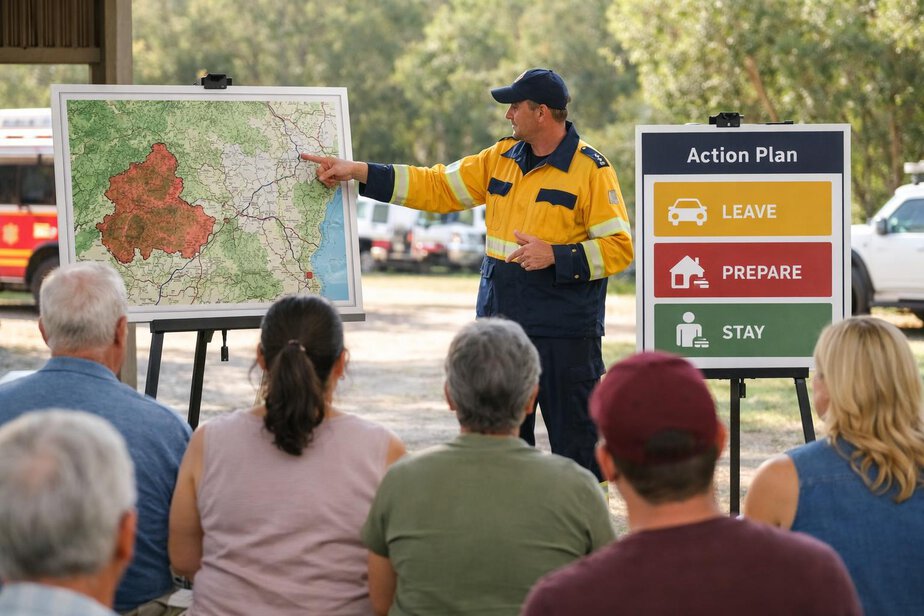
Australia’s national warning approach uses three main levels: Advice, Watch and Act, and Emergency Warning. The warning level matters, but it is not enough on its own. People should always read or listen to the full warning, because the action advice, location and hazard details are what tell them what to do.
Advice means an incident has started, but there may not be an immediate danger. People should stay informed because conditions can change.
Watch and Act means there is a heightened threat and people need to begin taking action.
Emergency Warning is the highest warning level. People may be in danger and must take immediate action.
Warnings may also include a direct action statement such as prepare to leave, leave now, move to higher ground, seek shelter, or stay indoors. These phrases are often more useful than the warning level alone because they translate risk into a clear next step.
| Warning level | What it generally means | What people should do |
|---|---|---|
| Advice | An incident has started, and the situation may change. | Stay informed and monitor official updates. |
| Watch and Act | Threat is increasing and action may soon be needed. | Begin preparing and follow the stated advice. |
| Emergency Warning | Danger is immediate or likely to become immediate. | Act now, follow directions and do not wait. |
These levels help provide a common language across Australia, but they do not remove every source of confusion. A person still has to know whether the warning applies to their exact location, what the likely hazard is, and which action is safest.
Why messages sometimes fail to trigger action
Some warnings are delayed not because people do not care, but because the message is hard to use. If a warning is vague, overly technical or too general, people may spend precious time trying to decode it.
For example, a message that says an incident is “developing”, “escalating” or “impacting the area” may be accurate but still leave people asking what that means for their home or business. A message that only mentions a large district can also be hard to act on if someone is unsure whether their street is included.
Conflicting information causes more delay. If one source says conditions are serious, another suggests the risk is lower, and social media adds rumours, people may wait for certainty that never comes. In a fast-moving emergency, waiting for perfect confirmation can cost time.
Common message problems
- Technical terms that are not explained in plain language
- Actions that are implied rather than stated clearly
- Location descriptions that are too broad or unfamiliar
- Updates that are slow, inconsistent or hard to find
- Messages that do not say where to get the next reliable update
Emergency communicators can reduce delay by being direct. They should say what is happening, where it is happening, who may be affected, what people should do now, and where they can get reliable updates. These five points are often the difference between hesitation and action.
Warning fatigue, past experience and waiting for visible danger
People may become less responsive if they have heard many alerts that did not lead to local impacts. This is often described as warning fatigue. It does not mean people are careless. It means they can start to tune out alerts when they have repeatedly experienced warnings that felt distant, uncertain or harmless.
Previous emergencies can also shape later decisions. If a person has lived through earlier events that caused little damage to their property, they may assume the next one will be similar. But every emergency develops differently. A storm track can shift, a fire can change direction, a flood can rise faster than expected, and heat can become dangerous more quickly than people anticipate.
Some people also wait for visible signs of danger before they act. They may want to see smoke, rising water, strong winds or damaged trees before they believe the situation is serious. That instinct is understandable, but it can be risky. Many hazards become harder to escape once the danger is visible.
For example, in bushfire, waiting until smoke or flame is close can leave very little time to leave safely. In flood, waiting until water is already across roads can trap people. During severe storms or cyclones, the most dangerous conditions may arrive suddenly, and travel can become unsafe quickly. In extreme heat, the health risk may rise before any obvious visual sign appears.
Trust, neighbours, local knowledge and social media
People often look to others before deciding what to do. They may check whether neighbours are leaving, ask family members for advice, or look for confirmation from local community groups. This can help in some situations, but it can also slow action if everyone is waiting for someone else to move first.
Trust also matters. If people trust emergency services, they are more likely to act quickly. If they have had poor experiences with information in the past, or if a message seems inconsistent with what they can see around them, they may hesitate. Clear and respectful communication helps build confidence over time.
Local knowledge can be very valuable. People who know the terrain, road network, waterways or likely flood paths may be able to judge where risk is building. They may also know which neighbours need extra help. But local knowledge should support official warnings, not replace them. A familiar street or creek can behave differently in a new event.
Social media can spread useful updates, but it can also spread rumours and conflicting claims. A post shared quickly is not automatically accurate. During an emergency, people should rely on official sources for the most current advice, then use social media carefully to help check whether they have missed a formal update.
Tourists and visitors can face extra difficulty because they may not understand the local hazard, place names or seasonal patterns. A cyclone, bushfire, flood or heatwave may be obvious to locals but unfamiliar to someone who has only just arrived. That is why warnings need plain language and context, not just specialist terminology.
Practical barriers: family, animals, disability, transport and language
Not every delay comes from uncertainty. Sometimes the barrier is practical. People may be deciding how to leave, who to take with them, what to pack, how to move livestock or pets, or whether the road is still safe. They may be trying to protect property while also making sure family members are together.
Many people wait for family members before they act. That can be sensible when a household is not yet together, but it can also slow down departure if everyone assumes someone else will make the final call. Preparing ahead of time helps reduce this pressure.
Disability, age, illness, injury, language differences, social isolation and financial pressure can all affect a person’s ability to respond. So can limited access to a car, fuel, public transport, a charger, a phone signal, or internet service. In some emergencies, power and communications fail at the same time, which makes planning harder.
People who are new to Australia, travelling, or living away from their usual support network may also need more time to understand what a warning means. A message that is clear to one audience may not be clear to another. This is why emergency information should be offered through different formats and trusted local channels wherever possible.
Examples of practical barriers in different hazards
- In bushfire, a family may need time to gather documents, medications, pets and a safe departure plan.
- In flood, a person may need to move a vehicle, check road closures and decide whether higher ground is reachable.
- In severe storms, people may need to secure loose items and decide whether to shelter safely indoors.
- In cyclones, households may need to finish preparation early because travel and power can become unsafe quickly.
- In extreme heat, vulnerable people may need access to cooling, water and support before conditions worsen.
These are not signs of poor judgement. They are the real-life demands that can make fast action difficult. Good warnings recognise those demands and help people simplify their next step.
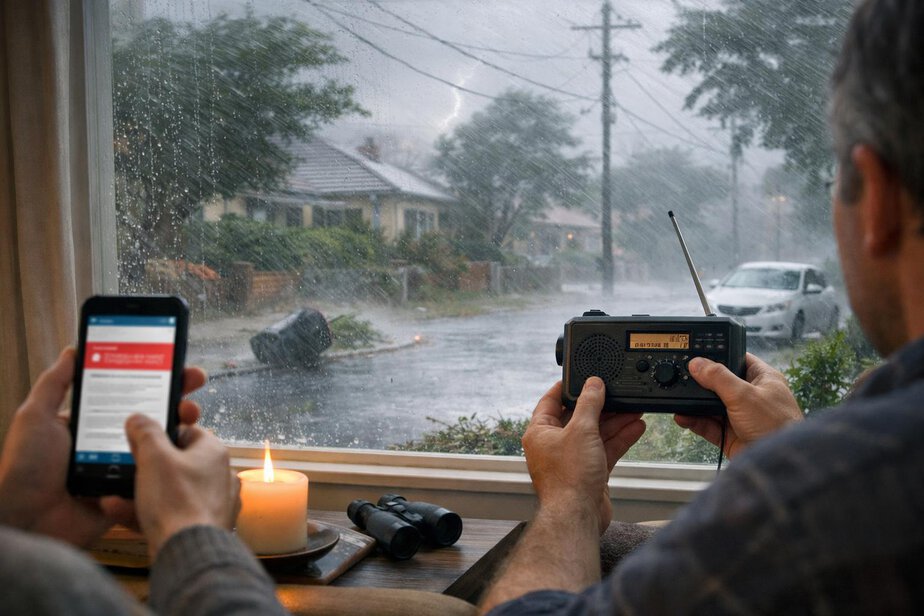
How to Make Emergency Warnings Easier to Act On
For emergency communicators, firefighters, community leaders and media organisations, the goal is not simply to send more messages. The goal is to send messages that people can use under stress.
What effective warnings should answer
- What is happening? Say whether it is bushfire, flood, severe storm, cyclone, heat or another hazard.
- Where is it happening? Identify the area clearly and avoid vague location descriptions.
- Who may be affected? State which suburbs, towns, roads or communities are likely to be impacted.
- What should people do now? Use direct action statements and keep them simple.
- Where can people obtain reliable updates? Point them to official sources that are likely to stay current.
Good practice for warning writers and broadcasters
- Use plain language and avoid unexplained technical terms.
- Lead with the action people should take, not just the hazard name.
- Repeat the location and the action advice in clear terms.
- Keep messages short enough to read quickly, but complete enough to act on.
- Update messages when the situation changes, and make clear when advice has been escalated or cancelled.
- Provide information in accessible formats and through trusted community channels.
- Recognise that one format will not work for every person or every emergency.
Firefighters and other emergency service personnel also have an important role in trusted communication. When possible, they should reinforce official warnings in language people understand, listen to local concerns, and avoid assuming that delayed action is caused by ignorance or stubbornness. Often, people need reassurance, clarification or a direct prompt more than they need more information.
Media organisations can also help by repeating the action advice clearly, avoiding sensational language, and making sure the warning level is not stripped away from the practical instructions. A warning should never be treated as just another headline.
When you receive an emergency warning
The following checklist is for the public. It is designed to help people turn a warning into action without delay.
Public checklist
- Stop and read or listen to the full warning.
- Check whether your location is included.
- Follow the stated action advice.
- Use official information sources.
- Tell family members and neighbours.
- Assist people who may need additional help.
- Avoid spreading unconfirmed information.
- Act early rather than waiting to see the danger.
If a life or property threat is immediate, call Triple Zero (000). Do not assume that a text message, app alert or social media post is the only warning you will get. Use several reliable sources where you can, especially if one source is unavailable.
Families can prepare before warnings are issued by discussing who will do what, where they will meet, how they will leave, what they will take, and how they will stay in contact if networks fail. Planning ahead reduces the number of decisions that must be made during a stressful event.
Households should also think about pets, neighbours who may need assistance, medicines, chargers, torches, important documents and the safest way out of the area. If people already know their triggers for action, they are less likely to freeze when a warning arrives.
Why firefighters and emergency personnel should understand delay
For operational crews, understanding why people delay can improve both communication and community safety. A delayed evacuation or late shelter decision is not always the result of poor judgement. It may be the result of a warning that was not clear enough, reached too late, or did not match the person’s understanding of the risk.
That means frontline personnel should listen for the reasons behind hesitation. Is the person waiting for family? Do they not understand whether the warning covers their street? Do they need help moving an animal, a wheelchair, medication or a vehicle? Do they trust one source more than another? These questions can reveal what kind of message or support will help.
Emergency services also need to remember that local knowledge may point to specific issues such as cut-through roads, flood-prone crossings, steep terrain, isolated homes or access limits. That local insight can improve communication, but it should be matched with current warnings, forecasts and instructions.
For community leaders, the same principle applies. Trusted local voices can help translate warnings into everyday language, but they should not improvise safety advice that conflicts with official information. Their role is often to reinforce, clarify and connect people to the right source quickly.
Clear warnings save time, but they cannot remove all risk
There is no warning system that can remove every risk or guarantee that every person will receive every message. Emergencies are dynamic. Conditions change, communication systems fail, and people face different constraints. That is why emergency warnings should be seen as tools for decision-making, not as promises that danger has been fully controlled.
Still, better warnings do make a difference. A message that is timely, accurate, consistent, accessible and relevant gives people a better chance to act early. It helps a person decide whether to leave, shelter, move to higher ground, avoid a road, protect livestock, or seek safer conditions before time runs out.
For the public, the key lesson is simple: do not wait for perfect certainty. Read the whole warning, check whether it applies to you, and follow the action advice. For emergency communicators and responders, the lesson is equally important: clear language, direct instructions and trusted local delivery can turn a warning into action faster.
Whether the hazard is bushfire, flood, severe storm, cyclone or extreme heat, the best warning is the one people can understand and use immediately. Before publication, verify current warning terminology, agency responsibilities, emergency telephone numbers and local safety advice, because procedures can change from place to place.
FireRescue Training Hub
Access practical fire and emergency study support resources, downloads, checklists, audio guides, and member-only course content.
- Course library
- PDF downloads
- Audio guides
- Checklists
Study support only. Not accredited training or a replacement for workplace procedures.
About the author and safety review
Ken Walker
Former Station Officer and fire service educator
Former career firefighter with extensive career and volunteer fire service experience.
Qualifications: Associate Diploma of Applied Science in Fire Technology; Institute of Fire Engineers studies.
Author profilehttps://www.firerescue.com.au/about-us/