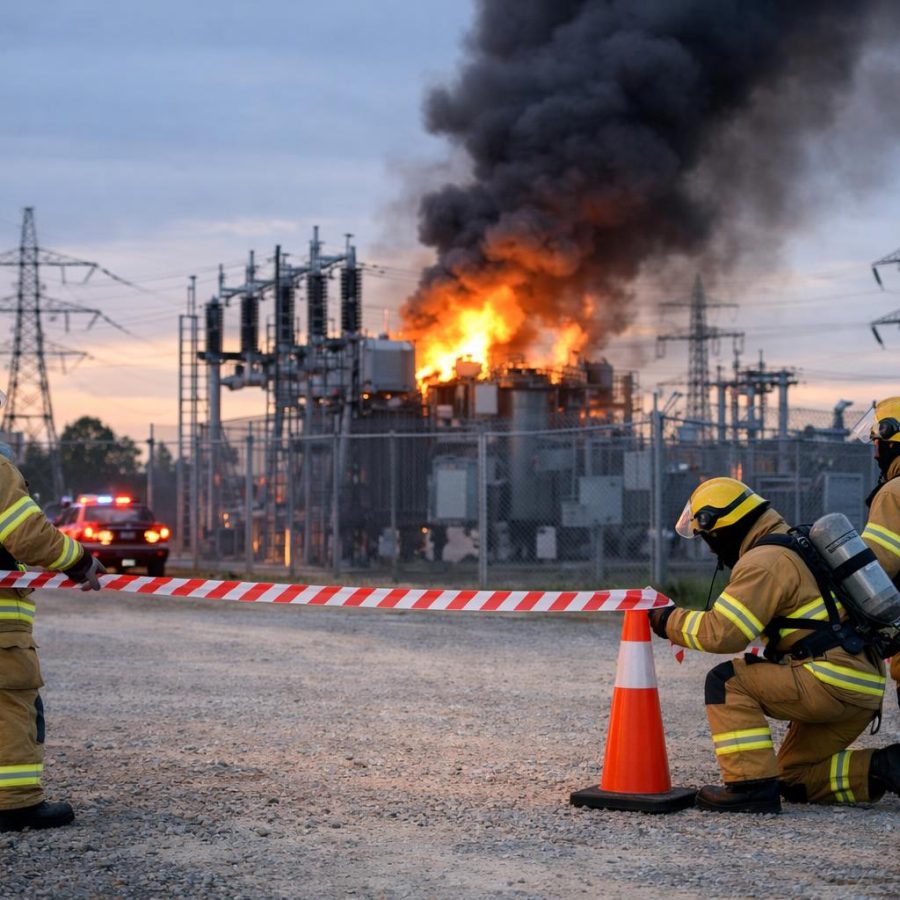
Coordinate Search and Rescue Teams
Briefings, roles, task allocation and performance monitoring.
Coordinate search and rescue teams with structure, not assumption. Once a strategy has been reviewed, the manager must explain the scenario, brief team members clearly, allocate tasks according to role and competence, confirm understanding, monitor performance and relay feedback as the operation develops.
Inform
Give team members the reviewed scenario and strategy so they understand the operational direction.
Brief
Explain roles, responsibilities and how the team will work together during the task.
Allocate
Match tasks to team roles and competence so the plan becomes practical and safe.
Monitor
Review team performance and move useful feedback to the people who need it.
Part 2 centres on C and H
Part 1 built the first four steps: Situation, Evidence, Assets and Review. Part 2 now moves into the people-management core of the cycle.
Coordinate team roles, tasks, performance and feedback
Hold clear briefings and confirm shared understanding
Liaise with agencies, authorities and supporting organisations
Establish communication systems suited to the operation
Mark each section as refreshed
Use the buttons as you work through Part 2. The progress bar updates each time you complete a section.
Inform Team Members of the Scenario and Strategy
The first coordination step is to inform team members of the scenario and the strategy that has been determined after reviewing information and resource requirements.
Teams need the operational picture
A search and rescue team cannot work confidently from fragments. Team members need a clear explanation of the scenario, the current understanding of the situation and the strategy that will guide their actions. This gives the group a shared starting point.
The manager should explain the strategy in practical terms. The team needs to know what the operation is trying to achieve, what information shaped the plan and what may still be uncertain. This helps members understand why their work matters and how their actions fit the larger response.
Clear information also reduces avoidable confusion. Without a common operational picture, team members may make different assumptions about priorities, urgency, boundaries or resource use. Therefore, the manager should make the scenario and strategy visible, plain and connected to the task ahead.
Use reviewed information, not outdated impressions
Part 1 focused on reviewing information and resources before building the strategy. Part 2 depends on that work. Team members should be informed from the reviewed operational picture, not from loose first impressions that may already be outdated.
This matters because the course specifically links the scenario and strategy to the outcome of reviewing information and resource requirements. In other words, the manager briefs the team from the current strategy, not from the earliest version of the event.
Keep the opening message direct
A strong opening briefing does not need dramatic language. It needs clarity. The manager should explain what is happening, what has been decided, what the team’s work will support and what information may change the approach later.
That structure gives team members enough context to listen well during the detailed role and task briefing that follows.
Brief Roles, Responsibilities and the Team Operating Method
The manager must brief team members on their roles, responsibilities and the way the team will operate. This turns the broad strategy into a coordinated team approach.
A briefing should create practical clarity
A team briefing is more than a spoken handover. It is the point where the manager converts the strategy into coordinated action. The briefing should explain who is doing what, how the team will work, what standards matter and how information should move during the operation.
Roles help define position. Responsibilities help define expectations. The operating method helps define how the team functions together. All three are needed. If one is weak, coordination becomes less reliable.
For example, a person may understand their role title but still remain unsure about what decisions they can make, what they must report, or how their work links with another member’s task. A strong briefing closes those gaps early.
Briefings should suit the team in front of you
The course knowledge themes include communication techniques, briefings, coaching, team building, guidance and support. That means the manager should communicate in a way the team can absorb and use. A briefing is not successful simply because it was delivered. It succeeds when the team understands it.
A mixed-capability team may require a slightly more structured briefing. Experienced members may need the operational priorities and delegation points. Less experienced members may need clearer boundaries, expectations and confirmation checks. The manager can remain concise while still adjusting the level of detail.
The operating method must be shared
Team members need to know how the group will function during the operation. This may involve how updates are passed, how performance is monitored, how feedback will be raised and how changes in strategy will be shared. The course does not prescribe a single format, so the manager should follow organisational procedures and the operational requirements of the moment.
What matters is that the team knows the method. If the operating approach stays in the manager’s head, confusion will surface later when time and workload increase.
Common briefing mistakes
Giving jobs before the team understands the scenario and strategy.
Assuming a title alone explains responsibilities and decision limits.
Failing to explain how the team will coordinate and share updates.
Allocate Tasks According to Role and Competence
Tasks must be allocated to team members in a way that matches their team role and level of competence. This requirement protects both performance and safety.
Task allocation is a management decision
Task allocation should not be treated as a simple distribution exercise. The manager must consider what each role is meant to contribute and whether the person assigned has the competence level needed for that task. This creates a better fit between the strategy and the team’s real capability.
The knowledge evidence supports this point by referring to personal abilities and competence levels, team member capabilities and resource capabilities and limitations. These themes reinforce the same practical lesson: the manager should allocate work thoughtfully.
A suitable task match can improve accuracy, confidence and operational control. A poor match can create delay, place pressure on others and weaken the team’s overall performance.
Competence affects supervision and support
Competence does not only influence who receives a task. It also affects what guidance, coaching or support may be needed after the task is allocated. A manager may assign a task appropriately and still need to provide additional explanation, pair a member with support, or set a closer review point.
This approach is not about lowering standards. It is about managing the team honestly. Good coordination uses the capability available while still protecting the quality of the operation.
Allocation should remain tied to the strategy
Every task should serve the search and rescue strategy. If work does not support the plan, it may distract attention or consume resources without helping the operation. Therefore, the manager should link each major task back to the operational purpose.
This also makes the team briefing easier. When members see how their task fits the strategy, they are more likely to report meaningful progress and recognise when a change may affect the plan.
Confirm Understanding of the Scenario, Roles and Shared Team Picture
The manager must gain confirmation that team members understand the scenario, their own role and the roles of others in the team.
Confirmation is part of coordination
It is not enough to ask, “Any questions?” and assume silence means understanding. The course requires confirmation from team members. That means the manager should use a practical check that shows whether the message has been understood.
This may involve asking members to restate key responsibilities, summarise their task, describe who they will coordinate with, or confirm the role boundaries that affect their work. The best method will depend on the organisation and situation, but the purpose remains the same.
Confirmation closes the gap between what was said and what was actually understood.
Shared role awareness reduces friction
The requirement includes understanding the roles of others, not only individual roles. That detail matters. Team members work more effectively when they understand how their activity links to another person’s task. It reduces duplication, missed handovers and uncertainty about who should receive an update.
A search and rescue team does not succeed through isolated effort. It succeeds through connected effort. Therefore, the manager should make those links clear during the briefing and confirmation stage.
Mixed-capability teams need deliberate checks
When a team includes people with different experience levels, confirmation becomes even more valuable. A newer member may nod while still holding an incomplete picture. An experienced member may interpret a task through past practice rather than the current strategy. Direct confirmation helps both.
These checks also support a coaching culture. They encourage team members to speak early, ask for clarification and raise uncertainty before the operational tempo increases.
Monitor Team Performance and Relay Feedback as the Scenario Unfolds
Coordination continues after the briefing. The manager must monitor and review team performance, receive feedback and relay it to others where it supports the operation.
Performance monitoring keeps the operation aligned
A briefing creates the starting structure, but the operation will continue to evolve. Team performance should be monitored and reviewed as the scenario unfolds so the manager can determine ongoing requirements. This connects people management back to active operational decision-making.
Monitoring does not mean micromanaging every action. Instead, it means watching whether the team remains aligned with the plan, whether tasks are progressing, whether support is needed and whether new information affects the way the team should operate.
Good monitoring helps the manager identify friction early. A task may require more guidance. A role may need clarification. A resource issue may affect team output. Noticing these issues sooner gives the operation a better chance to adapt smoothly.
Feedback should move, not stall
The course also requires feedback from team members to be received and relayed to others. That means useful information should not stop with one person. If feedback affects the team picture, strategy, resource needs or safety, the manager should move it to the right people in a timely way.
Feedback can show that a task is working as expected. It can also reveal a gap, conflict or emerging requirement. In both cases, it helps the operation remain connected to real conditions rather than staying fixed on the initial briefing.
Monitoring creates the bridge to Part 3
When team performance or resource needs change, the manager may need to liaise with authorities, agencies or organisations. That is the focus of Part 3. In this way, strong team coordination prepares the ground for stronger external cooperation.
The sequence matters. First, inform and brief the team. Next, allocate and confirm. Then, monitor, review and relay feedback. This is how coordination stays alive during the operation.
Scenario: Briefing a mixed-capability search and rescue team
You are coordinating a team with several experienced members and two newer members. The strategy has been reviewed, but information may still change. What is the strongest briefing approach?
Part 2 quick quiz
Select the best answer for each question. Feedback appears instantly.
1. What should team members be informed of first?
2. Task allocation should be based on what?
3. Why should the manager confirm understanding?
4. What should happen to useful team feedback?
Use the five-step coordination check
- Inform: Explain the scenario and reviewed strategy.
- Brief: Clarify roles, responsibilities and team operating method.
- Allocate: Match tasks to role and competence.
- Confirm: Check understanding of the task and the wider team picture.
- Monitor: Review performance and relay useful feedback.
This simple routine supports the C and H steps of the SEARCH LEAD Cycle.
Coordination turns strategy into team action
Coordinate search and rescue teams by giving a clear scenario and strategy, briefing roles and responsibilities, allocating tasks according to competence, confirming understanding, monitoring performance and relaying feedback as the operation develops.
- Brief from the reviewed operational picture.
- Explain roles, responsibilities and working method.
- Allocate tasks according to role and competence.
- Confirm understanding, not just attendance.
- Monitor performance and move feedback where it matters.
FireRescue Training Hub
Access practical fire and emergency study support resources, downloads, checklists, audio guides, and member-only course content.
- Course library
- PDF downloads
- Audio guides
- Checklists
Study support only. Not accredited training or a replacement for workplace procedures.
About the author and safety review
Ken Walker
Former Station Officer and fire service educator
Former career firefighter with extensive career and volunteer fire service experience.
Qualifications: Associate Diploma of Applied Science in Fire Technology; Institute of Fire Engineers studies.
Author profilehttps://www.firerescue.com.au/about-us/