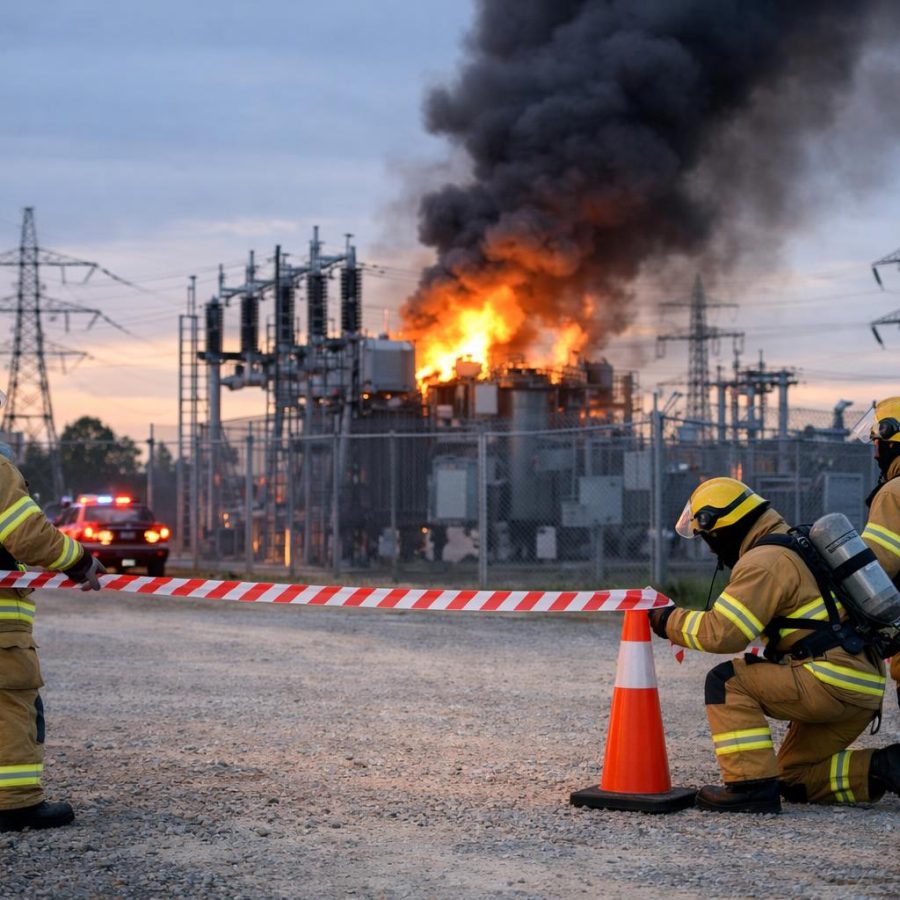
Liaise Across Search and Rescue Operations
Authorities, agencies, resources and negotiated outcomes.
Liaise across search and rescue operations with clarity and purpose. A manager must provide briefings to appropriate personnel, monitor changing resource needs, seek and provide guidance, and work constructively with authorities, agencies and organisations as the operation develops.
Brief
Provide relevant, timely briefings to the personnel who need the current operational picture.
Review
Monitor resources as conditions change and identify new or reduced operational requirements.
Support
Seek and provide guidance through the right authorities, agencies and organisations.
Negotiate
Use calm, practical negotiation to support workable operational outcomes when needs compete.
Part 3 centres on L
Parts 1 and 2 established strategy and team coordination. Part 3 adds the wider operational relationships that help search and rescue work stay aligned, supported and informed.
Situation information reviewed and search parameters identified
Review strategy and resources as the operational picture changes
Coordinate roles, tasks, performance and feedback
Liaise with agencies, authorities and supporting organisations
Mark each section as refreshed
Use the buttons as you work through Part 3. The progress bar updates each time a liaison skill area is completed.
Provide Briefings to Appropriate Personnel
The course requires briefings to be provided to appropriate personnel in accordance with organisational policies and procedures. This is the first core liaison responsibility.
Liaison begins with the right briefing
A search and rescue operation does not sit inside one team alone. It may involve internal command points, external authorities, support organisations or agency representatives who need a clear operational picture. Therefore, the manager must identify who requires briefing and provide information that suits their role.
The phrase appropriate personnel matters. Not every person needs every detail. Instead, the manager should communicate the right information to the right people, at the right level, in line with organisational procedures. This keeps liaison efficient and reduces confusion.
A briefing may explain the current search strategy, the operational objective, resource status, emerging constraints, requested support or decisions that require approval or guidance. The content should remain accurate, practical and linked to the needs of the operation.
Briefings should support decisions
Good briefings do more than report activity. They support decisions. A senior authority may need a clear update to approve a change in direction. A supporting organisation may need enough detail to prepare a resource. An internal supervisor may need the current priorities so they can maintain alignment with organisational procedures.
This is why the manager should avoid vague updates. Instead, briefings should distinguish the current situation, what has changed, what is needed and what decision or support may now be required. Clear structure helps others respond more effectively.
Policies and procedures remain the boundary
The official course places briefings inside organisational policies and procedures. That boundary matters. Liaison should not become informal improvisation when the operating environment becomes busy. The manager should follow the required channels, formats and expectations used by their organisation.
Professional liaison creates confidence. When briefings are accurate, relevant and delivered through the right pathway, other agencies and authorities can act with greater certainty.
Monitor and Review Resources for Changing Requirements
The course requires resources to be monitored and reviewed so changing requirements can be identified. Liaison often becomes essential when those resource needs shift.
Resource needs can change during the operation
Part 1 explained that resources should match the strategy. Part 3 extends that principle. Once the operation is underway, the manager must continue reviewing whether current resources still meet the real requirement.
A change in information may increase the search area, narrow the operational focus or reveal a need for specialist support. A resource may become unavailable, delayed or better used elsewhere. Team feedback may also show that the original resource arrangement is no longer adequate.
Because of this, resource monitoring is not a once-only check. It is an ongoing management task linked to the operating picture.
Review resources against operational need
The manager should compare the resources available with the strategy, task progress and emerging information. The review should ask whether the current arrangement remains suitable. If it does not, the manager may need to change priorities, request support or advise relevant authorities about the developing requirement.
This process supports operational discipline. It helps prevent two common problems: holding resources that no longer suit the task, or continuing without resources that have become necessary.
Resource change creates liaison work
When resource requirements change, the manager may need to explain the reason to an external agency, seek guidance from an authority or negotiate access to supporting capability. Resource review and liaison are therefore closely connected.
For example, if the strategy now depends on a capability not currently present, the manager should be able to describe the need clearly. A useful request explains what changed, why it matters and what outcome the support would enable.
Common resource review mistakes
Assuming the first resource plan stays correct throughout the operation.
Waiting too long before seeking external support for a clear developing need.
Asking for resources without explaining the operational reason behind the requirement.
Provide and Seek Guidance and Support
Search and rescue managers must provide and seek guidance and support from authorities, organisations and agencies in accordance with requirements.
Liaison is a two-way responsibility
A manager may need guidance from an authority, technical input from another organisation or practical support from a cooperating agency. At the same time, the manager may need to provide information, direction or support to others involved in the operation. Liaison works both ways.
This two-way model is important because search and rescue management often depends on shared understanding. No single role should assume it holds every answer. The manager should know when to seek advice, when to provide operational clarity and when to connect people who need to work together.
The official course wording recognises this balance by requiring guidance and support to be both provided and sought.
Seek guidance when it improves the decision
Seeking guidance is not a sign of weakness. It is a professional decision when the situation requires authority, specialist advice or organisational alignment. A manager who asks early can often prevent confusion later.
Guidance may be needed when the strategy requires confirmation, when responsibilities cross organisational lines, when a resource decision affects another agency or when a policy requirement needs to be checked. The course does not list every scenario, so the manager must use judgement within the framework of organisational requirements.
Provide support that helps others act
Support should be practical. It may involve giving a clear operational update, clarifying expectations, explaining the current strategy or sharing information that helps another group contribute effectively. Support is strongest when it improves action, not when it simply adds more words.
This aligns with the course knowledge evidence around coaching, team building, guidance and support. Although that theme also applies inside the team, it remains relevant across operational relationships where people must cooperate under pressure.
Use Practical Negotiation to Support Operational Outcomes
Negotiation is listed in the performance evidence for this course. It supports liaison when needs, resources or expectations must be aligned to reach workable outcomes.
Negotiation should improve the operation
Search and rescue managers may face competing priorities, limited resources or different views about what support is needed. In these moments, negotiation can help move the operation toward a practical outcome without losing clarity or professionalism.
Negotiation in this context should remain operational, respectful and evidence-based. The manager should explain the current need, listen to the other party, identify constraints and work toward a solution that supports the search and rescue objective wherever possible.
The performance evidence refers to successfully negotiating outcomes and using negotiation techniques. Therefore, this skill is best treated as part of practical liaison rather than as a separate course element.
Good negotiation stays grounded
A useful negotiation starts with the facts. What has changed? What resource is needed? What authority or support is being requested? What limitations exist? By setting out the issue clearly, the manager makes it easier for others to respond constructively.
The manager should also listen carefully. Another agency may have constraints that are not immediately visible. An authority may need a clearer reason before approving a change. A support organisation may offer a different option that still meets the operational need.
Calm negotiation works because it seeks a workable path, not a personal win.
Keep outcomes linked to the operation
The goal is not simply agreement. The goal is an operationally useful outcome. That may involve confirming a resource, agreeing on an alternate support arrangement, clarifying responsibility or establishing the next decision point.
Once an outcome is reached, the manager should ensure the relevant people understand it. This prevents the negotiated result from becoming lost, delayed or misunderstood.
Keep Liaison Connected to Strategy, Teams and Decisions
Liaison is strongest when it stays linked to the strategy from Part 1 and the team coordination skills from Part 2.
Liaison should not drift away from the operation
Briefings, resource reviews, guidance requests and negotiated outcomes should all help the search and rescue response remain organised. If liaison becomes disconnected from the operational need, it can create more activity without improving the result.
The manager should regularly ask whether external communication is helping the strategy, helping the team or helping the operation adapt. If the answer is unclear, the message may need to be sharpened.
This discipline supports better working relationships because agencies and authorities receive information that is purposeful and relevant.
Use the operational loop
A practical liaison loop can be simple. Review the operation. Identify the need. Brief the right people. Seek or provide guidance. Confirm the outcome. Relay that result to those who need it. Then review again if the situation changes.
This loop reflects the course structure. Resources are reviewed. Guidance and support are exchanged. Briefings are provided. Decisions remain connected to the changing operational picture.
Part 3 prepares the communications focus of Part 4
Strong liaison depends on reliable communication pathways. Part 4 will move directly into communication systems, system selection and managing information flow for optimum capability. Without those systems, even a well-judged liaison decision can struggle to reach the right people at the right time.
For now, the key reminder is clear: liaison is a management task. It protects alignment between people, agencies, resources and decisions.
Scenario: Resource changes and interagency guidance
During a search and rescue operation, team feedback shows that the current resources no longer match the developing requirement. Another agency may be able to help, but their support must be justified clearly. What is the strongest management response?
Part 3 quick quiz
Select the best answer for each question. Feedback appears instantly.
1. Who should receive briefings?
2. Why must resources be monitored and reviewed?
3. Guidance and support should be:
4. What is the best purpose of negotiation in liaison?
Use the liaison decision check
- Brief: Who needs the current operational picture?
- Review: Have resource needs changed?
- Guide: Do you need to seek or provide support?
- Negotiate: Is a practical outcome required across agencies?
- Confirm: Who must know the result?
This short drill strengthens the L step of the SEARCH LEAD Cycle.
Liaison keeps the operation aligned
Liaise across search and rescue operations by providing purposeful briefings, reviewing changing resource needs, seeking and providing guidance, and using practical negotiation where it improves operational outcomes.
- Brief the right people through the right process.
- Review resources as requirements change.
- Seek and provide guidance when needed.
- Use negotiation to support workable outcomes.
- Keep liaison connected to strategy and team action.
FireRescue Training Hub
Access practical fire and emergency study support resources, downloads, checklists, audio guides, and member-only course content.
- Course library
- PDF downloads
- Audio guides
- Checklists
Study support only. Not accredited training or a replacement for workplace procedures.
About the author and safety review
Ken Walker
Former Station Officer and fire service educator
Former career firefighter with extensive career and volunteer fire service experience.
Qualifications: Associate Diploma of Applied Science in Fire Technology; Institute of Fire Engineers studies.
Author profilehttps://www.firerescue.com.au/about-us/